REVIEW · SALALAH
Sunset desert safari tour in Salalah(private tour)
Book on Viator →Operated by Ciao Salalah · Bookable on Viator
The best part of this private desert day is the mix: frankincense history in lush wadis, then Rub’ al Khali sunset over towering dunes. You’ll start around 1:00 pm with a UNESCO-listed walk in Wadi Dawkha, then move through Thumrait for local tea and black camels, and finish in the Empty Quarter for the big light of late day. I especially like how the timing gives you real stops, not just fast photo pulls, and how the guide work can turn the long drive into part of the experience, not dead time.
Two things I really appreciate: first, the day is structured around meaningful places, not only scenery, so you understand why frankincense mattered to Oman. Second, you get a true private tour feel, and guides such as Mohammed or Ibrahim can keep things calm, organized, and personal. The only drawback to plan for is simple: with roughly 8 hours total and travel between sites, you won’t linger forever at each spot, so you’ll want to move with purpose.
In This Review
- Key Highlights You’ll Feel Immediately
- Wadi Dawkha: Where Frankincense Trees Still Tell Omani Story
- Thumrait Stop: Karak Tea, Local Rhythm, and Black Camels
- The Frankincense Trail at Ubar: Old Routes, Ancient Ruins
- Rub’ al Khali (Empty Quarter): Sunset Dunes and Bedouin Perspective
- Your Private Guide Makes the Long Drive Worth It
- English or Italian, and the Value of a Smooth Day Plan
- Price and Value: Why $125 Can Make Sense Here
- What to Expect on the Ground (and What to Pack Lightly)
- Who This Sunset Desert Safari Suits Best
- Should You Book This Tour?
- FAQ
- How long is the sunset desert safari tour?
- What time does the tour start?
- Is this a private tour?
- What language is the tour available in?
- Does the tour include pickup?
- Which stops include admission tickets?
- Where do you go first?
- Will I see black camels?
- Where is the best sunset viewing?
- What happens if the weather is poor?
Key Highlights You’ll Feel Immediately
- Wadi Dawkha UNESCO walk among ancient frankincense trees with unforgettable mountain views
- Thumrait tea stop with local karak, plus a chance to spot the black camels
- Ubar (Frankincense Trail) archaeological site linked to old incense caravans
- Rub’ al Khali dune time with up to about 250-meter sand dunes and a Bedouin-life lens
- Private guide pacing that can include extras like star viewing on clearer evenings
Wadi Dawkha: Where Frankincense Trees Still Tell Omani Story
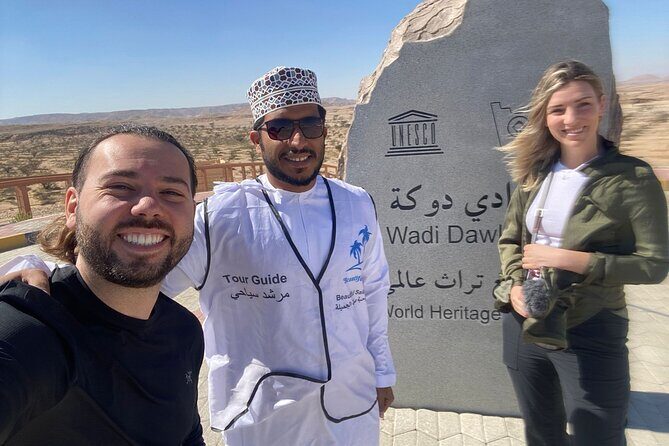
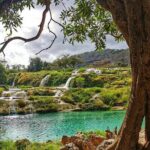
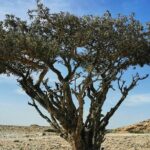
You start at Wadi Dawkha, and right away the whole trip makes sense. This valley is UNESCO-listed, but what you actually notice is how the place looks and feels otherworldly, with frankincense trees scattered across a dramatic setting. You’ll spend about 1 hour 30 minutes exploring the area, and you’ll hear why the frankincense tree connects to Omani history. It’s not just a plant on a sign. The story is tied to trade, survival, and the way people built routes through harsh terrain.
I love that this first stop is timed early enough in the afternoon that you still get a calm viewing experience before everything turns more dune-focused. Also, the frankincense trees can be centuries old, so you’re not just sightseeing. You’re standing in a landscape shaped by time—wind, heat, and human history, all at once. And yes, the silhouette of the trees against the mountains is exactly the kind of photo moment you’ll want to slow down for.
One practical consideration: you’ll be walking around uneven natural ground for about an hour and a half. Wear shoes that grip well and don’t plan on trekking in flimsy sandals.
You can also read our reviews of more private tours in Salalah

Thumrait Stop: Karak Tea, Local Rhythm, and Black Camels

Next comes Thumrait, and this is where the day shifts from dramatic valley views to everyday desert-side life. You get about 1 hour here, and the goal isn’t only to look around. It’s to taste the local rhythm, starting with Omani tea and karak. It’s a small stop, but it breaks the day into something more human than a sequence of attractions.
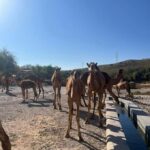
The real headline for many people is the chance to see black camels. These aren’t described as common, ordinary camels, so keep your eyes open when you’re out and about around Thumrait. Even if you don’t see them at exactly the moment you expect, you’ll at least get the context of why this region’s animals and daily patterns are so strongly tied to its environment.
I also like that the tour keeps this stop at about an hour. It gives you time to reset—sipping tea, taking a few photos, stretching your legs—without turning the schedule into a long bottleneck.
The Frankincense Trail at Ubar: Old Routes, Ancient Ruins
After Thumrait, you head to the Ubar archaeological site, also linked with the Frankincense Trail. This is one of the most interesting transitions on the whole day: you go from living desert culture into the traces of a trade route that used to move frankincense caravans across the region.
You’ll spend around 1 hour 30 minutes here. The site is UNESCO-listed, and it’s located in Al Shisr, about 170 kilometers north of Salalah. What you’re looking at are ancient ruins that help explain how Ubar worked as a stopping point for incense traffic. Even if you’re not a hardcore history reader, you’ll likely find the setting easier to picture once you’re there: this area’s geography was part of the reason caravans paused, regrouped, and moved on.
A quick tip for getting the most out of this stop: pay attention to the guide’s way of connecting the place to the trade story. When guides do it well, the ruins stop feeling like scattered stones and start feeling like a former node in a living system.
Rub’ al Khali (Empty Quarter): Sunset Dunes and Bedouin Perspective
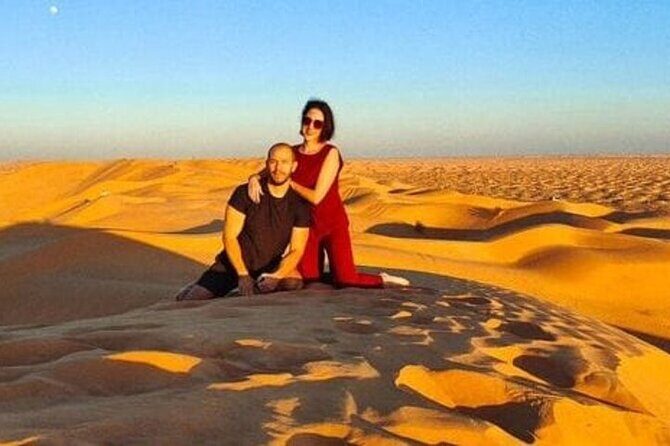
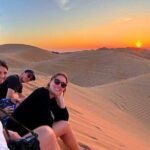
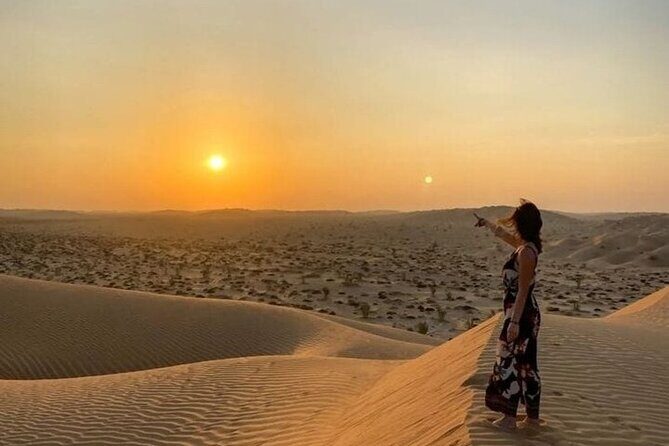
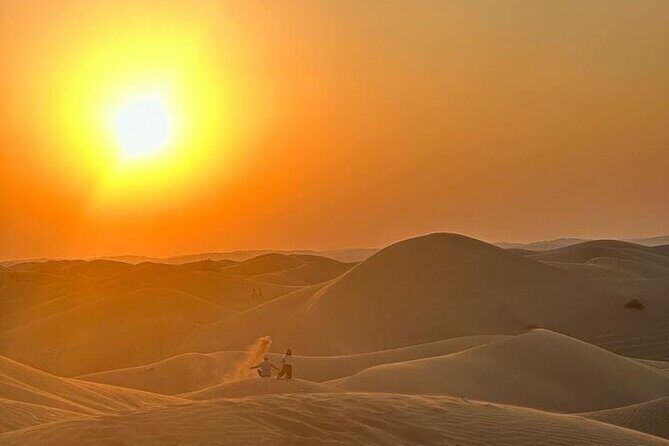
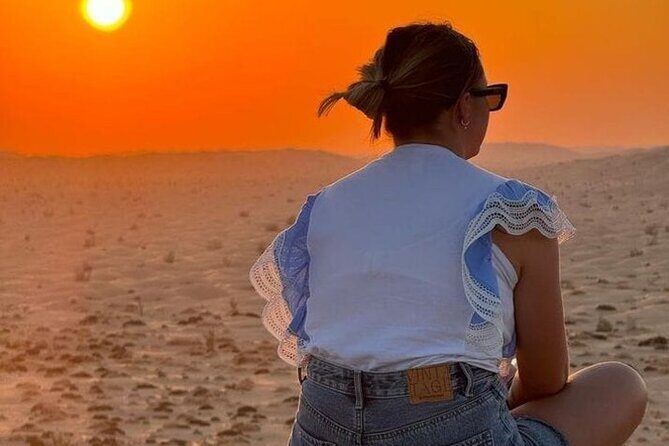
Then the day turns into what most people actually came for: the Rub’ al Khali desert, also called the Empty Quarter. This is the largest sand desert in the world, and it’s the best place in southern Oman for sunset viewing during this kind of tour.
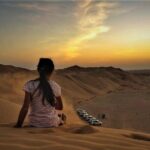
You’ll have about 2 hours 30 minutes in this final desert stretch, which is a strong amount of time for the dunes. You’ll be in the right region to experience the scale—dunes can reach around 250 meters—and that height matters because it changes the feel of everything. From the right angles, you can see how sand forms ridges and bowls, and the light at sunset makes those shapes pop.
The tour also frames this part with a Bedouin way-of-life angle. The key value here is context: you’re not only looking at a dramatic place; you’re being guided to understand what desert travel meant before modern roads. If your guide is fluent and comfortable telling stories, this is often where the day becomes more than a photo safari.
One detail I find especially worth planning around: sunset is the headline, so you’ll want to be ready for a slower pace as the light changes. This is not the time to rush. Let the colors develop, and give yourself chances to reset your camera settings as the sky shifts.
Also, some guides may add extra moments on clearer evenings. For example, Ibrahim has been noted for stopping to help guests see the stars. If you hear your guide mention something about the sky later in the evening, take it seriously and be ready to look up.
Your Private Guide Makes the Long Drive Worth It
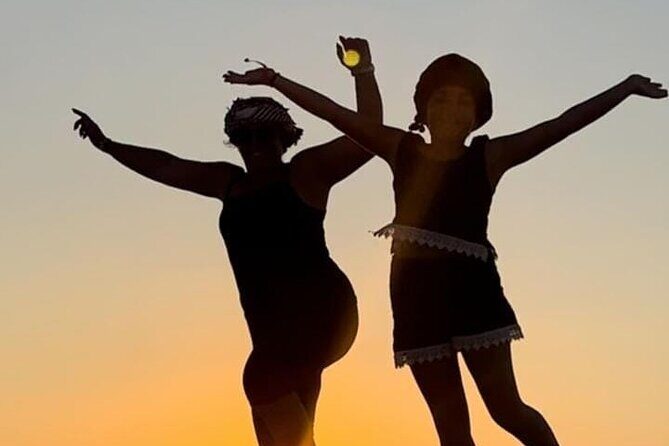
This is a private tour, meaning it’s only your group. That matters more than most people realize. When it’s private, your guide can adjust tempo: stop for photos when it’s best, keep things smooth on roads, and handle timing without waiting for a big group to catch up.
In the standout experiences, guides like Mohammed and Ibrahim come across as both knowledgeable and genuinely caring about how the day flows. Mohammed is repeatedly highlighted as a careful driver and a helpful, courteous guide, including driving attention on the highway and dune areas. Ibrahim stands out for precise explanations and for making the day feel special with an extra pause for stars.
Even if you’re not obsessed with logistics, the guide quality shows up in small ways: the tone of storytelling, how quickly everyone understands what’s coming next, and whether you feel safe and looked after while on the road.
This is also a nice fit if you want flexible photo time. In past experiences, guests have appreciated having space for photos while still staying on schedule.
You can also read our reviews of more evening experiences in Salalah
English or Italian, and the Value of a Smooth Day Plan
Language is listed as English or Italian, and that matters because this tour leans on explanations: frankincense history, Ubar’s role, and what you’re seeing in the desert. If you’re booking for yourself and a partner, it helps to match the language so both of you get the full picture, not just the parts you guess from context.
The schedule is about 8 hours total, and the remaining time is for travel. That’s important when you plan your day in Salalah. Start time is 1:00 pm, so you’re intentionally building an afternoon-to-evening rhythm. If you’re the type who needs a long morning, this format won’t fit that style. But if you like start-midday plans that end with big sunset payoff, it works well.
Price and Value: Why $125 Can Make Sense Here
At $125 per person, this is not a cheap half-day. So you should ask: what are you actually paying for?
Here’s what you’re buying:
- Private transportation and a guide across multiple distant stops
- Admission included for Wadi Dawkha and the Ubar archaeological site
- Time at each location that supports both photos and learning
- A sunset-focused end in the Rub’ al Khali area, which is the reason most people book this type of trip
If you compare this to doing everything on your own, the cost often starts to make more sense. The drive distances between frankincense sites, villages, and the desert are exactly where guided planning saves effort. Also, private guiding helps you get narrative value: you’re less likely to just collect views and more likely to understand why the day is worth it.
My practical advice: if you’re traveling in a small group and you care about the story behind the scenery, this price can feel fair. If you’re someone who just wants quick photos and doesn’t care about explanations, you might feel like you’re paying extra for the human layer. Your call.
What to Expect on the Ground (and What to Pack Lightly)
The tour is designed so “most travelers can participate,” but you’ll still be moving through natural areas and dune terrain. That means you should expect some uneven ground and walking time at Wadi Dawkha and at the desert dunes.
Keep your plans simple:
- Wear comfortable shoes that handle sand and uneven paths.
- Bring a camera or phone with enough battery for sunset.
- If you’re sensitive to heat or sun exposure, plan for basic protection while you’re outdoors between stops.
One more factor: the experience requires good weather. If weather isn’t right, the tour may be canceled and you’d be offered a different date or a full refund. That’s not a small detail in Oman’s deserts, so it’s worth taking seriously when you choose your travel days.
Who This Sunset Desert Safari Suits Best
This is a strong match if you want a Salalah desert day that feels both scenic and meaningful. It’s especially good for:
- Couples or small groups who like the calm of a private tour
- People who enjoy history and place-based storytelling, not just dunes
- Travelers who want the afternoon-to-sunset arc, ending with strong sky colors
- Anyone who values tea-and-culture stops, like Thumrait’s karak, as part of the journey
It may be less ideal if you dislike long drives or if you need a very slow pace with lots of downtime. With an 8-hour format, the day is active and the transitions are part of the adventure.
Should You Book This Tour?
Yes, I’d book it if you want a single organized day that connects frankincense heritage, Ubar’s trade-route story, and an honest shot at the Rub’ al Khali sunset. The standout strength is the guide effect. When guides like Mohammed or Ibrahim bring calm driving, clear explanations, and extra moments like star viewing, you end up with a day that feels thoughtfully paced, not rushed.
I’d hold off only if your schedule can’t handle an afternoon start or if your travel timing is tight around weather. Otherwise, this is one of those experiences where the “story” half of the day makes the “sunset dunes” half feel even better.
FAQ
How long is the sunset desert safari tour?
The tour lasts about 8 hours.
What time does the tour start?
The start time is 1:00 pm.
Is this a private tour?
Yes. It is private, and only your group participates.
What language is the tour available in?
The tour is available in English or Italian.
Does the tour include pickup?
Pickup is offered.
Which stops include admission tickets?
Admission tickets are included for Wadi Dawkha and the Ubar archaeological site. The Thumrait stop and the Empty Quarter portion are listed as free.
Where do you go first?
You begin at Wadi Dawkha, where you can see the frankincense trees.
Will I see black camels?
You may have the chance to see black camels at the Thumrait stop.
Where is the best sunset viewing?
The best place on this tour to see the sunset is the Rub’ al Khali desert (Empty Quarter).
What happens if the weather is poor?
The experience requires good weather. If it’s canceled due to poor weather, you’ll be offered a different date or a full refund.
If you tell me your travel dates and whether you’re booking in English or Italian, I can also help you decide the best day to choose for sunset timing.