REVIEW · SALALAH
8 Hours of Salalah Best: East & West Private Tour
Book on Viator →Operated by Salalah Glory Tours · Bookable on Viator
Salalah can feel like two different trips in one day. This private East and West route strings together green valleys, UNESCO frankincense sites, and ocean roar at Mughsail.
What I like most is the mix of nature + ancient port history, without turning it into a rushed sprint. I also love that you get a proper local guide touchpoint, and names like Ahmed, Mehmood, Saeed, and Salim pop up often for friendly pacing and real-world tips.
One possible consideration: the two main entry sites have an extra cost, so you’ll want to plan for OMR 3 entrance fees for Taqah Castle and Sumharam (Khor Rohri).
In This Review
- Key highlights worth knowing
- East and West Salalah in one smooth, private day
- Pickup, pacing, and why “private” matters here
- Wadi Darbat: the khareef green valley with river and caves
- Sumharam ruins (Khor Rori): frankincense port at UNESCO scale
- Taqah Castle: 19th-century Wali residence and a viewpoint stop
- Mughsail Beach blowholes: white sand meets natural fountains
- Frankincense trees and a short valley walk for scent
- Ayn Sahalnoot spring and the Taqah plateau view
- Price and value: $180 for 6 to 8 hours of Dhofar coverage
- What kind of traveler should book this?
- Should you book this East & West Salalah tour?
- FAQ
- How long is the East and West Salalah private tour?
- What places does the tour include?
- Are entrance fees included for Taqah Castle and Sumharam?
- What is included in the price?
- Is pickup included?
- Is it a private tour for just my group?
- When should I book?
- Can I cancel for a full refund?
- Is there a mobile ticket?
Key highlights worth knowing
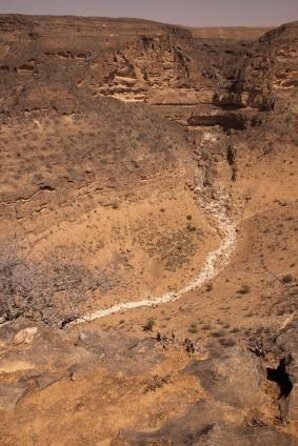
- Wadi Darbat’s green wadi scene: a river run through the valley, plus cave hikes if you want a bit of effort.
- Khor Rohri (Sumharam) on the frankincense route: a UNESCO-style port story tied to incense trade.
- Taqah Castle and the Wali-era angle: a 19th-century building that helps you picture Dhofar’s governance days.
- Mughsail Beach blowholes: white sand and sea-driven fountains that really change with tides and weather.
- Ayn Sahalnoot spring + the Taqah plateau view: a natural stop plus a cliff-and-beach look to close the day.
East and West Salalah in one smooth, private day
If you’re trying to see Salalah without spending your vacation driving between “maybe” spots, this tour’s format makes sense. You cover both sides of the city by following a logical geographic loop: start with the mountain-to-valley side, then swing toward the coast, then wrap up with more views and springs. The total time runs about 6 to 8 hours, depending on pace and photo stops.
Because it’s private, the route feels more like you’re being shown around than being herded. Your guide can slow down when you want time at viewpoints, and speed up when you’d rather keep moving. The reviews repeatedly name guides like Ahmed, Mehmood, Saeed, and Salim, and the common thread is flexibility: if the weather shifts during the monsoon season (khareef) or the tide changes the blowholes show, they tend to work with it.
Price is $180 per person, which is not the cheapest way to tour Dhofar. But it can be good value if you’d otherwise rent a car, pay for fuel, parking, and entrance tickets on your own, and still want a guide to explain what you’re looking at. Also, bottled water is included, and you’ll get a mobile ticket.
You can also read our reviews of more private tours in Salalah

Pickup, pacing, and why “private” matters here
This tour includes pickup, and it’s designed for a group that stays together in your own vehicle. That matters in Salalah. Distances are real, and some roads are easier when someone local handles the turns. The stops are also time-managed in a way that prevents decision fatigue.
Typical stop length is around 20 to 40 minutes at each main point. That’s long enough to park, walk a bit, take photos, and ask questions, but short enough that you’re not stuck waiting around for the next scenic moment. The structure works especially well if you travel with kids, grandparents, or anyone who gets tired from too many long drives.
Also, the tour notes say it’s near public transportation, and most travelers can participate. So if you’re not planning to push through difficult terrain, the schedule fits the “see a lot without suffering” goal.
Wadi Darbat: the khareef green valley with river and caves
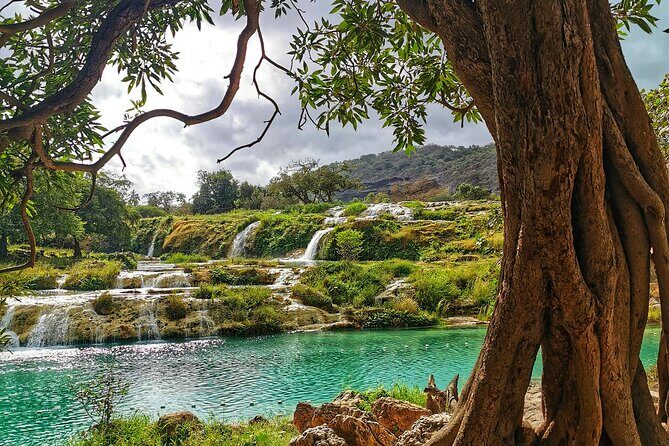
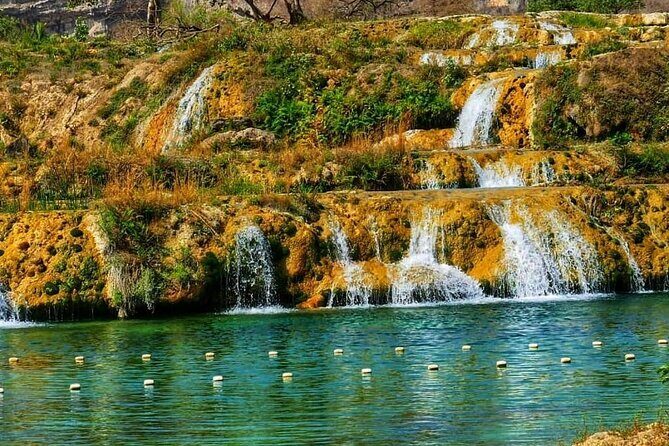
Wadi Darbat is your first “wow” moment, and it’s a smart place to start. This lush green valley has a river running through the middle, and the surrounding hills have small caves people can hike up to. In khareef (monsoon season), it can be packed with locals and tourists coming for the same reason: the scenery looks dramatically different from the dry months.
What you’ll enjoy most is how quickly Wadi Darbat tells the Dhofar story. You go from coast-to-mountain contrast into something that feels almost like a reset button: cooler air, wet greenery, and a calmer pace. It’s also a good spot for a relaxed break. The tour’s timing gives you about 30 minutes, which is plenty for a slow stroll along the wadi bed and a chance to pause for a picnic-style moment.
A small consideration: if the wadi is busy during khareef, expect crowds in the most scenic areas. So if you care about fewer people in photos, arrive ready to enjoy it even if you can’t get a perfectly empty view.
Sumharam ruins (Khor Rori): frankincense port at UNESCO scale
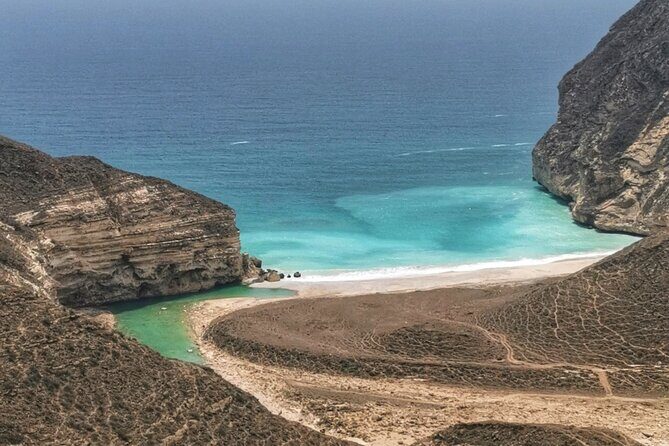
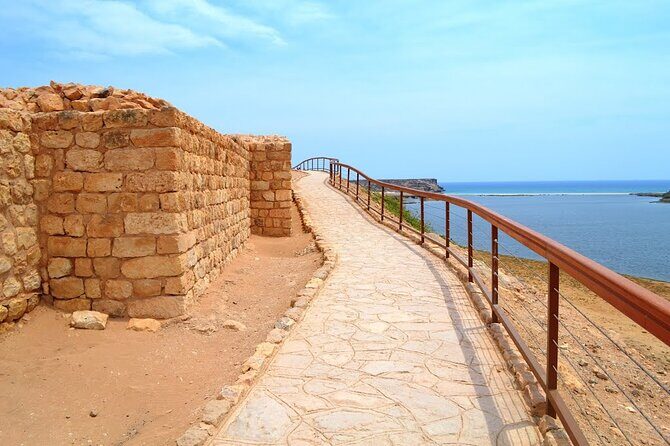
After Wadi Darbat, the tour shifts into deep-time trading history. The stop at Sumharam Street is tied to Khor Rohri, which is described as an important port on the coast of Dhofar and a major trading city linked to frankincense. This is the kind of place where the landscape looks rugged, but the story is surprisingly connected to the wider ancient world.
The incense route angle is what makes this stop matter. Sumharam is presented as part of the trade corridor connecting the Mediterranean Sea, the Persian Gulf, and India. In other words, this wasn’t just local trade. It was a hub where goods moved—and where frankincense had serious economic weight.
The best way to get value here is to spend your time looking at what remains, then ask your guide to connect it to the trading story. With about 30 minutes at the ruins, you won’t have time to do a full archaeological lecture, but you will have time to understand the big picture: this was a shipping and harbor world.
One practical note: the entrance fee for Taqah Castle and Sumharam is OMR 3 each, and it’s not included. If you’re cash-light, plan ahead so the extra stop cost doesn’t slow you down.
Taqah Castle: 19th-century Wali residence and a viewpoint stop
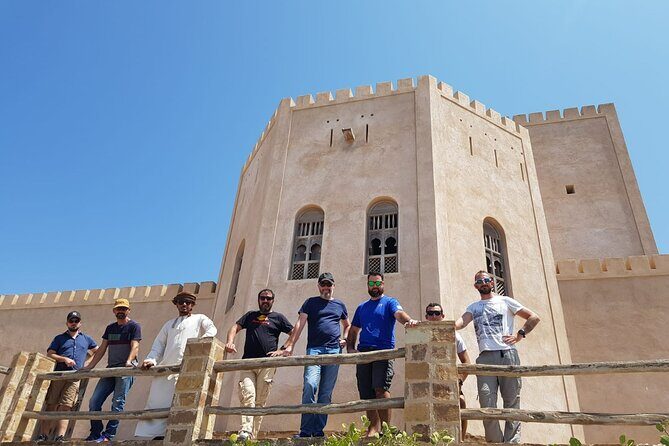
Next comes Taqah Castle, built in the 19th century and used as the office and residence of the Wali (governor) of the region until around 1970. That detail helps you picture the area as an administrative center, not only a scenic one.
This is a great stop if you enjoy architecture that’s functional—rooms, walls, and layout meant for authority and daily work. Even if you don’t read every sign, you’ll likely come away with a clearer sense of how Dhofar’s local governance operated.
Timing is around 30 minutes, which fits: enough to look around, absorb the story, and check the views without feeling trapped in a museum pace. Like Sumharam, there’s an entrance fee of OMR 3 that’s not included, so again, have that ready.


Mughsail Beach blowholes: white sand meets natural fountains
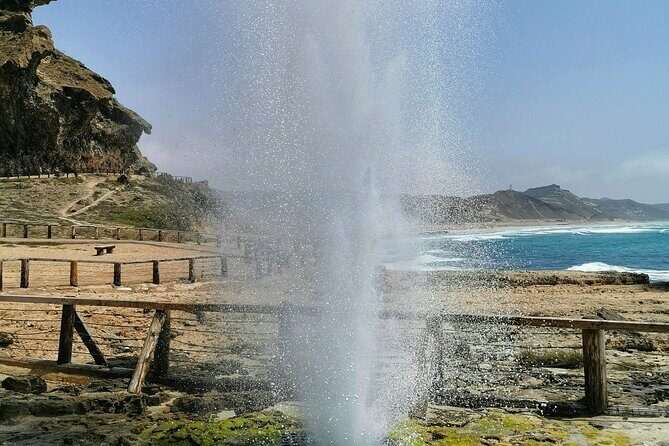
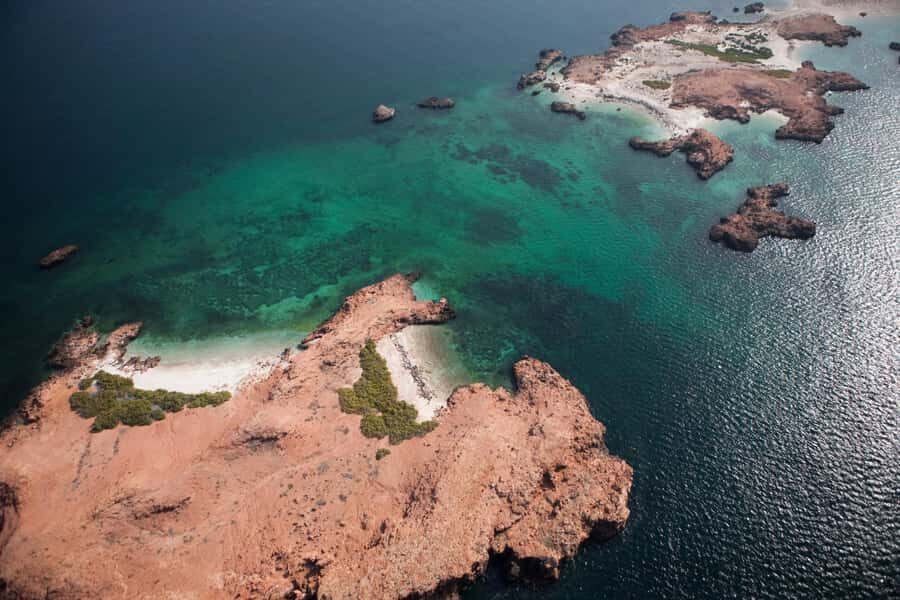
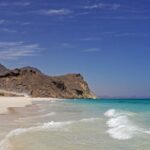
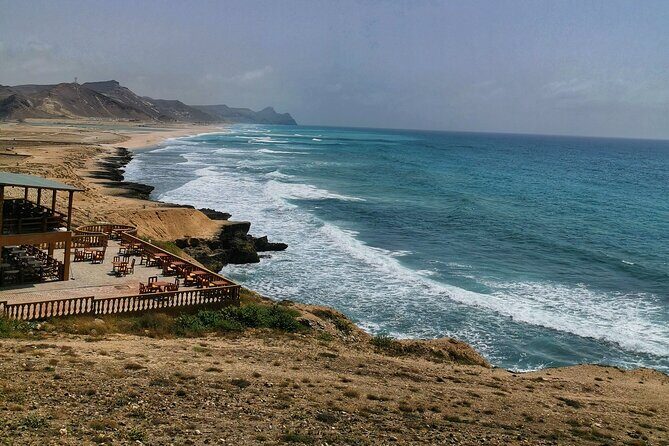
Then the tour turns toward the ocean. Al Mughsail Beach is described as about 5 km long, with white sand meeting deep blue water. The star attraction is the set of natural blowholes, where waves burst up into fountains near the rocky beach.
This is the stop where the weather and timing really affect what you’ll see. Even with a good guide and a set route, the blowholes are a natural show, not a controlled one. If the sea is active, the rock openings can look dramatic. If it’s calmer, the fountains can be smaller.
The tour gives about 40 minutes here, and that’s a good balance: long enough to find a few angles, walk some of the shoreline, and watch the cycles of wave energy. It’s also one of the easiest stops for photos because you get strong contrast—white sand, dark rock, and moving water.
If you’re sensitive to sun, this is also where you’ll feel it. Pack basic sun protection habits the way you would for any coastal stop.
Frankincense trees and a short valley walk for scent
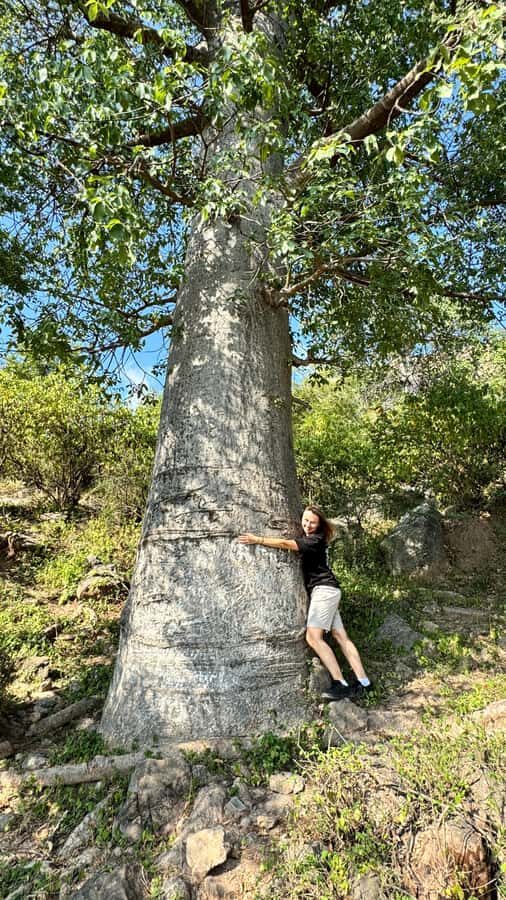
One of the more distinctive parts of this tour is the chance to see historical frankincense trees growing in their natural habitat. You’ll also take a short walk into the valleys to smell the holy incense amid the scenery.
This isn’t just a “look at a tree” moment. It’s a sensory education piece. When the guide points out what you’re seeing and what the trees represent in Dhofar culture, it turns frankincense from a word on a label into something you can connect to place.
The walk is described as short, so it’s not built for hardcore trekking. It’s better for travelers who want meaning and atmosphere without spending hours on uneven ground. The payoff is that you’ll leave with a better understanding of why frankincense mattered enough to shape trade routes and settlements.
Ayn Sahalnoot spring and the Taqah plateau view
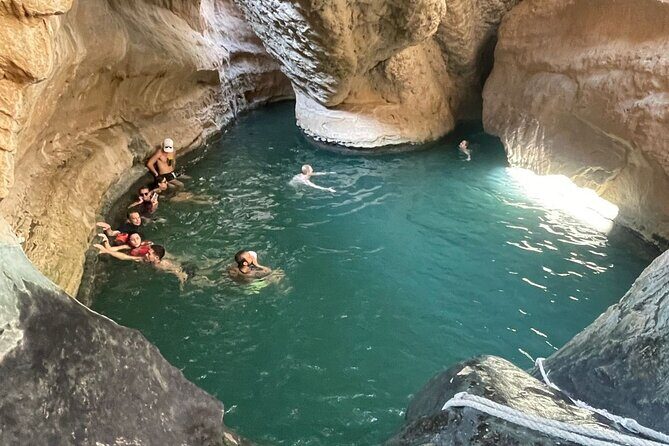
After the frankincense stop, the tour shifts to a natural reset at Ayn Sahalnoot, a natural spring with water. Expect a stop designed for a quick pause rather than a long activity. The timing is about 30 minutes, which is enough to experience it, take photos if you want, and then move on before the day gets too long.
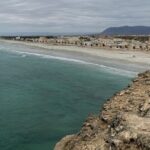
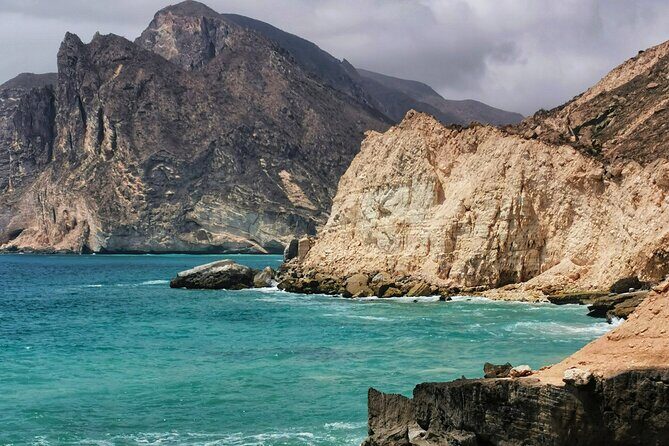
Then you finish with a view at Taqah plateau, described as offering wonderful sights of Taqah beach and cliffs. This is a good closing move because it gives you a wider angle after a day of valleys, ruins, and coastline. You see how the terrain fits together, which makes the earlier stops easier to remember.
Timing here is around 20 minutes, so it’s not a long goodbye. It’s more like a final snapshot: dramatic, practical, and quick enough to keep the day feeling complete.
Price and value: $180 for 6 to 8 hours of Dhofar coverage
Let’s talk value in real terms. At $180 per person, you’re paying for private transport, a guide, and a schedule that covers both sides of Salalah in one day. Bottled water is included, and you’ll have a mobile ticket.
What isn’t included matters: all fees and taxes, plus the OMR 3 entrance fees for Taqah Castle and Sumharam. That means your final total can tick up slightly once you arrive at the paid sites.
Still, the math can work in your favor if you:
- want to hit the core “East plus West” highlights without figuring out logistics yourself
- don’t want to waste time navigating between viewpoints
- value interpretation from a human guide, especially for the frankincense route context
If you’re comfortable driving, and you’re the type who enjoys reading everything and skipping guided explanation, a self-drive day might be cheaper. But if you want the easiest route through Salalah’s main themes—green wadi, frankincense port history, ocean blowholes, and end-of-day views—this price starts to look fair.
What kind of traveler should book this?
This tour suits you best if you want:
- a structured day with enough time at each stop to actually enjoy it
- a route that covers East and West without splitting your trip into two separate planning headaches
- a guide who can handle questions and adjust pace, like the ones named in feedback (Ahmed, Mehmood, Saeed, Salim)
It’s also a solid choice for families and mixed-age groups because the stops are short and varied. You’re not committing to one long hike. You’re sampling Dhofar’s best mood changes: river valley to ancient port, then to ocean force, then to springs and cliffs.
Should you book this East & West Salalah tour?
I’d book it if you want one great day that covers Salalah’s headline contrasts: Wadi Darbat’s khareef-ready greenery, Khor Rori’s frankincense port story, Mughsail blowholes, and the Taqah cliff views. The private format plus flexible guiding makes it feel efficient without feeling robotic.
I’d think twice if entrance fees are a dealbreaker for you or if you’re strongly budget-only and comfortable designing your own driving loop. But for most visitors who want value through time saved and context gained, this is an easy yes—especially if you appreciate guides who can keep the day smooth and scenic from the first wadi stop to the last seaside look.
FAQ
How long is the East and West Salalah private tour?
It runs about 6 to 8 hours.
What places does the tour include?
You’ll visit Wadi Darbat, the Sumharam area (Khor Rohri), Taqah Castle, Al Mughsail Beach and its blowholes, a stop to see frankincense trees and smell incense, Ayn Sahalnoot spring, and a viewpoint at Taqah plateau.
Are entrance fees included for Taqah Castle and Sumharam?
No. The entrance fee for Taqa Castle and Sumharam is OMR 3 and it is not included.
What is included in the price?
The tour includes bottled water.
Is pickup included?
Yes, pickup is offered.
Is it a private tour for just my group?
Yes. It’s listed as private, meaning only your group participates.
When should I book?
On average, it’s booked about 9 days in advance.
Can I cancel for a full refund?
Yes. You can cancel up to 24 hours in advance for a full refund.
Is there a mobile ticket?
Yes. A mobile ticket is included.