Dhofar feels different when you drive east. This full-day private safari connects coast, mountains, and ancient sites into one practical loop, from Taqah’s beach views to the anti-gravity point and the Mirbat dunes. You’ll also get time at Wadi Darbat and Wadi Hannah, plus major heritage stops like Taqah Castle and Sumhuram’s ruins.
Two things I especially like: first, the door-to-door pickup and drop-off (hotel, port, or airport) means you skip the hassle of cabs or self-driving. Second, the day is built for variety without feeling random—your guide ties scenery to local life, and you move by private 4×4 AC vehicle or mini-van/coaster depending on group size.
One key consideration is seasonality. The big wow-factor at Wadi Darbat depends on timing, so waterfalls aren’t guaranteed, and a few stops can feel underpowered in drier months.
In This Review
- Key highlights worth planning for
- East Salalah is best seen as a single, guided loop
- Price and value: what $45 covers, and what you’ll likely add
- Stop 1: Taqah Beach for sea views, bird spotting, and an easy start
- Koofan Heritage House: optional inside, good outside
- Taqah Castle: 19th-century walls made from fossil-rich Taqah stone
- Wadi Darbat: the valley highlight, but plan for seasonal waterfalls
- Teeq Cave / Tawi Atair sinkhole: a fun look with a serious fitness option
- Jabal Samhan: clouds, timelapses, and mountain air above 4,000 feet
- Earth Gravity controversial point: the anti-gravity hill trick in neutral gear
- Wadi Hannah (Hinna): baobabs, natural pools, and Ayn Hasheer waterfall
- Mirbat Sand Dunes: walk the sand, then watch the sunset where dunes meet the sea
- Sumhuram ruins and the Queen of Sheba connection
- Guide impact: why names like Salim, Mohammed Ali, and Hamed matter
- Practical tips so this doesn’t feel rushed
- Should you book East Salalah Mountain Safari with dunes and wadis?
- FAQ
- How long is the East Salalah Mountain Safari?
- Is this tour private?
- What’s included in the price, and what costs extra?
- Is lunch included?
- Are the waterfalls at Wadi Darbat guaranteed?
- How strenuous is the sinkhole trek at Tawi Atair?
- What is the cancellation policy?
Key highlights worth planning for
- Private east-Salalah loop with driver-guide context so stops make sense, not just checklists
- Seasonal Wadi Darbat waterfalls plus optional boating where available
- Tawi Atair sinkhole hike needs fitness if you want to go down into the sinkhole
- Jabal Samhan views over 4,000 feet for clouds, photos, and time-lapse practice
- Anti-gravity hill fun in neutral gear at the Earth Gravity controversial point
- Mirbat dunes meeting the beach at sunset plus a chance to spot camels along the route
East Salalah is best seen as a single, guided loop
This tour works because it’s not just about reaching places. It’s about the route itself—east of Salalah is where you get the mix of coastline, green valleys (when they’re green), dramatic rock formations, and scattered heritage sites. Doing it as a private day trip also means you can start earlier to catch quieter conditions and better light.
What you’re buying with a guided private format is time and coherence. You avoid the mental load of navigation, parking, and figuring out what to look for at each stop. And since your Omani guide speaks English and Arabic (with some other languages sometimes limited), you get local explanations as you go.
You also get practical comfort. The company provides bottled water, and transport is handled by a private vehicle sized for your group (4×4 AC for up to 6 people, mini van/coaster for 7+).
A few more Salalah tours and experiences worth a look

Price and value: what $45 covers, and what you’ll likely add
At $45 per person for a 6–8 hour private day, the value is solid—mainly because pickup/drop-off and transport are included. You also get an experienced driver-guide and bottled water, which reduces the usual “hidden costs” of day trips.
That said, you’ll almost certainly add a little for extras:
- Meals aren’t included (breakfast/lunch/dinner). If you want food, it can be arranged for 5 Omani Rial per person.
- Boating costs extra if you want it (pedal/kayak or motor options where available).
- Entrance fees are not included for some heritage stops. Koofan House is explicitly marked as optional-inside with admission not included, and there can be small on-site fees (the data lists OMR 1 each per person for Koofan House and/or Burj Al Aksar).
The trade-off is that you control which paid options you want. If you’re the kind of traveler who prefers photos over ticket lines, you can keep spending low.
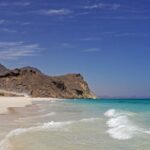
Stop 1: Taqah Beach for sea views, bird spotting, and an easy start
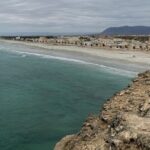
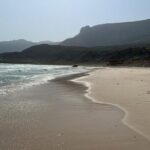
You begin at Taqah Beach, where the famous landmark is the castle—but the shoreline steals a little attention too. This is a free, low-stress stop (around 20 minutes) and a good place to orient yourself to the area.
What I like about starting here is the rhythm. You get open views and a slower moment before the day turns into caves, wadis, and mountain viewpoints. The beach side also offers a great angle for seeing the city view from a distance, and the stop is described as a strong option for bird watching.
If you come in bright midday light, bring sun protection. It’s a beach first, shade later.
Koofan Heritage House: optional inside, good outside
Next up is Koofan Heritage House. Even if you skip the inside, it’s still worth a quick look from outside, since the focus here is traditional style and atmosphere. Entrance inside is optional, and the souvenir shop is a small bonus if you want something local that’s easy to carry.
This stop tends to work best if you like craft, architecture, and everyday heritage—not just monuments. If you’re chasing maximum scenery per minute, keep it light here and let the later nature stops do the heavy lifting.
Taqah Castle: 19th-century walls made from fossil-rich Taqah stone
Then you hit Taqah Castle, one of Dhofar’s major landmarks. The big detail is the material: walls built from solid blocks of Taqa stone, described as local limestone rich in fossilized shells and corals. That’s the kind of fact your guide can point out in a way that makes the place feel less like a stop sign and more like a story.
You’re shown practical areas inside (where available), like a roofless jail, a formal sitting area often called majlis, bedrooms, a kitchen, and storage. There’s also traditional weaponry, jewelry, and everyday household items—plus colorful traditional clothing pieces that help you imagine how life looked here.
This is another stop where admission isn’t included, so consider whether you want to pay to go in. If you enjoy interior context, it’s usually worth it. If you prefer quick exterior photo time, you can keep it brief.


Wadi Darbat: the valley highlight, but plan for seasonal waterfalls
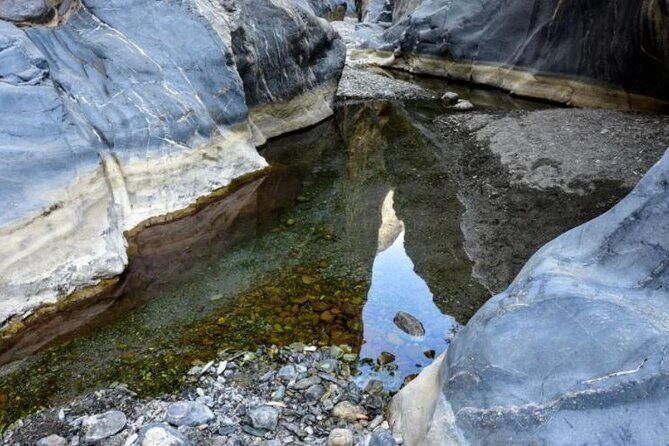
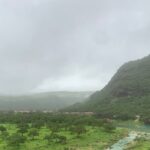
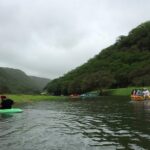
Wadi Darbat is the heart-nature stop of the day. You’re looking for seasonal waterfalls if they’re running during your visit, and you’ll also find a spring area where boating activities may be possible.
The practical value here: even when water is light, you still get the sense of a valley carved for visitors—there’s mention of trekking options from one point in the valley to another. Admission is marked as free, so you’re not paying to simply look.
Here’s the reality check that matters: waterfalls depend on the season. The guidance explicitly calls them seasonal, and the experience notes also include the kind of disappointment you should avoid by timing your expectations. If you’re traveling in drier months, come for the valley views and not for guaranteed heavy water.
If boating interests you, it’s extra-cost. The data lists pedal boating and kayaking options at a per-2-person rate, and motor boating at a different per-group rate. If you’d rather not spend, you can enjoy Wadi Darbat at a slower pace and skip the water activities.
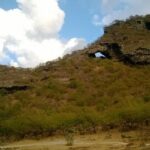
Teeq Cave / Tawi Atair sinkhole: a fun look with a serious fitness option
Next is Teeq Cave and Tawi Atair Sinkhole. This is one of the best-known sinkholes in Dhofar, and it comes with a choice: you can enjoy the area and viewpoints, or you can take the trek down and back up.
The key detail is effort. There’s a trek down that requires you to be physically fit, and the upward trek needs good health. The data doesn’t describe time length in detail here, so treat this as a “know your limits” moment rather than an easy walk.
My advice: if you’re not comfortable with steep, tiring climbs, skip the down-hike and focus on the views at the top. The sinkhole is still impressive from a distance, and you won’t lose the best parts of the day by staying safe.
Jabal Samhan: clouds, timelapses, and mountain air above 4,000 feet
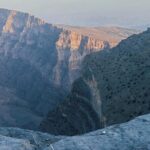
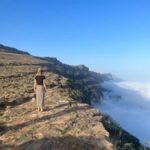
After the sinkhole, the tour climbs into Jabal Samhan, described as the highest point in the Dhofar region, above 4,000 feet. This is where you get the big sky effect—views can be amazing, and if you’re lucky you might see mountains passing below you (the wording suggests dramatic layered views from above).
This stop is also a photo-and-video playground. It’s described as a great place for recording timelapse and getting shots of clouds moving over the mountain.
Even if you’re not a photographer, you’ll probably feel the payoff. It’s a clean change from valleys and caves—open air, distant horizons, and the kind of visual scale that makes the whole day click into place.
Wear shoes with real grip here. Mountain viewpoints aren’t the place for slippery sandals.
Earth Gravity controversial point: the anti-gravity hill trick in neutral gear
Then comes the fun stop: Earth Gravity controversial, often called the anti-gravity point. The gimmick is specific and memorable—cars can travel up the hill on neutral gear.
This isn’t just a roadside photo. It’s the kind of moment where you can watch how the terrain and gravity effect plays out, and your guide can explain what’s happening. It’s short (about 20 minutes), so it fits cleanly into the day without eating your time.
If you’re traveling with kids or people who love odd science-style stops, this is one of the most universally entertaining moments.
Wadi Hannah (Hinna): baobabs, natural pools, and Ayn Hasheer waterfall
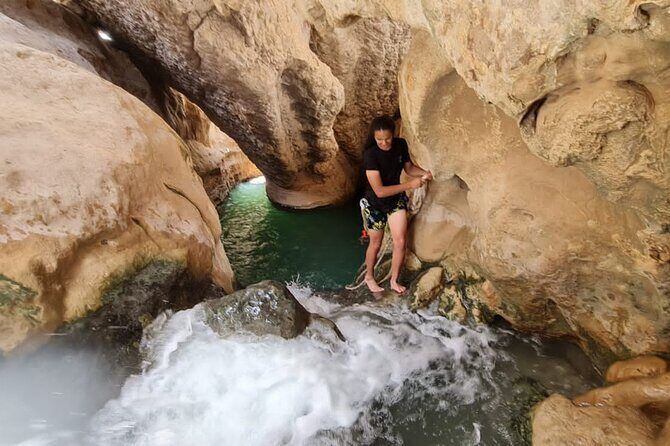
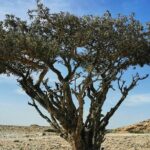
Next you shift to Wadi Hannah, also called Wadi Hinna. This stop is listed for baobab trees, natural water pool, and a waterfall of Ayn Hasheer.
This is one of those spots where the scenery is doing double duty. Even if you don’t get strong waterfall flow, you may still get the pool and a sense of the valley’s character around these unusual trees. It’s also described as a free stop with about 30 minutes on the ground.
Bring patience here. Baobabs and water features are best enjoyed slowly, letting the guide point out the small details you’d miss if you were speed-walking.
Mirbat Sand Dunes: walk the sand, then watch the sunset where dunes meet the sea
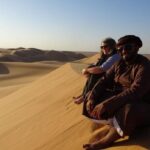
You end at Mirbat Sand Dunes, located on the coastal highway. This is a simple concept with big payoff: you can walk on the sand dunes and then watch the sunset on the beach.
The best part is that the beach and dunes meet each other, creating a clean visual combo for golden-hour photos. It’s about 30 minutes, and it works even if you’re tired, because the final moments of the day are sensory—sound of the surf, wind in the dunes, and that long Salalah light.
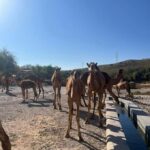
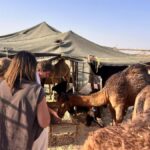
One extra bonus from the experience notes: you might spot camels along the way on this route. That doesn’t replace the dunes, but it adds to the sense that you’re moving through real countryside, not just bouncing between paid sights.
Sumhuram ruins and the Queen of Sheba connection
A major cultural stop in this day trip is Sumhuram’s ruins, described as once a home of the Queen of Sheba. Even if you’re not a “ruins person,” this is worth it because your guide can explain the regional significance and what you’re seeing in plain terms.
This kind of site helps balance the day. Without it, the safari would feel like mostly nature and photo points. With it, the trip starts to feel like a survey of Dhofar’s layers—people lived here, traded here, and shaped the region in ways you can still read in the stones.
Because entrance fees for some heritage sites may apply (and aren’t included), you’ll want to listen to your guide about what’s optional and what’s most important to see.
Guide impact: why names like Salim, Mohammed Ali, and Hamed matter
The difference between a good day trip and a great one is often the guide’s personality and pacing. In this experience, guides you may encounter include names like Salim, Mohammed Ali, Abo Salim, Hamed, Abdulaziz, and Mohammed A.
What stands out across those guide mentions is how they balance driving safely with explaining culture and history. Some guides are noted for being punctual and courteous, and others for continuing beyond the planned route to match requests and stop at extra scenic points.
One practical takeaway for you: if you care about specific photo angles, ask early. Starting with a clear priority—cloud shots at Jabal Samhan, a relaxed Wadi Darbat time, or more coastline views at Taqah—helps your guide shape the day within the time window.
Also, if you’re traveling during a season when waterfalls may be weak, don’t get stuck in disappointment. Ask your guide what will still be best to look for that day.
Practical tips so this doesn’t feel rushed
This is a packed day, so you’ll enjoy it more with simple prep:
- Choose your start time wisely. The earliest departure is recommended for quieter sights and better conditions.
- Bring water and sun protection even though bottled water is provided.
- Wear shoes for varied ground: beach areas, valley paths, and sinkhole terrain.
- Decide how active you want the day to be. The sinkhole hike option is the one that truly has a fitness decision attached.
- Expect some season variability. Wadi Darbat waterfalls are described as seasonal, and the broader region’s water can be minimal in drier periods.
If you’re the type who hates strict schedules, remember this is private. You can still ask for small adjustments, but the timing structure is part of why you see so much in one day.
Should you book East Salalah Mountain Safari with dunes and wadis?
If you have limited time in Salalah and you want the east side in one smart day, I’d say yes, book it. The value is strong for $45 because you get transport, pickup/drop-off, and a guide who connects scenery to local context. The variety is also the point: beaches, valleys, heritage, views, and a fun anti-gravity moment all in one loop.
Skip or reconsider if your main travel goal is guaranteed waterfalls. If you’re going in a drier period, treat Wadi Darbat as a valley stop with possible water, not a waterfall certainty. Also think carefully before committing to the sinkhole down-trek; if you’re unsure about your stamina, keep it at the safe viewing parts.
This is also a good choice for mixed groups—people who like nature and people who like history can both find their moments here, and the final dunes-and-sunset scene tends to land well even on tired faces.
FAQ
How long is the East Salalah Mountain Safari?
The tour runs about 6 to 8 hours.
Is this tour private?
Yes. It’s a private tour, meaning only your group participates.
What’s included in the price, and what costs extra?
Bottled water, pickup and drop-off from hotel/airport/seaport, an experienced English and Arabic guide, and private transport are included. Lunch or breakfast or dinner are not included, boating costs extra, and entrance fees for places like Koofan House and/or Burj Al Aksar can apply.
Is lunch included?
No. Breakfast/lunch/dinner aren’t included, but you can request food for an additional cost of 5 Omani Rial per person.
Are the waterfalls at Wadi Darbat guaranteed?
They’re seasonal. You’ll see seasonal waterfalls if they’re present during your visit.
How strenuous is the sinkhole trek at Tawi Atair?
The trek down into the sinkhole requires you to be physically fit, and the upward trek needs good health.
What is the cancellation policy?
You can cancel for a full refund up to 24 hours in advance. If you cancel less than 24 hours before the experience starts, the amount paid isn’t refunded. The experience also depends on good weather and a minimum number of travelers, and you’ll be offered a different date or a full refund if it’s canceled for those reasons.