REVIEW · SALALAH
Jebel Safari – Tour della montagna
Book on Viator →Operated by DhoIT - Dhofar International Tourism · Bookable on Viator
One day can feel like three different worlds. This mountain-and-coast circuit strings together a traditional Omani house in Taqa, the UNESCO port of Sumhurram, and the dramatic sinkhole scenery around Tawi Attir. What I like most is the way the day balances culture with geology, and then finishes with Mirbat’s Indian Ocean dhow boats. One possible drawback: it’s a full 8-hour rhythm, so you’ll need to accept short stops rather than long hangs at every viewpoint.
You’ll start in the Taqa area, then move through lagoons, ruins, high panoramic spots, and wadi landscapes before returning to Salalah. For an extra human touch, one guide pairing you may hear about is Salim, with coordination support from Geraldina, who can communicate in Italian. The route is built for most people, but comfortable shoes still matter because you’re moving between sites on a long day.
In This Review
- Key Highlights You’ll Actually Feel
- From Governor’s House to Dhow Boats: What This Day Really Delivers
- Taqa’s Traditional Governor House and the Calm Start
- Khor Rori Lagoon: A Water Break in the Dhofar Mountains
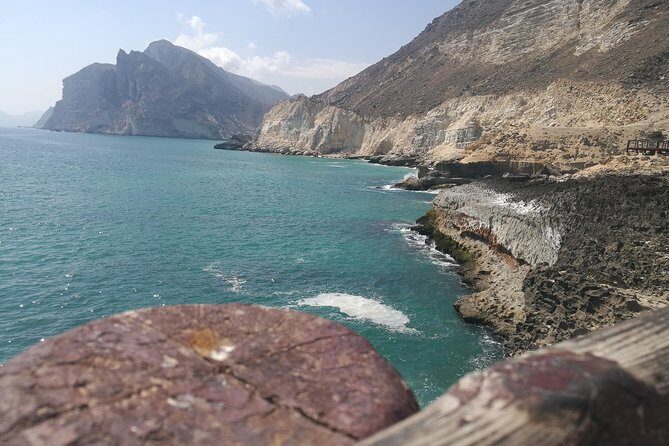
- Sumhurram (UNESCO): Spice Trade Power on the Indian Ocean
- Panoramic Drive Through Dhofar’s Highest Mountain Country
- Tawi Attir and the Sinkhole Spectacle: Bird’s Well, Desert Rose, Dragon Blood
- Highest Panoramic Spot and the Arabian Leopard Reserve Edge
- Wadi Hinna Descent: Where the Baobab Forest Grows
- Mirbat Dhow Boats: A Maritime Finish on the Indian Ocean
- Price and What $502.57 Really Means for Value
- What to Expect on the Ground: Comfort, Walking, and Pacing
- Who This Tour Fits Best (and Who Might Want Something Else)
- Should You Book Jebel Safari – Tour della Montagna?
- FAQ
- How long is the Jebel Safari – Tour della montagna?
- Is pickup offered from Salalah?
- Is this a private tour?
- What’s included?
- Do I get a mobile ticket?
- How late can I cancel for a full refund?
- Is it suitable for most people?
Key Highlights You’ll Actually Feel
- Taqa’s traditional governor house gives you a lived-in look at Omani domestic design before the scenery gets big.
- Khor Rori lagoon + Sumhurram (UNESCO) turns the story of the spice trade into something you can stand in and see.
- Tawi Attir sinkhole area includes the famous bird’s well concept and a landscape where desert rose and dragon blood are part of the plant story.
- Panoramas near the Arabian leopard reserve start point make the mountain part feel purposeful, not just scenic.
- Wadi Hinna baobab forest stop adds a different texture: trees you don’t expect in this kind of region.
- Mirbat dhow boats land the day with a working-water finish, not a museum ending.
From Governor’s House to Dhow Boats: What This Day Really Delivers
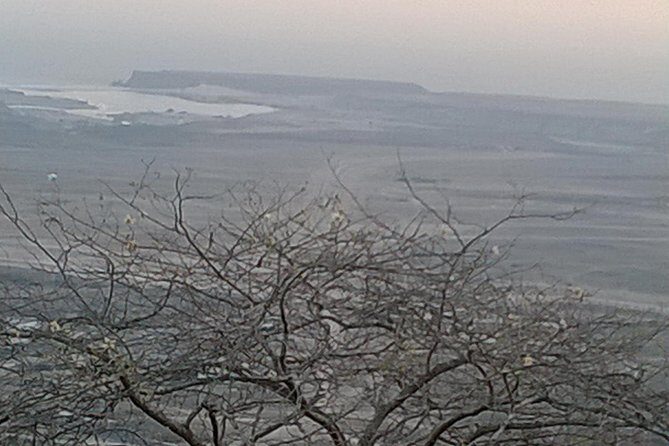
This is the kind of tour that works because it refuses to be one-note. You don’t just drive to viewpoints and take photos. You shift gears several times: home life in Taqa, maritime history at Sumhurram, sinkhole geology, and then a more rural wadi-forest scene before landing in Mirbat for the boats.
I also like how the itinerary is arranged so each stop adds a new layer. Early on, you get context for Dhofar life through a traditional home. Then the day zooms out, geographically and historically, to the Indian Ocean trade network. After that, the tour zooms back in on the landscape—sinkholes, dry-plant zones, and wadi greenery—before returning you to the coast where the day started.
The timing matters too. An 8-hour day is long enough to hit a lot, but it’s short enough that you don’t spend the whole trip sitting on a bus. The tradeoff is that you can’t treat this like a slow hiking vacation. You’ll move. You’ll look. Then you’ll move again.
A few more Salalah tours and experiences worth a look
Taqa’s Traditional Governor House and the Calm Start
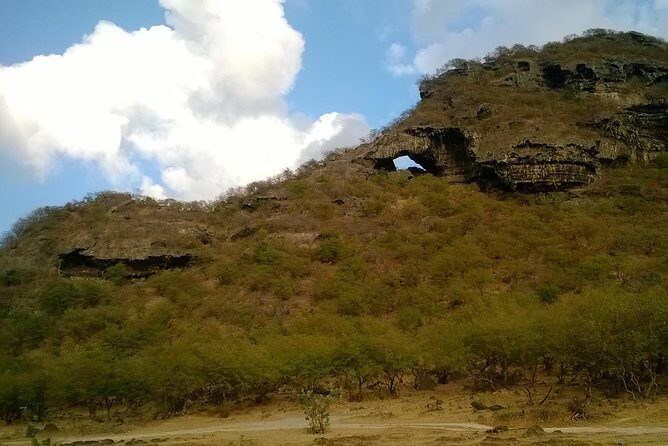
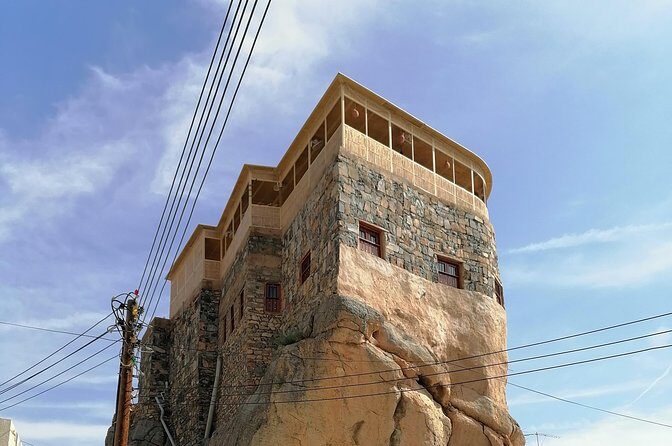
The morning begins with a trip to the village area of Taqa, where you enter an ancient house connected with the governor of the city. This isn’t just a quick exterior photo stop. You step into the interior of a traditional Omani home, which is a great way to start if you want your Oman experience to be more than rocks and ruins.
What makes this opening stop valuable is that it sets expectations for the rest of the day. Once you’ve seen how domestic life has been shaped by climate and space, the later landscape stops start to feel more grounded. You’re not just visiting Dhofar as a backdrop; you’re seeing how people built their daily world in a place that has dramatic terrain.
A small practical point: interior visits can mean shaded, quieter spaces after a travel segment. It’s worth wearing breathable layers, because you’ll likely swing between cooler interiors and brighter outdoor light quickly.
Khor Rori Lagoon: A Water Break in the Dhofar Mountains
Next up is Khor Rori lagoon, a striking change of pace after the village and home interior. Lagoons in this region often feel like an oasis moment—water, light reflection, and birds you might notice near the shore.
Even if you only have a limited window here, it’s a good “reset” stop. The day’s later scenery is all about height and depth (panoramas and sinkholes). The lagoon gives you a different geometry: a calmer horizon line and an easy place to take a slow look.
If you’re the kind of person who enjoys listening as much as looking, lagoons can be a good break. No guarantee on specific wildlife, but the soundscape usually changes the feel of the day.
Sumhurram (UNESCO): Spice Trade Power on the Indian Ocean
Then the itinerary shifts into a big historical chapter at Sumhurram, a UNESCO site. This was a port built by the Kingdom of Hadramout to control the spices trade across the Indian Ocean. That’s a mouthful, but the meaning is simple: this wasn’t a backwater. This was a strategic trading hub.
I like UNESCO sites when they do more than “point and explain.” Sumhurram matters because it connects distance. You can stand in a landscape that once mattered to ocean-going commerce, then later you’ll finish in Mirbat, where fishermen still sail on traditional dhow boats. That connection between historic trade routes and living coastal life is one of the tour’s best narrative touches.
A practical consideration here: archaeological sites can involve uneven ground. You don’t need hiking gear, but shoes with decent grip help, especially if the surface is rocky or dusty.
Panoramic Drive Through Dhofar’s Highest Mountain Country
After Sumhurram, the tour moves into a panoramic tour through the region’s highest mountain area. This is the moment when the day turns “wow” in a more open-air way. The height isn’t just for photos; it’s for perspective. You start to understand why people built towns where they did, and why these landscapes shaped travel, trade, and settlement.
This stretch is also where you’ll feel the pacing most. Mountain driving means time on the road, and your stop windows may be brief. Still, if you care about scale—how valleys fold and ridgelines stack—this part tends to be the highlight for people who like geography as much as sightseeing.
If visibility is clear, these stops reward you. If it’s hazy, you’ll still get the sense of terrain, but the crispness of distance may soften. Either way, it’s worth getting out when the guide stops so you don’t just experience the scenery through a window.



Tawi Attir and the Sinkhole Spectacle: Bird’s Well, Desert Rose, Dragon Blood
Now you get to the tour’s geology theater: Tawi Attir (the bird’s well) sinkhole and the wider sinkhole landscape nearby. The description emphasizes that you’re looking at what’s considered the second largest sinkhole on earth, and the plants tell part of the story too. You can see trees of desert rose and dragon blood.
This is one of those places where the visual logic is obvious once you see it. Sinkholes create microclimates. They catch moisture differently. They shelter certain growth. That’s why the plant scene here feels more specific than the typical dry, scrubby desert view.
If you like “how landscapes work,” you’ll enjoy this stop. Look for where the plants are thriving relative to the sinkhole edges. It gives you a hint of how water movement and shade influence what can live there.
One practical note: sinkhole areas can be bright and open around edges, so bring sun protection. You’ll also want to be mindful of footing if you’re walking on uneven ground near viewing areas.
Highest Panoramic Spot and the Arabian Leopard Reserve Edge
The next phase takes you to the highest panoramic spot, at a point where the national reserve of the Arabian leopard starts. This is not a zoo visit. It’s about the setting—how the terrain supports a wildlife reserve concept and why these mountains matter for conservation.
Even if you don’t see wildlife (no guarantee), the feeling is still the point. You’re standing in a landscape designed by nature for survival, and that changes how you view everything you’ve already seen. The day’s sinkholes make more sense; the need for protecting such habitat becomes more obvious.
And then there’s the best kind of break: picnic lunch at the viewpoint. Eating outdoors while you look at big terrain is a simple pleasure, and it also helps you slow down for a bit when the rest of the day is about motion.
From what I’ve heard people appreciate in this region, the lunch style tends to feel Arabic-style, practical and filling. If you have dietary needs, it’s smart to let the provider know ahead of time so the picnic plan fits your situation.
Wadi Hinna Descent: Where the Baobab Forest Grows
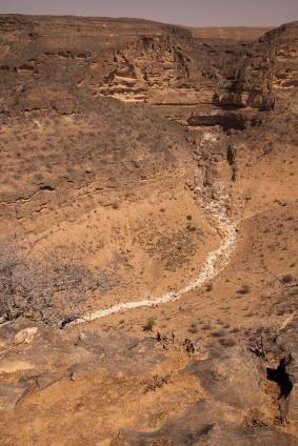
After the mountain viewpoint time, the tour drives down through Wadi Hinna. Wadis are the rhythm section of Dhofar. They’re shaped by water flow patterns, even if the region isn’t always wet in the way you might expect.
The tour includes a stop at the baobab forest that grows there. That single stop can reframe your understanding of the region, because baobabs don’t fit most people’s mental picture of where tall, strange-shaped trees should grow.
This is also where I recommend a small mindset shift: try to look for the “why” behind the vegetation you’re seeing. Even if you don’t have a geology degree, you can notice how wadi zones can support different plant life than nearby open slopes.
Photo-wise, timing and shade help. If the sun is high, you might prefer angles where trees aren’t backlit. Your guide can often point you to nicer viewing spots quickly.
Mirbat Dhow Boats: A Maritime Finish on the Indian Ocean
Before returning to Salalah, the tour reaches Mirbat, a coastal town where fishermen still sail on the traditional boats of the Indian Ocean, known as dhow.
This is a strong ending because it brings the day’s theme full circle. You started with a traditional house. Then you visited a port built to control trade. Now you end with people who still depend on those waters for work. It’s history you can see happening.
If you’re the kind of person who likes watching daily life, Mirbat is a good place for it. Look for how boats are prepared, how people move around docks and shoreline areas, and how the town’s layout supports coastal activity.
Don’t expect a staged performance. This is a working-water scene, so it’s better to treat it like you’re observing a normal day, not a show.
Price and What $502.57 Really Means for Value
The price is $502.57 per group (up to 4 people). That means the real cost depends on how you share it. If you’re traveling with three companions, you’re effectively splitting the day into a lower per-person rate than a solo booking. If it’s just you, you’ll feel the full “private tour” premium more strongly.
So is it good value? I think it can be, because the tour stacks multiple high-value elements in one day:
- Cultural interior visit (the traditional house)
- UNESCO archaeology with a specific trade-history angle (Sumhurram)
- Big-scenery stops (sinkholes, mountain viewpoints)
- A picnic lunch pause (so you’re not scrambling for food)
- A coastal finish tied to real livelihoods (dhow boats)
What you’re paying for is not just transport. It’s the sequencing and the ability to get through a route that would be harder to stitch together smoothly on your own in a day.
If you’re a solo traveler, you might compare whether you’d prefer flexibility with fewer stops. But for a small group that wants a lot of variety without stress, this pricing structure can work well.
What to Expect on the Ground: Comfort, Walking, and Pacing
The tour is listed as private, meaning only your group participates. That matters because it usually makes it easier to ask quick questions, adjust photo time, and keep the day flowing without constant waiting for strangers.
Most people can participate, and service animals are allowed, which helps with planning for those who need that support. Still, you should expect movement. You’ll go from interiors to uneven outdoor surfaces, then to viewpoints and sinkhole areas where footing can vary.
From the way the day is described, the trekking component is likely manageable. If you’re bringing hiking shoes, you’ll feel prepared. If you’re bringing sandals, at least pair them with good grip and expect some rough patches on rocky sections.
Also, keep hydration in mind. An 8-hour outing in mountainous and coastal terrain can mean you’re in sun more often than you think, especially around panoramic stops and sinkhole viewing points.
Who This Tour Fits Best (and Who Might Want Something Else)
This is a great fit if you want:
- A balanced Oman day with culture, UNESCO context, and nature in one loop
- Sinkhole and wadi scenery, not just coastal sightseeing
- A route that ends with something living, like Mirbat’s working boats
It may be less ideal if you prefer:
- A relaxed day with long lingering at only one or two locations
- Pure wildlife spotting as the main goal (this is more about landscape than guaranteed sightings)
If you like variety and you don’t mind a packed schedule, you’ll probably enjoy the way the stops build on one another.
Should You Book Jebel Safari – Tour della Montagna?
I’d book this tour if you’re trying to cover a lot of Dhofar’s character without doing a planning puzzle. The strongest reasons are the mix: traditional Omani home interior, Sumhurram’s Hadramout spice-trade story, the dramatic sinkholes with distinctive plants, and then a finish at Mirbat where dhows still represent daily work on the water.
Skip it only if you’re sensitive to long driving stretches and shorter time at each stop. If you want depth at one single site, you might choose a slower, more focused itinerary.
If your group is up to four people, the pricing can also feel easier to justify, because you’re buying a full-day route that’s hard to replicate as cleanly without a guide.
FAQ
How long is the Jebel Safari – Tour della montagna?
It lasts about 8 hours.
Is pickup offered from Salalah?
Yes, pickup is offered.
Is this a private tour?
Yes. It’s private, and only your group will participate.
What’s included?
Admission tickets are included, and the day includes a picnic lunch.
Do I get a mobile ticket?
Yes, you’ll have a mobile ticket.
How late can I cancel for a full refund?
You can cancel up to 24 hours in advance for a full refund.
Is it suitable for most people?
Most travelers can participate, and service animals are allowed.