REVIEW · MUSCAT
Muscat City Tour
Book on GetYourGuide →Operated by discover oman · Bookable on GetYourGuide
Muscat gets personal with a local guide. This Muscat City Tour threads together modern landmarks and old trading roots, with stops at the Sultan Qaboos Mosque and Muttrah Souq along the way. Expect a day that feels both sightseeing and street-level cultural education.
I especially love the mosque visit because it’s not just pretty photos. You’ll get a focused look at the famous one-piece handmade Iranian carpet, listed at 21 tons and said to hold up to 20,000 worshippers, and you’ll stay for about 45 minutes to really take it in. I also like the food-and-drink rhythm: Karak tea on the way back, plus an extra stop at a local coffee shop for an energizing Omani tea.
One thing to consider: the Royal Opera House has an entry ticket cost of $8 USD that’s not included, and the mosque rules are strict—women need headscarves and both men and women must avoid shorts and sleeveless outfits. Also, the mosque closes for prayer on Fridays, so timing matters.
In This Review
- Key highlights you’ll feel fast
- Pickup, pacing, and how this tour keeps moving
- Sultan Qaboos Mosque: the 21-ton carpet and the “slow down” visit
- Mosque etiquette and timing (so you don’t get turned back)
- Royal Opera House area: modern Muscat in a tidy slice
- Muttrah Souq and Corniche: trading roots, real shopping energy
- Muttrah Corniche: history by the water
- A note on wildlife
- Al Alam Palace and the twin forts: big views, clear photo angles
- Karak tea and Omani tea: the day’s best “taste memory”
- Price and what $80 really covers (and what doesn’t)
- The guide factor: what you should look for on the day
- What to bring so you enjoy the day (not just survive it)
- Who this Muscat City Tour is best for
- Should you book it?
- FAQ
- What’s included in the Muscat City Tour?
- How much does the Royal Opera House entry cost?
- Is lunch included?
- How long do you stay at the mosque?
- What are the dress rules for the mosque?
- When is the mosque open?
- What should I bring for the tour?
- What languages are available?
Key highlights you’ll feel fast
- The Sultan Qaboos Mosque carpet moment: a rare chance to see a design detail most people only hear about.
- Muttrah Souq with time to shop: better than a quick pass-through when you want souvenirs.
- Coastal history at Muttrah Corniche: a waterfront linked to African and Asian trading routes.
- Al Alam Palace photo stop: postcard views with Mirani and Jalali forts in the frame.
- Tea breaks that actually taste local: Karak tea plus a stop for Omani tea at a coffee shop.
Pickup, pacing, and how this tour keeps moving
This tour is built for an easy day in Muscat. You get hotel pickup and drop-off within Muscat, then you’re carried around the main sights by a driver/guide—less hassle, more time looking out the window and asking questions.
The pacing tends to follow a logical order: a major cultural anchor first (the mosque), then a move into arts and government areas, followed by the old-city trading feel of Muttrah. You end with tea, which is a smart close: you’re usually ready for a warm drink by then.
You’ll also be able to communicate easily. The tour runs in Arabic and English, so if you’re the kind of person who likes context (not just photos), you’ll likely get it without struggling.
You can also read our reviews of more city tours in Muscat

Sultan Qaboos Mosque: the 21-ton carpet and the “slow down” visit
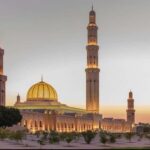
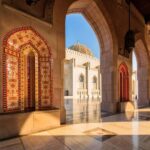
If you only do one stop well in Muscat, this is the one. The tour includes the grand mosque experience at Sultan Qaboos Mosque, and it’s specifically paired with a long enough visit to notice details, not just stand at the entrance.
You’ll spend about 45 minutes inside, which matters. For many visitors, the mosque is the main reason they book—because it’s not only architecture and calligraphy. The standout fact here is the famous one-piece handmade Iranian carpet, described as weighing 21 tons and accommodating up to 20,000 worshippers. Even if you don’t memorize numbers, it’s still the kind of scale that changes how you see the space once you’re standing there.
Mosque etiquette and timing (so you don’t get turned back)
This is where a lot of tours can go wrong if people arrive underdressed or late. Plan around these rules:
- Women must cover their head with a scarf and must not wear shorts, beachwear, or sleeveless outfits.
- Men should wear long trousers.
- The mosque runs daily 8:00 am to 12:00 pm and is closed for prayer on Friday.
If you’re traveling with family or friends and someone is unsure about clothing, sort it out before you leave your hotel. Comfortable shoes also matter; you’ll want to stay relaxed in a place where you’ll likely move around more than you expect.
Royal Opera House area: modern Muscat in a tidy slice
After the mosque, the tour drives through ministries and the Royal Opera House area. Even if you don’t go inside, the area gives you a sense of how Muscat balances tradition with modern civic identity.
Here’s the catch: entry tickets to the Royal Opera House are not included. The listed cost is $8 USD, so if your plan is to tour inside, budget for it in advance. If you’d rather simply see the building from outside and keep the day light, the stop still works as a visual contrast to the mosque and souq.
This part of the day is also useful for your bearings. Muscat can feel spread out, and the drive helps you understand where the city’s cultural institutions sit in relation to the older trading areas.
Muttrah Souq and Corniche: trading roots, real shopping energy
Next comes the heart-and-voice of Muscat: Muttrah Souq. This is the place to go when you want more than a photo stop. The souq is where you can slow down, browse, and learn how traditional industries show up in daily life—perfumes, textiles, crafts, and that constant rhythm of bargaining and chatter.
The best version of this stop is when your guide gives you time to actually shop. In the experiences shared, guides like Ghalib are known for being flexible and allowing extra time at the souq so you can pick souvenirs without the pressure of a rushed schedule. If you like taking your time with textiles or fragrances, this is where you’ll benefit most from a human guide.



Muttrah Corniche: history by the water
After the souq, you’ll head to Muttrah Corniche. This waterfront spot is more than scenic. It’s described as a connection point that used to link African and Asian traders for exchanging goods and commodities by ship.
That trading history changes how you look at the shoreline. Instead of seeing only boats and views, you start picturing the movement of people, products, and languages over time. If you’re the type who likes “how did this place get here?” questions, this stop usually satisfies.
A note on wildlife
One experience included spotting a turtle at the port area. That’s not something you can count on, but it’s a good reminder: if you’re near the water, stay alert with your camera and enjoy the small surprises.
Al Alam Palace and the twin forts: big views, clear photo angles
You’ll also stop at Al Alam Palace, often the most visually dramatic moment of the “front stage” Muscat skyline. The palace sits with the twin Portuguese forts of Mirani and Jalali on either side—an easy-to-understand story element because the geography literally frames the architecture.
This is a great photo stop, partly because there’s so much to include: palace, forts, and the coastline feel. It’s also a moment where your guide’s context helps. You’ll get the idea of how sea power and coastal defense shaped the region long before today’s city streets took over.
Try to time your photos for softer light if you can. Even on a short tour, ten minutes of patience can make the difference between flat shots and images with real depth.
Karak tea and Omani tea: the day’s best “taste memory”
Muscat tours can get cold and fast—then you hit the tea stops and suddenly everything feels warmer, slower, and more human.
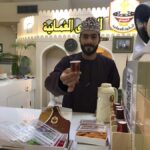
On the way back, the itinerary includes trying local Karak tea. Karak has a comforting, spiced vibe, and it’s an easy way to end the tour without needing a full meal. There’s also an additional stop at a local coffee shop to try an energizing Omani tea.
I like this approach because it doesn’t pretend tea is just a break. It’s part of the culture you’re learning all day: hospitality, flavors people recognize, and the simple rhythm of taking time after sightseeing.
If you’re sensitive to caffeine, keep an eye on how you react to teas. The tour describes it as energizing, so it’s worth pacing yourself.
Price and what $80 really covers (and what doesn’t)
The tour is priced at $80 per person, which is a fair deal if you value a guide and want multiple major sights in one day without coordinating rides yourself.
Here’s what your money includes:
- Hotel pickup and drop-off within Muscat
- Transfer by driver/guide
- Beverages and water
And here’s what’s not included:
- Royal Opera House entry ($8 USD)
- Lunch at a local restaurant (optional)
So the “real cost” depends on whether you plan to enter the Opera House. If you do, add the ticket price. If you don’t, the day stays close to the advertised total.
One more value point: the longer mosque time and the souq experience are where guides make or break the day. You’re not just buying transportation—you’re buying explanations, timing, and comfort with local etiquette.
The guide factor: what you should look for on the day
The quality of a city tour often comes down to the guide’s confidence and preparation. In the best experiences, Ghalib is praised for deep knowledge, friendliness, patience with questions, and flexibility—like adjusting time so shopping at Muttrah Souq feels un-rushed.
In contrast, one unhappy experience described a guide who didn’t know the sites well and seemed to rely on instant internet-style answers. That can turn a cultural tour into a basic drive-by.
What can you do? Ask early. In the first 15 minutes, ask one clear question that requires more than a yes/no answer—something like what you should watch for at the mosque or how Muttrah became a trading hub. A strong guide will answer confidently and add details you can use.
What to bring so you enjoy the day (not just survive it)
This tour gives you a straightforward packing checklist, and I’d follow it:
- Comfortable shoes
- Sunglasses
- Sun hat
Add one practical tip of my own: bring a scarf you’re comfortable with even if you already have one. Mosque dress rules are clear, and having something you like to wear reduces stress.
Who this Muscat City Tour is best for
This fits well if:
- You want a guided day that covers multiple key sights without planning routes.
- You enjoy markets and want to shop with some context, not only browse.
- You care about cultural etiquette and want help understanding what to wear and when.
- You’re short on time in Muscat but don’t want a “see it and leave it” day.
It may be less ideal if:
- You want lots of indoor stops besides the Opera House.
- You dislike structured itineraries and prefer total freedom.
- You’re uncomfortable with mosque dress rules and don’t want to plan clothing ahead.
Should you book it?
If you want a focused Muscat overview with real stops—Sultan Qaboos Mosque, Muttrah Souq, Al Alam Palace, and the tea rhythm—this tour is usually a strong way to spend a day for the money. The biggest reason to book is the way the stops connect: prayer-space scale, modern cultural institutions, and waterfront trading history, all tied together by a guide who can explain what you’re seeing.
Before you go, decide how important the Opera House interior is to you. If you want to go inside, plan for the $8 USD ticket. If you’re mainly there for the exterior and the drive context, you can keep it simpler.
If you book, do one thing that improves the experience instantly: come ready with a couple questions. This kind of tour shines when you treat it like a conversation, not just a checklist.
FAQ
What’s included in the Muscat City Tour?
The tour includes hotel pickup and drop-off within Muscat, transfer by driver/guide, and beverages and water.
How much does the Royal Opera House entry cost?
Royal Opera House entry tickets are not included. The ticket price listed is $8 USD.
Is lunch included?
Lunch at a local restaurant is optional and is not included.
How long do you stay at the mosque?
You stay at the mosque for about 45 minutes.
What are the dress rules for the mosque?
Women must cover their head with a scarf and must not wear shorts, beachwear, or sleeveless outfits. Men should wear long trousers.
When is the mosque open?
The mosque is open every day 8:00 am to 12:00 pm, except Friday, when it is closed for prayer.
What should I bring for the tour?
Bring comfortable shoes, sunglasses, and a sun hat.
What languages are available?
The tour is available in Arabic and English.