REVIEW · MUSCAT
Muscat: Daymaniat Islands Snorkeling Tour with Refreshments
Book on GetYourGuide →Operated by Global Scuba LLC · Bookable on GetYourGuide
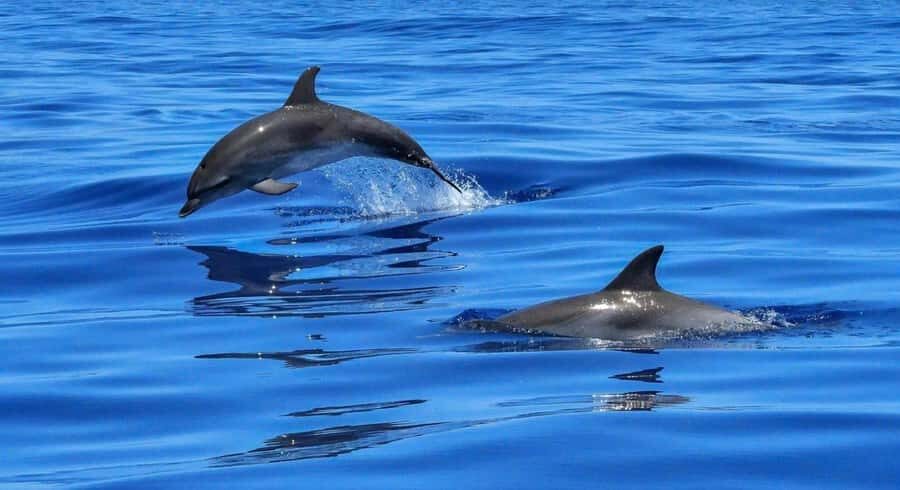
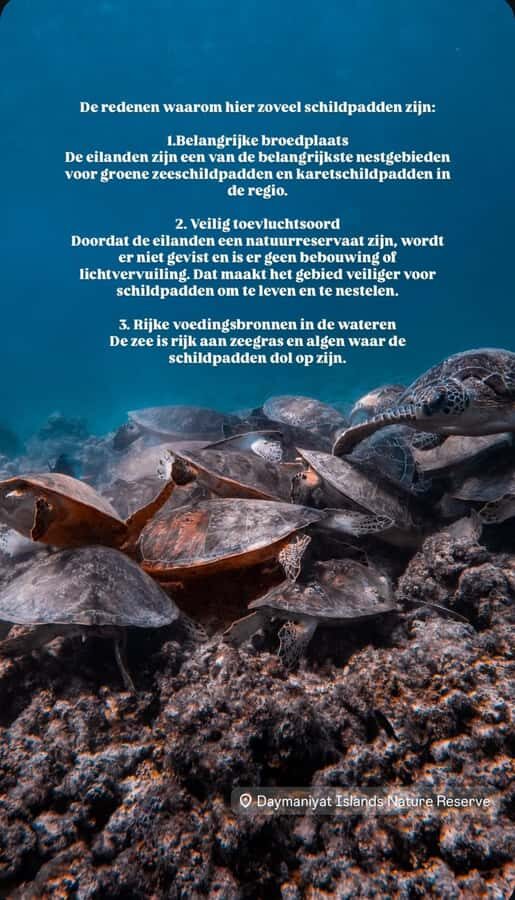
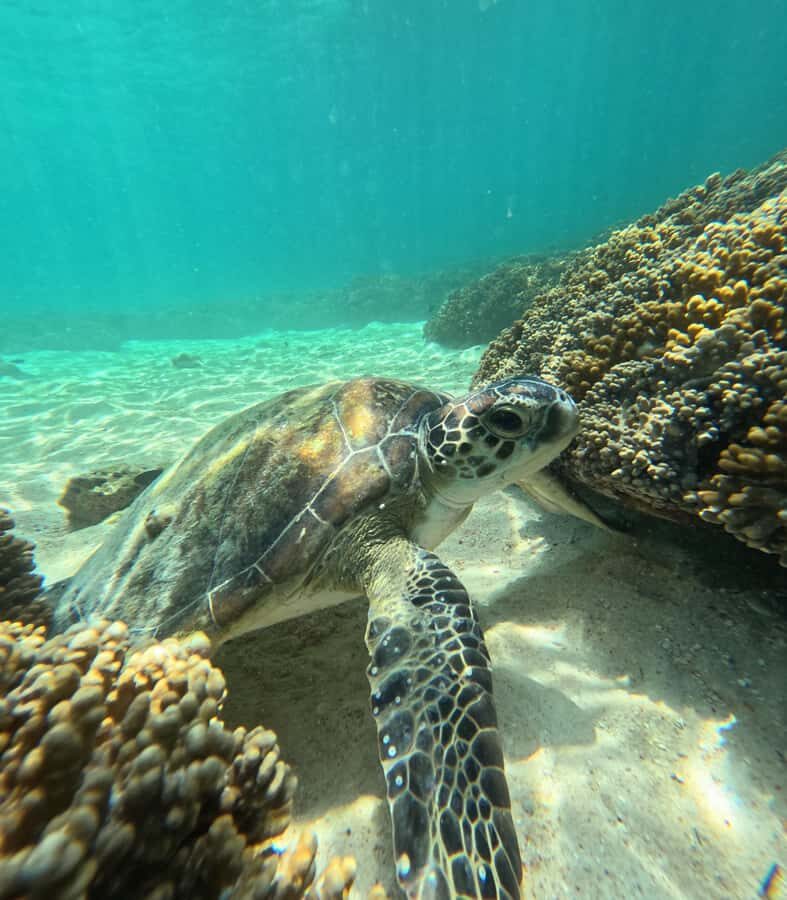
Turtles greet you before you even float. The Daymaniyat Islands Nature Reserve sits in the Gulf of Oman, and this 4-hour trip pairs a quick speedboat ride with snorkeling designed around protected nesting grounds for hawksbill turtles.
I especially like the environment-first approach and the way the crew explains what you’re looking for, including how turtles use the area for nesting. I also like that your snorkeling is structured into two main stops, so you’re not just hopping in once and hoping for the best.
One heads-up: the boat ride can get bumpy when winds pick up, and beach access is seasonal (no shore time from May 1 to Oct 31). If you’re sensitive to choppy water, pick a calmer day and bring good sun protection.
In This Review
- Key things I’d put on your priority list
- Seeb Port to Daymaniyat: the fast Gulf crossing that sets the tone
- Why Daymaniyat feels different: a nature reserve built around turtle behavior
- Your snorkeling flow: two stops built for turtles first, then the wider reef
- What you can realistically see: coral, rays, sharks, and the turtle-star factor
- Boats, guides, and comfort: how the crew helps you have an easy water day
- Packing list and rules: small things that keep the day smooth
- Price and value: is $72 worth it for a protected reserve morning?
- Who should book this Daymaniyat snorkeling tour (and who might not)
- Should you book this Daymaniyat Islands snorkeling tour?
- FAQ
- Where do I meet for the Daymaniyat Islands snorkeling tour in Muscat?
- How long is the tour?
- What’s included in the price?
- What should I bring, and what is not allowed?
- Can I go ashore on the islands?
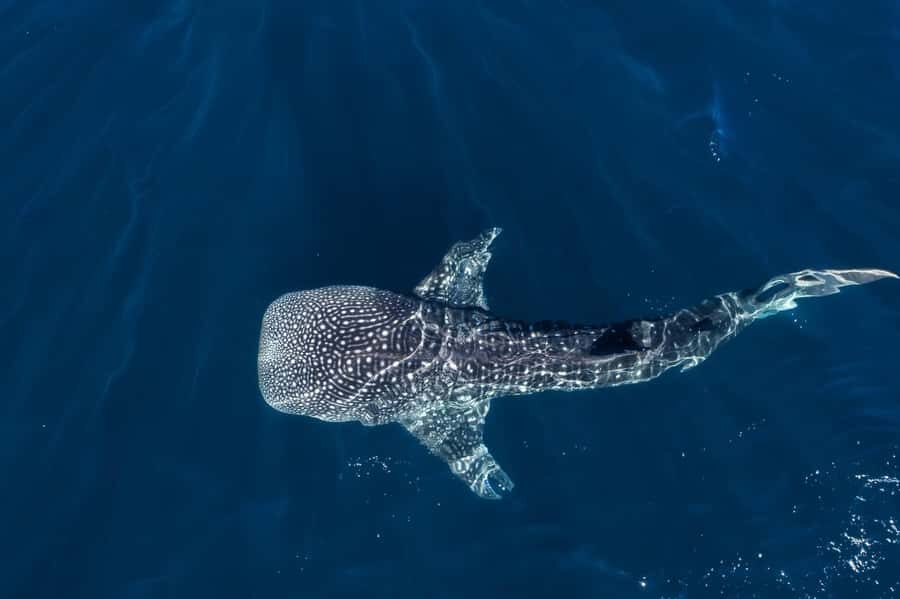
- Is there a chance to see whale sharks?
- Is booking flexible with cancellation and payment options?
Key things I’d put on your priority list
- A protected turtle reserve: Daymaniyat Islands have been protected since 1996, with nesting for hawksbill and green turtles.
- Two snorkeling sites: you’ll snorkel at two different spots, with guidance to help you spot wildlife.
- Reef life, not just turtles: corals plus rays, moray eels, fish schools, and sometimes blacktip reef sharks.
- Seasonal beach rules: you may relax on shore from Nov 1 to Apr 30, but landing is restricted May through Oct.
- Refreshments that actually matter: cold water, juice, snacks, and sandwiches are included.
Seeb Port to Daymaniyat: the fast Gulf crossing that sets the tone
Your day starts at Seeb Port in Muscat, with departure at 8:30 am. The key practical move is simple: get there around 20 minutes early, because the boat schedule is tight and it’s better to wait on land than rush to the ramp.
The ride to the reserve is about 25 minutes by speedboat, and you’ll feel it. Several captains are noted for strong, confident handling (even when conditions get choppy), and the common pattern is that you’re moving quickly through open water before you even gear up. If the sea is windy, expect a more roller-coaster feel than a calm ferry.
Meet-up details can vary depending on the option you booked, so I’d treat the meeting point as a do-this-now task on arrival day. One group noted that the marina area can look more industrial than scenic, with unclear signage, so double-check your exact pickup spot rather than relying on vague landmarks.
You can also read our reviews of more snorkeling tours in Muscat

Why Daymaniyat feels different: a nature reserve built around turtle behavior
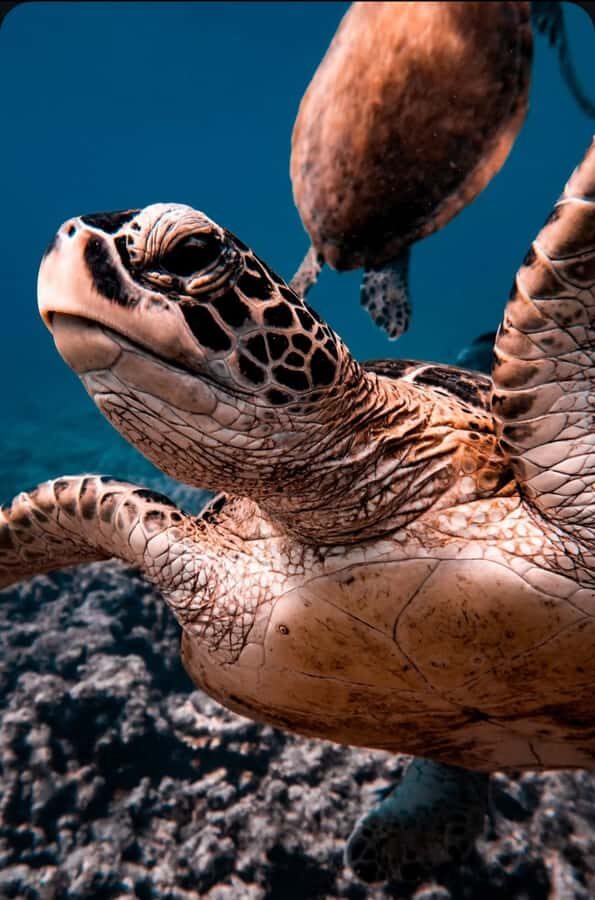
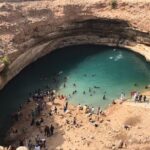
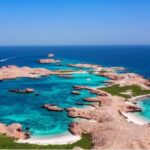
Daymaniyat isn’t an open-access beach party. It’s a nature reserve, protected since 1996, and the rules are there because turtles use these islands for reproduction.
The whole idea centers on nesting habitat for hawksbill and green turtles, plus visiting migratory birds. The island reserve is also connected with the sooty falcon, described as one of the few migratory raptors that nests and breeds in the region. That matters because it means the operators are working with an ecosystem, not against it.
Practically, this translates into how your day is managed:
- you don’t casually wander anywhere you want on shore during restricted months
- you’re steered toward snorkeling areas that make sense for the marine life there
- you’re reminded not to touch animals or disturb the habitat
I like that the tour frames wildlife viewing as something you do with restraint. You’ll get a better experience when you treat turtles and reefs as living places, not photo props.
Your snorkeling flow: two stops built for turtles first, then the wider reef
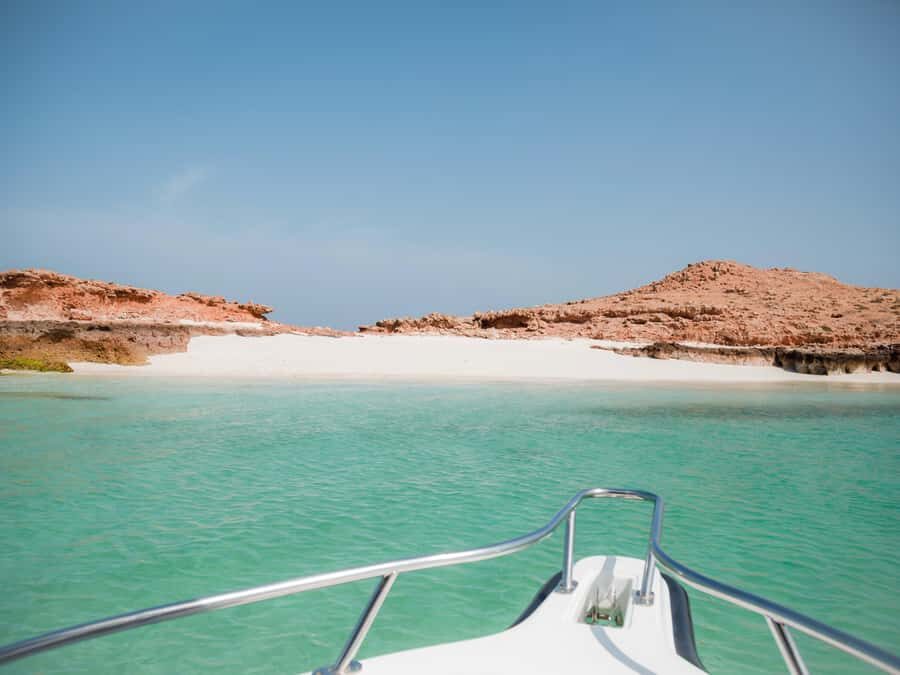
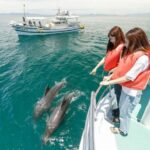
This trip is designed for snorkelers with a clear rhythm. Most of the time is spent on the water, with your gear provided and a guide watching the group so you can focus on what’s in front of you.
Here’s the pattern you should expect:
- First snorkeling stop with turtle chances
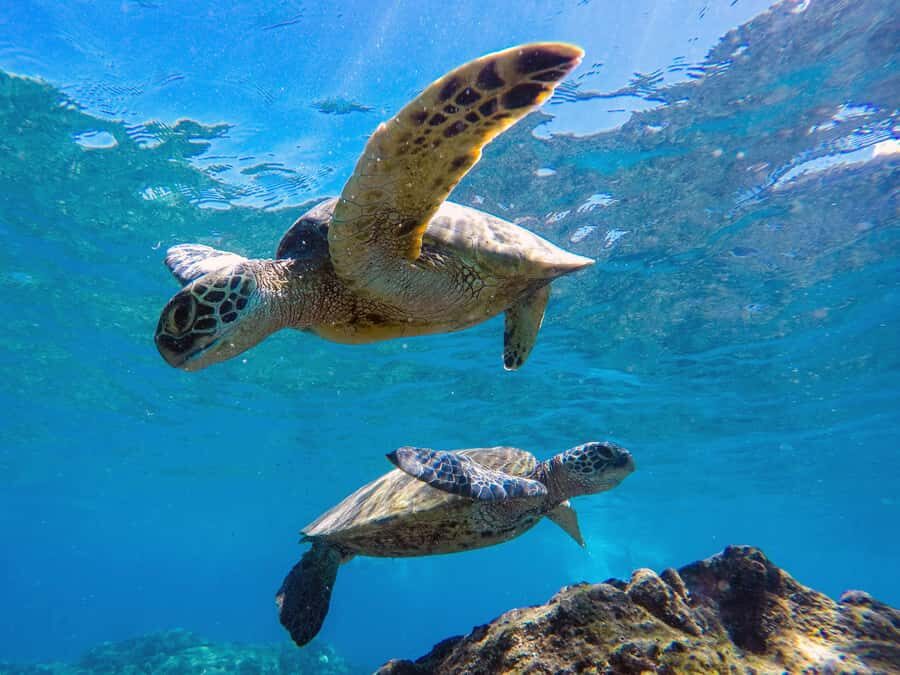
Many accounts highlight turtles early—sometimes a cluster of turtles feeding or resting near coral. It’s the kind of moment where you stop thinking about snorkeling technique and start thinking about observation: slow kicks, steady breathing, and watching rather than chasing.
- Second snorkeling stop in deeper or different habitat
After the initial turtle-focused time, the day shifts to another site. This is where you have better odds of seeing stingrays, moray eels, more coral variety, and sometimes reef sharks such as blacktip reef sharks.
A few guides and captains are specifically praised for choosing spots based on conditions, and that’s a real value. On a reserve with wildlife, the best site isn’t always the same site. If wind and visibility change, a good captain adjusts.
One more point: while the tour information says snorkelers visit two different snorkeling sites, some accounts describe additional time to rest on shore depending on the season. So mentally plan for a mix of snorkeling and downtime, not a nonstop swimathon.
What you can realistically see: coral, rays, sharks, and the turtle-star factor
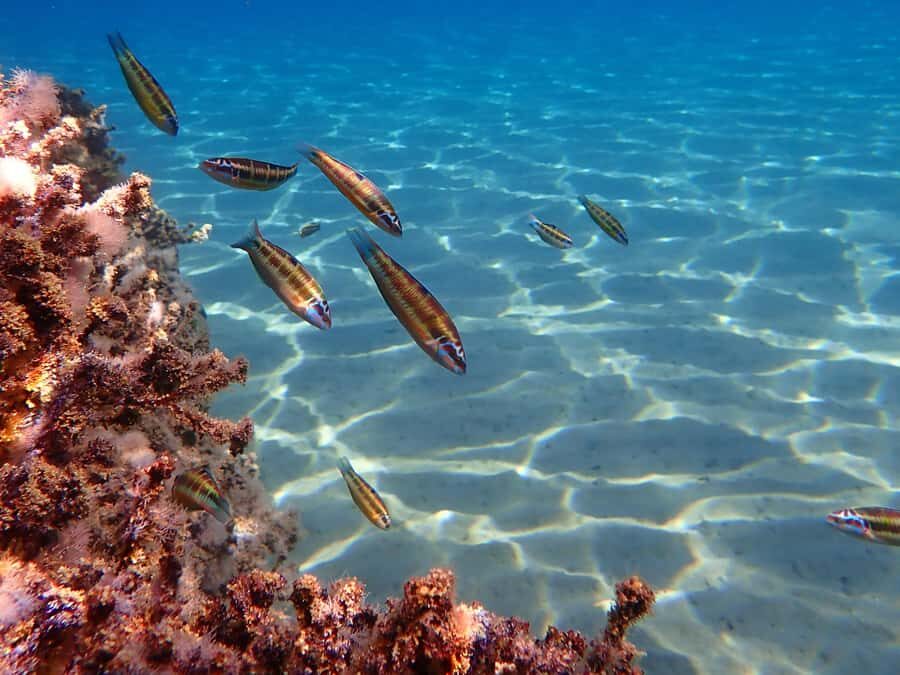
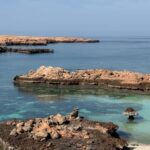
Daymaniyat is about more than checking a box. You’re snorkeling in an area known for a healthy mix of coral and marine life, and your chances improve when you accept that nature does the scheduling.
From the tour details and the guide notes, your likely highlights include:
- Hard and soft corals (good structure tends to mean more fish)
- Turtles throughout the year, with three different species mentioned across seasons
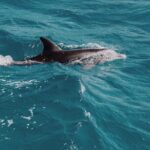
- Honeycomb moray eels and sting rays
- Schools of fish around reef edges and coral clusters
- Blacktip sharks sometimes, depending on the day and conditions
Summer has one more headline item: whale sharks. The tour info says they can be around in summer. One detail I’d take seriously is timing: a guide note in one account suggests whale sharks often arrive later in summer (often August) rather than early July. That doesn’t mean you won’t see them, but it does mean you shouldn’t plan your whole day around a guaranteed sighting.
If you do get sharks, the best way to experience that moment is the least dramatic way: float, look, and give them space. The tour rules back this up—touching marine life is not allowed—and respecting that keeps the encounter more natural for you and for the animals.
Boats, guides, and comfort: how the crew helps you have an easy water day
This is one of those tours where the crew quality changes the experience. Names that came up include Captain Ola, Captain Happy Flower, Captain Fouad, Captain B, Captain Hassan, Abdul Rehman, and Captain Badawi. The pattern is consistent: people felt briefed, supported, and guided toward the better moments in the water.
You’ll get:
- an English-speaking live guide
- snorkeling equipment provided onboard
- time to snorkel at your stops without feeling like you’re constantly being rushed
- drinks and snacks, so your energy doesn’t crash halfway through
You should also plan for sun. Even with cool water breathing feels different when you’re under bright skies for a few hours. A few people stressed that sun protection matters, and it tracks with how long you’ll be outside on a morning boat day.
One small comfort detail worth knowing: life jackets were mentioned as available in at least one account for people who don’t want to tread water. That’s not the same as needing them, but it’s good reassurance if you’re a weaker swimmer.
And if you want to understand what you’re seeing faster, choose a guide-and-captain day that feels communicative. Several accounts praise captains for pointing out wildlife underwater and helping less confident snorkelers feel comfortable.




Packing list and rules: small things that keep the day smooth
This tour is straightforward, but the basics matter.
Bring:
- Swimwear
- A towel
- Sunscreen
What to skip:
- pets
- alcohol and drugs
- touching marine life
Those rules aren’t just paperwork. They protect turtles and reef life, and they also help keep the experience calm. The more you follow the boundaries, the more likely you are to get that slow, magical turtle viewing instead of a chaotic crowd scene.
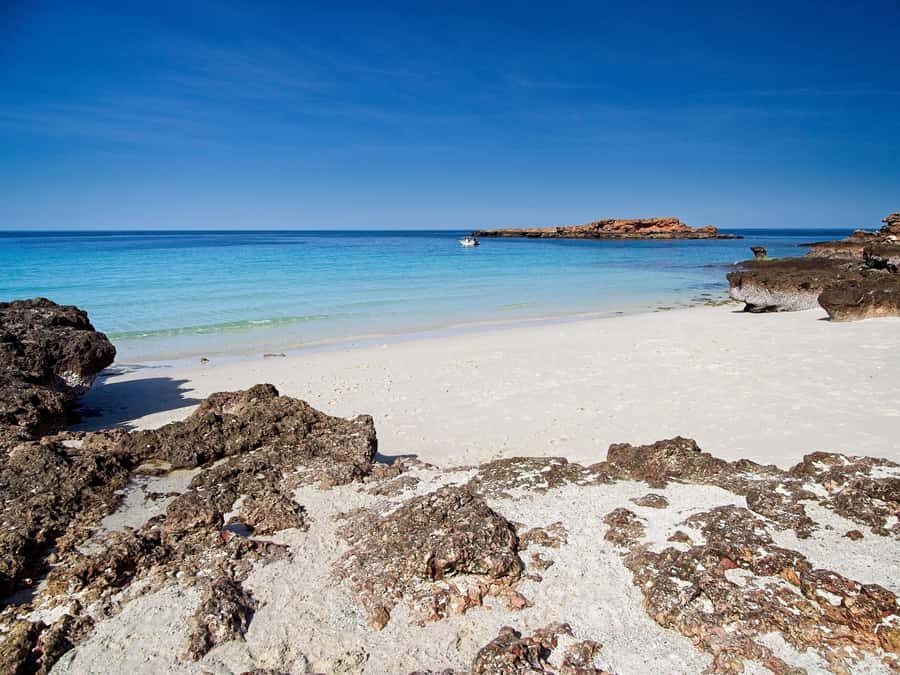
Also keep in mind the seasonal shore access. During the period when turtles are nesting, landing is restricted and visitors are asked not to venture onto the shores. From Nov 1 to Apr 30, visitors are permitted to step ashore and relax on the beaches. Outside that window, you’ll have a more boat-and-water focused day.
Price and value: is $72 worth it for a protected reserve morning?
At $72 per person for a 4-hour (270-minute) outing, this isn’t a budget snorkeling trip. Still, it can be good value if you care about what’s happening in the water—not just the act of snorkeling.
Here’s what you’re paying for that’s more than a generic boat ride:
- speedboat transport to and from the reserve
- snorkeling equipment
- a guide
- Ministry of Environment snorkeling permits
- cold water, juice, snacks, and sandwiches
The permits and restricted-access nature reserve are the big value drivers. You’re not just buying time at a random shoreline; you’re getting access to a protected area where turtle nesting is part of why the experience exists.
How it feels in practice is echoed by the overall ratings: the tour sits at 4.7 with 426 reviews. That doesn’t guarantee your exact sightings, but it does suggest the day-to-day experience is typically well run.
If you’re price sensitive, I’d compare what you’re getting against alternatives that don’t include permits and don’t prioritize turtle-reserve rules. If those are missing, $72 starts to look more reasonable.
Who should book this Daymaniyat snorkeling tour (and who might not)
This tour is a strong match if you want:
- a turtle-focused snorkeling day in Oman
- guided help spotting wildlife
- a short travel window from Muscat (no all-day bus slog)
- included refreshments and snorkeling gear
It’s especially good for first-time snorkelers who want a guided structure. Several accounts mention the crew helping people get comfortable, and the tour’s emphasis on rules helps keep everyone safe.
You might want to think twice if:
- you use a wheelchair (the tour is listed as not suitable for wheelchair users)
- you strongly dislike boats on choppy water, since wind can make the ride bumpy
If whale sharks are your main goal, know that summer sightings are possible but not guaranteed, and timing may matter. Treat it as a bonus, not your core plan.
Should you book this Daymaniyat Islands snorkeling tour?
I’d book it if you want a well-run, nature-protecting snorkeling day in Muscat where turtle nesting is the center of the story. The included snorkeling equipment, English-speaking guidance, permits, and on-board snacks make it feel complete for the time you spend.
But book with realistic expectations. Your best photos and coolest moments come from calm behavior in the water and a flexible mindset about wildlife. Some days you’ll get more turtles, some days you’ll get different reef highlights, and whale sharks are a summer bonus with timing variability.
If you’re prepared for sun, rules, and a speedboat ride, this is the kind of tour that gives you a genuine sense of Oman’s protected marine world.
FAQ
Where do I meet for the Daymaniyat Islands snorkeling tour in Muscat?
You depart from Seeb Port, Muscat. The meeting point may vary depending on the option you booked, so confirm the exact location before you arrive. The tour departs at 8:30 am, and it’s recommended you arrive about 20 minutes early.
How long is the tour?
The tour lasts about 4 hours (270 minutes) total.
What’s included in the price?
The tour includes a guide, snorkeling equipment, speedboat transport to and from the islands, Ministry of Environment snorkeling permits, plus snacks, sandwiches, and cold water and juice.
What should I bring, and what is not allowed?
Bring swimwear, a towel, and sunscreen. The tour does not allow pets, alcohol or drugs, and you’re not allowed to touch marine life.
Can I go ashore on the islands?
From Nov 1 to Apr 30, visitors are permitted to step ashore and relax on the beaches. From May 1 to Oct 31, beach access is restricted, and you’re asked not to venture onto the shores.
Is there a chance to see whale sharks?
The tour info says whale sharks are around in summer. Some accounts suggest they tend to arrive later in summer, so you should treat whale shark sightings as a possibility rather than a sure thing.
Is booking flexible with cancellation and payment options?
Yes. The tour offers free cancellation up to 24 hours in advance for a full refund and also has a reserve now & pay later option.