REVIEW · MUSCAT
5 Days 4 Nights Shared Tour in Oman
Book on Viator →Operated by Oman sharing tours · Bookable on Viator
One trip. Big scenery. Even better, it’s built as a tight loop through Oman’s contrasts. This 5-day, 4-night shared tour starts in Muscat and then strings together wadis, forts, souqs, desert nights, and mountain viewpoints. I like that it doesn’t feel like a checklist—it’s more like a guided highlight reel with real time in the places that matter.
Two things I really like are the focus on Wadi Shab style water-walks (with swimming time) and the small-group set-up capped at 4 people, which makes the route feel smoother and the guide easier to ask questions. A second big plus: you get an English-speaking Omani guide plus bottled water and entrance fees where applicable, so you’re not constantly recalculating what costs extra.
One possible drawback to consider: you’re doing a lot in five days, including hikes and early starts around sunrise/sunset, so if you want a super slow pace or lots of free time, you might feel a bit scheduled.
In This Review
- Key points before you go
- Muscat first: mosque carpets, the Opera House zone, and Muttrah Souq
- Wadi Shab plus Wadi Tiwi: why these water canyons feel different
- Sur, a dhow workshop, and the Ghazal farm before Wahiba Sands
- Jebel Akhdar’s green mountain side and the banana village stop
- Nizwa Fort, Souq, Al Hamra, Misfat, and Jebel Shams at sunrise-time altitude
- Price and value: what your $1,591 per person actually buys
- Who this shared tour suits best (and who might not)
- Smart tips so the route feels great, not rushed
- Should you book this Oman sharing tour?
- FAQ
- How long is the tour?
- Where does the tour start and end?
- Is pickup included?
- What transportation do you use?
- Are meals included?
- Are entrance fees included?
- Is lunch included?
- Is there a guide, and what language?
- Is camel riding included in Wahiba Sands?
- What’s the maximum group size?
Key points before you go
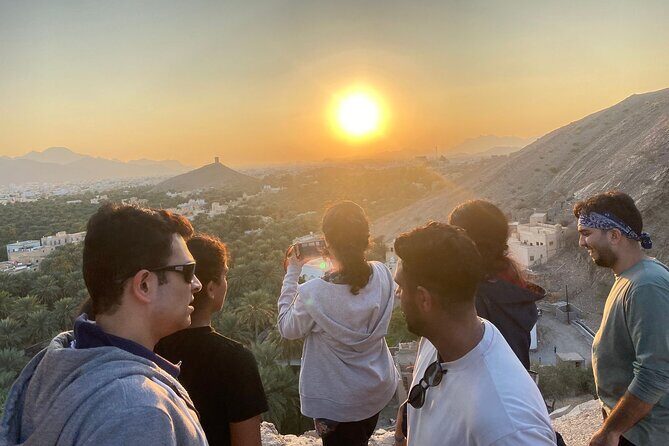
- Max 4 travelers means less crowding and more personal guiding than typical shared tours
- Wadi Shab includes an actual hike and swimming pools, not just a quick look
- Wahiba Sands sunrise and sunset are built into the desert camp day and next-morning start
- Nizwa Fort plus Nizwa Souq gives you both the architecture and the market rhythm in one stretch
- 4WD pickup/drop-off in Muscat area keeps transit simpler between sights
Muscat first: mosque carpets, the Opera House zone, and Muttrah Souq
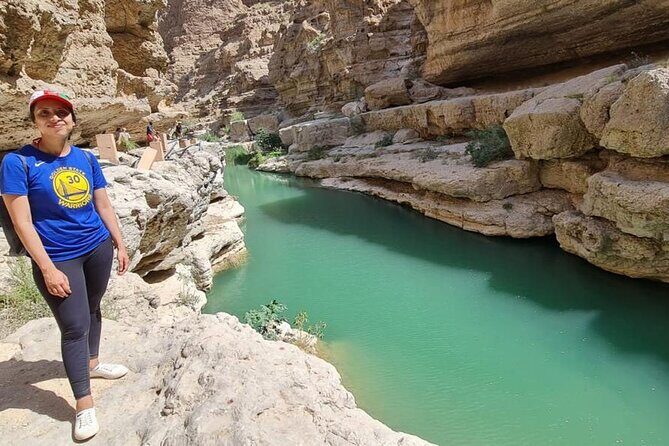
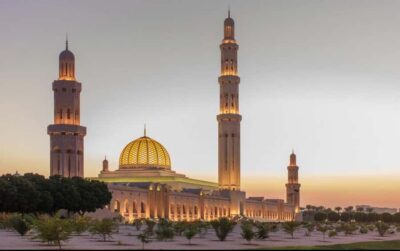
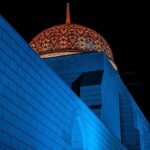
Your tour begins in Muscat, where the day is set up to get you oriented fast and then ease you into Oman’s mix of modern and old. The first stop is the Sultan Qaboos Grand Mosque, famous for its enormous one-piece handmade Iranian carpet—21 tons, and able to accommodate up to 20,000 worshippers. Even if you’re not a mosque person, it’s the kind of scale that makes you pause.
Next comes the Royal Opera House area. You’ll drive through the ministries and the broader Opera House zone, with the tour time including an admission portion. It’s a nice shift from religious architecture to a cultural landmark, and it helps you understand how Muscat positions arts and public life alongside tradition.
Then you get a breather at Qurum Beach as a photo stop. This is one of those “don’t overthink it” moments—use it for quick pictures and to reset, because the day’s next stop is all about heritage.
Muttrah is where old Oman energy shows up. Muttrah Souq is described as one of the oldest marketplaces in the country, dating back about 200 years. Expect a classic souq feel: browsing for souvenirs, watching everyday commerce, and picking up small gifts you’ll actually use later. A short walk through it is often more satisfying than trying to buy everything at once.
From there, you head to Al Alam Palace (Palace of the Flag) in Old Muscat. It was used as a ceremonial palace by Sultan Qaboos, and it sits among the sultanic residences. The stop is short, but it’s a strong “sense of place” moment.
Finally, you’ll do Mirani Fort as a photo stop. This one has Portuguese roots and sits in the harbor area of Old Muscat, which is handy because you’ll see the fort’s relationship to the waterfront setting without committing to a long visit.
Practical take: this first day is mostly outdoors and city walking. Wear breathable clothes and shoes you can get comfortable in quickly. You don’t want to be fighting your feet while you’re trying to soak up souq sights.
A few more Muscat tours and experiences worth a look


Wadi Shab plus Wadi Tiwi: why these water canyons feel different
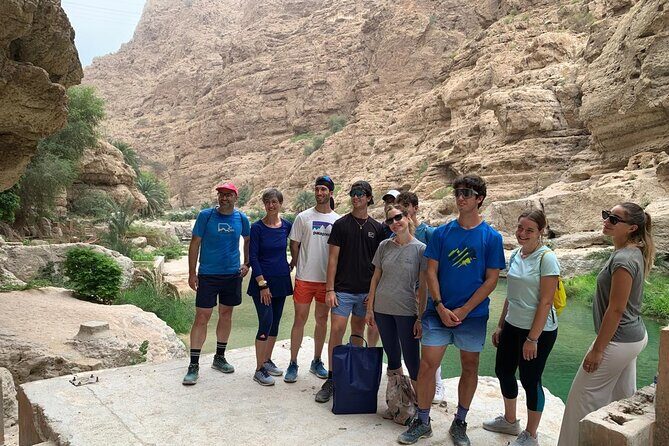
If you ask most Oman fans what they remember most, it’s usually not the palace photos. It’s the wadis—the mountain-carved valleys where water still does the heavy lifting.
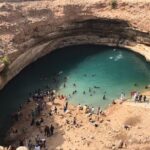
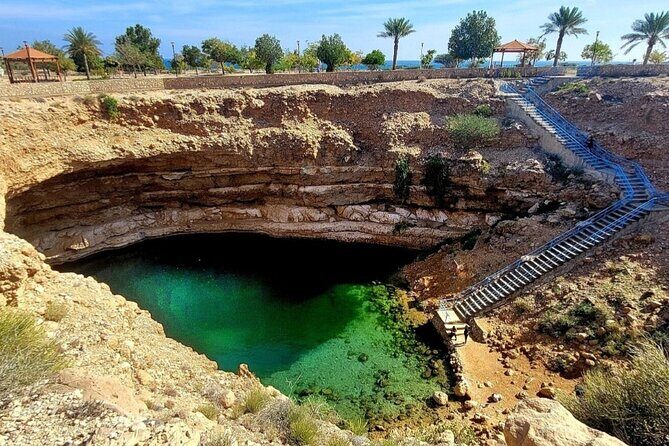
Day two starts with a quick pass-by at Bimmah Sinkhole on the way to Wadi Shab. This is a “camera ready” stop. Think of it as a warm-up: you get the look without sacrificing your time for the main event.
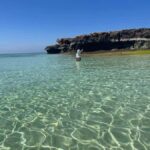
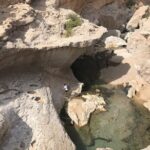
Then comes the star: Wadi Shab. You’ll get about 35 minutes of hiking up through the canyon, lined with palm areas and dramatic signs of how water power shapes the rock over time. The tour includes crystal-clear pools and real swimming options. You can move pool to pool using warm waters, and the highlight is a final swim into a crevice cave where sunlight filters in and turns the water turquoise blue, with a small waterfall showering down.
A key detail here: the included portion lists time as about 3 hours. That’s long enough to feel you’re not rushing, but it’s also short enough that you won’t be stuck all day. If you like active sightseeing, this is the day.
After Wadi Shab, you switch to Wadi Tiwi, which is a photo stop at about 45 minutes. Tiwi gets described as lush and greener than some wadis, helped by the plantation feel and the nearby village context. It’s a change of mood from Shab: slightly lighter on hiking here, more about the look and feel.
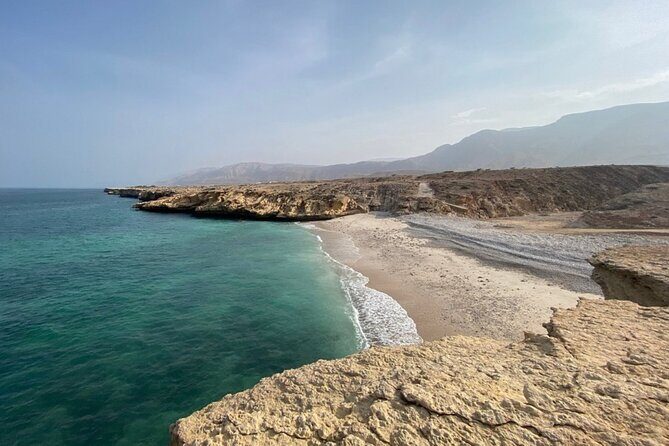
Then you end with Fins Beach—another photo stop. It’s listed as White Sands, so it’s mainly about visuals. Use it as a final reset before the next travel day starts doing serious route miles.
Practical take: pack for water and heat. Even if you’re not planning to swim every time, wadis can involve damp ground and slippery sections. Bring water-friendly footwear or at least shoes that won’t hate you afterward.
Sur, a dhow workshop, and the Ghazal farm before Wahiba Sands

Day three is where Oman turns outward—east to Sur, then into the desert.
In Sur, you’ll see the port-city vibe and why traditional shipbuilding mattered here. The focus includes shipyards that still produce traditional wooden vessels, plus Sunaysilah Fort in the city center. The fort has four defensive towers around a courtyard, which is a detail I love because it gives you something to point out even if you’re just looking from outside.
You also get time connected to the Arabian Dhow Factory, where you can watch traditional wooden dhows being built. This isn’t a museum-style “behind glass” moment; it’s more about seeing craft in process, which helps you understand how the sea links to daily life here.
Next stop is Al Kamil Wal Wafi, paired with a visit to an Omani Ghazal Farm (also referenced as Al Kamel/Asilel Farm). You’ll have time to see the ghazal. It’s not an all-day detour—it’s about 30 minutes, so it’s a neat breather between fort city time and canyon time.
Then you head to Wadi Bani Khalid, one of Oman’s big-name wadis. You get about 3 hours, with included time for swimming, sunbathing, relaxing, and having a picnic in the scenic canyon pools. There’s also mention of emerald pools you can reach with a short walk. This is the kind of place where the “activity” is really the setting—pause, cool off, and let the water time do its thing.
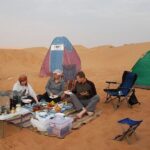
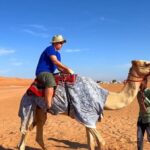
By the time you reach Wahiba Sands, the day has shifted from green canyon to sand heat. You’ll relax at a desert camp, watch the sunset on one of the big dunes, and finish with dinner at the camp. There’s also an optional camel ride, listed at 3 OMR per person, paid directly on-site.
Practical take: if you want the best desert photos, be ready to move with the light. Sunset is short. Don’t wait for perfect timing. Just be positioned and ready.
Jebel Akhdar’s green mountain side and the banana village stop
Day four keeps building altitude and variety. You start again in the Wahiba Sands area with an early sunrise moment—about 30 minutes before breakfast. Sunrise at desert edges can feel quiet in a way that city tours can’t mimic. Even if you’re not trying for photos, it’s worth showing up because the temperature shift is real.
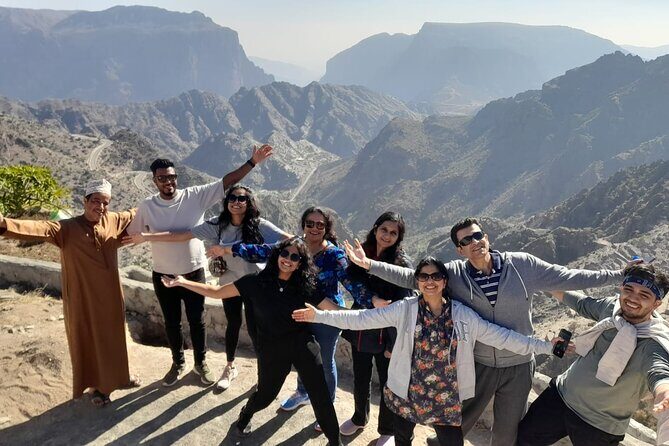
After breakfast, you head to Jebel Akhdar, also called the Green Mountain. It’s part of the Al Hajar Mountains range in Ad Dakhiliyah Governorate, rising to around 2,980 meters and including the Saiq Plateau around 2,000 meters. In practical terms, this is the day you’ll feel Oman’s cooler mountain air compared with coastal or desert zones—so wear layers even in warmer months.
Then the route turns toward Birkat Al Mouz, a village in a mountain face area whose name translates to Banana Pool. It’s described as being home to banana plantations, tucked into that dramatic mountain-wall setting. It’s a short stop, but it helps you understand how agriculture and water storage ideas matter at different elevations.
Next, you visit Nizwa (listed as a stop of about 30 minutes). This is a quick arrival-style moment—enough time to orient yourself for the bigger Nizwa experience that’s waiting the next day.
Practical take: mountain roads and changing temperatures can catch people off guard. Pack a light jacket or layer you can add when the air cools off, especially around early morning starts.
Nizwa Fort, Souq, Al Hamra, Misfat, and Jebel Shams at sunrise-time altitude
Day five is a full-on cultural and viewpoint finale in northern Oman.
You begin with Nizwa Fort, a large 17th-century castle and one of Oman’s most popular historic sites. The focus here is Omani architecture and how it illustrates daily life in earlier times. The visit time is about 1 hour, and the included entrance fee makes it easier to commit without extra payments.
Right after, you go to Nizwa Souq for about an hour. This is a classic market layout: separate blocks for fruit and vegetables, meat, and fish. It’s also a good time to pick up silver craft and other handmade items, especially if you didn’t find what you wanted in Muttrah. The souq is also an older marketplace in the country, so you’re feeling continuity more than a one-off stop.
From there, you head to Al Hamra, a town described as around 400 years old. What makes it interesting is that it grew around an abandoned village. The Al Hamra ruins are described as estimated to be between 700 and 1,000 years old and left untouched. The point of the stop is less about climbing inside everywhere and more about getting a sense of age and abandonment you can feel in the setting.
Next comes Misfat al Abreyeen. It’s a mountainous village at about 1,000 meters above sea level on the foothills surrounding Al Hamra. The name is tied to the Al Abri tribe. The stop is short (around 45 minutes), but the elevation and village style create a different feel than Nizwa’s market square vibe.
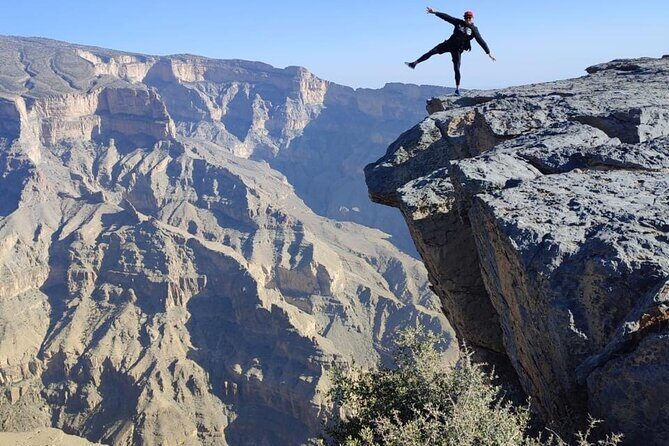
Finally, you reach Jebel Shams, the highest mountain of the Hajar range, known as the first place to receive sunrise in Oman due to its high peak. You’ll have about 1 hour here, and the value is in the viewpoint payoff. Even without heavy hiking described here, the mountain is the main event.
Practical take: if you’re sensitive to altitude or quick temperature swings, keep an eye on how you feel in the mountains. Slow down. Drink water. This route moves fast.

Price and value: what your $1,591 per person actually buys
At $1,591 per person for roughly 5 days (4 nights), this is not a budget “DIY transport only” offer. It’s priced as a guided circuit with transport and key costs handled.
Here’s what you’re paying for that matters:
- 4WD vehicle / comfortable transport across Muscat, wadis, desert camp areas, and mountain roads
- Pick-up and drop-off in the Muscat area, which saves you time and confusion
- English-speaking Omani tour guide, especially helpful with directions, timing, and cultural context
- Accommodation for the 4 nights, with room types arranged for single/double/triple depending on group needs
- Meals included: 4 breakfasts and 3 dinners
- Entrance fees where applicable, meaning key paid stops aren’t surprise add-ons
What’s not included is also important: lunch and gratuity. If you tend to buy lunch every day without a plan, budget that in. And in many parts of Oman, lunch can be a cost you’ll notice quickly if your tour doesn’t cover it.
The standout value angle, though, is group size. With a maximum of 4 travelers, you’re not just buying sights—you’re buying a more manageable day rhythm. That can be worth real money compared to larger shared buses.
If you’re comparing: this is a “guided route with nature highlights” price, not a city-only add-on.
Who this shared tour suits best (and who might not)
This works best if you:
- Want a balanced mix of Muscat city sights, wadis with real water time, desert camp atmosphere, and mountain viewpoints
- Prefer a guided route where you don’t have to figure out intercity logistics
- Like active sightseeing at least some of the time (Wadi Shab includes a 35-minute canyon hike)
It may not fit you as well if you:
- Need lots of downtime or slow pacing
- Don’t do well with early morning options (sunrise in the desert is part of the experience flow)
- Are set on a fully private itinerary (the tour is shared and capped at 4)
If you’re traveling with family or friends and want everything connected with one guide, this is a smart structure. In particular, the guide experience in the feedback highlights patience for families, including a case where a guide named Mr Khalil was praised for being patient and knowledgeable when a young child was in the group. That kind of calm matters when days are packed.
Smart tips so the route feels great, not rushed
- For wadis, plan on water and possible slippery spots. Even if you don’t swim, bring footwear you trust.
- For Wahiba Sands, dress in layers. Desert temperature swings can surprise you from sunset to morning.
- Bring a small day bag for essentials. You’ll do multiple photo stops and a few real walking segments, so having a consistent bag helps.
- If camel rides are on your list, remember they’re optional and cost 3 OMR per person paid directly.
- For markets (Muttrah and Nizwa Souq), set a simple goal: one souvenir type you actually want, and a budget you won’t break.
Also, you can request dietary accommodations such as vegetarian, vegan, or gluten-free when you book. That’s a helpful feature if your meal needs require more than a quick workaround.
Should you book this Oman sharing tour?
Book it if you want a high-value Oman overview that hits the big contrasts: Muscat’s iconic spots, Wadi Shab’s pool-to-pool feel, the desert camp experience in Wahiba Sands, and the Nizwa and mountain finale with Jebel Shams.
Consider skipping or adjusting expectations if you’re chasing a relaxed, days-with-nothing-plan trip. This one is built to keep moving, with active canyon time and sunrise/sunset moments as part of the package.
If you like guided comfort—pickup, English speaking guide, 4WD, key entrances covered—and you’re happy to handle lunch on your own, this circuit makes a lot of practical sense. It’s the kind of tour that helps you see why Oman gets such devoted fans: it’s not only scenic. It’s structured.
FAQ
How long is the tour?
It’s listed as about 5 days (4 nights).
Where does the tour start and end?
It starts in Muscat, Oman, and ends back at the meeting point.
Is pickup included?
Yes. Pickup and drop-off to the hotel/port/airport in the Muscat area is included.
What transportation do you use?
The tour includes a 4WD vehicle / comfortable transport.
Are meals included?
Breakfast is included for 4 days, and dinner is included for 3 days. Lunch is not included.
Are entrance fees included?
Entrance fees where applicable are included, and the itinerary notes free admission tickets or included admission at certain stops.
Is lunch included?
No. Lunch isn’t included.
Is there a guide, and what language?
Yes, an English-speaking Omani tour guide is included.
Is camel riding included in Wahiba Sands?
Camel riding is optional. The cost is listed as 3 OMR per person, paid directly.
What’s the maximum group size?
This tour is capped at a maximum of 4 travelers.