REVIEW · MUSCAT
5 Days – 4 Nights Private Roundtrip Tours – Fatimah Tours
Book on Viator →Operated by Landscape Tours · Bookable on Viator
Oman’s best highlights, packed into five days. This private tour knits Muscat with wadis, desert dunes, and fortress towns, with an English-speaking guide and key admissions included, so you spend less time figuring things out and more time enjoying the scenery.
I love two things right away: the smooth, human guidance from Oman locals (names like Hamood and Mohammed show up in guest feedback, which matches the tone of how the tour is run), and the hands-on nature time, especially Wadi Shab with its gorge walk and swimming pools. It’s the kind of day that doesn’t just pass by photos.
The main trade-off is that it’s fast and full. You’ll do early moments (like desert sunrise), and you’ll want moderate walking comfort; plus lunch isn’t included, so you’ll either rely on stops or budget your own meals.
In This Review
- Key Things That Make This Tour Feel Like Oman
- Entering the Muscat Loop: Why This Route Works
- Price and What’s Actually Included for $1,595
- Day 1: Wadi Shab Pools, Wadi Tiwi Lushness, and Ras Al Jinz Turtles
- Day 2: Sur’s Dhows, Wadi Bani Khalid Swim Time, and Wahiba Sands at Sunset
- Day 3: Wahiba Sands Sunrise, Zukait Tombs, and Jebel Akhdar’s Mountain Air
- Day 4: Nizwa Fort, Nizwa Souq, Al Hamra, Misfat al Abriyyin, and Jebel Shams
- Day 5: Wadi Ghul Photos, Bahla Fort UNESCO, and Jibreen Castle Audio Tours
- Where Comfort Shows Up: Pickup, Rooms, 4WD, and Meal Reality
- Guides, Safety, and the Human Touch That Shows Up
- Who This Tour Fits Best (and Who Should Skip It)
- Should You Book This 5-Day Private Oman Tour?
- FAQ
- How long is the tour?
- Is pickup included?
- Is this tour private?
- What’s included in the price?
- Are meals fully included?
- Is a camel ride included?
- Are desert activities included?
- What kind of rooms are included?
- Do I need a certain fitness level?
- What happens if weather is poor?
- Is there free cancellation?
Key Things That Make This Tour Feel Like Oman
Dedicated private transport, including 4WD, so the desert parts don’t depend on schedules or shared shuttles.
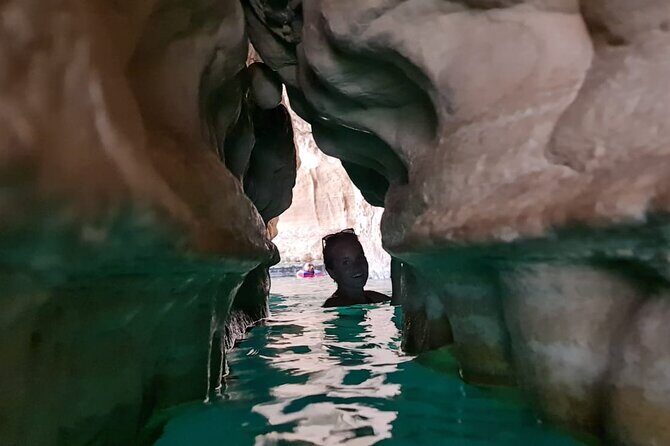
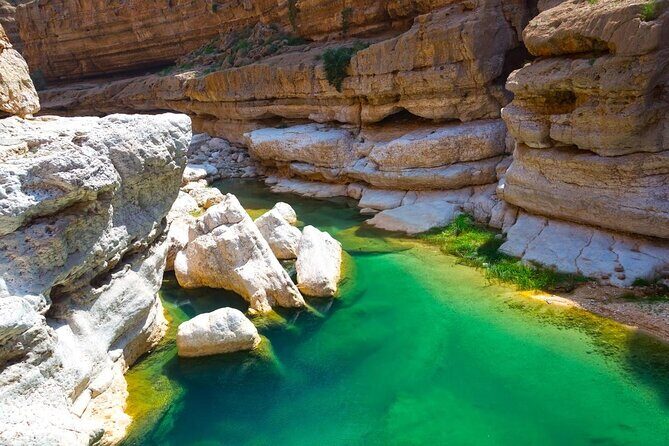
Wadi Shab’s pool-hopping hike, with swimming in crystal-clear water after a canyon walk.
Wahiba Sands sunset and camp dinner, plus optional 4×4 time in the dunes.
Nizwa and the forts/souqs circuit, including Nizwa Fort and Bahla Fort.
UNESCO stops built in, like the Zukait Tombs and Bahla Fort.
Multiple mountain viewpoints in Jebel Akhdar and Jebel Shams, for big changes in elevation and temperature.
Entering the Muscat Loop: Why This Route Works

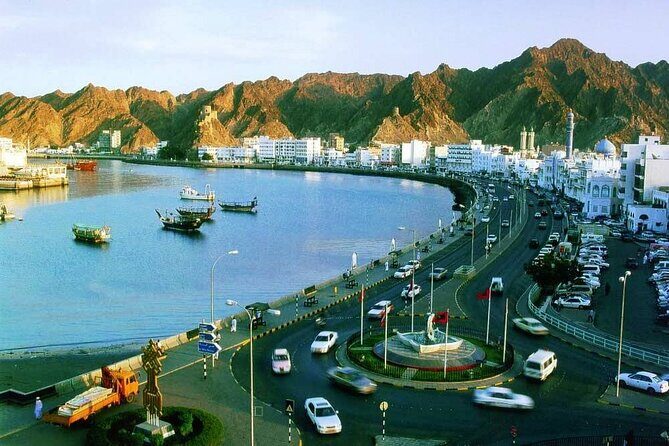
This isn’t a slow “one place per day” kind of trip. It’s a tight loop that takes you from Muscat’s coast region into interior mountains, then swings back through deserts and historic towns. If you like variety—wadis one day, forts the next—you’ll probably feel like you’re getting your money’s worth quickly.
You’ll also like the private format. With a group limited to just your party, you’re not stuck waiting on other people’s shopping habits or pace. That matters most on road-heavy Oman routes, where a couple of hours can feel like a full day if your timing slips.
And the biggest practical win: many entrances are covered, and you get an English-speaking guide. When you’re walking into places with local meaning—forts, souqs, archaeological sites—you get more out of it than just looking at walls.
You can also read our reviews of more private tours in Muscat


Price and What’s Actually Included for $1,595

At $1,595.00 per person, this sits in the “you’re paying for convenience” category. The good news is that a lot is bundled: English-speaking guide, 4WD vehicle, water, entrance fees, and lodging for 4 nights. Meals are also partly included: breakfast is included four times and dinner four times.
That setup can make sense for a few reasons:
- If you’re traveling as a couple or small group, the private vehicle cost is spread out.
- Since entrances and guide time are included, you avoid the “nickel-and-dime” feeling that some tours create.
- You’re not left juggling logistics across multiple regions.
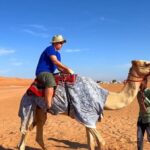
What’s not included matters, too. Lunch isn’t included, and the camel ride is not included (so if that’s on your personal must-do list, plan it separately). Also, you’ll want to bring your own snacks or plan your own lunch stops, especially on longer driving days.
Day 1: Wadi Shab Pools, Wadi Tiwi Lushness, and Ras Al Jinz Turtles
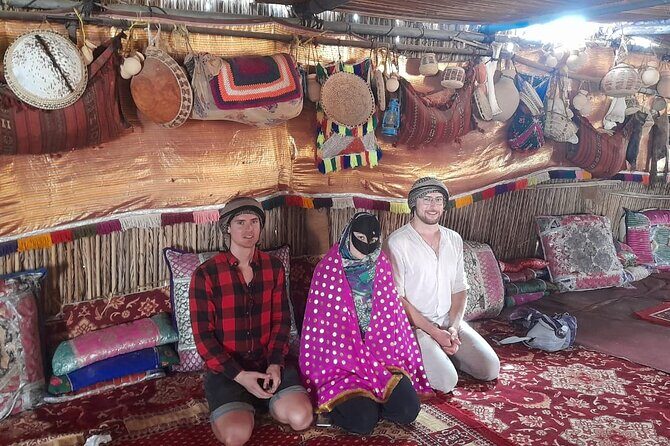
Day 1 is the “water and photos” day, built around Oman’s wadis and the coast-side wildlife stop.
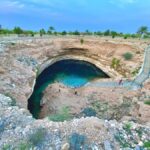
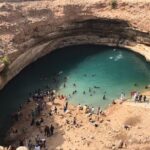
Bimmah Sinkhole is first. This is more of a quick photo pass on the way to wadi country. It’s worth it if you like quick, dramatic natural shapes. Don’t plan on hiking here—think of it as a camera warm-up.
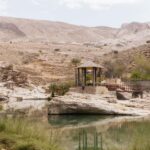
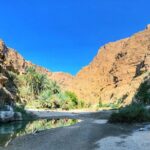
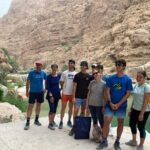
Then you get Wadi Shab, which is the star of the day. You’ll do a walk up through a canyon gorge lined with palms and dramatic rock walls. The time you spend moving matters: you’re in for about a 35-minute hike up to the pools, and the total stop time is around 4 hours. The payoff is the chance to swim in warm, clear pools and move between them until you reach the last area where the rocks open out.
A practical tip: pack for “wet + dry” mode. Even if you don’t want to swim the whole time, you’ll still be close to water, and you’ll want comfortable footwear that can handle uneven ground.
After that, you stop at Wadi Tiwi for a photo break. The description you’re working with here is that it feels greener than many wadis—more lush plantations, a slightly different mood, and another chance to see water-carved terrain from a different angle.
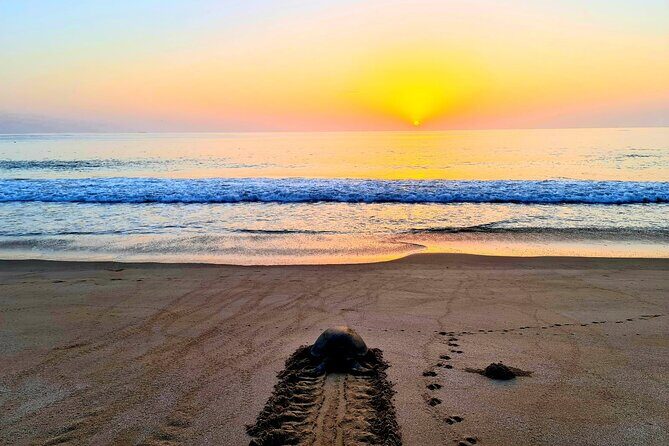
Finally, you end at Ras Al Jinz Turtle Reserve. This is a longer stop, and it’s the wildlife add-on that rounds out a water-focused day. If you enjoy learning how protected coastal areas work, this is a good way to add a different side of Oman to your trip.
Day 2: Sur’s Dhows, Wadi Bani Khalid Swim Time, and Wahiba Sands at Sunset
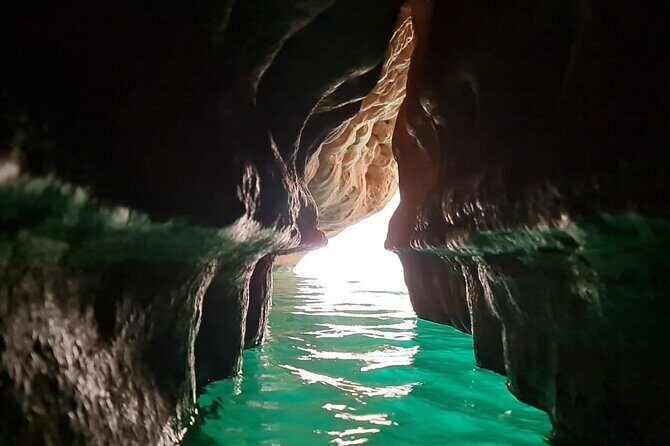
Day 2 shifts you from wadis to sea-port history, then back to big nature energy.
You start in Sur, a port city on Oman’s eastern tip. The stop here is short, but you’ll see the historical flavor: shipyards tied to traditional wooden vessels, plus Sunaysilah Fort with its defensive towers around a courtyard. Even with limited time, it gives you context for Oman’s seafaring past.
Next comes the Dhow Factory. This is one of those places that rewards patience. You’ll get time to see traditional wooden dhows being built, and you’ll also get a fuller sense of how craftsmanship stays alive when it’s still economically relevant.
Then you head to Al Kamil Wal Wafi for a visit connected to an Omani Ghazal Farm. The emphasis here is on spotting the animals and experiencing a working farm environment, not just a quick look.
The day’s nature high point is Wadi Bani Khalid. Expect a bigger, famous wadi system with emerald pools and canyon scenery. You’ll have about 3 hours here, with time to swim, relax, and picnic. There’s also a short walk that leads you toward larger pools. This is a “stay awhile” stop, and it’s a good contrast after Wadi Shab—different feel, similar payoff.
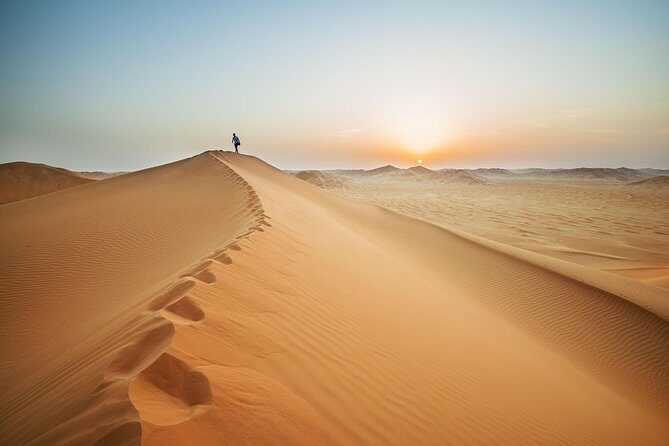
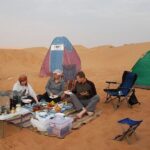
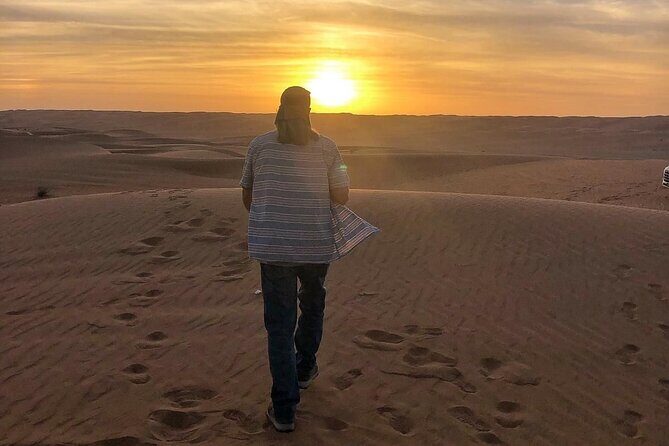
Then it’s on to Wahiba Sands. You arrive at the desert camp where you can relax or join an adventurous 4×4 drive in the dunes. The day wraps around the sunset from a big sand dune, and you finish with dinner at camp and time by the fire.
If you’re the type who wants one desert “set piece” for the trip, this day is built for it. If you’re not, it still works because the wadis and Sur help break up the travel rhythm.
Day 3: Wahiba Sands Sunrise, Zukait Tombs, and Jebel Akhdar’s Mountain Air
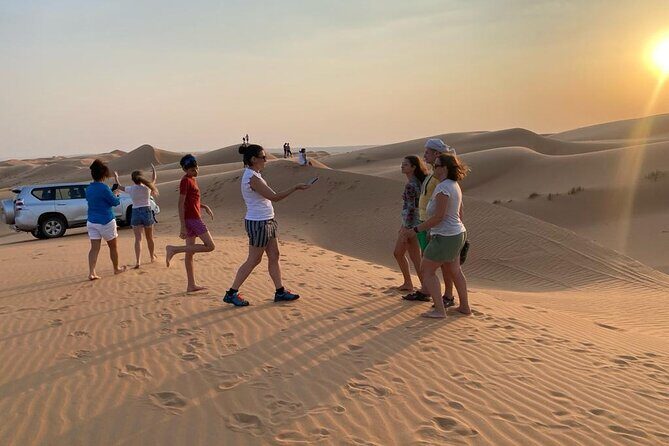
Day 3 is the “wake up for the desert” day.
You start back in Wahiba Sands for an early sunrise from the dunes, followed by breakfast. This is short—about 30 minutes for the sunrise moment—but it’s one of the most memorable times in desert travel because the light hits differently when it’s not midday heat yet.
From there, you go to Zukait Tombs near Izki. This is a UNESCO-marked array of fossilized bronze age landscape, with preserved beehive tombs. The big value here is that it feels like a time-capsule. You’re not just seeing a monument—you’re standing in a mapped archaeological environment that has generated research for decades.
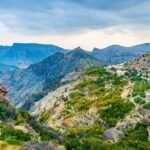
Next comes Jebel Akhdar, often called the Green Mountain. You’ll spend about 2 hours here in the Al Hajar range, including the Saiq Plateau area that sits high above sea level. The point isn’t just views. It’s the change in altitude and temperature. Even if you don’t see one single “wow” thing every minute, the overall mood shift is part of the experience.
After that, you stop at Birkat Al Mouz Ruins, off the old Muscat-Nizwa road. You get the idea of an older village tucked into a mountain face, and the “banana pool” translation adds local flavor for why people settled where they did—water access and agriculture mattered.
Then you finish the day in Nizwa, with about 2 hours to explore the ancient city setting—seasonal river plain, palm plantations, and a town that’s a natural base for Oman’s interior life.
A few more Muscat tours and experiences worth a look




Day 4: Nizwa Fort, Nizwa Souq, Al Hamra, Misfat al Abriyyin, and Jebel Shams
Day 4 is your interior culture and viewpoint day.
First up: Nizwa Fort. This is a prominent 17th-century castle and one of the most popular heritage stops in the region. The included entrance helps you move inside at your own pace, and it’s a good place to understand how forts controlled and protected communities.
Then you head to the Nizwa Souq. This isn’t just an “old market” stop. It’s a functional marketplace where fruit and vegetables, meat, and fish are housed in separate blocks. If you like seeing the everyday side of places (not just the tourist photos), this is where you get it.
You then move to Al Hamra, a 400-year-old town. The key story here is the surrounding abandoned village and the age range tied to the ruins left untouched. The stop is about an hour, which is usually enough time to walk, look closely, and understand the scale without rushing.
After Al Hamra, you go to Misfat Al Abriyeen, a mountainous village at around 1,000 meters above sea level near the Al Hamra area. Again, you’re not just looking at scenery. The village name connects to the Al Abri tribe, so it’s a cultural stop as much as a scenic one.
Finally, you reach Jebel Shams, Oman’s highest mountain in the Hajar range, known as the first place to receive sunrise in Oman due to its high peak. You’ll spend about 1 hour, which works for viewpoint time, photos, and a bit of breathing room away from the traffic schedule.
Day 5: Wadi Ghul Photos, Bahla Fort UNESCO, and Jibreen Castle Audio Tours
Day 5 is shorter on “long hang” and heavier on standout heritage.
You begin at Wadi Ghul, also called Oman’s Grand Canyon area. Here it’s a photo stop only. That means you’ll park, look, take pictures, and move on quickly—useful if you want the signature view without committing to a long walk.
Next you return toward Al Hamra for Bait Al Safah, described as a living museum in the shape of an old Omani house. The point of this stop is to get a feel for how daily life and home layout connect to local building traditions. It runs about an hour.
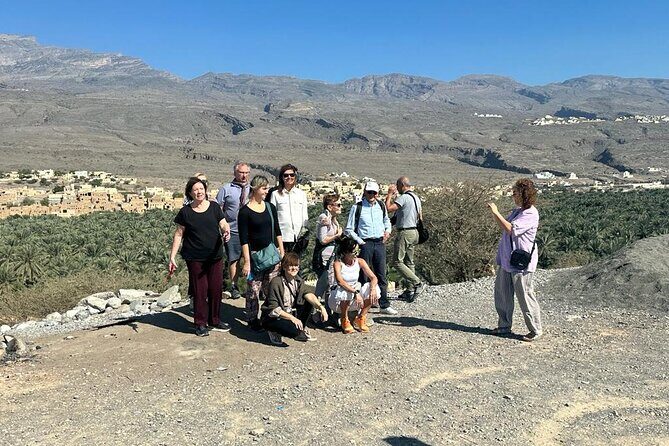
Then it’s Bahla Fort, a UNESCO-listed fortress and one of four historic fortresses at the foot of the Jebel Akhdar highlands. Entrance is included, and the fort reopened in 2012 after massive restoration. One practical note from the tour description you’re working with: visitor information can feel limited once you’re inside, so if you love explanations, plan on asking your guide to fill in the gaps.
You finish at Jibreen Castle, built in 1675, with two towers and rooms with painted ceilings. Entrance is included, and audio tours are part of the experience. For many people, this is a satisfying final day because you get both architecture details and a supported way to understand them.
Where Comfort Shows Up: Pickup, Rooms, 4WD, and Meal Reality
This is set up like a true circuit tour, not a “meet at noon” format. Pickup is offered, and the private vehicle handles the big drives and desert segments.
Lodging is included for four nights, with room options depending on your group size:
- Standard double room for 2
- Standard double room with extra bed for 3
- Two standard double rooms for 4
- Single standard room for 1
Meals are also partly handled. You’ll get breakfast (4) and dinner (4), and water is provided. What you’ll need to manage is lunch, since it isn’t included. If you’re the type who gets hungry and grumpy late afternoon, plan your day around that: pick up snacks or choose quick lunch options when your guide suggests them.
Finally, desert travel is where 4WD earns its keep. Wahiba Sands can be sandy and uneven, and a comfortable vehicle setup makes a noticeable difference in how you feel after a long day.
Guides, Safety, and the Human Touch That Shows Up
What stands out most in feedback for similar tours from this operator-style setup is the role of the guide. You’ll often hear that the guide is kind, helpful, and a careful driver, and that they explain culture and history in a way that makes stops stick in your memory.
Guide names you’ll see connected to this kind of service include Hamood, Khalil, Mohammed, Ahmed Khamis, and Kalfan. Even if your guide isn’t one of those names, the pattern is consistent: someone is steering the day, keeping you on schedule, and adding meaning to what you’re seeing.
It matters because Oman’s interior can feel like a patchwork of places at first glance. With a good guide, each stop connects—wadis feed settlements, forts reflect control, and mountain towns show how elevation changed life.
Who This Tour Fits Best (and Who Should Skip It)
This tour makes the most sense for you if:
- You want a one-week-within-five-days style circuit with lots of variety.
- You enjoy active moments like wadi walking and swimming.
- You like heritage stops: forts, souqs, and UNESCO sites.
- You prefer having planning done for you, including lodging and guide support.
It may not fit if:
- You want lots of downtime or long, slow stays in just one place.
- You don’t want to manage meals since lunch isn’t included.
- You dislike early mornings (desert sunrise happens).
And if you’re traveling with kids or older adults, pay attention to the moderate walking involved at wadi areas and the fact that days are packed.
Should You Book This 5-Day Private Oman Tour?
If your goal is to see a big chunk of Oman efficiently—Muscat area out into wadis and mountains, then desert and heritage towns—this is a strong choice. The built-in value comes from the combination of entrance fees, an English-speaking guide, 4WD, and 4 nights of lodging. That reduces the planning headaches that can otherwise make road trips feel exhausting.
I’d book it if you’re comfortable with a packed schedule and want both nature and history. I’d think twice if you’re chasing a relaxed vacation rhythm or you’re very sensitive to long driving days.
If you do book, come prepared for water + walking at the wadis, and bring a simple lunch plan mindset. That one small adjustment makes the whole trip feel smoother.
FAQ
How long is the tour?
It’s a 5-day tour with 4 nights, running approximately 5 days.
Is pickup included?
Yes, pickup is offered.
Is this tour private?
Yes, it’s private, and only your group will participate.
What’s included in the price?
Entrance fees, an English-speaking Omani tour guide, 4WD vehicle, comfortable transport, water, 4 nights of accommodation (room type depends on group size), and breakfast (4) plus dinner (4).
Are meals fully included?
Breakfast and dinner are included four times each. Lunch is not included.
Is a camel ride included?
No, the camel ride is not included.
Are desert activities included?
You can relax at the camp or take part in an adventurous 4×4 drive in the dunes. It’s described as an option during the desert day.
What kind of rooms are included?
Standard double rooms are included for 2 people, standard double rooms with an extra bed for 3 people, two standard double rooms for 4 people, and a single standard room for 1 person.
Do I need a certain fitness level?
The tour indicates you should have a moderate physical fitness level.
What happens if weather is poor?
This experience requires good weather. If it’s canceled due to poor weather, you’ll be offered a different date or a full refund.
Is there free cancellation?
Yes. You can cancel up to 24 hours in advance for a full refund. If you cancel within 24 hours, the amount paid is not refunded.