REVIEW · MUSCAT
5 Days 6 Nights Private Tour in Oman
Book on Viator →Operated by LocalGuide · Bookable on Viator
Oman moves at your pace on this private circuit. You get a Muscat-to-Nizwa journey packed with real daily-life stops and viewpoints, plus the kind of night experience many trips skip: Ras Al Jinz turtle watching. The only real catch is physical effort on parts like Wadi Shab, which is for travelers with a moderate fitness level and comfort with a long walk and swimming.
What I like most is that the tour is built around local guiding, not a scripted checklist. You’ll ride with professional local guides who can work in multiple languages, and you’ll also get the basics handled (water and 3 included lunches). If you hate being on the move between regions, you should note you’re covering Muscat, Sur area, desert, mountains, and Nizwa in a short trip.
In This Review
- Key Highlights Worth Your Time
- How This Private Oman Route Feels Different
- Muscat Starts With Scale: Sultan Qaboos Grand Mosque and Royal Opera House
- Old Muscat Through Museums and Mutrah Market Lanes
- Wadi Tiwi and Wadi Shab: The Water and Cave Day
- Sur’s Dhow Factory and Ras Al Jinz Turtle Reserve at Night
- Wahiba Sands Overnight: Desert at Human Speed
- Jebel Akhdar: Cooler Mountain Time and Terraced Farms Views
- Birkat Al Mouz Ruins and Falaj Al Khatmain’s UNESCO Water System
- Misfat al Abreyeen and Al Hamra: Clay Villages on the Edge
- Bahla Fort Photo-Stop and Jabreen Castle’s Defensive-Palace Mix
- Nizwa: Fort Victory Shape, Souq Commerce, and Oman Across Ages
- Price and What $2,090.62 Actually Buys You
- Should You Book This Private Oman Tour?
Key Highlights Worth Your Time
- Private group touring all the way: your schedule stays yours, not a shared-bus timetable
- Muscat culture with variety: mosque, opera, museum, and classic souk energy
- Wadi Shab with a cave swim option: fun, but only if you’re up for the walk and water
- Wahiba Sands overnight: desert night time experience, not just a daytime photo stop
- Jebel Akhdar cooler mountain air: terraced farming views above the rest of Oman
- Nizwa Fort + souq + modern museum: history and commerce in the same day
How This Private Oman Route Feels Different
A lot of Oman trips feel like they’re rushing from one postcard to the next. This one feels calmer because it’s private, so your guide can slow down for photos, timing, and questions without waiting on strangers.
You also get a “local reality” mix that isn’t only monuments. In Muscat, you’re not just looking at buildings; you’re walking markets and seeing how trade looks day-to-day. Later, you’re in wadis, desert camp time, and mountain villages where the pace changes from city traffic to walking paths and quiet.
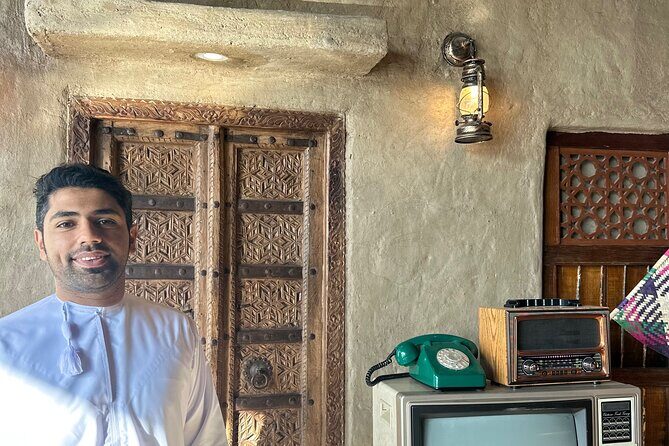
The tone of the experience depends heavily on your guide. Many past groups have highlighted multilingual guides like Issam, and others like Abdullah and Ahmed, for being friendly, punctual, and strong on local context. Even when you’re only at a stop for a short time, the guide’s explanations are what make the places click.
You can also read our reviews of more private tours in Muscat


Muscat Starts With Scale: Sultan Qaboos Grand Mosque and Royal Opera House

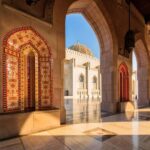
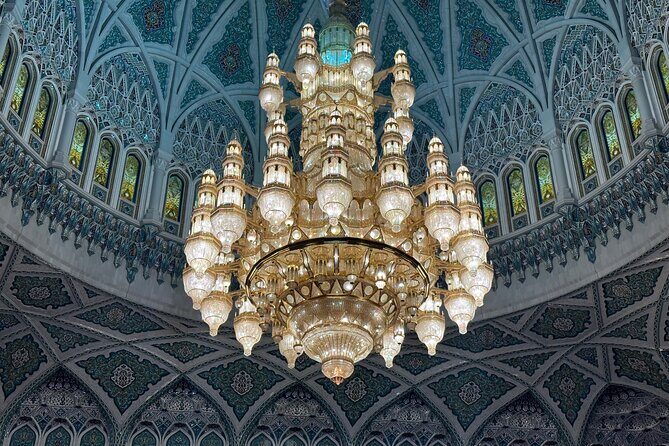
Muscat opens with two big “you’re really in Oman” anchors. The Sultan Qaboos Grand Mosque is free to enter, and the visit is set around 50 minutes. Give yourself a little time for photos, because the mosque sits right in central Muscat and is designed for clear viewing.
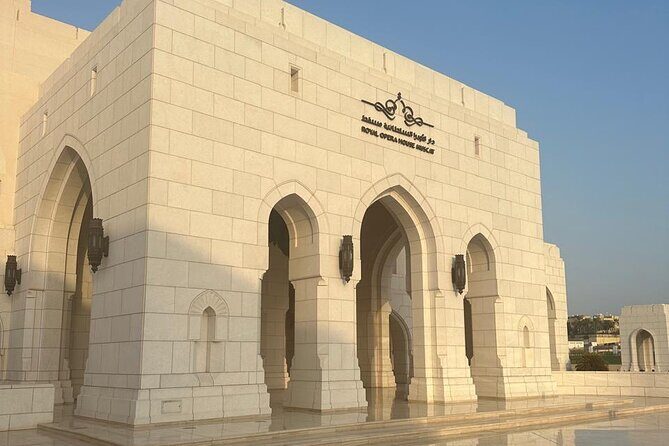
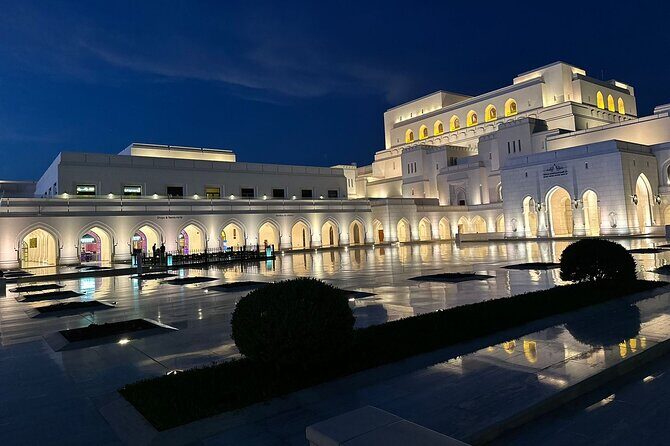
Then comes the Royal Opera House, where the focus shifts from religious architecture to Omani art and modern cultural identity. The stop is about 50 minutes, and admission is included. If you like architecture and design, this is a good balance: you see grand form first, then learn how the country builds culture in a modern way too.
Practical note: mosque visits usually mean you’ll want respectful clothing and a bit of patience for photo timing. The tour handle is straightforward—your guide helps you plan what to shoot and when.
Old Muscat Through Museums and Mutrah Market Lanes
After the grand buildings, the tour moves into Old Muscat mood. Bait Al Zubair is a highlight here: a traditional museum visit (about 30 minutes) with ticket included. It’s a compact way to understand everyday Oman, not just tourist landmarks.
Next you’ll head to Mutrah, with about 1 hour in the old market lanes. This is where you get narrow streets, traditional shop corners, and that classic Muscat feeling that doesn’t need explanation. The tour then adds a traditional Mutrah Fish Market stop for around 20 minutes, where you’ll see locals negotiating and exchanging deals.
Two things to keep in mind. First, markets are best when you walk slowly. Second, fish markets can be busy and active, so stay flexible with timing for photos.
Also included is a photostop at Al Alam Palace area, described as being tied to the Portuguese colonization period in that part of Muscat. You’re not doing a long museum-style visit here, but it’s a useful historical breadcrumb.
Wadi Tiwi and Wadi Shab: The Water and Cave Day
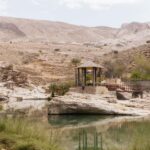
Wadi days are what many people came to Oman for, and this tour schedules them in a way that’s actually logical. Wadi Tiwi comes first, with a light walk and photo time. It’s framed as a mix of cultural village elements with palm trees and wadi water, so you’re looking at nature plus local settlement patterns, not just a scenic gorge.
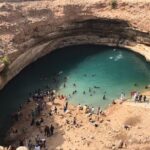
Then comes Wadi Shab. This is the part to treat with respect. The tour includes about 3 hours here, and the key experience is a walk—around 1 hour in, then 1 hour back—ending at a place where you can swim to reach a cave. Ticket admission is included, but the bigger factor is physical comfort.
If you’re not confident in longer walks, or if water-based cave access sounds stressful, you should ask your guide about alternatives. The tour plan explicitly signals there’s an option if Wadi Shab doesn’t fit you. For me, that flexibility matters because it protects the day from turning into a chore.
Sur’s Dhow Factory and Ras Al Jinz Turtle Reserve at Night
After wadis, the tour shifts to the coast and Oman’s seafaring roots. In the Sur area, you visit a dhow factory for about 30 minutes, with admission included. You’re seeing craftsmanship tied to older Omani maritime history, and even with a short stop, it’s a strong change of pace from walking in water and rock.
Then, after an early dinner, you head out for one of the most memorable night experiences on the route: Ras Al Jinz Turtle Reserve. The time set aside is about 1 hour 30 minutes, and admission is included. There’s a short walk and then time to watch the process of turtles laying eggs.
This is not an activity where you rush for photos and call it done. Night wildlife needs calm. If you’re the kind of traveler who likes patient moments and respectful viewing, you’ll probably love this part. If you want action every minute, it may feel slower, but that slow is part of the point.
A few more Muscat tours and experiences worth a look




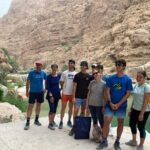
Wahiba Sands Overnight: Desert at Human Speed
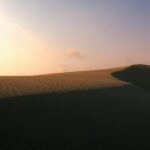
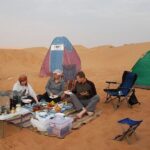
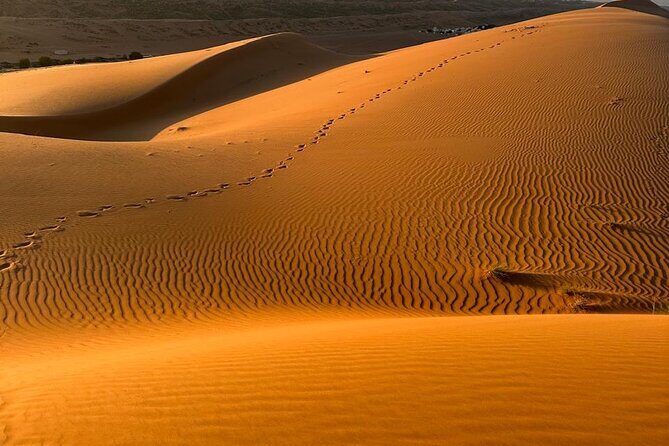
Wahiba Sands is scheduled as a serious desert segment, not just a quick roadside stop. You get about 3 hours here, with overnight time in the desert camp described as part of the experience design. That means you don’t only see dune colors in daylight—you also experience the shift into night.
The tour notes that the desert is famous for dune colors and their shapes, even calling it an 8th world wonder because of those visual qualities. Whether or not you compare it to anything else, the practical benefit is simple: overnight time lets you see the desert when it changes.
Pack for temperature swings. The tour doesn’t list what’s provided for cold, so rely on general Oman desert sense: you’ll want something warm enough for evenings, plus comfortable shoes for any walking on uneven sand.
Jebel Akhdar: Cooler Mountain Time and Terraced Farms Views
After the desert, you head up into the mountains for Jebel Akhdar, described as Green Mountain. The tour allows about 3 hours for a short mountain visit, plus overnighting in the area. This is a smart pairing with Wahiba Sands because it’s a climate and scenery reset: the plan specifically says the mountain air is cooler than the rest of Oman.
The overview mentions terraced farms, and you’ll see why that matters once you’re up there. Terraces aren’t just pretty—they show how people worked with the terrain for water and growing cycles. It’s one of those places where a viewpoint feels educational, not only scenic.
Before you even reach Jebel Akhdar, the route includes a couple of history-and-water stops that connect to how these mountain communities survived.
Birkat Al Mouz Ruins and Falaj Al Khatmain’s UNESCO Water System
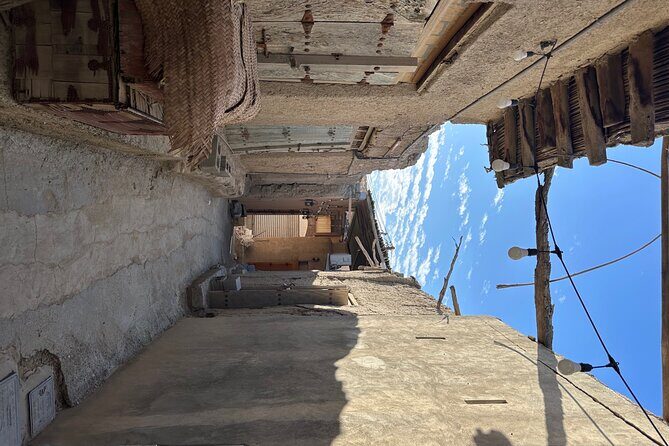
Birkat Al Mouz Ruins takes you into an abandoned old village setting (about 25 minutes). The idea is that you’re seeing how people lived when resources were limited, with the ruins sitting on a chunk of mountainous ground. It’s a short stop, but it gives context for why wadis, irrigation systems, and mountain settlements mattered.
Right after that comes Falaj Al Khatmain, an irrigation system about 10 minutes, noted as part of UNESCO. Even in a brief visit, this kind of stop can change how you read Oman. Instead of thinking of water as background, you start seeing water systems as community survival tech.
Practical tip: wear shoes that handle uneven ground. These are not groomed paths, and you don’t want to cut the walk short just because your footing is annoying.
Misfat al Abreyeen and Al Hamra: Clay Villages on the Edge
On the way to Nizwa, the route adds two village-style stops with strong architecture character. Misfat al Abreyeen is a low-populated village on a mountain height, visited for about 30 minutes. The description focuses on how the village’s buildings blend into the hillside in a way that feels almost seamless at first glance.
Then Al Hamra comes next for about 20 minutes, with ticket-free admission. Here, the big idea is clay-built houses that are still robust against nature conditions. Even if you only have a short time, looking at the shapes and the building materials helps you understand how Oman’s architecture solves real problems—heat, wind, and rain patterns.
If you like walking and photos, these stops are better when you take your time, not when you rush.
Bahla Fort Photo-Stop and Jabreen Castle’s Defensive-Palace Mix
Bahla Fort is part of the route, described as the oldest fort in Oman, within the UNESCO area, and associated with a historical hub of scientists. In the plan you don’t do a full long visit here—it’s flagged as a photostop rather than a long exploration. Still, it’s worth using it as a visual anchor for what kind of fort architecture you’ll see next.
Then you go to Jabreen Castle for about 1 hour, with admission included. This is where the tour shifts into full castle mode: the castle is described as a mix of defensive structure and residential palace, and your guide explains the history on-site. If you enjoy how rulers built for security but still lived with comfort, this stop tends to land well.
Bigger practical note: castles mean stairs and uneven floors in many locations. Bring footwear that won’t slip if the surface feels worn.
Nizwa: Fort Victory Shape, Souq Commerce, and Oman Across Ages
Nizwa is the closing “big culture” day, and it’s built as a balance of fortress, market, and modern storytelling. Nizwa Fort is first, with an internal visit of about 50 minutes and admission included. The fort’s shape is described as one of a kind for the time, and you’ll likely feel the “victory” symbolism just by how it sits and how it was built.
Then the Nizwa Souq arrives for around 1 hour. This is your commerce and everyday culture moment, with traders from different Arabic countries mentioned as part of the market’s flow. Even if you don’t shop, the souq gives you a sense of how the region connects through goods.
Finally, the Oman Across Ages Museum is included, with about 1 hour inside. It’s described as a modern museum inaugurated in 2023. It’s a good choice for travelers who want a structured way to connect all the older sites you’ve seen with a clearer timeline of Omani eras.
If you’ve been walking and climbing all trip, this is a welcome indoor reset.
Price and What $2,090.62 Actually Buys You
At $2,090.62 per person, you’re paying for a private format plus a guided route that mixes paid admissions, multiple regions, and several guided stops. The value shows up in three places.
First, you’re not just buying transportation. You’re buying professional local guides in multiple languages, so you can ask questions at the exact moment they make sense—like how water systems work in the fort and village areas, or what the opera house represents in Omani culture.
Second, the plan includes water and 3 lunches, which saves you daily decision fatigue and helps keep your day moving.
Third, the experience includes a long list of stops where admission tickets are included (and some places are free, like the mosque). That matters because it makes the trip feel more predictable day-to-day.
The only cost-risk is the part not fully spelled out here: accommodation coverage is implied by the tour name (5 days/6 nights), but the only “included” items listed are guides and meals. When you book, confirm exactly what the 6 nights cover so you don’t get surprised.
Should You Book This Private Oman Tour?
I’d book this if you want Oman with a guide who can switch between history, daily life, and nature days—without dragging you through rigid group schedules. The biggest selling points are the mix: Muscat’s heritage stops, wadis with real physical effort, Wahiba Sands overnight, Jebel Akhdar mountain time, then Nizwa’s fort-and-souq combo.
Don’t book it if you want a mostly flat, low-walking trip. Wadi Shab can be demanding, and the tour also expects you to have at least moderate physical fitness for the overall route.
If you do book, one smart move is to tell your guide your comfort level before Wadi Shab. The plan explicitly allows for alternatives, and good guidance is often what turns a tricky activity into a great day.