REVIEW · MUSCAT
muscat city tour with pick up SMALL GROUP 7 PEOPLE MAX
Book on GetYourGuide →Operated by Octopus oman · Bookable on GetYourGuide
Muscat can feel big and spread out, but this 4-hour small-group tour is a fast way to get your bearings and see the city’s big landmarks without getting stuck in traffic. I love the tight group size (max 7) because you get real time to ask questions, not just a rush-by photo line. And I especially like how the stops go beyond one famous spot and connect Muscat’s faith, arts, and trade in one loop.
You’ll also want to factor in one possible drawback: some places depend on the day. On Fridays, the mosque and opera house are closed, so the tour swaps in Muttrah Fort and Qantab viewpoint instead, which can change what you’ll be able to see in that moment.
In This Review
- Key Things You’ll Notice on This Muscat Tour
- 4 Hours in Muscat: Small-Group Setup and the Real Value
- Sultan Qaboos Grand Mosque: More Than a Beautiful Building
- Royal Opera House Muscat: Omani Architecture With a Public-Open Feel
- Bait Al Zubair Museum: Culture You Can See, Touch, and Contextualize
- Al Alam Palace: Great Photos From the Gates
- Muttrah Souk: Frankincense, Perfume, and Practice Haggling
- Guide Matters: How Hawwa, Yusuf, Salam, and Mohammed Change the Day
- Timing, Tickets, and Day-Of Expectations
- Who This Tour Fits Best (And Who Might Want Something Else)
- Should You Book This Muscat City Tour?
- FAQ
- How long is the Muscat city tour?
- Is hotel pickup included?
- How big is the group?
- Are the Royal Opera House and Bait Al Zubair Museum entrance tickets included?
- What happens if I’m touring on a Friday?
- What language is the guide?
- Does the tour provide sunblock?
Key Things You’ll Notice on This Muscat Tour

- Max 7 people keeps the pace human and the conversation easy
- Sultan Qaboos Grand Mosque impresses with details like the hand-loomed Persian carpet and huge chandelier
- Royal Opera House Muscat shows how Omani design meets classical arts
- Muttrah Souk gives you the real shopping vibe, including frankincense and easy haggling
- Bait Al Zubair Museum focuses on everyday culture through objects like the Khanjar dagger and dhow models
4 Hours in Muscat: Small-Group Setup and the Real Value

This is a hotel pickup Muscat city tour that runs about 4 hours with a live Arabic/English guide. The group size caps at 7, which matters more than people think. In a city like Muscat, where sights are spread out and signage isn’t always simple, smaller groups usually mean less stress and more actual learning.
At $100 per person, you’re paying for guided time plus transport, with a structured route that hits major highlights. The best value comes from the mix: a grand religious landmark, an arts venue, a museum collection, a royal palace viewpoint, and then the souk where local commerce still drives the atmosphere.
One more practical thing: it’s a shared tour, so you’re not choosing your fellow passengers. That said, the shared format is also what helps keep the experience accessible while still feeling personal with a guide at the center.
You can also read our reviews of more city tours in Muscat


Sultan Qaboos Grand Mosque: More Than a Beautiful Building
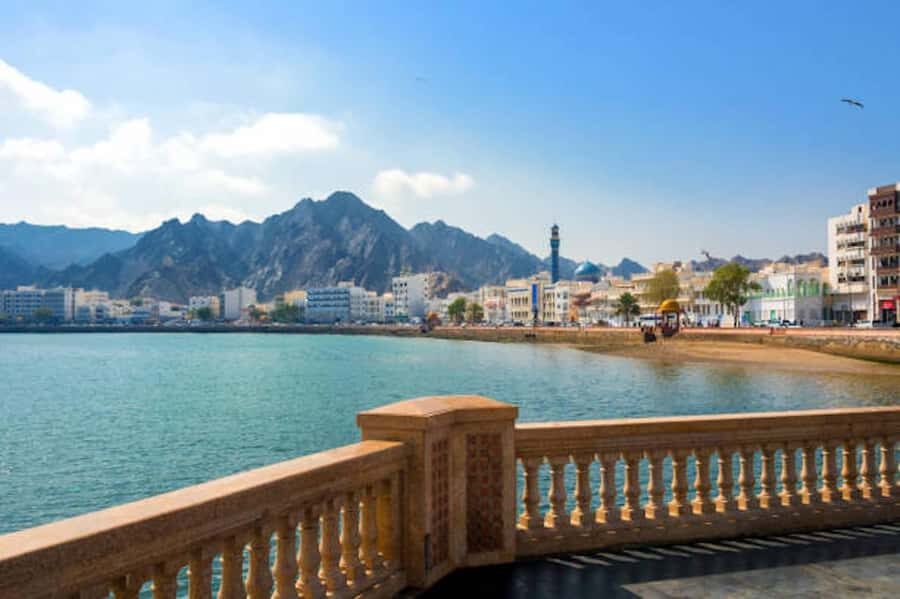
The Sultan Qaboos Grand Mosque is the kind of place that makes you slow down without trying. It was completed in 2001, built using 300,000 tons of Indian sandstone, and it can accommodate up to 20,000 worshippers. I love that the guide doesn’t treat the mosque like a single photo point—there are specific details worth seeing up close.
Look for the hand-loomed Persian carpet, described as the world’s second-largest of its kind, woven by 600 women over four years. Then there’s the world’s largest chandelier, which turns the main hall into something you feel rather than just see. Even if you’re not religious, the scale and craftsmanship give you an instant sense of how seriously Oman treats beauty and devotion.
A heads-up for planning: on Friday, this stop won’t run because the mosque is closed for visitors. If your trip lands on a Friday, don’t panic—your route is adjusted to keep you seeing Muscat, just with different landmark stops.
Royal Opera House Muscat: Omani Architecture With a Public-Open Feel
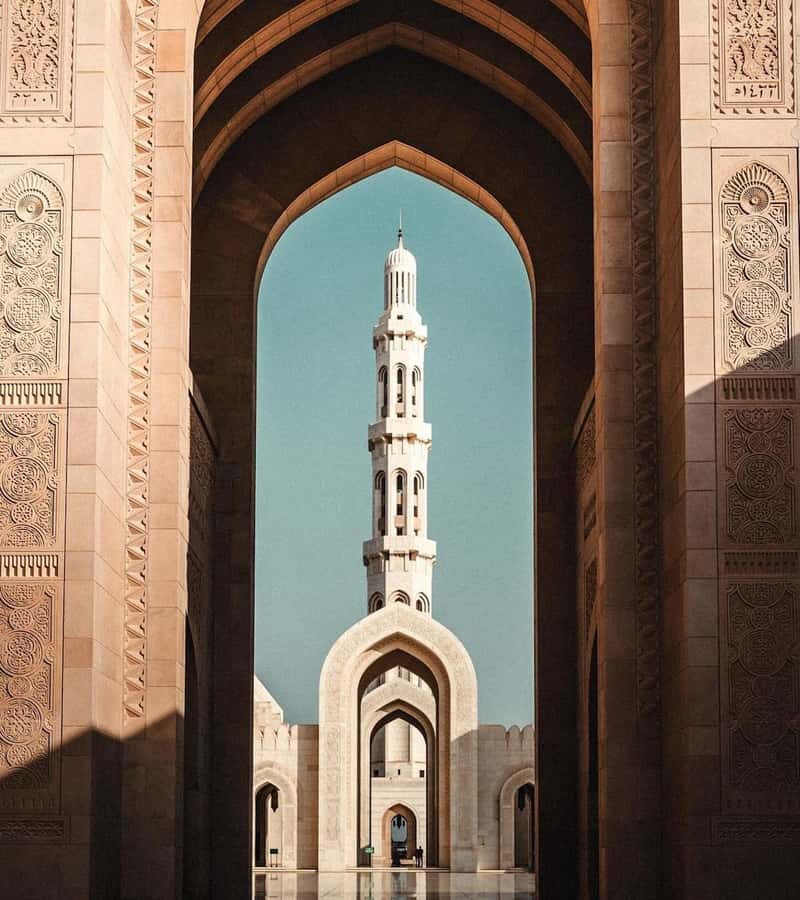
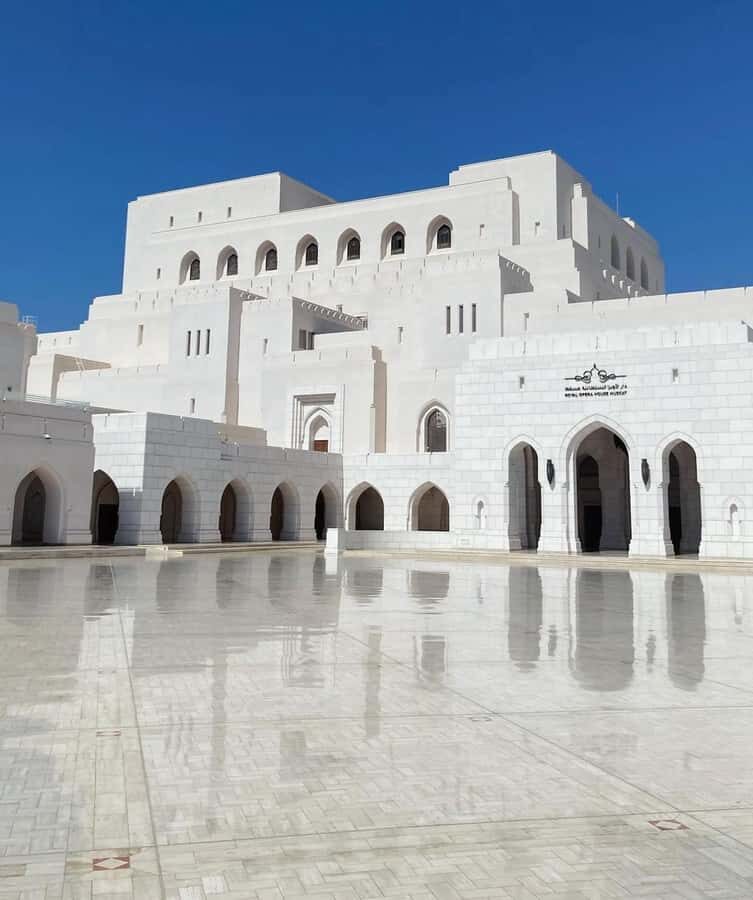
Next comes the Royal Opera House Muscat, which opened in 2011 on the Sultan’s orders. The reason is simple: he had a passion for classical music and the arts, and the building reflects that focus. The design is contemporary Omani—clean, bold, and built to handle performance-scale crowds.
The main hall and theatre can hold up to 1,100 people, and the building is open to the public daily. That’s important because it means you’re not only looking at something from the outside—you can experience the interior layout and atmosphere.
There’s one thing to budget for: the adult entrance ticket is R.O 3.000 and it’s not included. If you’re the type who hates surprise charges, check this early so the day feels smooth.
Bait Al Zubair Museum: Culture You Can See, Touch, and Contextualize

Bait Al Zubair Museum opened in 1998 and is built around Oman’s culture and traditions. It’s a smart counterbalance to the big monumental sights earlier in the day. Where the mosque and opera give you scale, the museum brings you details—objects that explain how people lived, worked, and expressed identity.
The collection includes ethnographic items and familiar traditional pieces, including the Khanjar dagger, along with clothing, dhow models, furniture, and paintings. I like this stop because it helps you connect the dots. When you later see a souk stall selling local goods, or hear about Omani craft, the museum gives you context for why certain items matter.
Same as the opera: the adult entrance ticket is R.O 3.000 and not included. If you’re trying to keep the tour cost tight, confirm tickets when you arrive or decide ahead of time whether the museum is a must for you.
Al Alam Palace: Great Photos From the Gates
Al Alam Palace is one of those locations you feel in your camera before you even get close. The palace is known for its striking blue and golden colors and a history that spans over 200 years. It was built by Sultan Ahmed and remains one of the ruler’s six royal residences.
Here’s the tradeoff: visitors cannot enter the palace. Still, you can stop near the gates for photographs, which is usually enough to capture the look and the royal atmosphere without pretending you’ll walk inside.
If you enjoy architecture and official landmarks, this stop is worth it. If you hate photo rules and quick timings, keep your expectations in check: think view and photos, not sightseeing inside.



Muttrah Souk: Frankincense, Perfume, and Practice Haggling

Muttrah Souk is the sensory pivot of the tour. This is a traditional Arab bazaar where you’ll find souvenirs, jewelry, frankincense, perfumes, and clothing. The place is built for conversation—vendors want to talk, and shoppers come prepared to negotiate a little.
I love this stop because it’s not just shopping. It’s a window into how Muscat’s everyday economy still runs. If you want a few souvenirs that feel connected to place, this is where you’ll naturally browse without forcing it.
A simple tip: go in with small, specific goals. For example, pick what you want first—like frankincense or a single piece of jewelry—then bargain with intention. If you wander aimlessly, the experience can turn into decision fatigue fast.
On Fridays, you may not get here in the exact same way, since the route swaps out mosque and opera for Muttrah Fort and Qantab viewpoint. But Muttrah as an area still tends to be part of the story.
Guide Matters: How Hawwa, Yusuf, Salam, and Mohammed Change the Day

The difference between a good tour and a great one is the guide’s ability to explain what you’re seeing. In this case, the guide energy is a major highlight. Some assigned guides like Hawwa, Yusuf, Salam, Mohammed, and Abdoul have been praised for being patient, friendly, and willing to take extra time—especially if you’re stopping for photos.
I also like the way the best guides here connect the dots: they’ll point out why certain materials and artistic choices matter, then tie it back to Oman’s culture and everyday life. That’s how the day feels like more than a checklist.
And yes, photo stops happen. One of the recurring vibes in the experience is guides being okay with slowing down when you want the shot. That matters in a city where angles and light can be tricky and the landmarks are dramatic.
Timing, Tickets, and Day-Of Expectations
This tour runs about 4 hours, and that timeframe is realistic if you want to see a lot without exhausting yourself. Still, you’ll want to plan your expectations around pacing. Some sites are quick viewpoints, others take time to understand, and the museum/opera stops can also include ticket handling.
Key ticket info you should not ignore:
- Royal Opera House Muscat adult ticket: R.O 3.000 (not included)
- Bait Al Zubair Museum adult ticket: R.O 3.000 (not included)
Also note a small comfort detail: sunblock is not included. That doesn’t mean you should suffer under the sun. It just means bring your own if you’re sensitive to heat and glare. A hat and sunglasses are smart too, even if they’re not on the official list.
Friday changeover matters most for planning:
- Mosque and opera house close on Fridays
- The tour instead visits Muttrah Fort and Qantab viewpoint
If your trip includes Friday, make sure your schedule still feels flexible enough to enjoy the alternate stops.
Who This Tour Fits Best (And Who Might Want Something Else)
This tour is ideal if you want a clear orientation to Muscat in a short time. The small group format makes it especially good for couples and solo travelers who don’t want to ride around with dozens of strangers. If you enjoy architecture, cultural context, and shopping stops where bargaining is part of the experience, this route gives you a nice balance.
It may be less ideal if you prefer slow, deep museum time. With only 4 hours, you’ll enjoy the big highlights, but you won’t have hours inside every building. Think of it as a smart sampler—then decide what you want to revisit later.
If you’re traveling with kids, it can still work because the stops are visual and varied. Just know that entry fees and photo pacing can affect how quickly the day moves.
Should You Book This Muscat City Tour?
Book it if you want the best mix of landmarks without overplanning your day. The mosque and opera provide the major architectural wow-factor, the museum gives you cultural context, the palace adds royal flavor, and Muttrah Souk brings the lived-in Muscat energy.
Skip it (or look for a different style) if you want a strictly museum-focused itinerary or if you’re arriving on a Friday and those two closed stops are the only reason you booked. In that case, you might still enjoy the alternative route, but it won’t match the full list of weekday highlights.
Given the max 7 group size and the consistently praised guides—people like Hawwa and Yusuf—this is the kind of tour that tends to feel personal, not rushed.
If you’re looking for a first-day plan that helps you understand Muscat quickly and travel smarter afterward, this one is a solid bet.
FAQ
How long is the Muscat city tour?
The tour lasts 4 hours.
Is hotel pickup included?
Yes. You’re picked up from your Muscat hotel location.
How big is the group?
It’s a small group with a maximum of 7 people.
Are the Royal Opera House and Bait Al Zubair Museum entrance tickets included?
No. The Royal Opera House adult ticket is R.O 3.000 and the Bait Al Zubair Museum adult ticket is R.O 3.000. These are not included.
What happens if I’m touring on a Friday?
On Friday, the mosque and opera house are closed, so the tour visits Muttrah Fort and Qantab viewpoint instead.
What language is the guide?
The live guide speaks Arabic and English.
Does the tour provide sunblock?
No. Sunblock is not included.