REVIEW · THUMRAYT
Salalah: Sunset desert safari tour in salalah(private tour)
Book on GetYourGuide →Operated by Ciao Salalah · Bookable on GetYourGuide
Desert sunsets in Salalah hit different. This private safari layers UNESCO Wadi Dawkha with the Rub’ al Khali sunset finale, plus a guided route that actually explains what you’re looking at. I also love that the day isn’t just dune time; you stop at Ubar and meet the rare black camels along the way. One thing to plan for: it’s a full day with moderate walking and lots of time sitting in a vehicle.
If you want a comfy experience, come prepared. You’ll be outdoors in sun, heat, and dust (that’s part of the deal in Dhofar), so protect your skin and wear supportive shoes to keep the day enjoyable.
In This Review
- Quick hits
- Why Salalah’s Rub’ al Khali sunset feels like a real event
- Private Jeep timing and what the 8-hour day actually includes
- Wadi Dawkha UNESCO: frankincense trees you’ll want to slow down for
- Thumrait karak tea: a small stop that makes the day feel local
- Ubar archaeology: where frankincense trade becomes more than a story
- Black camels in the desert region: rare sight, calm viewing
- The Rub’ al Khali finale: photo stop, dune riding, and sunset timing
- Price and logistics: what you’re really paying for
- What to bring (and what to skip) so the day stays fun
- Should you book the Salalah sunset desert safari tour?
- FAQ
- FAQ
- Where are pickup and drop-off locations?
- How long is the tour?
- What languages is the guide?
- What are the main highlights you’ll see?
- Is bottled water included?
- What should I bring for the desert?
- Is smoking allowed?
- Who is this tour not suitable for?
- Can I cancel for a full refund?
Quick hits
- Wadi Dawkha UNESCO: frankincense trees and a dramatic valley you can photograph from multiple angles
- Ubar archaeology visit: learn how frankincense caravans shaped this area
- Karak tea in Thumrait: a genuine pause with local flavor before the desert finale
- Black camels: see a rare camel color breed up close
- Rub’ al Khali sunset: the big sand-sea moment, timed for evening light
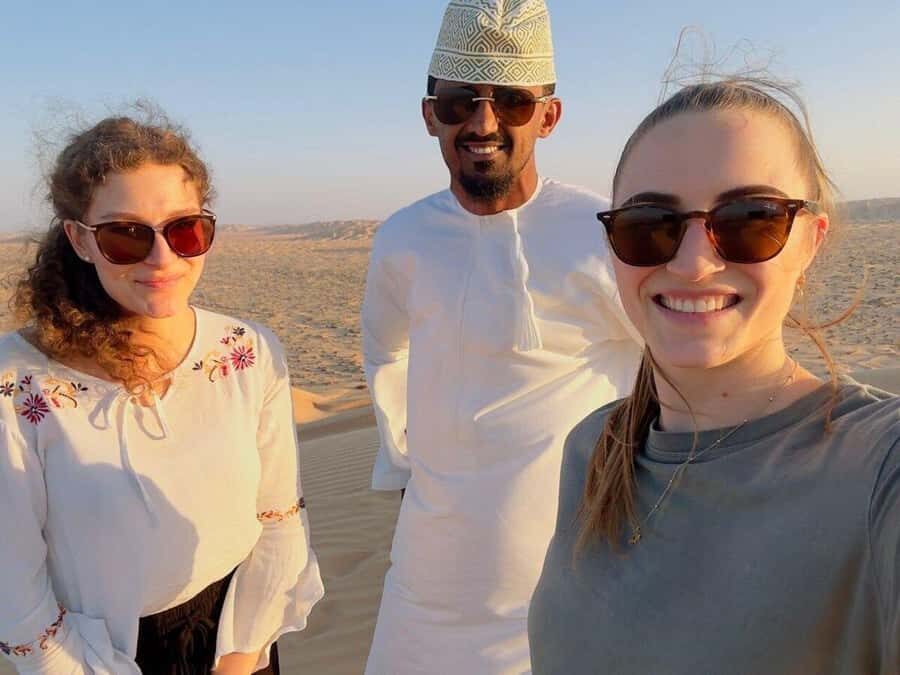
- Private-jeep feel with real guides: English/Italian/Arabic, with names like Mohammed and Abdullah showing up in recent feedback
Why Salalah’s Rub’ al Khali sunset feels like a real event
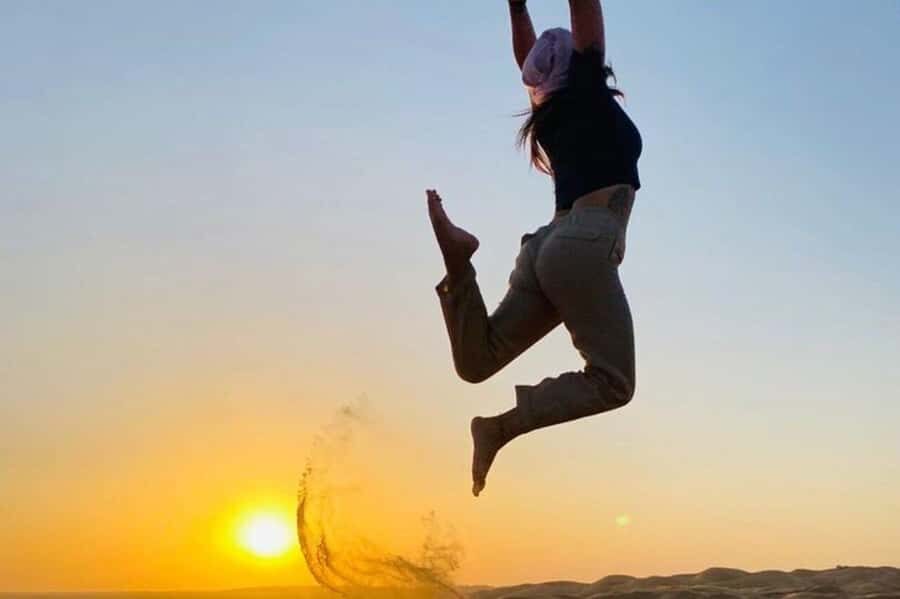
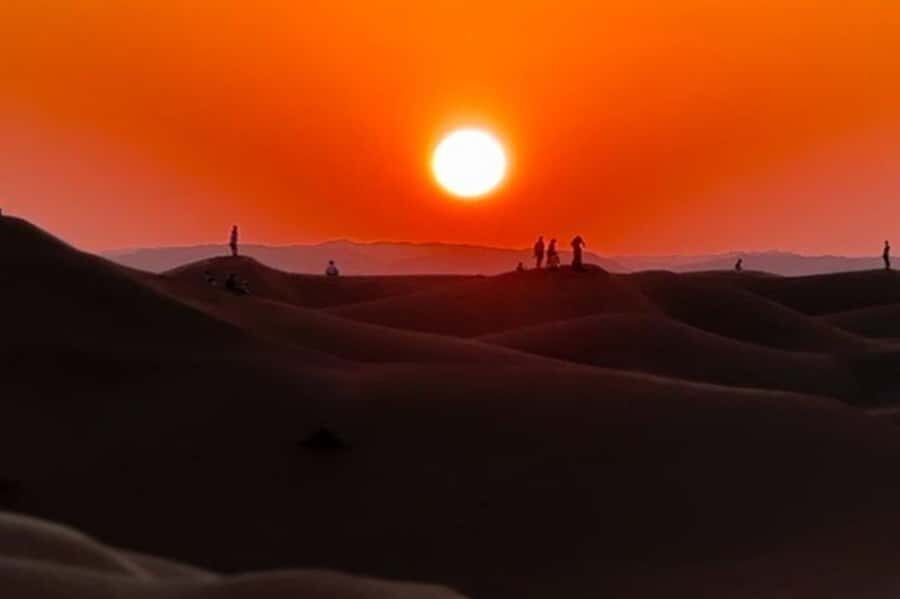
In southern Oman, the Rub’ al Khali isn’t just a photo stop. The tour is built around evening light, when the dunes start to change color and shadows stretch across the sand. That sunset timing matters because it turns a wide-open place into something you can actually watch transform.
The best part is that you don’t rush straight to the dunes. You get context first—frankincense trees, caravan history, and a rare camel encounter—so the final desert hour feels earned, not abrupt.
Private Jeep timing and what the 8-hour day actually includes
This is a private tour, using a private Jeep/SUV with hotel pickup and drop-off. With 17 pickup options and 17 drop-off options across Salalah, it’s designed to keep you from wasting time on transfers.
The schedule is effectively a full-day excursion (listed as 8 hours, with “8 hours–2 days” shown for availability). Practically, that means you should expect a long stretch away from your hotel base, and your comfort will depend on how well you handle heat, sun glare, and bumpy roads.
You’ll also have small supports built into the ride: light snacks, coffee and/or tea, and bottled water are included. Meals are not, so if you’re the type who needs a proper sit-down lunch, plan to handle that on your own.
Wadi Dawkha UNESCO: frankincense trees you’ll want to slow down for
The first major stop is Wadi Dawkha, a UNESCO World Heritage Site. Here, you’re walking through a valley dotted with ancient frankincense trees, including trees believed to be centuries old. Even if you don’t know botany, the trees do the talking—their silhouettes against the mountains are the visual hook.
This part of the day is where your guide earns their keep. You’ll hear what frankincense meant here and why the area matters beyond scenery. It also helps you understand why Oman’s desert edges weren’t just empty space for trade routes and settlement.
What I’d watch for: shaded spots are limited, so aim to drink your water early and keep your hat on. The “moderate walking” note isn’t a scare tactic; it just means you’ll be on your feet enough that good shoes pay off.
Thumrait karak tea: a small stop that makes the day feel local
After the frankincense valley, the tour shifts to Thumrait village for Karak tea. This isn’t just a drink break. It’s a chance to reset your pace and experience something daily and local before you head deeper into the desert.
Karak tea also helps practically. Your day is mixing sun exposure with vehicle time, and warm tea can be a welcome change from cold bottled water. With light snacks included, this stop can keep you from feeling stretched too thin before the final sunset viewing.
If you’re picky about timing, this is the moment to slow your brain down. Grab the tea, take a breath, then get ready for the longer desert segment where you’ll likely be focused on photos and timing the light.
Ubar archaeology: where frankincense trade becomes more than a story
Next comes Ubar, an archaeological site tied to frankincense caravans. You’re guided through what Ubar represented—once a stopping point for trade moving across harsh distances. That caravan connection matters because it turns the day into a single thread: frankincense trees in the valley, caravan routes nearby, and the desert itself as the route’s challenge.
The guide-led portion is listed at about 1.5 hours, which is long enough to move past quick-picture enthusiasm. You’ll have time to ask questions, get interpretations, and spot features that you might miss if you were just wandering.
Photography tip: do more than shoot wide shots. Spend a few minutes focusing on textures—stone, shadows, and edges. Ubar’s value isn’t just the size of the site; it’s the sense of place.
Black camels in the desert region: rare sight, calm viewing
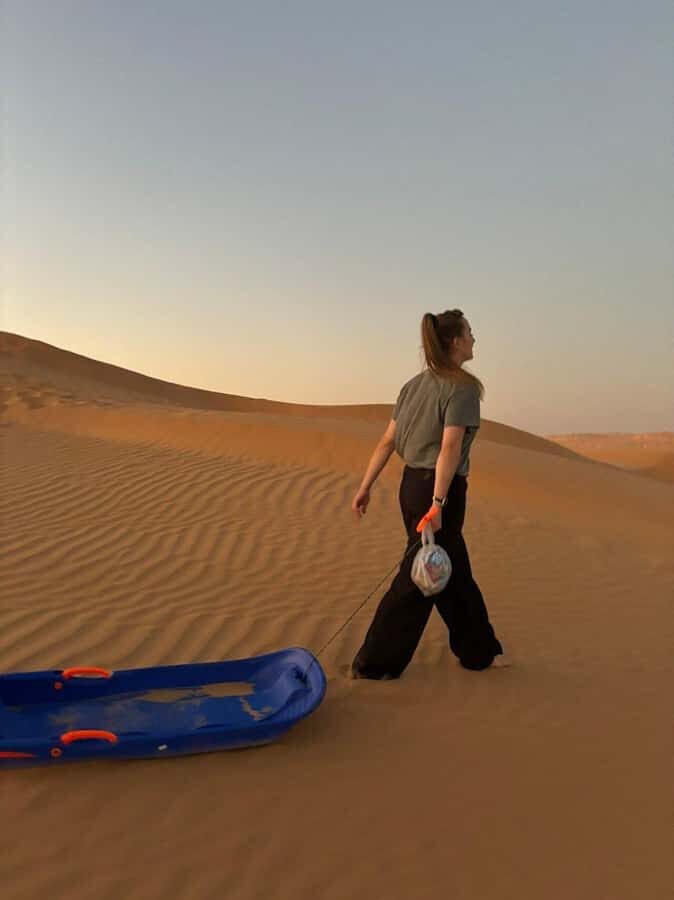
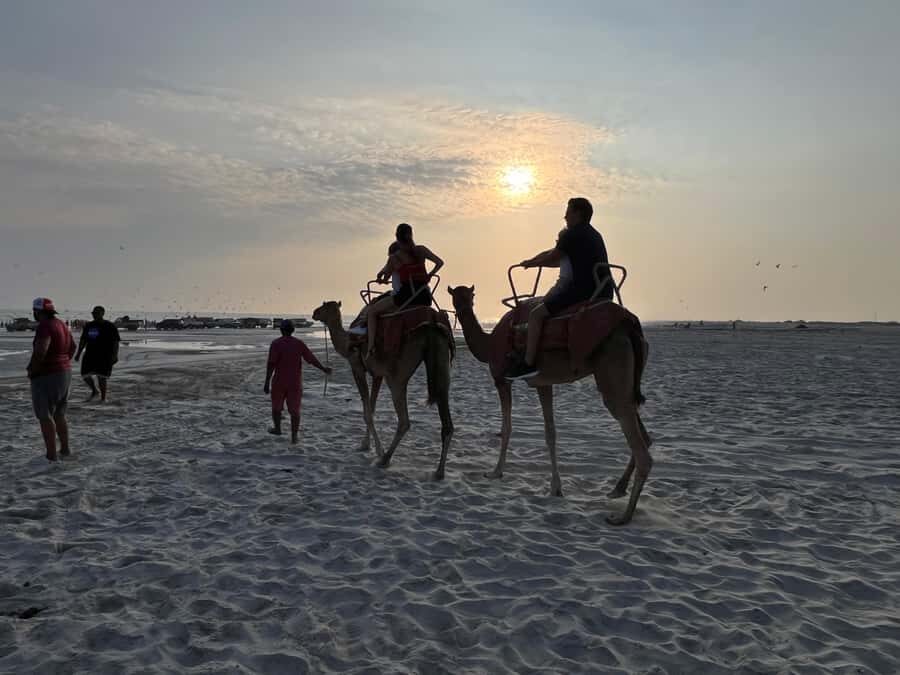
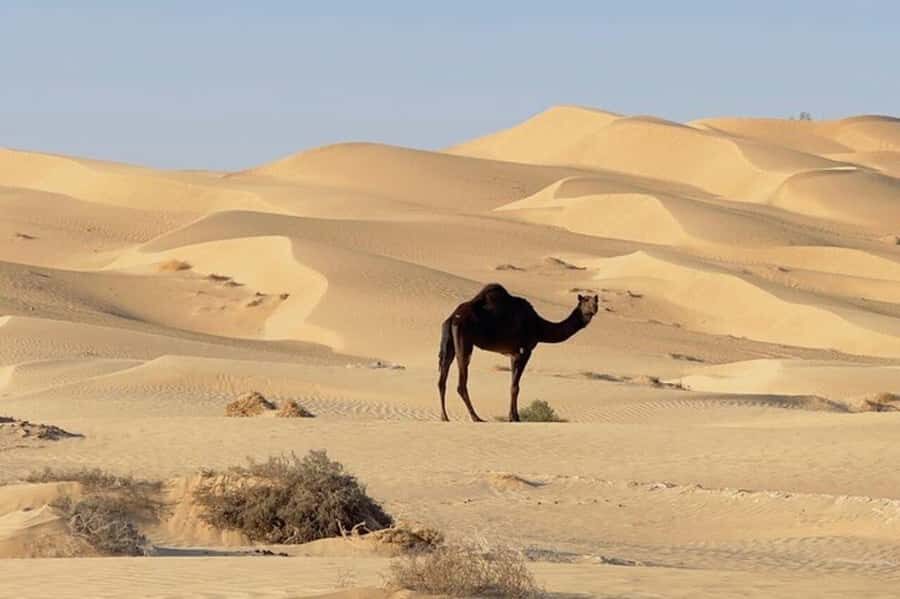
Then you’ll see the black camels, a rare and fascinating breed. This stop is one of the tour’s emotional high points because it feels unusual in a desert-safari context. Most desert trips are all dunes and vehicles; black camels add a living, moving moment you can’t replicate with a screen saver.
Keep expectations realistic. You’re likely visiting a camel setting connected to the wider area rather than a zoo experience. That means your best photos come from patience—let the animals settle, then use the light.
I also like that this stop breaks up the mental rhythm of driving and walking. After Wadi Dawkha and Ubar, the camels give you a different kind of attention: quieter, slower, and more about watching behavior than scanning ruins.
The Rub’ al Khali finale: photo stop, dune riding, and sunset timing
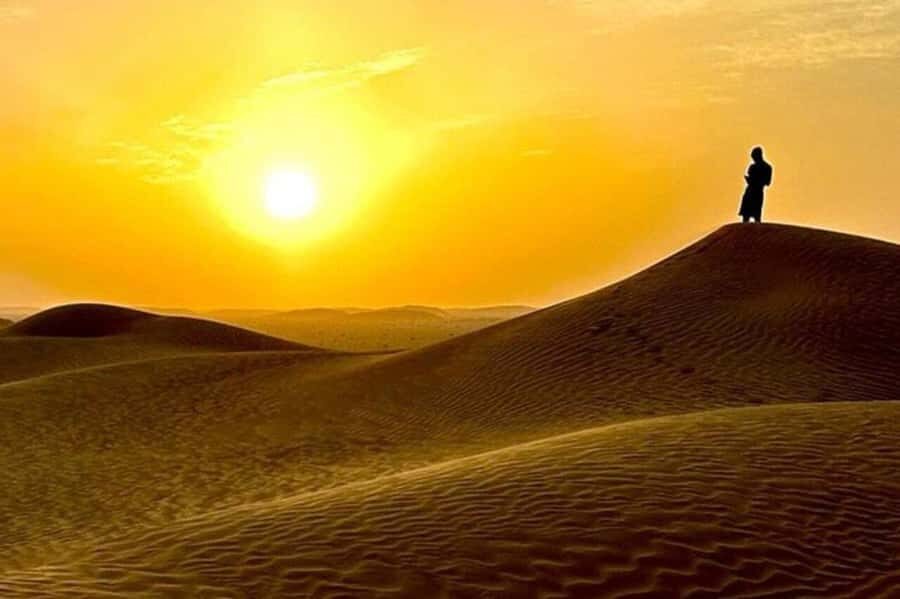
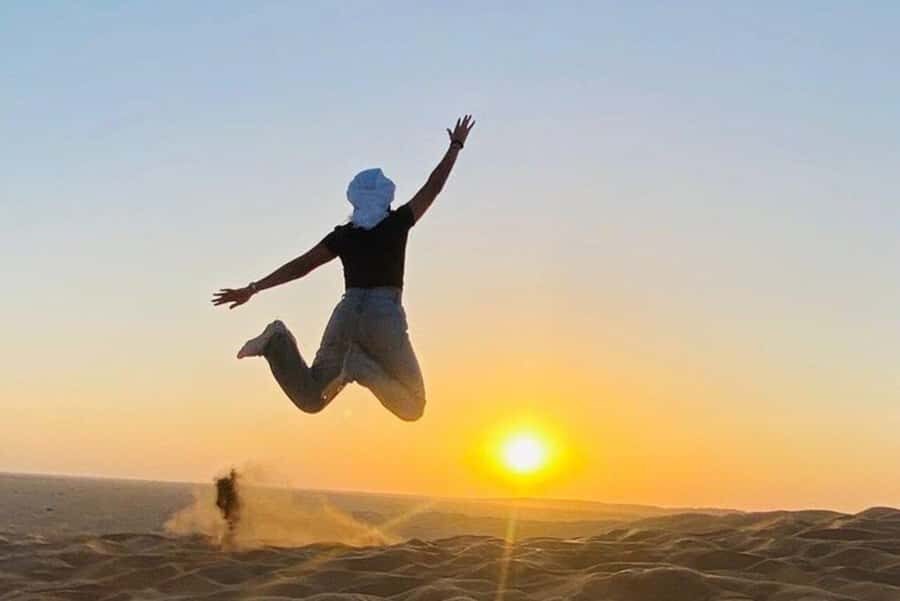
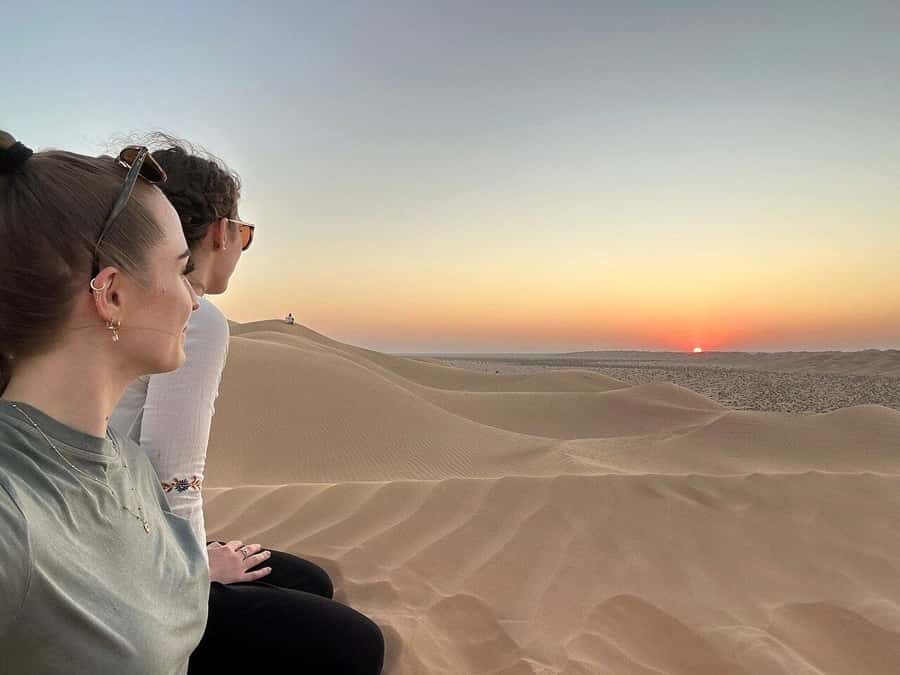
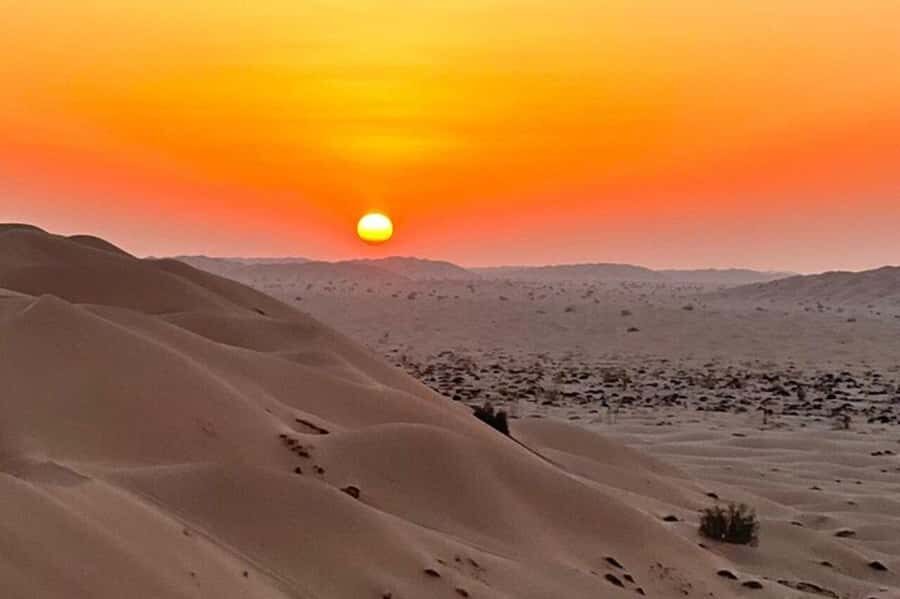
The final destination is Rub’ al Khali, the largest sand desert in the world, and the tour’s best place in southern Oman to see the sunset. This is where the vehicle time pays off, because you’re trying to arrive before the light changes fully.
The itinerary includes a long photo stop stretch (about 2.5 hours). That’s a strong sign you won’t be treated like a drive-through. You should have time to walk a bit for photos, find a view angle, and settle in for the color shift.
About dune riding: a desert safari in this region often means some off-road thrills, and the route is designed to deliver that adrenaline. One recent experience included a jeep getting stuck in the sand, which caused extra fiddling in the dust. That’s not something you should count on happening, but it’s a reminder to stay flexible and keep your expectations focused on the big picture: sunset in a sea of sand.
If you’re sensitive to dust, bring simple eye protection and keep your camera strap tight. The sand doesn’t care about lens filters.
Price and logistics: what you’re really paying for
At $90 per person, this tour is priced for a private, guided day that mixes multiple “big” experiences: UNESCO Wadi Dawkha, Ubar archaeology, black camels, and a Rub’ al Khali sunset segment.
Here’s what you’re getting for the money:
- Private transportation in a Jeep/SUV (not a shared group bus setup)
- English or Italian speaking guide (Arabic also listed for the live guide)
- Light snacks, plus coffee and/or tea
- Bottled water
- Hotel pickup and drop-off across many Salalah properties
What you’re not getting:
- Meals (personal expenses are also not included)
So the value depends on you. If you’d otherwise pay separately for transport, a guide, and the time-intensive desert route, the package starts to make sense fast. If you’re the type who dislikes long sit-down days and doesn’t want to be outdoors, the cost won’t feel “worth it” no matter what it includes.
What to bring (and what to skip) so the day stays fun
The tour’s guidance is straightforward, and I agree with it:
- Comfortable shoes for uneven ground at stops
- Hat and sunscreen for strong sun exposure
- Camera for frankincense-tree silhouettes, Ubar visuals, and dune sunset shots
- Water (bottled water is included, but having your own habit helps)
Two other notes that matter:
- No smoking on the tour.
- You should plan for moderate walking. If your back gives you trouble after a short hike, this may be tougher than you expect.
It’s also listed as not suitable for:
- pregnant women
- people with back problems
- wheelchair users
Should you book the Salalah sunset desert safari tour?
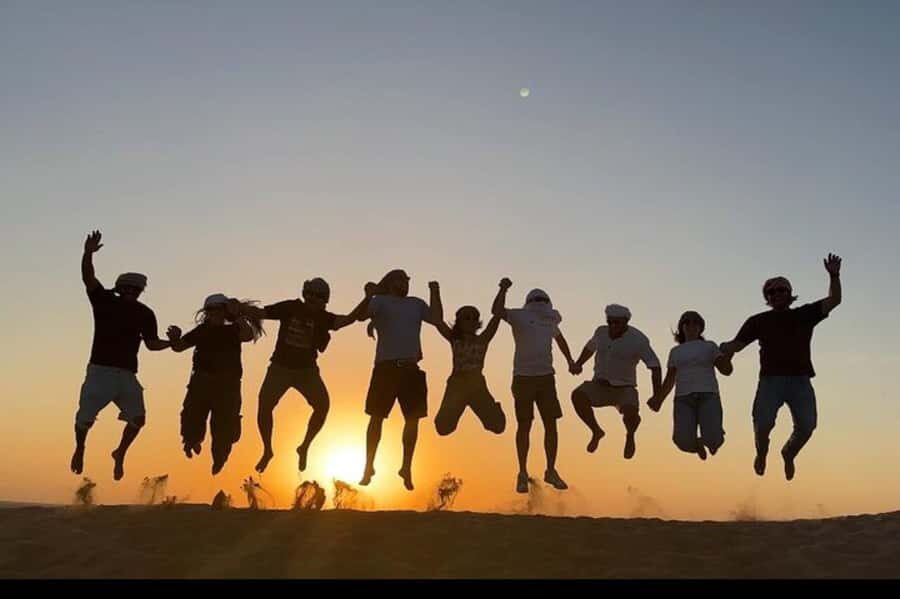
I’d book this if you want a single-day experience that feels more like a guided story than a car ride to a dune. The combination of Wadi Dawkha (frankincense), Ubar (caravan history), and a Rub’ al Khali sunset gives you variety without losing focus.
I’d think twice if you know you can’t handle bumpy desert driving or if sitting for hours plus moderate walking sounds unpleasant. Also, if you’re very strict about avoiding dust and delays of any kind, go in with a calm mindset—the desert is powerful, and small surprises can happen.
FAQ
FAQ
Where are pickup and drop-off locations?
Pickup and drop-off are available from multiple Salalah hotels (17 pickup options and 17 drop-off options are listed). Your guide meets you at your hotel lobby.
How long is the tour?
The duration is listed as 8 hours (and also shows 8 hours–2 days depending on availability). You can check the available start times for the exact format.
What languages is the guide?
A live guide is available in Arabic, Italian, and English.
What are the main highlights you’ll see?
You’ll visit Wadi Dawkha, enjoy Karak tea in Thumrait, see the archaeological site of Ubar, encounter black camels, and spend time in the Rub’ al Khali desert for sunset.
Is bottled water included?
Yes. Bottled water is included, along with light snacks and coffee and/or tea.
What should I bring for the desert?
Bring comfortable shoes, a hat, camera, sunscreen, and water.
Is smoking allowed?
No. Smoking is listed as not allowed.
Who is this tour not suitable for?
It’s listed as not suitable for pregnant women, people with back problems, and wheelchair users.
Can I cancel for a full refund?
Yes. Free cancellation is available up to 24 hours in advance for a full refund.