REVIEW · SALALAH
Empty Quarter Desert Sunset tour
Book on Viator →Operated by Salalah Premium Tours · Bookable on Viator
A desert sunset that feels otherworldly. This 8-hour private outing pairs Wadi Dawkha’s frankincense groves and Ubar’s archaeological clues with a deep-dune Empty Quarter finale. The day is built around big contrasts: living trees, lost trade routes, and then that massive sand horizon at sunset.
What I like most is the way the route ties theme to place. You go from the Boswellia sacra resin story to the trade city legends, then into the Rub’ al Khali dunes where the light turns dramatic. The one real drawback to plan around is weather: the tour requires good conditions, and desert days can be long with mostly outdoor time.
In This Review
- Key things to know before you go
- Entering the Empty Quarter mood: why the day works
- Wadi Dawkha: the frankincense reserve that feels like a living museum
- What to expect on the ground
- A small caution
- Ubar Archaeological Site: ruins tied to trade routes, not myths
- What you’ll spend your time on
- The realistic drawback
- Empty Quarter: chasing the sunset where the dunes really look huge
- Why sunset here hits different
- A comfort tip
- Camel farm moments, 4×4 dune rides, and photo-friendly touches
- Private guide-led value: why names like Mohammed, Alawi, and Abdullah matter
- Pickup and private format: real-world benefits
- Price and logistics: how $152.10 per person stacks up
- Who should book this Empty Quarter sunset tour
- Should you book it?
- FAQ
- How long is the Empty Quarter Desert Sunset tour from Salalah?
- What stops are included during the tour?
- Is hotel pickup included?
- Is this a private tour or a group tour?
- Do I need to pay admission tickets for the listed sites?
- What happens if weather is poor?
- Can I cancel and get a full refund?
Key things to know before you go
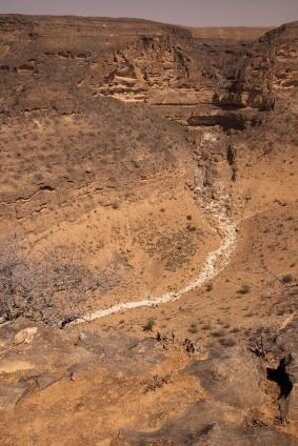
- Frankincense at Wadi Dawkha (UNESCO): A protected reserve of Boswellia sacra trees, known as the frankincense “park.”
- Ubar Archaeological Site: Ruins, walls, and wells that point back to ancient trade routes and settlements.
- Empty Quarter scale: Dunes can reach up to 800 feet (240 meters) and stretch for miles, perfect for that late-day glow.
- Private, guide-led experience: Only your group, with guide attention that many people remember as the highlight.
- Desert fun beyond sightseeing: Baby camels, camel milk tasting, and a 4×4 dune ride show up in the experience.
- Photo help matters: Guests mention guidance for great shots, including turbans made for photos.
Entering the Empty Quarter mood: why the day works
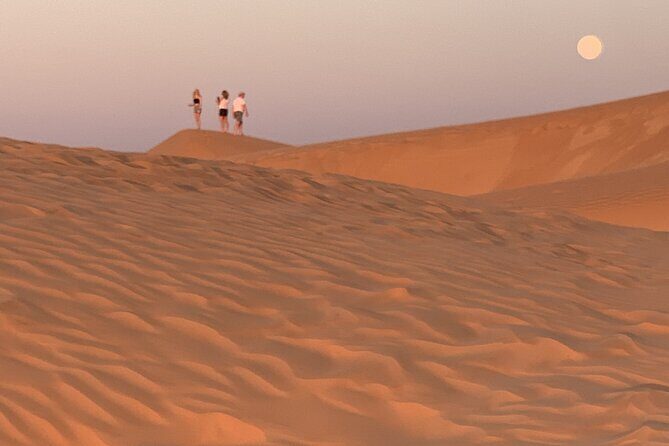
There are desert tours, and then there are desert stories. This one keeps you moving through the Dhofar region with a clear thread: frankincense, trade, and the sand sea that connects it all. Even if you’re not a “history person,” the shift from green-ish grove shade to rolling dunes is surprisingly satisfying.
The private format helps, too. When you’re not sharing the car or the viewpoints, you can actually listen to what your guide explains—whether it’s about resin use or why Ubar matters. And because it’s built around a sunset, you’re not just driving to a photo spot and rushing away.
The other practical upside: admission tickets at the major stops are free, which makes your money go farther than you might expect for a full-day desert experience.
You can also read our reviews of more evening experiences in Salalah

Wadi Dawkha: the frankincense reserve that feels like a living museum
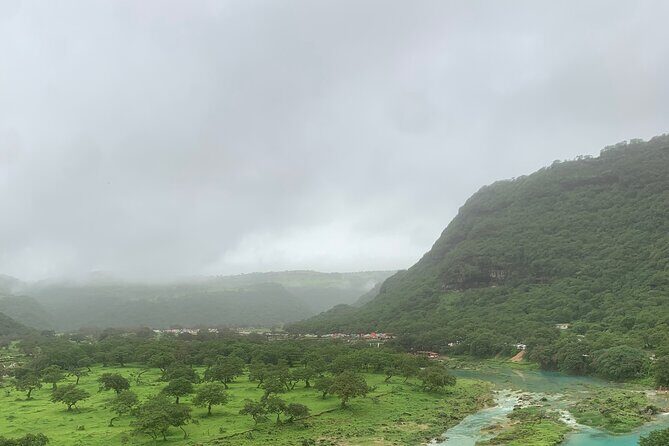
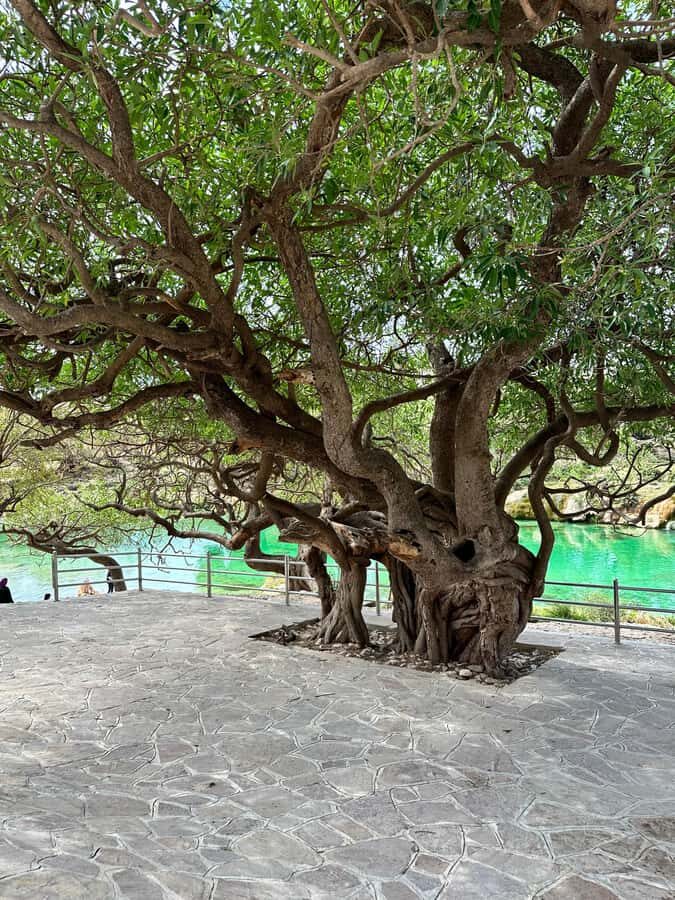
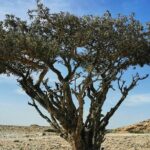
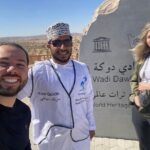
Wadi Dawkha (also written Wadi Dawkah) is a UNESCO World Heritage Site near Salalah, and it’s not a theme park. Think protected habitat first, visitor second. The star here is Boswellia sacra, the frankincense tree that produces the resin historically used in religious ceremonies, perfumes, and traditional medicine.
I like this stop because it gives context before you reach the ruins. You’ll walk through groves that are tied to real products and real trade—not just “cool desert scenery.” That matters once you get to Ubar, because suddenly the story has a supply chain.
What to expect on the ground
You’ll spend about two hours here, enough time to explore the trees and hear the cultural significance behind them. Since the setting is a reserve, don’t expect lots of recreational facilities. Wear shoes you’re happy to walk in, and plan for sun and shade that can be uneven.
A small caution
If you’re sensitive to heat or humidity, this part may feel warmer earlier in the day. The reserve is still outdoors, and you’ll likely be moving at a comfortable but steady pace.
Ubar Archaeological Site: ruins tied to trade routes, not myths
Ubar is famous in ancient texts, but what makes this stop click is how it’s treated as archaeology, not legend. The Ubar Archaeological Site includes ruins of buildings, walls, and wells that suggest a thriving settlement tied to trade—very likely connected to the frankincense routes.
What I’d call the “aha moment” here is the connection. Frankincense trees matter because resin is valuable. Trade routes matter because valuable things travel. Ubar matters because the remains help explain how a settlement could function inside that larger system.

What you’ll spend your time on
You’ll have about three hours at Ubar. That’s a decent chunk for walking through structures and listening to the research behind how the site was discovered and interpreted. It’s also a good buffer before the final desert push, because you’re mentally switching gears from trees and culture to sandy open space.
The realistic drawback
Ubar is not a fully restored city. It’s ruins—so if you need highly polished interpretation at every step, you might want to lean harder on your guide’s explanations during this portion.
Empty Quarter: chasing the sunset where the dunes really look huge
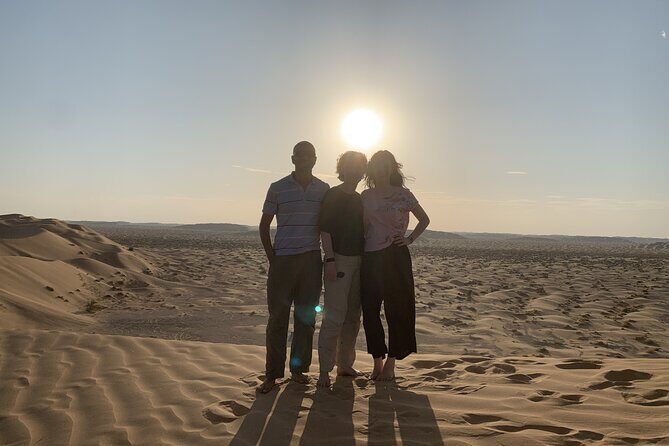
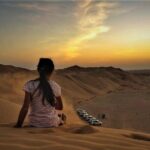
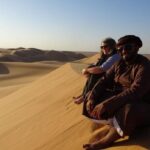
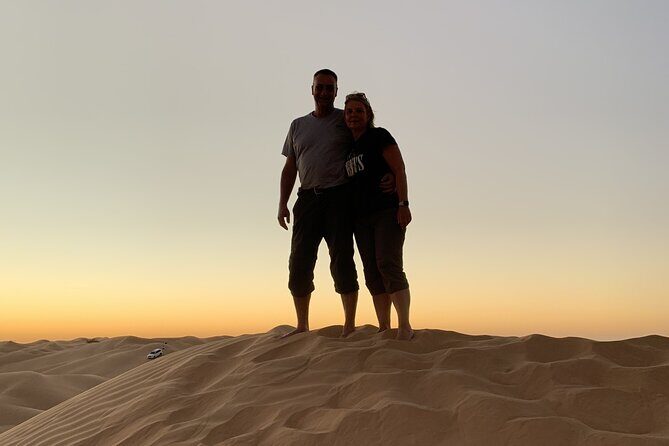
Now the reason most people book: the Empty Quarter (Rub’ al Khali). This is one of the largest continuous sand deserts in the world, and near Salalah the dunes stretch into Oman’s Dhofar region. The scale is the point. Dunes can rise as high as 800 feet (240 meters), and they go on long enough for the light to change fast.
Your final block is about three hours, which is usually the right rhythm for sunset. You’ll have time to get oriented, enjoy the changing tones in the sand, and still feel like you didn’t just arrive for a quick picture and leave.
Why sunset here hits different
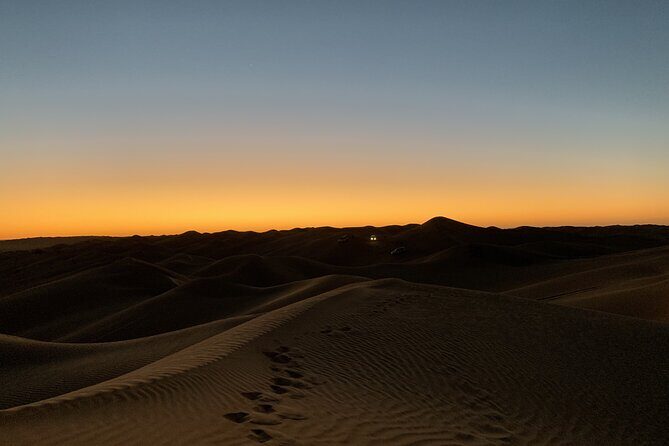
In many deserts, sunset is beautiful but brief. In the Empty Quarter, the dunes and the open horizon make the late-day shift feel dramatic. Shadows stretch, highlights flare, and the sand texture changes as the sun drops. If you’re a photographer, it’s the kind of scene where you’ll keep wanting to reframe.
A comfort tip
Bring sun protection even if sunset is in the plan. The day can still involve bright exposure earlier, plus you’ll likely want water and a layer for when temperatures cool after the sun goes down.
Camel farm moments, 4×4 dune rides, and photo-friendly touches
Sightseeing is only part of the appeal here. Many guests specifically remember the hands-on, people-pleasing stops and activities that make it feel like an outing, not a lecture.
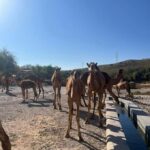
A camel farm stop shows up in the experience, including time to meet baby camels and taste camel milk. For families, this is often the moment kids light up most. For adults, it’s a reminder that the desert isn’t just empty space—it’s part of daily life and animal husbandry.
Then comes the fun: a 4×4 on dunes. That ride is where the desert turns from “views” into “experience.” Expect the car to move across sand in a way that feels exciting but can be bumpy. If you’re prone to motion sickness, plan accordingly.
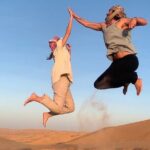
Finally, there’s a small but surprisingly appreciated detail: guests mention having turbans made for photos and getting help with the best angles and shots. It’s the kind of thing that costs little in time but boosts the quality of what you’ll remember.
Private guide-led value: why names like Mohammed, Alawi, and Abdullah matter
A huge theme in the feedback is the guide. People didn’t just praise someone for being friendly—they praised the way the guide guided. That shows up in practical behavior: patience, good timing, and adapting to what your group wants to see.
You may meet guides like Mohammed, Alawi, Mohammed Baomar, or Abdullah (names show up consistently in the guest stories). The point isn’t the name itself; it’s the style. When the guide explains why Wadi Dawkha is UNESCO-level important, and then keeps that same thread going into Ubar and the dunes, you stop viewing the day as separate stops. It becomes one coherent story.
Pickup and private format: real-world benefits
You’ll have pickup offered, and it’s a private tour/activity limited to your group. That matters because desert days are easier when the schedule is tight and you don’t have to wait on other people. It also helps if you’re traveling as a couple, a family, or in a small group that wants a more relaxed pace.
Price and logistics: how $152.10 per person stacks up
At $152.10 per person, this isn’t a bargain-basement desert ride. But it also isn’t just you sitting in the back of a minivan and hoping for a nice sunset.
Here’s what makes the value feel more solid:
- You’re getting a full 8-hour day with multiple major stops.
- Admission tickets for key sites are free, which reduces the “hidden costs” problem.
- It’s private, so you’re not paying for crowded logistics.
- The experience includes more than just a sunset view: baby camels, camel milk tasting, and a 4×4 dune ride show up as part of the overall day.
The big thing to watch is that this is a desert excursion, so you’re trading city comfort for a more remote setting. If you’re the type who wants lots of breaks, indoor time, and long meals, plan for a day that’s more out-and-about than relaxed lounge time.
Who should book this Empty Quarter sunset tour
This tour is a strong fit if you want:
- A guided desert day that connects nature and culture, not separate checkboxes.
- History and place-based stories, especially around frankincense and trade.
- Sunset plus activities, including camels and a 4×4.
- A private setup where your group can move at a comfortable pace.
It’s also a good choice for families. The baby camel and camel milk stop is exactly the kind of short, memorable interaction kids tend to remember.
If you’re purely chasing a quiet, silent nature hike vibe, you might find the day’s structure and active elements feel a bit too “tour-like.” But if you want a memorable, well-paced desert evening, this format makes sense.
Should you book it?
I’d book this tour if you’re spending time in Salalah and want one standout desert day that includes more than a single viewpoint. The combination of Wadi Dawkha’s frankincense reserve, Ubar’s trade-route archaeology, and Empty Quarter sunset dunes is a smart way to see why this region matters.
I wouldn’t book it if you’re not a fan of heat and outdoor time, or if you strongly dislike bumpy rides—because you’ll be on sand and doing a 4×4 dune experience. Also, treat weather as part of the plan. If conditions aren’t good, the experience may need a different date.
FAQ
How long is the Empty Quarter Desert Sunset tour from Salalah?
It lasts about 8 hours.
What stops are included during the tour?
The tour includes Wadi Dawkha, the Ubar Archaeological Site, and the Empty Quarter.
Is hotel pickup included?
Yes, pickup is offered.
Is this a private tour or a group tour?
It’s private, meaning only your group participates.
Do I need to pay admission tickets for the listed sites?
Admission tickets are free for each of the main stops listed (Wadi Dawkha, Ubar, and Empty Quarter).
What happens if weather is poor?
The experience requires good weather. If it’s canceled due to poor weather, you’ll be offered a different date or a full refund.
Can I cancel and get a full refund?
Yes. You can cancel up to 24 hours in advance for a full refund. If you cancel less than 24 hours before the start time, the amount paid will not be refunded.