REVIEW · SALALAH
Magical Night Stay in Rub Al Khali Empty Quarter Desert Salalah
Book on Viator →Operated by Beautiful Salalah Tours · Bookable on Viator
Two sunsets and a sky full of stars. The best part of this Salalah desert overnight is how quickly it shifts from mountain roads to the vast Empty Quarter, with major sights like Ubar and Wadi Dawkah folded into one 2-day loop.
I like the private 4×4 comfort for the long drives, and I like that your basics are handled: dinner, breakfast, bottled water/snacks, and camp overnight. It’s the kind of setup that lets you focus on the desert instead of logistics.
One thing to weigh: the camp is intentionally simple. If you’re hoping for the same level of comfort you might find at more developed desert camps, this one will feel more basic (not a deal-breaker, just be honest with your expectations).
In This Review
- Key highlights to notice before you go
- From Salalah to the Qara Mountains: a Private 4×4 Start That Gets You There
- Ubar: the Lost City Stop That Changes the Desert from Pretty to Powerful
- Driving into Rab Al Khali: Sunset in the Empty Quarter’s Big-Feel Dunes
- Bedouin Camp Overnight: Dinner, Stars, and the Real Meaning of Basic Comfort
- Waking Up in the Sand: Breakfast, Sunrise Light, and What Comes Next
- Wadi Dawkah Frankincense Trees: UNESCO Morning with a Real Purpose
- Price and Value: How $275 Fits (and What It Really Includes)
- What to Pack and How to Stay Comfortable in the Desert
- Who This Rub Al Khali Overnight Suits Best (and Who Might Rethink It)
- Should You Book This Rub Al Khali Night Stay?
- FAQ
- How long is the Rub Al Khali magical night stay?
- What time does the experience start?
- Is pickup and drop-off included?
- What meals are included?
- Are admissions to Ubar and Wadi Dawkah included?
- What kind of accommodation is provided for the night?
- Will I have an English-speaking guide?
- What should I bring for the desert?
Key highlights to notice before you go
- Private 4×4, hotel pickup/drop keeps the experience easy and time-efficient from Salalah.
- Ubar (UNESCO) stop adds meaning beyond just sand and photos.
- Rab al Khali sunset + sunrise is the star attraction, with stargazing after dark.
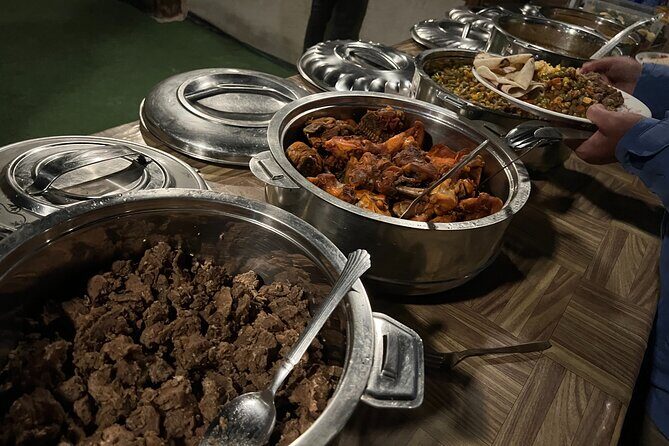
- Traditional dinner and included breakfast mean you’re not hunting food in the middle of nowhere.
- Wadi Dawkah UNESCO frankincense trees gives you a strong cultural follow-up the next morning.
- Basic Bedouin camp setup is part of the authenticity, not a luxury hotel vibe.
From Salalah to the Qara Mountains: a Private 4×4 Start That Gets You There
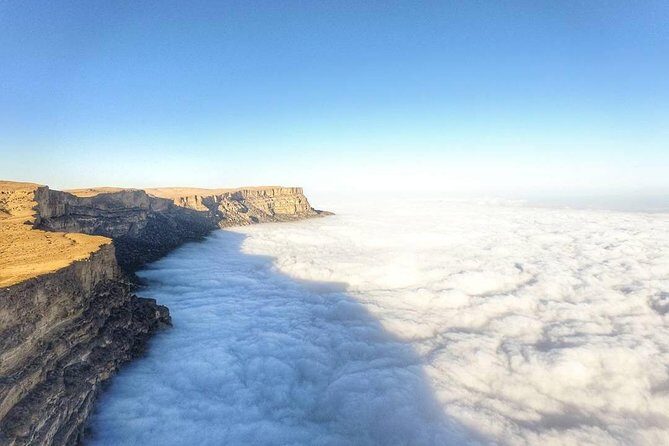
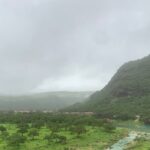
This day starts at 1:00 pm, and the whole thing begins with pickup from your hotel in a 4×4 vehicle. Even though the desert is the headline, the route through the Qara Mountain range is a real warm-up act—views over Salalah help you get that first sense of scale before the dunes take over.
You’ll drive through mountain areas including Sahalnoot, Zeek, Nahiz, and Qairoon Hairiti, with the scenery changing as you go. If you dislike sitting still too long, this timing helps. The drive is part of the experience, not just transportation.
It’s also worth knowing this is a private tour/activity, meaning you’re not mixing with random strangers in the same car. That matters when you want your guide to choose quieter spots for photos, or when the group needs a moment to adjust to wind and sand.
You can also read our reviews of more evening experiences in Salalah

Ubar: the Lost City Stop That Changes the Desert from Pretty to Powerful
Before you even reach the Empty Quarter, the trip stops at the Lost City of Ubar, a UNESCO World Heritage site. Think of this as the story anchor: the dunes aren’t just scenery. They’re tied to a place people once called home and traded from.
You’ll get about 30 minutes at Ubar to walk around and take in the site. The time is short, but it’s enough to understand why Ubar has the nickname people use for it. It also helps you appreciate what you’re about to see next—an area that feels mythic because it’s so remote.
This is a great stop if you like travel that has layers. You get sand dunes later, sure. But you also get a reason why this desert mattered long before you arrived with a camera and a bottle of water.
Driving into Rab Al Khali: Sunset in the Empty Quarter’s Big-Feel Dunes
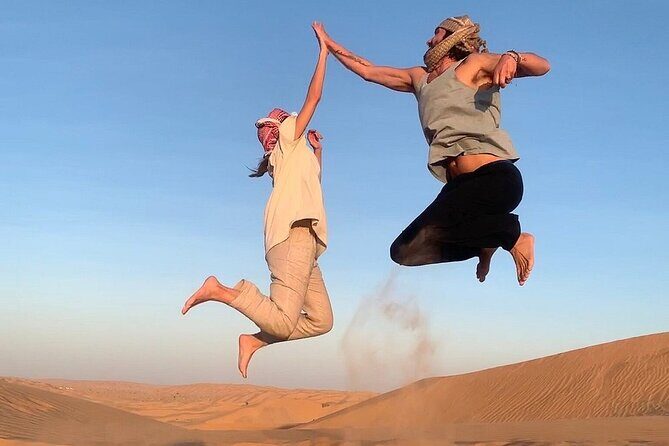
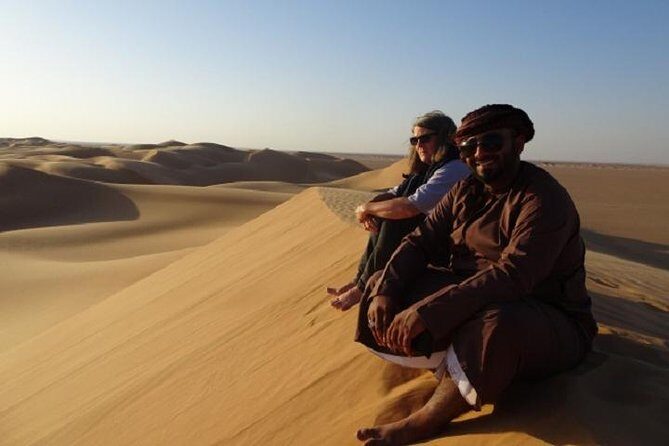
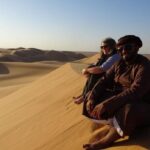
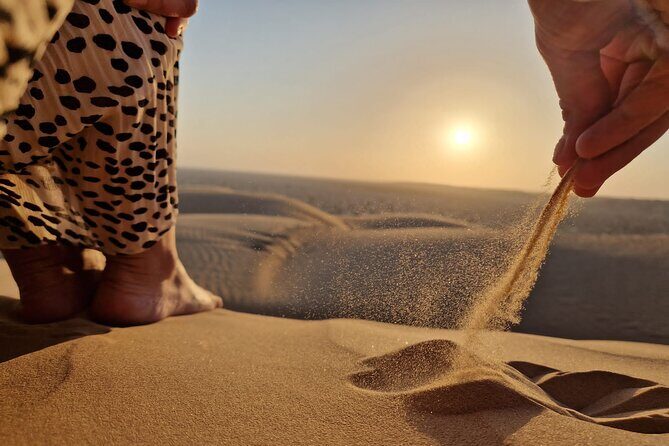
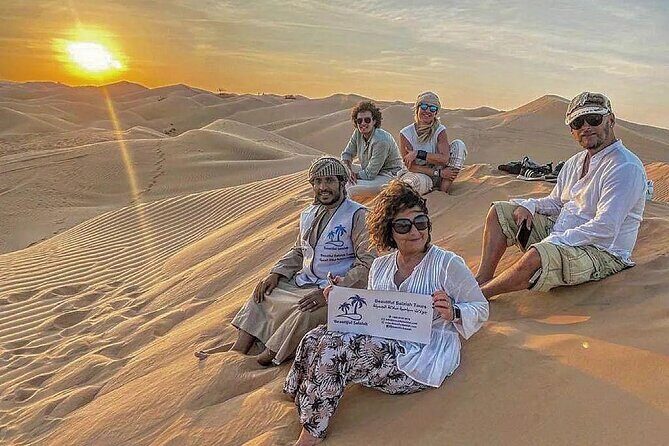
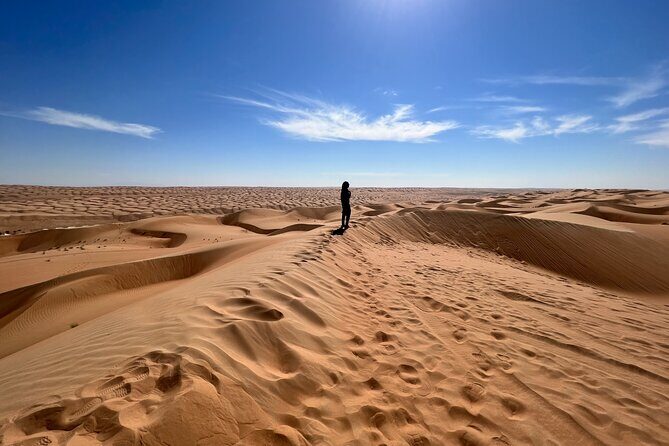
After Ubar, you head deeper toward the Rab al Khali, also called the Empty Quarter. The whole point here is to experience the biggest sand desert in the world in a way you can actually feel—driving across dunes and walking on fascinating sand.
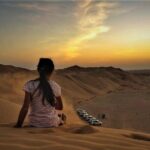
The timing is built around the light. You’ll view sunset in the desert, then stay overnight to catch the stars after dark. In practice, that sequence is what makes people remember the trip: warm colors at dusk, then a night sky that turns from pretty to unreal once the camp settles.
There’s also an advantage to riding a private 4×4 in this setting. Your guide can adjust the pace and choose calmer spots, instead of doing the typical rush-and-rattle. That kind of flexibility is exactly what guides like Ibrahim have been praised for—finding quieter places on the sand so the moment feels less chaotic.
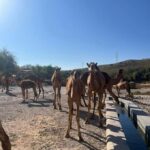
You might also encounter an extra stop along the way such as a camel farm, which some runs include. If you haven’t spent much time around camels in Oman yet, it’s a nice add-on that doesn’t steal the focus from the dunes.
Bedouin Camp Overnight: Dinner, Stars, and the Real Meaning of Basic Comfort
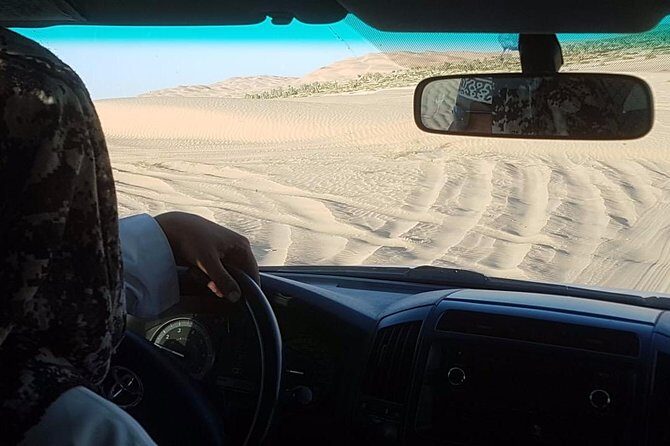
Once you reach the camp area, the overnight portion is where the trip becomes personal. Daylight makes the desert look huge. Night makes it feel endless.
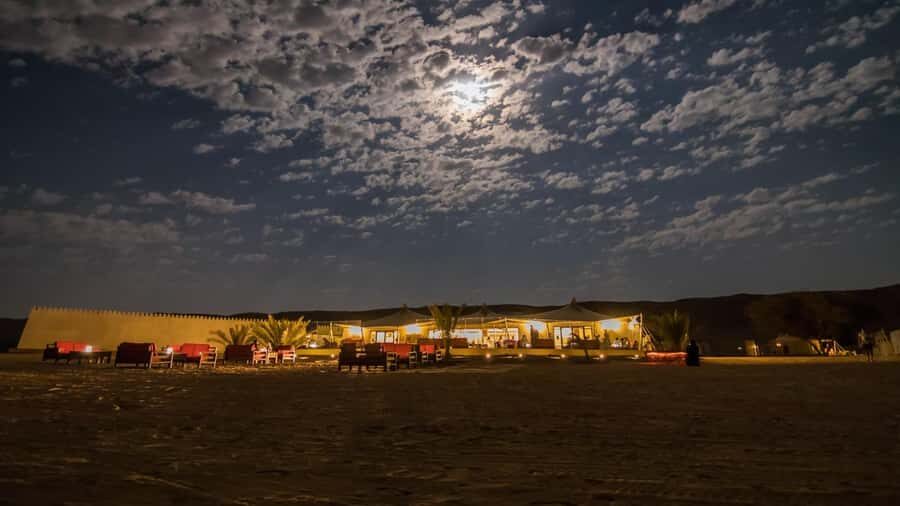
You’ll sleep in a Bedouin camp and be treated to an included traditional dinner. After that, the emphasis turns to the sky—stargazing as darkness falls is part of the plan. With the desert around you, even a simple night routine feels different, like the world’s volume drops to almost nothing.
Now, here’s the honesty you’ll thank yourself for: the camp is very basic. One guide-led experience described it as not comparable to more developed desert camps (like Wahiba Sands). That doesn’t mean it’s bad. It means you should pack your expectations like you pack your clothes—practical.
If you want warm hospitality and a front-row seat to the desert night, you’ll likely love this. Guides such as Mohammed, Ahmed, and Abo Salim have been praised for friendliness and for keeping the experience smooth and safe. Some guests also highlighted how a good guide attitude can make the difference between awkward and relaxed in a remote place.
Also remember the desert can throw curveballs. Wind can bring sand into eyes, and temperatures can swing by season. Bring a scarf and eye protection so you can enjoy the stargazing without rubbing sand out of your face like it’s a sport.
Waking Up in the Sand: Breakfast, Sunrise Light, and What Comes Next
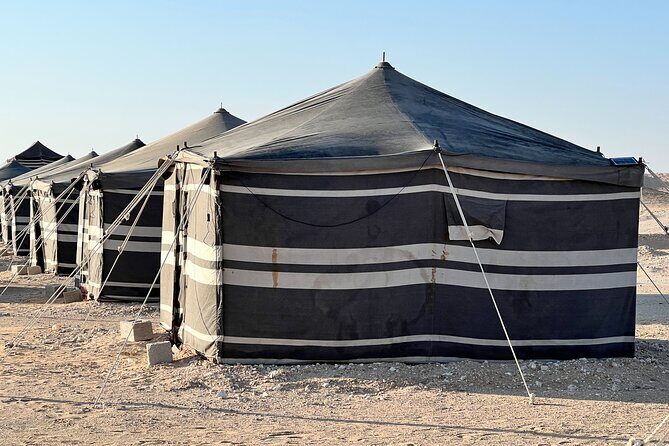
The next morning starts with the quiet magic you came for. You wake up in the Empty Quarter, have breakfast, and take in the dunes again in morning light. Sunrise and early morning views are often the payoff after a sunset night, and this schedule gives you both chances.
Breakfast is included, so you’re not stuck improvising meals. You’re also not rushing. This is one of those rare tours where the desert isn’t a drive-by postcard. You’re given time to feel the rhythm of the place.
After that, you leave the dunes behind and head to Wadi Dawkah. This switch matters because it shows another side of Oman’s UNESCO story: frankincense trees and the cultural landscape around them.

Wadi Dawkah Frankincense Trees: UNESCO Morning with a Real Purpose
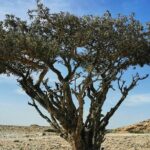
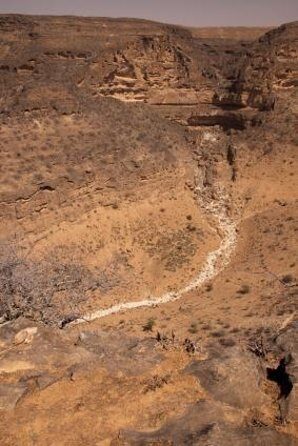
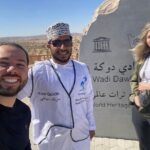
Wadi Dawkah is a UNESCO World Heritage site known for its famous frankincense trees. After a night in the sand, this stop provides contrast in a good way—green and natural rather than pure dunes.
You’ll have about one hour here. It’s enough time to understand what frankincense means historically and why this area is protected. It also breaks up the long drive so you don’t just end the trip with the feeling of having been in a car nonstop.
You’ll probably notice the guide’s role here. People have credited guides like Tahir Mahmood and others with explaining the frankincense theme along the way, not just pointing at trees. That’s a big part of why this kind of tour can feel satisfying even when the stops are time-limited.
Then you head back toward Salalah with the kind of memories that stick: dune light, starry sky, and a UNESCO site connected to a substance that once powered trade.
Price and Value: How $275 Fits (and What It Really Includes)
At $275 per person for roughly 2 days, the value depends on what you would otherwise have to arrange yourself. This package covers hotel pickup/drop in 4×4, one overnight in camp, and your included meals: traditional dinner and breakfast. You also get bottled water/snacks.
It’s also not just food and transport. Admission is part of the plan: Ubar’s archeological site has an admission ticket included, and Wadi Dawkah entry is included. The desert time itself is simply the desert—no added entry gate—so your money goes toward movement, guiding, and the overnight experience.
What’s not included is anything outside those stated inclusions. The listing also notes an admission fee field that likely refers to Ubar, which you should confirm during booking. As a practical step, verify exactly what’s covered for Ubar at checkout, so you don’t get surprised later.
One more value point: because this is private, the per-person cost can make sense only if you’re okay sharing the car time with your group and letting the guide tailor the pace. If you hate being limited to set photo stops, private routing is a plus.
What to Pack and How to Stay Comfortable in the Desert
This tour clearly expects you to handle desert conditions. Temperature can vary with the season, so you need more than shorts and good vibes.
Bring and use:
- Sun protection cream (seriously—think desert sun, not beach sun)
- Eye wear if it’s windy, since sand gravels can cause eye irritation
- A scarf to cover your head when the wind picks up
- Water snacks beyond what’s included, if you’re the type who likes extra peace of mind
Also keep moderate physical fitness in mind. You’re doing walking at Ubar and short dune experiences, so it’s not a couch-and-wait itinerary. Nothing extreme is listed, but you should be comfortable moving on uneven sand and rocky areas.
Who This Rub Al Khali Overnight Suits Best (and Who Might Rethink It)
I think this tour fits best if you want a desert night that feels real, not staged. You’re trading luxury comfort for access and atmosphere: dunes, sunset, sunrise, and a night sky that’s the main event.
It also suits people who like UNESCO stops but don’t want a museum-only trip. Ubar and Wadi Dawkah give you cultural context, which makes the desert feel more grounded.
You might rethink it if:
- You’re very sensitive to basic sleeping conditions
- You want lots of free time with no driving schedule
- You dislike cold nights and can’t handle temperature changes
If you’re flexible and you pack for wind and sun, you’ll likely find it rewarding fast.
Should You Book This Rub Al Khali Night Stay?
Yes, if you want a 2-day plan that combines UNESCO meaning with real desert time. The included dinner and breakfast are a big comfort win, and the private 4×4 pickup/drop means you’re not piecing together transport on your own.
Book it with eyes open if you care most about luxury. The camp is basic, and that’s part of the bargain. You’re booking stargazing, dunes, and the feeling of being far from the usual travel loop.
Quick decision tip: if you’re the type who enjoys a good guide—people have highlighted friendly, capable guides like Ibrahim, Mohammed, Ahmed, Tahir Mahmood, and Abo Salim—then you’ll get more out of the day through explanations and smart timing.
FAQ
How long is the Rub Al Khali magical night stay?
It runs for about 2 days.
What time does the experience start?
The start time is 1:00 pm.
Is pickup and drop-off included?
Yes. Pickup and drop-off from your hotel are included in 4×4 vehicles.
What meals are included?
Dinner and breakfast are included.
Are admissions to Ubar and Wadi Dawkah included?
Yes. Ubar admission ticket is included, and Wadi Dawkah entry is included. Empty Quarter time is described as free.
What kind of accommodation is provided for the night?
You stay overnight in a Bedouin camp. Based on experiences shared, the camp setup is very basic.
Will I have an English-speaking guide?
Guide availability in some European languages can be limited, and in those cases an English-speaking guide with an Omani license is arranged.
What should I bring for the desert?
Bring sun protection, and also consider eye wear and a scarf to protect against wind and sand. Desert temperatures can vary by season.