East Salalah packs sea, cliffs, and ancient ruins. This full-day route through Dhofar mixes ocean moods, mountain valleys, and a real UNESCO site—so you’re never stuck doing the same kind of sightseeing for hours.
I love the Wadi Darbat nature time, especially the waterfall-and-stream feeling, and I also love the slow shift from coast to interior when you reach the Hinnah Valley baobabs. You’ll also get a guide who explains what you’re seeing as you go, not just a drive-and-drop style.
One thing to plan for: the day is long and some stops involve short walks and climbing stairs, especially at the archaeological area and around the baobab trees.
In This Review
- Key takeaways
- Why This East Salalah Day Tour Works So Well
- Price and Logistics: What You’re Really Paying For
- Stop-by-Stop: From Taqah Beach to UNESCO Sumhuram
- 1) Taqah Beach: First look at Dhofar’s coast
- 2) Taqah Castle: Mud houses, sardines, and the Wali’s past
- 3) Taqah Viewpoint: Quick ocean panorama
- 4) Wadi Darbat: Waterfalls, cool air, and nearby herds
- 5) Tawi Attair sinkhole: Karst limestone and birds in the opening
- 6) Gravity Point: Try the uphill trick in neutral
- 7) Baobab Trees in Hinnah Valley: Rare giants with local names
- 8) Sumhuram Old City (UNESCO): Ancient frankincense port on a hill
- What I Think You’ll Enjoy Most (Based on Real Day-Tour Priorities)
- Who Should Book This East Salalah Tour
- Should You Book This East Salalah Day Tour?
- FAQ
- What does the tour cost?
- How long is the East Salalah tour?
- Do you get pickup and transportation?
- Are admission fees included?
- Is there a guide, and what languages do they speak?
- Is the tour private?
- Are mobile tickets provided?
- Is bottled water provided?
- Will I need to walk or climb stairs?
- What happens if weather is poor?
Key takeaways
- Sea-to-valley order keeps the day feeling fresh, starting on the coast and ending at ancient Sumhuram
- Wadi Darbat is the big nature payoff, with flowing water and chances to spot herds nearby
- Tawi Attair sinkhole is dramatic and bird-filled, with a karst opening your guide helps you understand
- Gravity Point is a hands-on roadside wonder where you test the uphill effect in neutral
- Hinnah Valley baobabs give you rare, oversized trees with useful local names for photos
- Sumhuram’s frankincense-port story ties the whole day together with a UNESCO setting
Why This East Salalah Day Tour Works So Well
This isn’t a “check-the-box” day. The route is built like a storyline: coast first, then climbing into valleys and limestone wonders, and finishing with an ancient port city on a hill. That flow matters because Dhofar can feel huge and spread out—this tour gives you the best chunks in one go.
I also like the balance between wow moments and real context. You’ll see dramatic places like the sinkhole and Gravity Point, but you’ll also get explanations at stops such as Taqah Castle and Sumhuram, where the setting is tied to how people lived and traded.
Finally, the tour feels practical for a day trip. You have an air-conditioned vehicle, bottled water, site admission fees included, and a local Arabic/English-speaking guide who helps keep timing tight.
A few more Salalah tours and experiences worth a look


Price and Logistics: What You’re Really Paying For
The price is $207 per person for a 6 to 8 hour day. At first glance, that might sound steep—until you add up what’s included: admission tickets for all stops, a guide, and vehicle costs (with 4WD depending on group size), plus bottled water.
You also get a setup that’s easier than figuring things out on your own. The itinerary includes a mix of viewpoints and sites that aren’t just one parking lot away. Having the right vehicle and a local guide saves time and stress, especially once you’re heading out toward the more rugged areas.
One more logistics note: it’s a private tour/activity, so you’re not sharing the day with random strangers from other tours. Based on group size, the provider uses 2WD for 1–3 adults, 4WD for 4–6 adults, and two 4WD cars for 7–9 adults, with one guide and two drivers where needed.
Stop-by-Stop: From Taqah Beach to UNESCO Sumhuram
1) Taqah Beach: First look at Dhofar’s coast
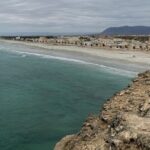
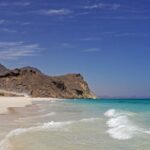
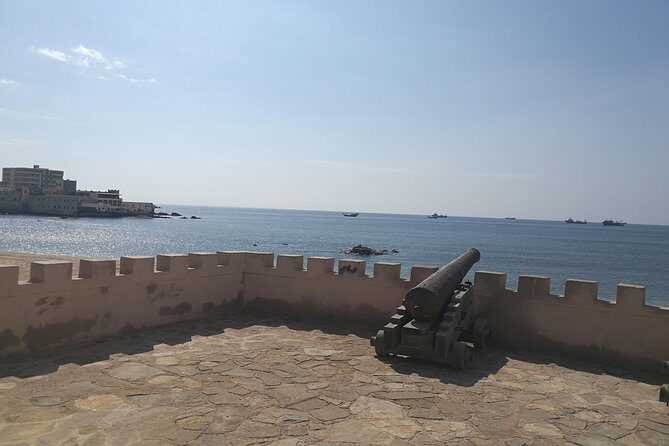
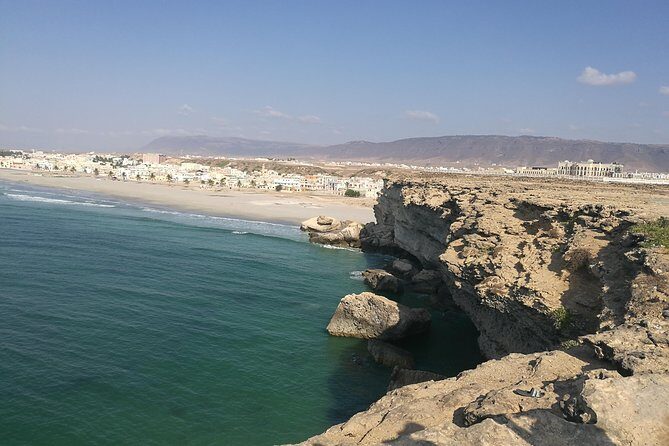
Your day starts at Taqah Beach. The vibe here is seaside calm: palm trees lining the coast, moderate waves, and a chance to spot dolphins if you’re lucky. It’s not a museum stop. It’s a breather stop, and it’s a good place to reset before the day gets more “scenery, then science.”
Practical tip: bring sunscreen and a hat. You’ll likely be outdoors longer than you expect, even with a 15-minute stop.
2) Taqah Castle: Mud houses, sardines, and the Wali’s past
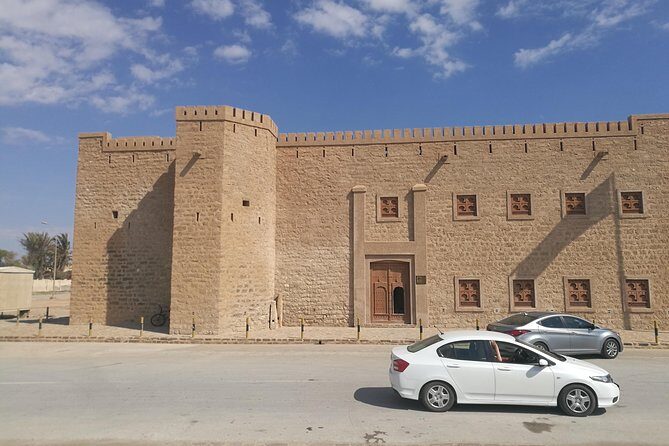
Next comes Taqah Castle, set in the old fishing and farming town of Taqah. This is where you slow down. The castle was once the home of the Wali (governor) and is now used as a historical center with displays. You’ll also get a feel for local Dhofari mud-house life, plus the town’s reputation for dried sardines and rural harvests.
Heads up: Taqah Castle is sometimes under maintenance, and in that case you’ll get extra time at the nearby cliff viewpoint instead. That’s not a problem—it just changes where you spend your photography minutes.
The stop lasts about 1 hour, so it’s long enough to actually walk through and take in the details.



3) Taqah Viewpoint: Quick ocean panorama
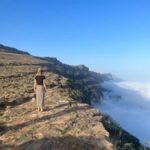
After the castle, you’ll hit Taqah Viewpoint Cliff for a short 15-minute stop. The point here is the dramatic view: ocean meeting steep rocky drops. This is a good pause for photos and for getting your bearings before heading inward.
If you’re sensitive to heights, take your time near the edges. The viewpoint is designed for watching the coastline below—just stay safe and follow your guide’s lead.
4) Wadi Darbat: Waterfalls, cool air, and nearby herds
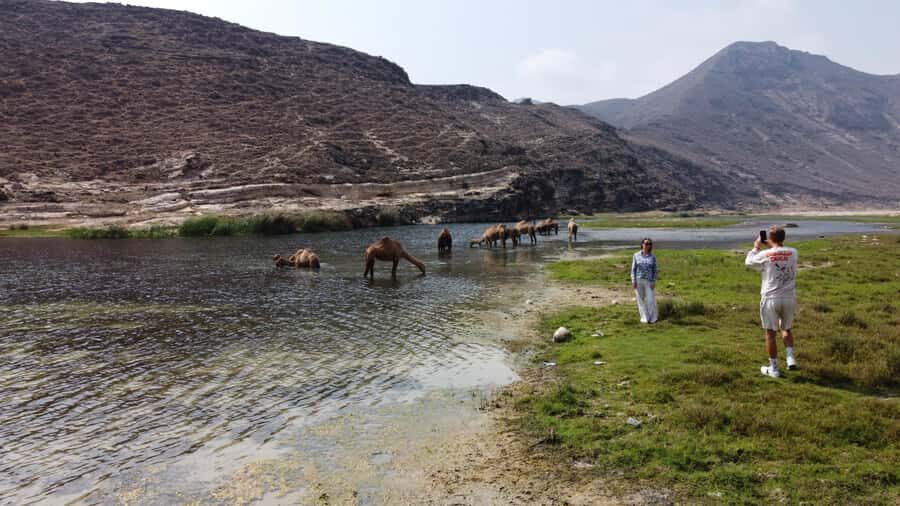
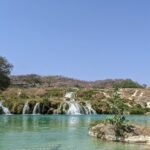
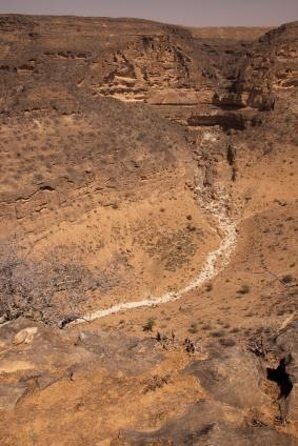
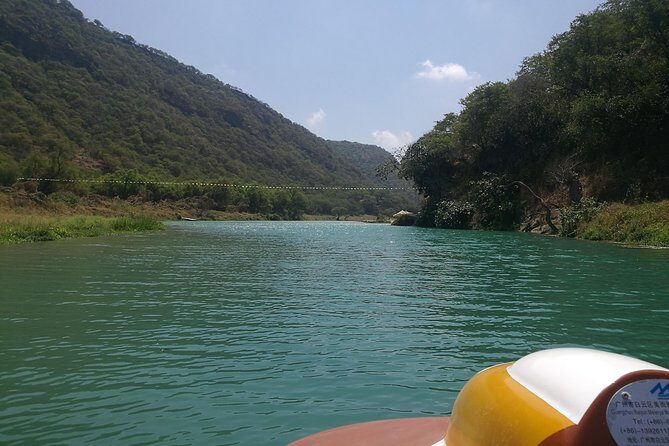
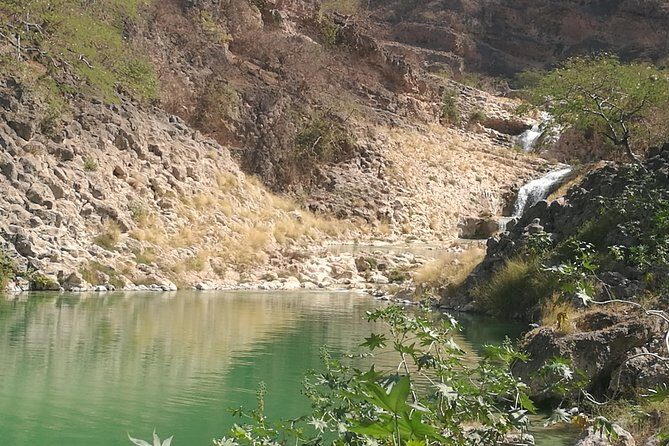
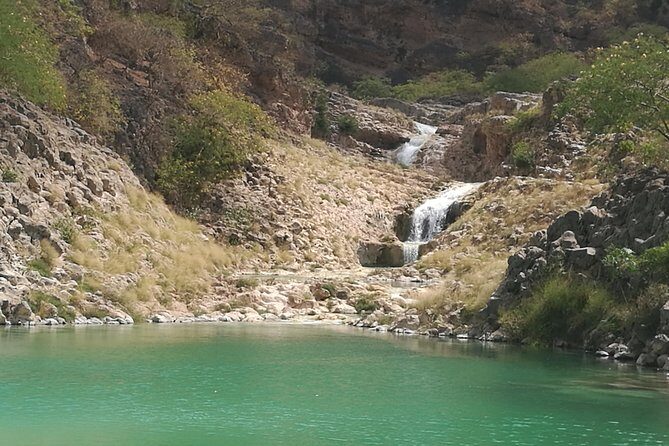
Then the tour turns into valley mode at Wadi Darbat. This place is one of Dhofar’s best-known nature stops, and the reason is simple: when the area is flowing, it feels alive. You’ll see flowing water shaped by underground sources that create a lovely lake, plus smaller falls and stream stretches.
It’s also where you might enjoy light recreation depending on season and conditions. The tour info mentions activities such as pedal kayaking and boats after the monsoon period, but the key is this: the valley is most special when water levels and greenery are at their best.
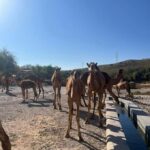
You may also spot local herds—camels, goats, and other animals—hanging around the valley edge.
This is a 1 hour stop with free admission, so it’s long enough to walk a bit and enjoy the sound of water, but not so long that you feel trapped.
5) Tawi Attair sinkhole: Karst limestone and birds in the opening
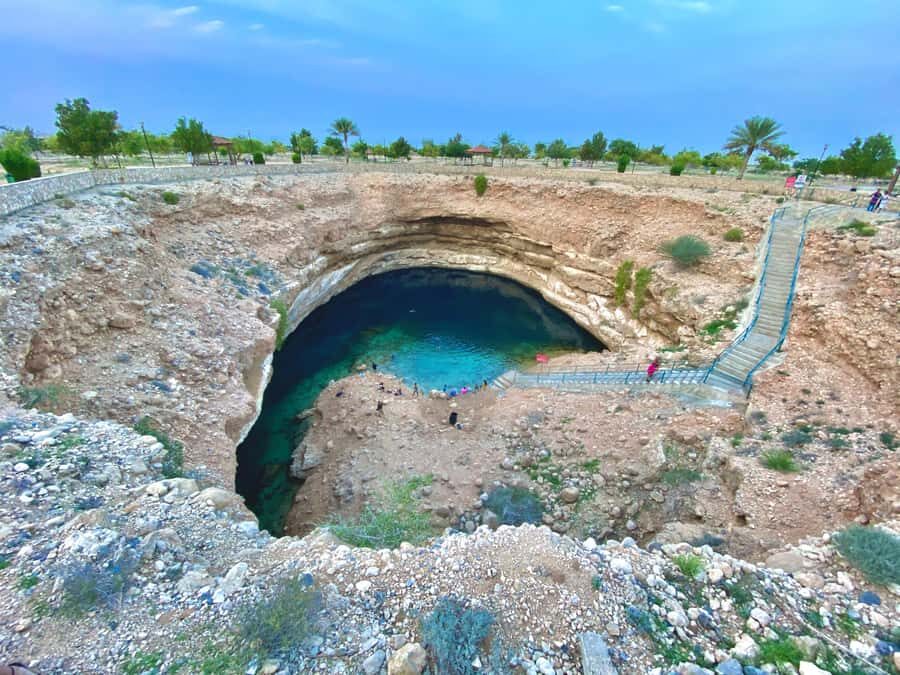
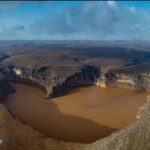
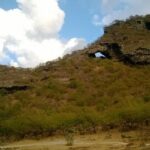
About 20 minutes of driving later, you reach the Tawi Attair sinkhole, known locally as the well of birds. This isn’t a man-made site. It’s a natural karst formation carved into limestone, described as 211 meters deep—that’s roughly like a 60-floor building.
Your guide will explain what’s happening here, and you’ll pause at a view point where birds gather around the opening. The atmosphere is the point: echoing calls and lots of movement near the sinkhole walls.
Time on site is about 30 minutes. Wear shoes with grip if the viewing area is uneven, because you’ll be standing and moving short distances.
6) Gravity Point: Try the uphill trick in neutral
Next is Gravity Point, about 15 minutes away down the hills of Samhan mountain. The experience here is simple and a little playful: you park your car in neutral and watch it appear to roll uphill. The guide will set you up so you can experience the effect yourself.
It’s called a controversial or “mystery” natural phenomenon, and it makes sense you’ll want to see it rather than just hear about it. This stop lasts about 25 minutes, including time for the explanation and photo moments.
Safety note: follow instructions closely and don’t wander around the road edge. This is roadside science, not a theme park.
7) Baobab Trees in Hinnah Valley: Rare giants with local names
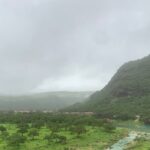
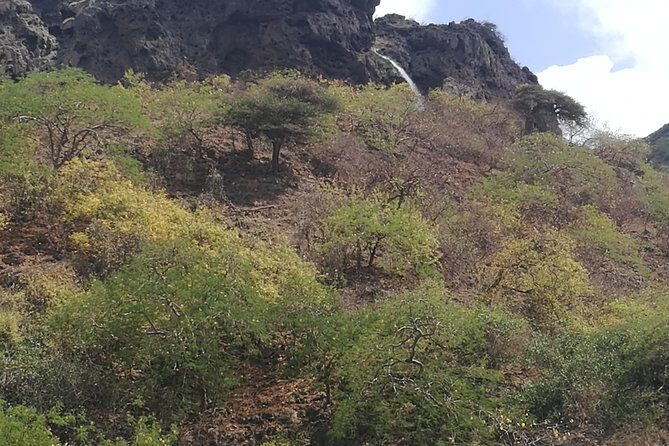
After that, you head to Hinnah Valley on Samhan mountain for the baobab trees. The tour highlights the large Tabaldi baobabs, locally tied to names like Ankiji or Al Mashwa. Scientifically, you’ll hear the term Dania digitata (as given in the tour details).
These are the type of trees people associate with Africa and Madagascar—so seeing them in Dhofar feels special. The tour info also says there are about 200 baobabs in Dhofar, and the trees can reach up to 25 meters tall with trunks up to 2 meters in diameter.
Time here is about 30 minutes, which is just right for photos and for walking at a relaxed pace.
Practical tip: bring a light layer even if it’s warm in town, because mountain-valley stops can feel cooler in shade.
8) Sumhuram Old City (UNESCO): Ancient frankincense port on a hill
The final stop is Sumhuram Old City, a UNESCO-listed world heritage site. It sits on a hill overlooking the Indian Ocean, and the setting gives you instant perspective: this is how a port city would watch for trade coming in.
The story told at the site centers on Sumhuram as an important port for Dhofari frankincense trading, with history going back a few centuries BC. The information center includes a 6-minute clip that helps you place what you’re seeing in context.
Time on site is about 30 minutes. This is also one of the places where you may deal with a bit of uneven ground and stairs, so plan for that if you’re traveling with kids or if mobility is limited.
What I Think You’ll Enjoy Most (Based on Real Day-Tour Priorities)
This tour gets high marks for a reason: it hits a lot of emotional “categories” in one day. You get the ocean start, valley water time, a limestone sinkhole with birds, a playful gravity experiment, rare baobabs, and then a UNESCO ending. That mix is hard to replicate on your own without more time.
I also like that guides seem to handle the day with flexibility when needed. In the feedback from previous travelers, guides like Hamid and Hafez come up as strong points—especially for early pickup, clear English, and adapting when families asked for itinerary changes. One of the most practical things I’d look for in a tour provider is this: can they keep the day running smoothly while still adjusting details? The reports suggest they can.
Families have a strong fit here too, as long as you’re realistic about walking. People specifically noted help on harder paths with kids, which matters. If your group includes children, ask your guide what the walking will feel like at Sumhuram and among the baobabs so you can pace the day.
Photo lovers also win. You’ll photograph sea-and-cliff angles at Taqah, moving water in Wadi Darbat, birds near Tawi Attair, and then the scale of the baobab trunks in Hinnah Valley. The viewpoint stops alone give you natural composition without needing long hikes.
Who Should Book This East Salalah Tour
This tour is best for you if you want a full day that feels like a greatest-hits course, but still includes places with meaning. It’s a strong match for:
- First-time visitors to East Salalah who want to cover coast, valleys, and a UNESCO site in one day
- People who like nature, odd natural features, and scenic viewpoints
- Families who want a guided day with support on walking paths
- Anyone who values having admission fees handled and not managing tickets and turnoffs yourself
If you hate long drives or you want a low-walking pace throughout, you might feel the schedule more than you’d like. The tour is packed by design, and a few stops involve climbing stairs or short walks.
Should You Book This East Salalah Day Tour?
Yes—if your goal is to see East Salalah’s key natural and cultural stops in one efficient day. At $207 per person, the value is strongest because site admission, a guide, and the right transport for the route are all wrapped in, not added later.
I’d book it if you’re excited by variety: beach to castle, waterfall valley to sinkhole, a gravity trick by the road, and then baobabs and ancient Sumhuram. If weather is a worry, also be aware the experience requires good weather; the provider can offer a different date or a full refund if it gets canceled for poor conditions.
FAQ
What does the tour cost?
The price is $207.00 per person.
How long is the East Salalah tour?
It runs about 6 to 8 hours.
Do you get pickup and transportation?
Pickup is offered, and the tour includes an air-conditioned vehicle with private transportation.
Are admission fees included?
Yes. All sites admission fees are included.
Is there a guide, and what languages do they speak?
A local Arabic/English speaking guide is included.
Is the tour private?
Yes. It’s a private tour/activity, so only your group participates.
Are mobile tickets provided?
Yes. The tour includes a mobile ticket.
Is bottled water provided?
Yes. Bottled water is included.
Will I need to walk or climb stairs?
Some stops require slight physical effort, including walking and climbing stairs at the archaeological site and at the baobab valley.
What happens if weather is poor?
The experience requires good weather. If it’s canceled due to poor weather, you’ll be offered a different date or a full refund.