REVIEW · SALALAH
Empty Quarter And Lost City Of Ubar
Book on Viator →Operated by Best Shore trips · Bookable on Viator
Desert sand in a single day sounds simple. Then you’re faced with the scale of the Empty Quarter and the mystery of Ubar. I like that you get easy hotel pickup and drop-off plus a private vehicle with a guide, so the long road has context, not just windshield time. The main thing to consider is the trade-off: it’s a long drive, and the most intense desert moments can feel brief for the price.
You’ll pass from mountain roads into the famous Nejd area of Dhofar, then out toward Rub Al Khali’s massive dunes. I love that the stops aren’t only about scenery; you also visit Thumrait, a former Bedouin settlement site, and then the location tied to Ubar’s story. Still, at $250 per person, you’ll want to be sure you’re buying the experience of getting there—not just a quick dune view.
In This Review
- Key things to know before you go
- The Empty Quarter and Ubar: why this day tour feels special
- Price and logistics: what you’re really paying for
- Leaving Salalah: the drive over the Qara Mountains to Dhofar
- Vehicle size note (matters for comfort)
- Thumrait: a quick Bedouin settlement stop with real context
- A drawback worth considering
- Rub Al Khali: the Empty Quarter dunes and the 250-metre scale
- What you’ll do with the dunes
- Quick practical advice
- Ubar: the lost city story, and why the site matters
- Why this stop is worth your time
- Frankincense trees on the way back: a sensory close to the day
- How hard is it, really? Physical pace and comfort
- Who should book this tour from Salalah
- Should you book? My honest take
- FAQ
- How long is the Empty Quarter and Ubar tour from Salalah?
- Is hotel pickup and drop-off included?
- Is this a private tour?
- What’s included in the price besides transport?
- Do I need a passport for this tour?
- What should I know about children on this tour?
Key things to know before you go
- Hotel pickup and drop-off keeps the day low-stress, especially in Salalah heat
- Private guide and private vehicle means you can focus on questions and photo stops
- Thumrait stop adds human context before the Empty Quarter’s emptiness
- Rub Al Khali dunes can reach 250+ metres, so the scale hits fast
- Ubar site linked to satellite discovery (1982) gives the myth a real-world anchor
- Frankincense trees on the return give you a final dose of southern Oman
The Empty Quarter and Ubar: why this day tour feels special
If you’ve only ever seen deserts in postcards, this is the day that flips the script. The Empty Quarter, or Rub Al Khali, isn’t just “sand.” It’s the kind of place where distance changes how you measure time. One minute you’re driving through mountain country; the next, the horizon starts doing something dramatic and slightly unnerving.
The second reason this tour works is that it pairs scale with story. You don’t only chase dunes—you also visit the site associated with the lost city of Ubar, often called the Atlantis of the Sands. That combo matters because it turns your photos into something you can explain. It’s easier to remember a place when you know why people thought it mattered.
You can also read our reviews of more city tours in Salalah


Price and logistics: what you’re really paying for

Let’s talk value, because this one can land either way. The tour runs about 8 hours and costs $250 per person. Part of that cost is straightforward: private transport, fuel and taxes, and national park fees are included. You also get bottled water and your guide/driver.
But the other part is the reality of southern Oman: the sites are far from Salalah. That distance is exactly what makes the day feel like an event. It’s also why one common complaint shows up—people can feel the time spent in the desert is short compared to the drive.
So here’s how I’d judge it if I were you:
- If you want a relaxed day where someone else handles the road and interpretation, this is a good deal.
- If you want lots of hours on the dunes themselves, you may feel the timing is tight.
- If you’re comfortable paying for comfort and context, you’ll likely enjoy it more.
Leaving Salalah: the drive over the Qara Mountains to Dhofar
The day starts with pickup from your Salalah hotel in a private vehicle. That’s not just a convenience detail. It changes your whole day because you won’t burn energy figuring out routes or bargaining for transport once you’re already on a schedule.
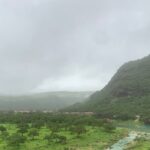
From there, you’ll drive across the Qara Mountains and into the Nejd area of Dhofar. Nejd is where the “real desert feeling” starts to take over—rolling sands and open views that feel different from coastal Salalah.
What I like about the way this tour is built is that the drive isn’t wasted. With a guide along, you’re learning while you’re moving. You’re not just staring out the window hoping something interesting happens. (And in Oman, something interesting usually does.)
Vehicle size note (matters for comfort)
The tour is private for your group, and the vehicle capacity depends on what’s used:
- Salon car: up to 3 seats
- 4×4: up to 6 seats
If you’re traveling with a small group, a salon car can be more comfortable. If your group is bigger, the 4×4 keeps everyone together.
Thumrait: a quick Bedouin settlement stop with real context
Before the Empty Quarter fully takes over, you make a brief stop at Thumrait, known as a Bedouin settlement area. This stop is small in time, but it’s big in value—because it answers an important question.
When you’re standing among dunes that stretch outward, it’s easy to picture the desert as empty. Thumrait helps correct that. It reminds you that people lived with and through this environment, not just around it.
Even if your stop is short, it gives you a mental anchor. You start the day seeing mountains and sand, and you end it better understanding why settlements and travel routes existed in a place that looks too harsh to support life.


A drawback worth considering
If you’re the type who hates short stops (you want long walking time everywhere), this is the one part that might feel like a “blink and you’re done” moment. The tour’s pacing prioritizes the big desert destinations later.
Rub Al Khali: the Empty Quarter dunes and the 250-metre scale
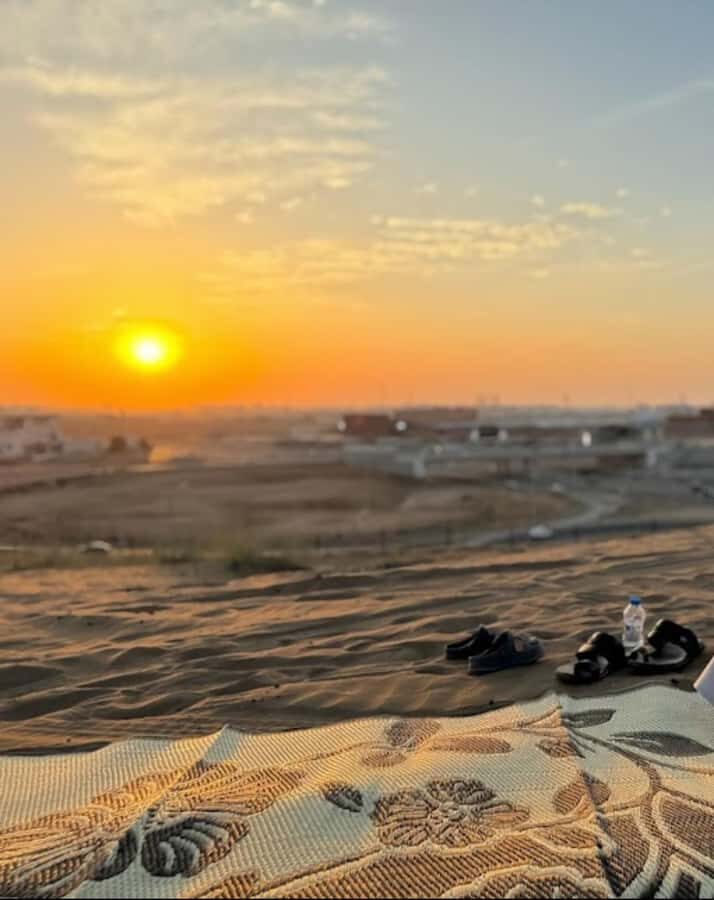
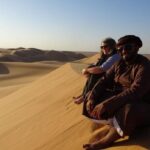
Then comes the part you came for. You drive into the Empty Quarter (Rub Al Khali) where you’ll see high sand dunes that rise to 250 metres and above.
That number is useful because it’s not “tall dunes.” You’re looking at something that behaves almost like terrain. Depending on where you stop, the dunes can look like walls, ridges, and slow-moving waves. From a photo perspective, it’s spectacular. From a reality perspective, it’s slightly mind-bending—how something so simple can look so complicated.
What you’ll do with the dunes
Your time in the sand area includes exploring the dunes. The tour description focuses on viewing and exploring, and it positions the dunes as the most “popular” Dhofar desert attraction. You’ll also spend time driving within the area as part of reaching the next major stop.
One real-world note: a past reviewer felt the dune time was short and that the most intense dune driving was brief. That’s not universal, but it’s a good warning. If you want long dune thrills, don’t treat this as a multi-hour off-road sand playground.
Quick practical advice
- Wear sun protection. Even when it feels cool early, desert sun can be sneaky.
- Expect uneven sand underfoot around dune viewing points.
- Bring a camera you can control with one hand. The day moves.
Ubar: the lost city story, and why the site matters
The last big stop ties myth to evidence. You drive to the site of Ubar, a city said to have been swallowed by the desert—often described as sinking without trace. In many tellings, it becomes an Atlantis-like legend.
What makes your visit more than just a story stop is that this location connects to modern discovery. The tour information explains that Ubar was spotted by satellite, and that the later work in 1982 was led by Sir Ranulph Fiennes. That gives you a different kind of satisfaction: you’re not only hearing about a legend. You’re seeing the kind of place where explorers put old stories and new tools into the same frame.
I like this stop because it invites good questions. Standing in the desert after seeing dunes on a massive scale, you start to understand why the story stuck in the first place. The setting does half the explaining.
Why this stop is worth your time
If your only plan in Salalah is beaches and frankincense culture, Ubar gives you contrast. It’s a different Oman—one where survival and movement shaped life so hard that later generations turned it into myth.
Frankincense trees on the way back: a sensory close to the day
On the return to Salalah, you’ll pass by frankincense trees. This is a small detail in the schedule, but it’s a meaningful one. Southern Oman isn’t only about sand. Frankincense is part of its identity, and seeing the trees helps you connect what you learned earlier with what makes the region culturally distinct.
Even when you don’t stop for long, this kind of final visual helps the day feel coherent: mountains, desert, and then the plants tied to Oman’s historic trade and tradition.
How hard is it, really? Physical pace and comfort
This is rated for people with moderate physical fitness. That doesn’t mean you’ll need hiking boots and training plans. It does mean you should be comfortable with:
- standing and walking on uneven ground near sand and viewing areas
- spending a full day moving by vehicle
- being in the sun for long stretches
Also note: it’s a private tour/activity, so only your group participates. That matters for comfort. There’s no mixed crowd chaos, and you can keep your own rhythm with the guide.
Who should book this tour from Salalah
This experience makes sense if you:
- want a guided desert day without dealing with logistics yourself
- like pairing big nature with a clear story and context
- enjoy photography where the environment looks different from anything near Salalah
- are traveling with friends or family who want a shared, memorable outing
It might not be the right fit if you:
- expect lots of time in the dunes themselves
- hate long drives and prefer to spend the day closer to your hotel
- feel strongly that desert tours should be priced like short excursions
Should you book? My honest take
I’d book this tour if you’re the type who values meaning along with scenery. The best version of this day is the one where the guide helps you understand Thumrait before the dunes, and Ubar after them. That context turns a drive into a story you can carry home.
But I’d hesitate if your main goal is maximum dune time. The day is long, and the desert moments may feel brief to people who want more hours on sand. At $250 per person, you’re buying private comfort and guided interpretation as much as you’re buying the dunes.
If you want a low-stress desert adventure from Salalah and you’re okay with the drive-time trade-off, this is a strong candidate. If you want long, extended off-road play, look for an option that gives more hours in the Rub Al Khali area.
FAQ
How long is the Empty Quarter and Ubar tour from Salalah?
It runs for about 8 hours (approximately).
Is hotel pickup and drop-off included?
Yes. The tour includes hotel/port pickup and drop-off and round-trip private transfer.
Is this a private tour?
Yes. It’s a private tour/activity, so only your group participates.
What’s included in the price besides transport?
Fuel surcharge, local taxes, national park fees, bottled water, and the driver/guide are included.
Do I need a passport for this tour?
Yes. A current valid passport is required on the day of travel.
What should I know about children on this tour?
Child rates apply only when sharing with 2 paying adults, and children must be accompanied by an adult.