REVIEW · SALALAH
Salalah East & West Combination(Salalah tours):Oman Shore excursions
Book on Viator →Operated by Oman Day Tours · Bookable on Viator
You can feel the old incense trade in Salalah. This private day trip strings together Taqah’s coastal village life and Mughsail’s blow holes and frankincense valleys in one efficient loop. I also like that it’s paced for a guide-led story, not a rushed drive-by, with entry fees handled as you go. One thing to keep in mind: it’s a full 7–8 hour day with a lot of stops and some winding roads.
What makes it really interesting is the theme: the Frankincense Trail, from start to finish. You’ll visit archaeological and historic sites around Salalah, then smell incense where it grows in the natural habitat near Mughsail. The trade route context turns what could be a collection of sights into one clear picture of Dhofar’s past and why Salalah matters.
In This Review
- Quick highlights you’ll care about
- Why this Salalah East & West loop works
- Getting set up: pickup, timing, and what to expect
- Stop by stop: Taqah and the start of the story
- Taqah: old fishing village and dried sardines tradition
- Taqah Castle: the Wali’s residence
- Khor Rori (Sumhuram): incense-route ruins with real context
- Mirbat and the Bin Ali Tomb photo stop
- Mirbat: mud-house streets and Dhofar’s ancient capital
- Bin Ali Tomb: twin-domed medieval architecture
- Ain Razat springs: a cool, calm break
- Qara Mountains: rural views with herds on the incline
- Nabi Ayoub’s Tomb: legend in the green mountains
- Al Mughsail Beach: blow holes, white sand, and the frankincense walk
- Mughsail Beach and the blow holes
- Western border cliffs and frankincense trees in the valleys
- Photo stop at the lagoon
- Price and value: what $430 buys you for up to 4
- Who this tour is best for
- Little tips so your day runs smoother
- Should you book this Salalah East & West combination?
- FAQ
- How long is the Salalah East & West combination tour?
- How many people are in a group?
- Is pickup and drop-off included?
- Are entry fees included?
- Does the tour include bottled water?
- Do I need a passport?
- Is this tour suitable for cruise ship passengers?
- What ticket type do I receive?
- Is there a child rate?
- What is the cancellation policy?
Quick highlights you’ll care about
- Private group up to 4: you’re not sharing the van with strangers
- UNESCO-linked Khor Rori ruins: Hadramawt incense-route port history in real ruins
- Taqah old village + castle: sardine-drying tradition and the Wali’s former residence
- Ayn Razat springs: a calm stop that breaks up the driving
- Qara Mountains viewpoints: herds of camels and cattle on steep inclines
- Mughsail blow holes + frankincense trees: coastal drama plus a short valley walk to smell the incense
Why this Salalah East & West loop works
This tour is built for one thing: helping you connect the dots. The sites are close enough to fit in a full day, yet spaced well so each stop has a purpose. Instead of bouncing between random landmarks, you follow a route tied to the ancient incense trade—then you end on the coast, where that trade route becomes very physical (wind, waves, stone, and that unmistakable scent).
The value is strongest when you compare what’s included. You’re not just paying for transport. The price covers fuel and local taxes, national park fees, bottled water, and a driver/guide, plus hotel/airport/port pickup and drop-off. Most entry fees are also included, so you spend less time handling logistics and more time watching the details your guide points out.
And because it’s private, you can ask questions, move at a comfortable speed, and spend extra time where you’re most curious—especially at the historic sites where good context changes how you read what you’re seeing.
You can also read our reviews of more tours and experiences in Salalah.
Getting set up: pickup, timing, and what to expect
The day starts with morning pickup from Salalah hotels, the airport, or the port. If you’re arriving by cruise ship, you’ll need to provide your ship name and docking/re-boarding times so the timing can be aligned.
You’ll travel in a private vehicle with a driver/guide. Expect a day that feels like “one long excursion,” not separate tours stitched together. With a total duration around 7–8 hours, you’ll want to plan your schedule around it—this is not a quick half-day.
You’ll also get a mobile ticket, so you don’t need to hunt for paper confirmations. Just keep your passport with you, since a valid passport is required on the day of travel. Most travelers can participate, but the route includes some winding roads and short walks at multiple stops.
Stop by stop: Taqah and the start of the story
Taqah: old fishing village and dried sardines tradition
Your first stop is Taqah, an old fishing village known for the manufacture of dried sardines and for traditional Dhofari houses. Even if you’ve never seen this kind of food production up close, it’s a great way to understand how coastal Salalah life worked before tourism and modern supply chains.
What I like about starting here is the contrast. You’re not yet in ruins or grand tombs. You’re in everyday history: the kinds of work, homes, and routines that built the communities that later sat along major trade routes.
Taqah Castle: the Wali’s residence
From there you head to Taqah Castle, a century-old structure and former official residence of the Wali (governor). This is one of those stops where architecture explains power. You get a clearer sense of how regional authority functioned in Dhofar and how the coast connected to governance.
You’ll have around an hour here, so it’s enough time to walk around, take a few photos, and read the site through your guide’s explanation without feeling rushed.


Khor Rori (Sumhuram): incense-route ruins with real context
The next big step is Sumhuram (Khor Rori), an archaeological site tied to the ancient incense trade. This was described as the easternmost outpost of the Hadramawt Kingdom along the old route linking the Mediterranean, the Persian Gulf, and India.
The key point: Khor Rori was an important coastal port in Dhofar, and frankincense shipment was a major part of that economy. The site is also noted as UNESCO World Heritage, which matters because it signals the global importance of what you’re looking at.
Here’s why this stop feels special on the ground: incense-trade history is easy to treat like a story you read in a book. But when you’re standing in the ruins of a port town tied to that trade, the details click faster. You can almost imagine caravans moving inland, then shipments moving through harbor activity and coastal routes.
Expect about an hour, with entry included. If you’re the type who likes history, this is the portion where the whole day really snaps into focus.
Mirbat and the Bin Ali Tomb photo stop
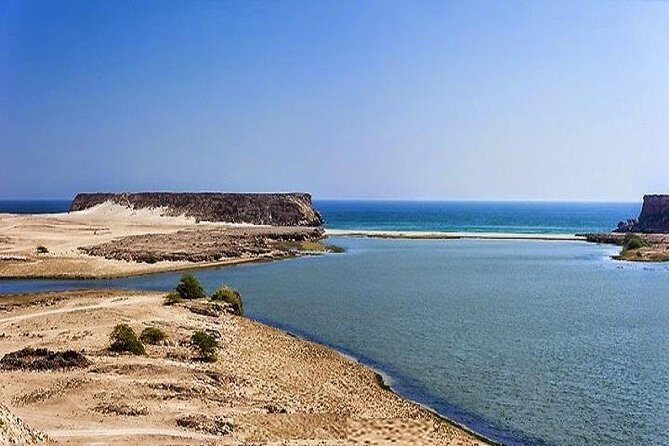
Mirbat: mud-house streets and Dhofar’s ancient capital
After the ruins, you drive to Mirbat, the ancient capital of Dhofar and the start point of the Frankincense Trail. You’ll stroll through streets lined with old Omani mud houses. This is a quieter stop than Khor Rori, but it’s important because it shows the human side of the region—homes, daily life, and a built environment that reflects how people adapted to climate and materials.
The trail theme continues here, so your guide’s stories help you see Mirbat not just as a scenic town, but as a place that mattered in the flow of goods and travelers.
Bin Ali Tomb: twin-domed medieval architecture
You’ll also stop for photos at the Bin Ali Tomb, a classic example of medieval architecture with twin domes. This is more of a quick visual checkpoint than a long exploration, but it’s a great “pause and frame the photo” moment.
If you enjoy architecture details, this is the spot to take your time with angles—domes and symmetry always reward a bit of patience.
Ain Razat springs: a cool, calm break
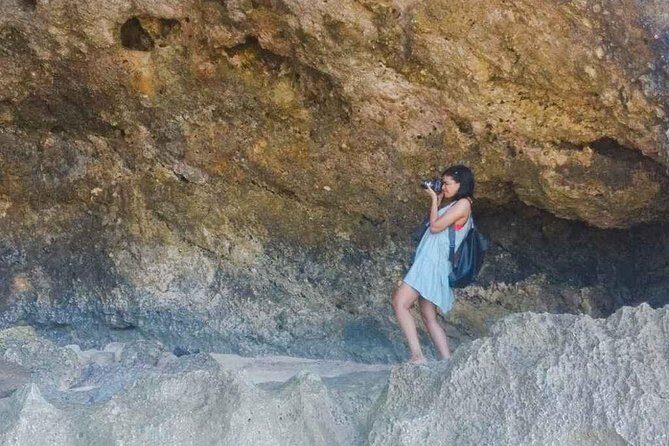
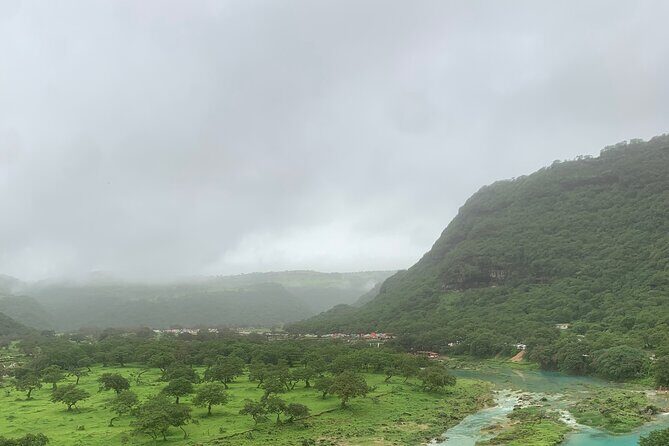
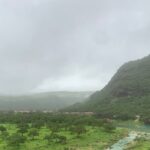
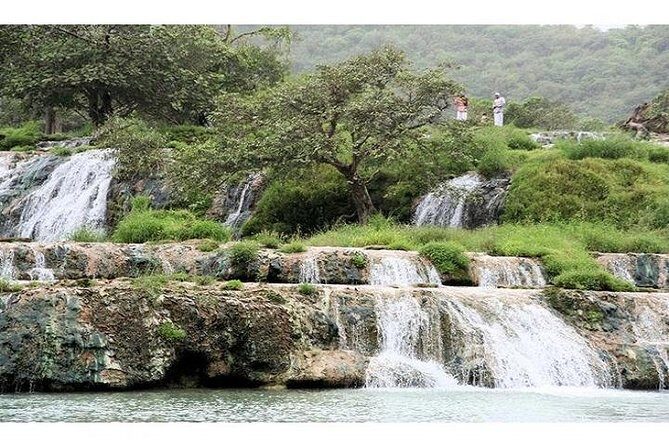
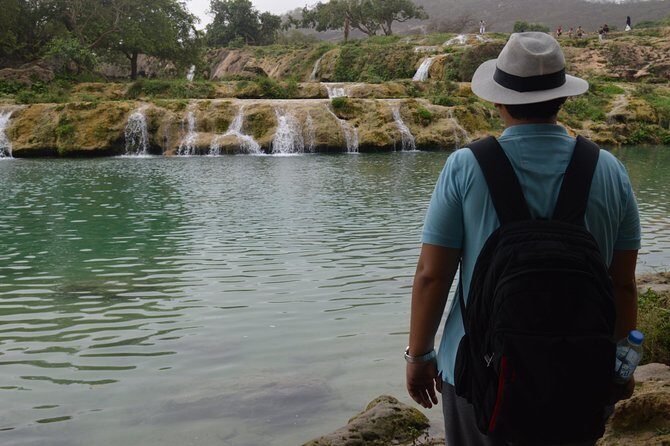
Next you’ll visit Ayn Razat, a natural spring beautifully laid out in lush mountains. The big idea here is not just pretty scenery; it’s the stability of water in a region where that’s often the limiting factor for life. This spring is described as being nourished every day by natural underground water.
You’ll have about an hour. It’s a nice reset from historic sites and helps the day feel balanced. If you get warm while sightseeing, this is the kind of stop that restores your energy before the mountainous western Salalah portion.
Qara Mountains: rural views with herds on the incline
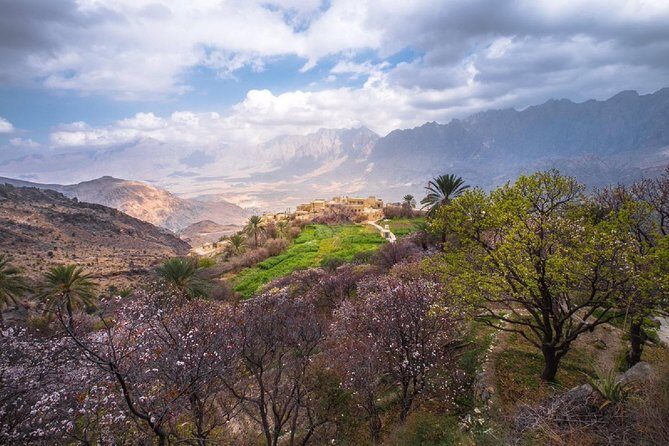
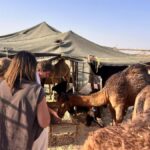
On the way back toward western Salalah, you’ll explore the Qara Mountains. The road winds up a steep incline, and it’s common to see herds of camels and cattle, adding a rural, lived-in feel to the scenery.
This part is especially good if you want more than monuments. It gives you a sense of how people and animals move through the region today, not just how it looked centuries ago.
The visit is about an hour. Bring your camera, but also remember this is a drive-and-view stop—use it to watch the way the land shapes daily life.
Nabi Ayoub’s Tomb: legend in the green mountains
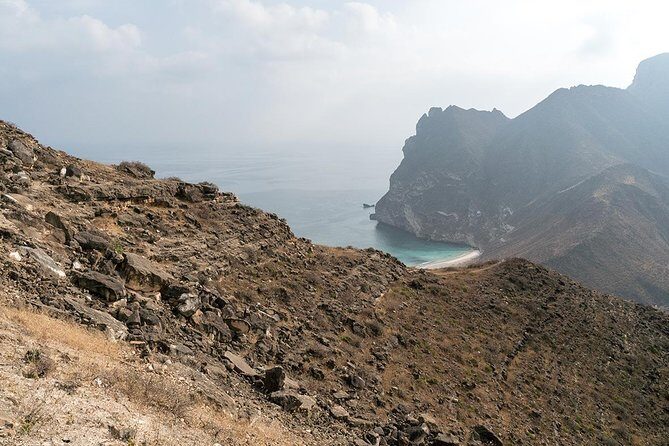
You’ll then visit the Tomb of Prophet Job (Nabi Ayoub) in the scenic green mountains of the Salalah Plains. This stop is tied to the legendary story of Prophet Job and emphasizes devotion.
Whether you’re deeply religious or you’re viewing this through a cultural lens, it’s a moving stop because it connects faith, geography, and local meaning. Also, the setting is part of the experience: it’s not an isolated building in a parking-lot world. It’s placed in a landscape that feels built for quiet reflection.
Again, expect roughly an hour here—enough time to understand the story and take in the atmosphere without rushing.
Al Mughsail Beach: blow holes, white sand, and the frankincense walk
Mughsail Beach and the blow holes
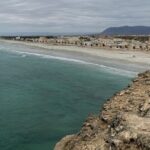
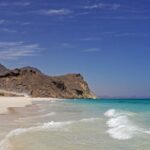
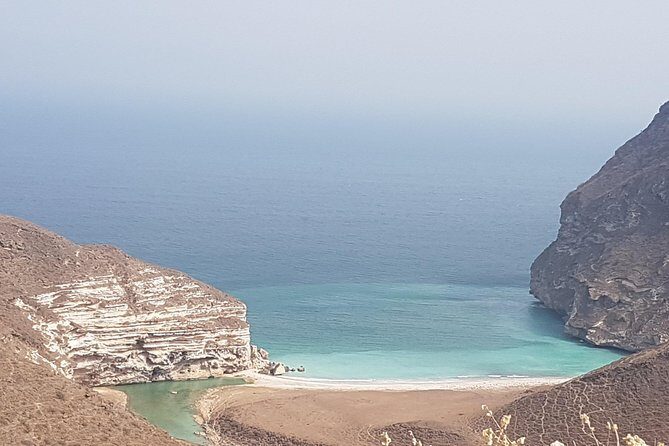
Now you reach the highlight coast: Al Mughsail Beach. You’ll see white sand meeting deep blue ocean water. At high tide, waves can burst through the natural blow holes, creating that dramatic splash-through effect you’ve probably heard about.
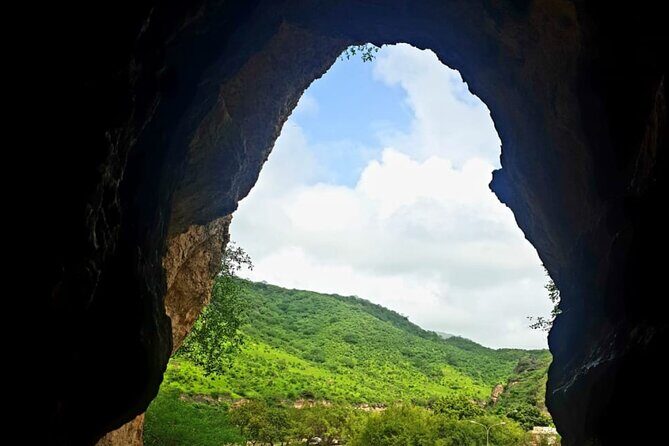
The beach area is also described as a rocky stretch with a cave-like entrance at the far end. This is a great spot for photos, but remember the sea is the boss here. Keep a respectful distance from unstable-looking edges and let your guide point out safe viewpoints.
Western border cliffs and frankincense trees in the valleys
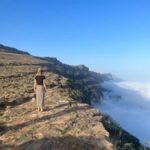
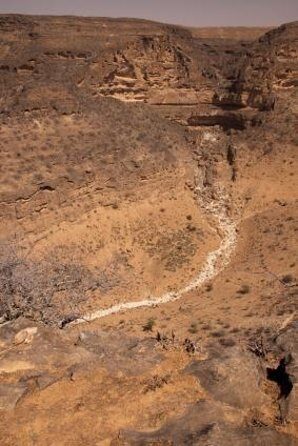
After the beach stop, the route continues along roads toward the western border of Oman, with cliffs on either side. This is where the tour leans into the frankincense theme again, focusing on historical frankincense trees growing in their natural habitat deep down in valleys.
You’ll take a short walk into the valleys to smell the holy incense in the surrounding scenic area. It’s one of those moments where “history” becomes something you experience directly. If you love sensory travel—scent, sound, wind—this part will stick with you.
Photo stop at the lagoon
On the return journey, there’s a photo stop at the lagoon at Mughsail where migratory birds show up, and flamingos can be a common sight. The exact timing depends on nature, but even when flamingos aren’t present, the lagoon area is still a good endpoint for the day.
Price and value: what $430 buys you for up to 4
The price is listed as $430 per group for up to 4 people, which is key. In practice, that can work out very well for small families or a duo traveling with a friend. You’re paying for a private day trip, not a shared coach tour.
Here’s where the math feels fair: the total package includes pickup/drop-off, private transport, bottled water, a driver/guide, and national park fees plus entry fees across multiple stops. You’re also covered for fuel surcharge and local taxes, so you’re less likely to hit surprise add-ons mid-day.
If you’re comparing options, look closely at what’s included. A lower base price that later adds entry fees and transfers often ends up costing similar amounts. With this one, the structure is meant to keep the day smooth: show up, drive, visit, learn, and finish without constant paying at each stop.
Who this tour is best for
This fits you if you want a single-day overview of Salalah that doesn’t stop at one beach postcard. The mix of Taqah village life, incense-route ruins at Khor Rori, and coastal Mughsail gives you a well-rounded view without needing multiple separate tours.
It’s also a strong pick if you like guided storytelling and want someone to connect the route theme across stops. And because the group is private and limited to your group only, you’ll likely feel more relaxed at the sites that benefit from explanation.
If you prefer a very slow pace with minimal driving, or you have serious mobility issues, you may find the day heavy. The route includes steep, winding inclines and multiple stops.
Little tips so your day runs smoother
- Wear shoes you trust for uneven ground at coastal and archaeological stops.
- If you’re sensitive to heat, bring sun protection and take your water breaks—bottled water is provided.
- Bring a light layer for the vehicle, since drives can shift temperatures quickly.
- Keep your camera ready for domes, mud-house streets, and the blow holes at tide times. Your guide can also help you time photos as you move.
Should you book this Salalah East & West combination?
I’d book it if you want one focused day that explains Salalah through the lens of the frankincense trade, from village origins to port ruins to coastal blow holes. The value works best for small groups, and the included entry fees and park fees help you feel like the tour is doing its job instead of nickel-and-diming you.
Skip it if you only want a beach day, or if you strongly dislike long, stop-heavy itineraries with winding roads. In that case, you might prefer a shorter, single-area excursion.
If your goal is a guided, coherent loop around Salalah’s most meaningful sites, this is the kind of day trip that gives you a lot to remember without stretching your schedule.
FAQ
How long is the Salalah East & West combination tour?
The tour lasts about 7 to 8 hours.
How many people are in a group?
It’s priced per group for up to 4 people, and it’s a private tour for only your group.
Is pickup and drop-off included?
Yes. Pickup and drop-off are available from Salalah hotels, the airport, or the port.
Are entry fees included?
Yes. Entry fees are included for the archaeological and historic stops listed on the route.
Does the tour include bottled water?
Yes. Bottled water is included.
Do I need a passport?
Yes. A current valid passport is required on the day of travel.
Is this tour suitable for cruise ship passengers?
Yes. Cruise passengers can book the tour, but they must provide the ship name, docking time, disembarkation time, and re-boarding time.
What ticket type do I receive?
You get a mobile ticket.
Is there a child rate?
There is a child rate when sharing with 2 paying adults. Children must be accompanied by an adult.
What is the cancellation policy?
Free cancellation is available up to 24 hours in advance for a full refund. If you cancel less than 24 hours before the start time, the amount paid is not refunded.