REVIEW · SALALAH
Luxury Overnight Desert Safari in Salalah
Book on Viator →Operated by Arabian Travel Service · Bookable on Viator
Your first stop is UNESCO frankincense country. Then you roll into the Empty Quarter for dune rides, sunset tea, and a night under serious stars.
This is the kind of overnight desert safari that feels built for comfort, not just check-the-box adventure. I love that the day is structured like a story—valley, legends, sand sea, then camp life—so you keep moving without feeling rushed.
One thing to consider: it’s a long haul. At roughly 21 hours, you’ll spend plenty of time in the vehicle between highlights, and the schedule is tight.
I love the Wadi Dawkah visit, because it’s not just dunes and camels. It’s a UNESCO-marked nature area known for the world’s largest frankincense trees, and that context makes the desert feel bigger than it looks. I also love the Private Arabic Tent overnight for couples, with campfire time, shisha, and stargazing built in. The only real drawback is that lunch isn’t included, so you’ll want to plan for what you’ll eat during the long day.
In This Review
- Key Highlights You’ll Actually Feel
- Why This Overnight in Salalah Feels Different Than a Day Trip
- Pickup, Timing, and What a 21-Hour Schedule Really Means
- Wadi Dawkah: Frankincense Trees and the UNESCO Connection
- Ubar Ruins: The Incense-Trade Legend You Can Walk Through
- The Empty Quarter: Rub’ al Khali and the Big Sand-Sea Ride
- Sunset Pause: Arabic Tea or Coffee Before the Stars
- Tadeonal Desert Safari Camp: Private Tent, Bone Fire, Shisha, Stargazing
- Dinner and Breakfast: Omani-Style Comfort After the Dune Bouncing
- Price and Value: Is $250 Worth It Here?
- Who This Safari Is Best For (and Who Should Skip It)
- Should You Book This Luxury Overnight Desert Safari in Salalah?
- FAQ
- FAQ
- What time does the safari start in Salalah?
- How long is the Luxury Overnight Desert Safari?
- Is pickup included?
- What does the itinerary include?
- How many times does dune bashing happen?
- Where do I sleep during the overnight?
- What activities happen at the camp at night?
- What meals are included?
- Is lunch included?
- How big is the group?
- What is the price?
- Is admission included for Wadi Dawkah and the Empty Quarter?
- Can I cancel for a full refund?
Key Highlights You’ll Actually Feel
- Frankincense at Wadi Dawkah: a UNESCO-linked stop with a 2-hour window to see the trees in their natural setting
- Ubar, the incense-trade legend: ruins connected to the old routes, with archaeology context and a 3-hour stop
- 3 or 4 dune bashing sessions: real ride time rather than a quick drive-by
- Sunset with Arabic coffee or tea: a calm, classic desert pause before the camp evening
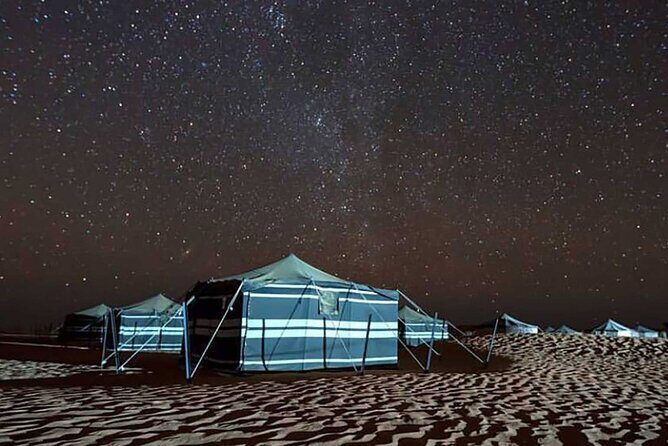
- Tadeonal camp night setup: bone fire, shisha, stargazing, and an overnight in a private Arabic tent
- Dinner + breakfast included: local barbecue style meal and a morning spread with coffee and tea
Why This Overnight in Salalah Feels Different Than a Day Trip
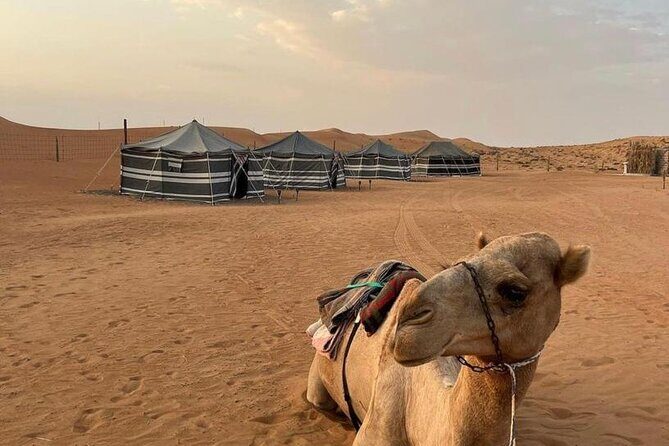
A desert overnight changes the whole mood. Day safaris are all about the drive and the dunes; an overnight safari lets the desert slow down and show its other side—night air, sky brightness, and that first light before everything heats up again.
Here, you get both kinds of desert time. During the day, you move through Wadi Dawkah’s frankincense valley, then into the legend of Ubar, then out into the Rub’ al Khali sand sea. When the sun starts to drop, you’re not just watching from the roadside. You’re set up for sunset with Arabic coffee or tea, then camp life that includes bone fire, shisha, and stargazing.
What also makes it feel “real” is the pacing. You don’t just do one dramatic thing. You do a sequence: nature (frankincense), history (incense trading outpost), then the main event (dune bashing and the Empty Quarter night). It’s a full story arc, which is exactly what you want for a long 21-hour experience.
A few more Salalah tours and experiences worth a look
Pickup, Timing, and What a 21-Hour Schedule Really Means
The safari starts at 1:00 pm in Salalah, and the total duration is about 21 hours. That means you’ll be out for one long push—afternoon into evening, then sunrise and morning wrap-up.
You’re picked up (pickup is offered), and you’ll get a mobile ticket, so you’re not stuck on paper logistics. There’s also a small maximum group size—up to 4 travelers—which matters more than it sounds. Smaller groups usually mean less waiting around and a calmer flow when vehicles are switching areas for viewpoints, photo stops, and dune sections.
Because lunch isn’t included, think ahead: plan for snacks or a light lunch before pickup if you know you get hungry. The included meals show up later: local Arabic dinner at camp and breakfast the next morning, plus tea/coffee and water throughout the day.
If you like relaxed mornings and don’t mind a long day behind you, this schedule will work nicely. If you hate long sitting time in a vehicle, you’ll want to treat this as more of a commitment—like a mini trip, not a casual outing.
Wadi Dawkah: Frankincense Trees and the UNESCO Connection
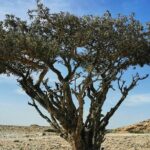
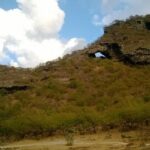
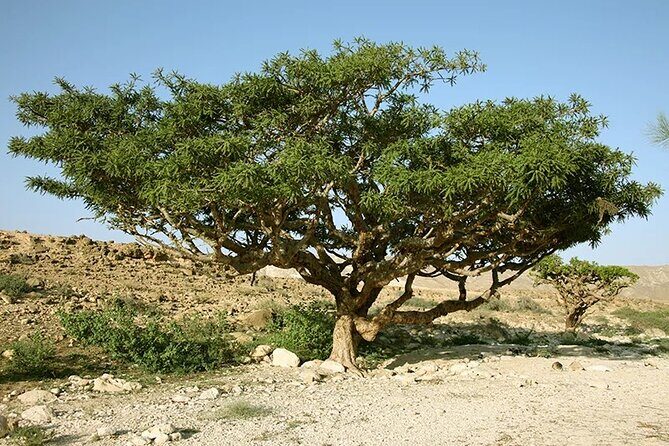
Wadi Dawkah is a big reason this safari feels meaningful instead of generic. This valley sits about 40 kilometers north of Salalah, and it’s tied to UNESCO recognition for the frankincense landscape.
You get around 2 hours here, including admission. That time window is helpful: you’re not rushed through photo stops only. You have time to take in the setting, understand why frankincense matters historically, and see why this area is worth labeling as a destination on its own.
Practical note: Wadi Dawkah is a nature stop, not a souvenir stop. So if your idea of desert tourism is mostly sand and driving, this may be a welcome detour. But if you’re the kind of traveler who likes context—why a place is famous—you’ll appreciate how the itinerary starts with the trees before it moves into myths and dunes.
I’d go in ready to slow down. Not for hours, just enough to notice the details: the scale of the frankincense trees and how the wadi setting frames the whole desert story.
Ubar Ruins: The Incense-Trade Legend You Can Walk Through
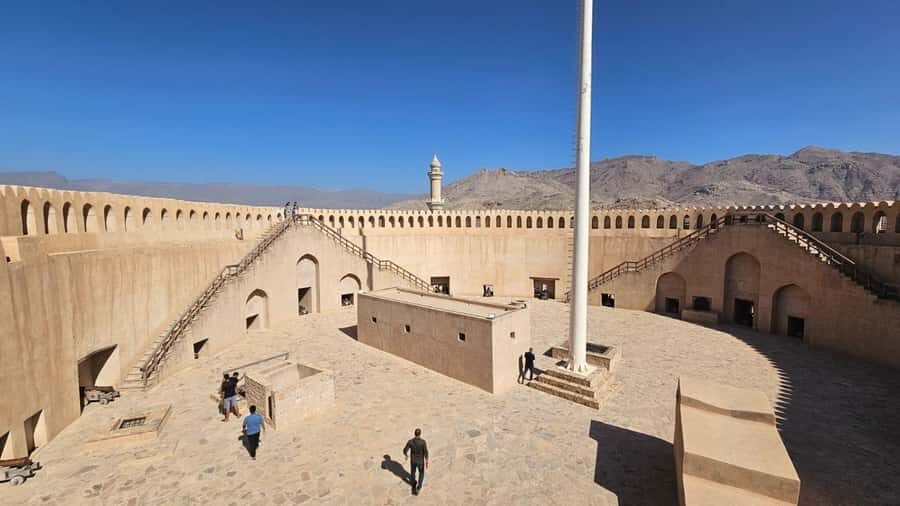
Next comes Ubar, tied to the old incense routes and to archaeological findings that suggest there may have once been a fortified settlement. The ruins are described as having fortifications with walls and corner towers, matching accounts tied to the legendary Ubar.
You’ll have about 3 hours at this stop, and admission is free as part of the tour. That matters because it turns this into a longer “look and learn” moment rather than a quick glance at a site sign.
This stop is valuable because it gives the desert a backstory. When you see ruins in sand country, you stop thinking of the Empty Quarter as empty. You start imagining movement—caravans, trade, and the reasons people once crossed these distances.
One more thing: the best Ubar experiences usually depend on the guide’s explanation. In the feedback around this safari, the guides are praised for being warm and patient, with detailed storytelling. When you get that kind of guiding, Ubar goes from ruins to a believable chapter in regional history.
The Empty Quarter: Rub’ al Khali and the Big Sand-Sea Ride
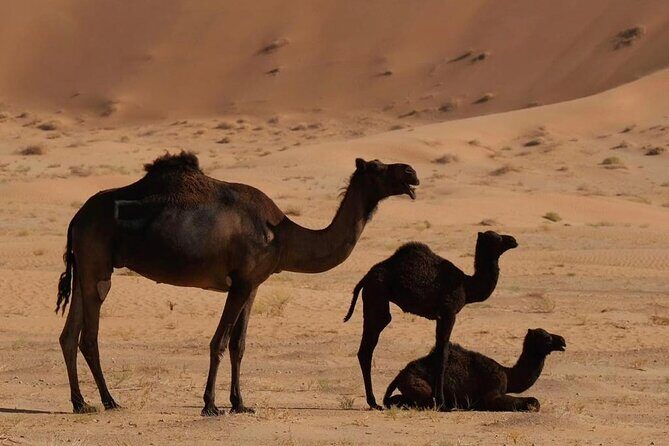
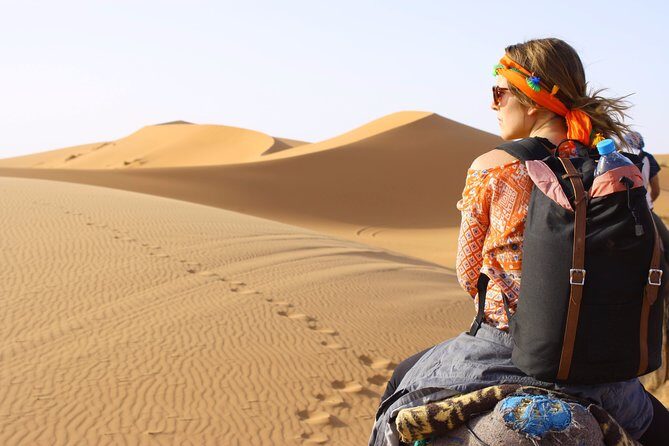
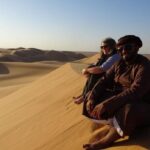
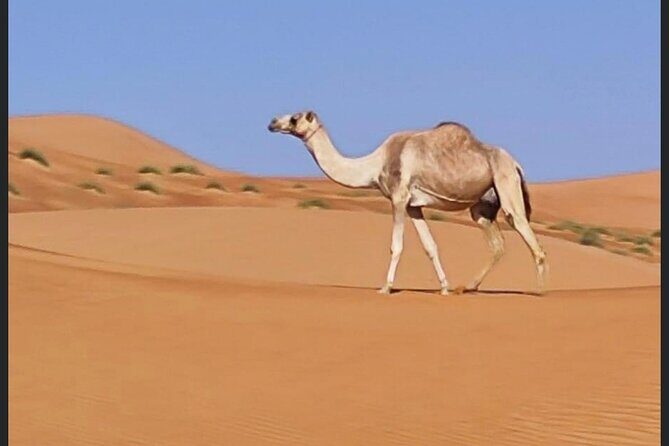
Now the itinerary hits the main draw: the Empty Quarter, also known as Rub’ al Khali, described as the world’s largest sand sea. It spans parts of Saudi Arabia, Yemen, Oman, and the United Arab Emirates, and it’s the kind of place where distance stops being an idea and becomes a physical reality.
You get about 3 hours 20 minutes for the Empty Quarter portion during the day, with admission included. This is where you feel the scale.
And yes, there’s 3 or 4 times dune bashing with professional desert safari tour guides. That repeated ride structure is a plus. Instead of one adrenaline burst, you get a few separate opportunities to experience different dune angles and ride rhythms. It also helps break up the time so you’re not just stuck in one long stretch of bouncing.
If you get motion-sensitive, consider it as a heads-up rather than a dealbreaker. Keep your posture steady during the ride, and plan to hold on firmly when the vehicle hits sharper turns. The point is to ride it safely while still enjoying how wild the desert can feel from inside the vehicle.
A few more Salalah tours and experiences worth a look


Sunset Pause: Arabic Tea or Coffee Before the Stars
Right before the overnight portion, you’ll get the classic desert moment: the sunset with a cup of Arabic coffee or tea. This is a small inclusion, but it’s the kind of detail that turns a “ride to camp” into an experience with a rhythm.
I like sunset breaks because they reset you. You spend hours driving and watching dunes shift, then the sun drops and everything goes quieter. That’s when the desert stops being only dramatic and starts being peaceful.
This is also your emotional handoff between day adventure and night camp. You’ve earned a pause. From there, your next “wow” is the sky after dark.
If you’re into photos, bring your patience. Desert sunset lighting changes quickly, and you’ll want a moment where you can actually sit and watch instead of only shooting.
Tadeonal Desert Safari Camp: Private Tent, Bone Fire, Shisha, Stargazing
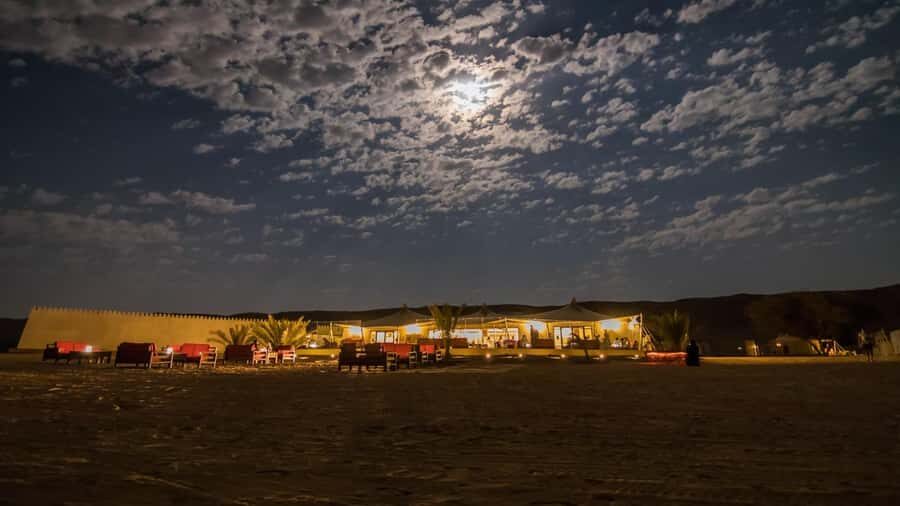
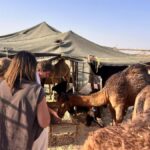
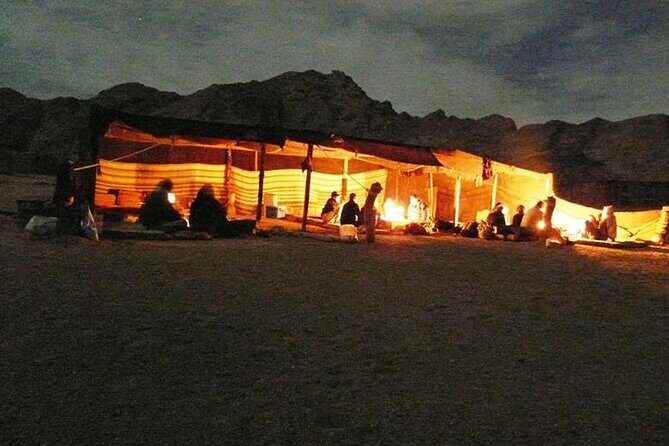
Overnight is at Arabic Tadeonal Desert Safari Camp, and you sleep in a luxury Private Arabic Tent for each couple. That private setup is a real upgrade. Even if you don’t think you care about privacy, you’ll care once you’re in a tent with space to settle after a long day.
Camp time includes a bone fire, shisha, and stargazing. This is the practical part: the itinerary doesn’t leave you scrambling for what happens after dinner. You’re given the evening activities as part of the flow.
Here’s what I find most valuable about this camp style: it treats the night as a destination, not an extra. Some tours treat camp as just a place to sleep. This one builds a night routine around conversation, smoke sessions, firelight, and watching the stars become sharp against the dark.
You’ll also get a chance to enjoy the desert atmosphere around the fire, which is exactly what makes the overnight feel worth it. If you’re traveling as a couple, the tent setup makes it feel personal rather than like you’re sleeping in a crowd.
Dinner and Breakfast: Omani-Style Comfort After the Dune Bouncing
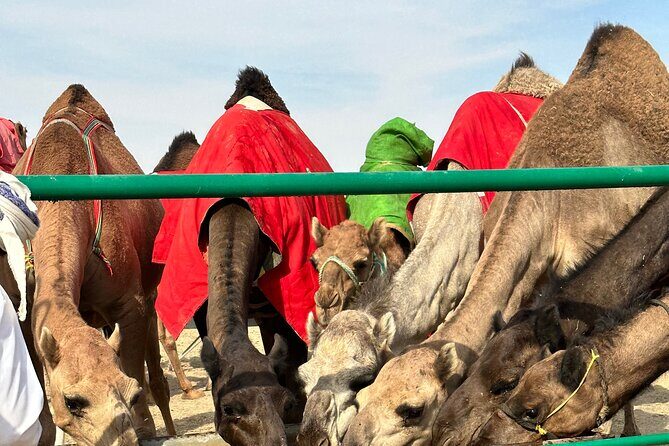
Food is one of the easiest ways to tell if a safari operator understands comfort. Here, you get Arabic dinner and a local breakfast the next day.
Dinner is described as a local Arabic barbecue style meal with items like camel meet and fried chicken, plus Arabic rice, salad, and Arabic bread. You’ll also have tea, coffee, fruits, and bottled mineral water included.
Then you wake up for the next highlight: a stunning sunrise experience, followed by breakfast. Breakfast includes several light Arabic options such as egg, butter, marmalade, Arabic bread, tea, coffee, and fruits, plus mineral water.
I like that both meals are structured as a real spread, not just a basic plate. You’ll be glad for this after dune bashing, because you’ll likely feel the day in your legs and shoulders. Food and warm drinks help you recover while still keeping the trip focused on the desert.
And because lunch isn’t included, the included dinner and breakfast become even more important. Treat the morning meal as part of the package, and don’t assume you can grab a random bite midday once you’re out there.
Price and Value: Is $250 Worth It Here?
At $250 per person, this isn’t a budget desert outing. But you’re also not just paying for a ride. You’re paying for a full, long sequence: multiple guided stops, admissions for key segments, 3 or 4 dune bashing sessions, a private couple tent overnight, campfire time, shisha, stargazing, plus both dinner and breakfast, with water and tea/coffee included.
What you’re getting for the money is time. You’re effectively buying a whole day’s worth of logistics, guiding, vehicle use, and camp setup. The itinerary includes admission ticket coverage at Wadi Dawkah, the Empty Quarter day portion, and the overnight segment, while Ubar is listed as admission free.
If you compare this to doing Wadi Dawkah or Ubar plus finding transport plus arranging an overnight camp separately, the bundled value is easier to justify. The small group size (maximum 4) and the private tent for couples add extra weight to the price decision.
The only clear cost gap is lunch. So if you want to keep the total trip value high, plan for your midday food in advance and then let the included dinner and breakfast do the heavy lifting.
Who This Safari Is Best For (and Who Should Skip It)
This experience fits travelers who want the Empty Quarter experience without sacrificing comfort. It’s especially good for couples, since the overnight is set up as a private Arabic tent for each couple.
You’ll also like it if you want a guided day that mixes nature and legend—frankincense trees at Wadi Dawkah, then Ubar’s incense-trade story, then the sand sea with multiple dune rides and a night camp routine.
Consider skipping or choosing a different format if you:
- hate long days and lots of vehicle time (roughly 21 hours)
- strongly prefer budget travel with fewer included comforts
- want lunch included automatically (it isn’t)
If you’re open to a guided schedule and you like the idea of sunrise plus a night sky focused overnight, this is a strong match.
Should You Book This Luxury Overnight Desert Safari in Salalah?
I’d book it if you want a desert night with structure—meaning sunset tea, a real camp evening with bone fire, shisha, and stargazing, and a morning that includes sunrise and breakfast. The itinerary reads like it was designed to give you more than one version of the desert.
I’d hesitate if you’re sensitive to long travel time or you expect lunch to be included. Those are the only practical mismatches I see from the details provided.
One more small confidence boost: the guides behind this kind of trip have reputations for warmth and smooth running, with names like Mahad and Ali showing up for friendliness, patience, and keeping things moving well. A good guide can turn Ubar and the dune rides into something you remember, not just something you pass through.
If your goal is a memorable Empty Quarter overnight from Salalah—done with comfort and guided context—this one is worth serious consideration.
FAQ
FAQ
What time does the safari start in Salalah?
The start time is 1:00 pm.
How long is the Luxury Overnight Desert Safari?
It runs for about 21 hours (approx.).
Is pickup included?
Pickup is offered.
What does the itinerary include?
The safari includes stops at Wadi Dawkah, Ubar, and the Empty Quarter, followed by an overnight camp experience and then dinner and breakfast.
How many times does dune bashing happen?
The experience includes 3 or 4 times dune bashing.
Where do I sleep during the overnight?
Overnight is at Arabic Tadeonal Desert Safari Camp in a private Arabic tent for each couple.
What activities happen at the camp at night?
Nighttime includes a bone fire, shisha, and stargazing.
What meals are included?
Dinner (local Arabic barbecue style) and breakfast are included, along with coffee and/or tea and bottled water.
Is lunch included?
No, lunch is not included.
How big is the group?
The maximum is 4 travelers.
What is the price?
The price is $250.00 per person.
Is admission included for Wadi Dawkah and the Empty Quarter?
Yes, admission is included for Wadi Dawkah and for the Empty Quarter portions listed in the itinerary. Ubar admission is listed as free.
Can I cancel for a full refund?
Yes. You can cancel up to 24 hours in advance for a full refund.