REVIEW · SALALAH
Private tour – Empty Quarter desert adventure – Wadi Dawka + Ubar
Book on Viator →Operated by Takamul Travel and Rent a Car · Bookable on Viator
Sand, stories, and a sunset show. This private 8-hour outing threads together Wadi Dawka (UNESCO frankincense country), Ubar (the lost oasis tale), and then real dune riding in the Empty Quarter.
What I like most is the mix of sensory stops and action. I love the frankincense setting at Wadi Dawka, where you’re meant to smell the resin as you look at thousands of trees, and I also love that you’re in high-performing terrain cars with experienced drivers for the dune time.
One consideration: the two cultural stops are quick—about 30 minutes at Wadi Dawka and 20 minutes at Ubar—so if you want slow, deep reading time, you may feel a bit rushed in the schedule.
In This Review
- Key moments you’ll remember
- A private Empty Quarter day from Salalah
- Wadi Dawdah: UNESCO frankincense trees you can smell
- Ubar: the lost-city oasis and the sinkhole mystery
- Empty Quarter dune time: terrain cars, slope driving, and sand steps
- Sunset and horizon photos: timing is part of the thrill
- What makes it feel well organized (the guide factor)
- Price and value: is $195 per person worth it?
- Who should book this tour
- Practical tips for a smoother Empty Quarter day
- Should you book this Wadi Dawka + Ubar desert adventure?
- FAQ
- How long is the private Empty Quarter adventure?
- What stops are included on this itinerary?
- Is hotel pickup included?
- Is this tour private?
- Are admission tickets included for the stops?
- What will we do in the Empty Quarter?
- Can I participate if I’m not extremely athletic?
- Can service animals join the tour?
- What happens if the weather is bad?
- What is the cancellation window?
Key moments you’ll remember
- UNESCO Wadi Dawka frankincense stop: Thousands of frankincense trees in a rocky desert area, with resin scent in the air
- Ubar, the lost city story: An oasis on the frankincense trade route, tied to the sinkhole in limestone bedrock
- Empty Quarter dune driving: Up-and-down slopes plus a tilted horizontal drive style that feels very different from normal roads
- Walking on the sand: You can try running to the top and experience the dunes barefoot (optional)
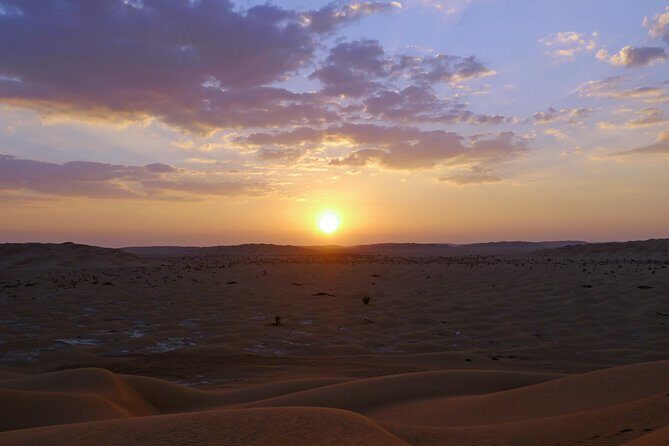
- Sunset photo setup: Time in the dunes to watch colors shift and capture the horizon
- Private group timing: Only your group joins, so the day usually feels smoother than hopping between crowds
A private Empty Quarter day from Salalah
This is the kind of Salalah day that does two things well: it gives you actual desert motion, and it explains what you’re looking at while you’re there. You’ll start with Wadi Dawka, then move to Ubar, and finally spend the bigger chunk of your time in the dunes of the Empty Quarter—the largest sandy desert in the world.
You’re not doing this solo. It’s a private tour, so only your group participates. That matters in the desert because timing is everything. The best dune photo light happens in a narrow window, and being private makes it easier to get positioned and ready without feeling like you’re in a long line.
The day runs about 8 hours, which is a full outing. If you’re the type who likes packing in one big experience during a vacation day, it fits nicely. If you prefer slow mornings and long breaks, you might plan the rest of your day around recovery.
You can also read our reviews of more private tours in Salalah

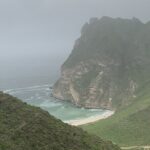
Wadi Dawdah: UNESCO frankincense trees you can smell
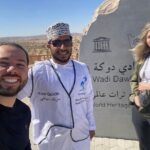
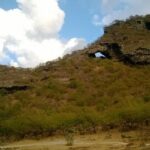
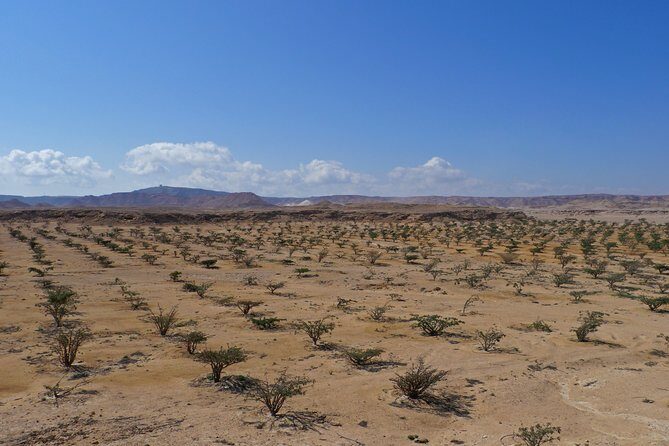
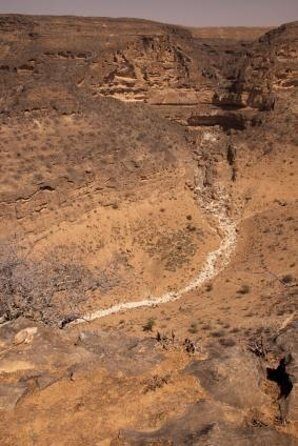
Wadi Dawka (often written Wadi Dawkah in tour materials) is the UNESCO World Heritage stop on this itinerary, and it’s not just a scenic viewpoint. You’re here for thousands of frankincense trees growing in a rocky desert zone on the Nejd plateau in the Dhofar mountains.
What makes this stop special is the frankincense detail. The tour notes that you can smell the scent of the precious resin as it’s pouring out of the trees. That sensory angle is a big deal because it turns a landscape stop into a living-place stop. You’ll look at the trees, yes—but you’ll also notice the air.
The visit is about 30 minutes, and that’s both the strength and the tradeoff. Strength: you get the core experience without dragging it out. Tradeoff: if you love botany or want long explanations at each viewing angle, 30 minutes can feel short.
If you’re worried about timing, don’t be. This is one of those places where a focused visit works. You get in, you get the sights and the smell, you learn the key story, and then you’re off to Ubar and the dunes.
Ubar: the lost-city oasis and the sinkhole mystery
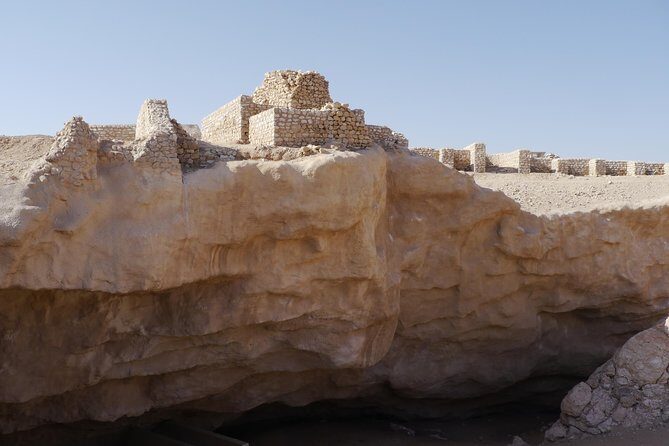
Next up is Ubar, described as the lost city in the desert—sometimes called the Atlantis of the desert. The point here isn’t fancy artifacts or a museum marathon. It’s the story: in ancient and medieval times, Ubar served as an oasis on the frankincense trade route.
Then comes the dramatic explanation. The city collapsed because a sinkhole appeared in the limestone bedrock beneath it. That detail gives you a different way to think about the desert. It’s not just sand and heat; it’s also geography that can change the fate of whole settlements.
Your time here is about 20 minutes. Again, that brevity shapes the experience. You’ll get the main narrative and you’ll likely move on feeling like you’ve learned the headline reason Ubar is famous. If you want a deeper archaeological dive, plan to do extra reading later.
Still, for most visitors this stop works well as a bridge between the frankincense world at Wadi Dawka and the Empty Quarter’s bigger, harsher scale. Ubar is the myth-meets-reality stop that makes the desert feel connected to human history.
Empty Quarter dune time: terrain cars, slope driving, and sand steps
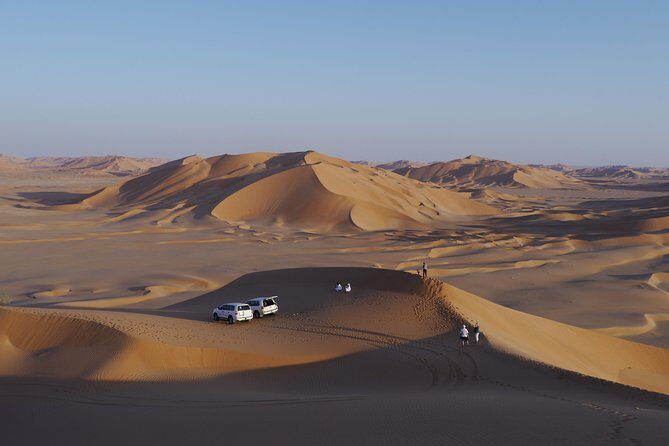
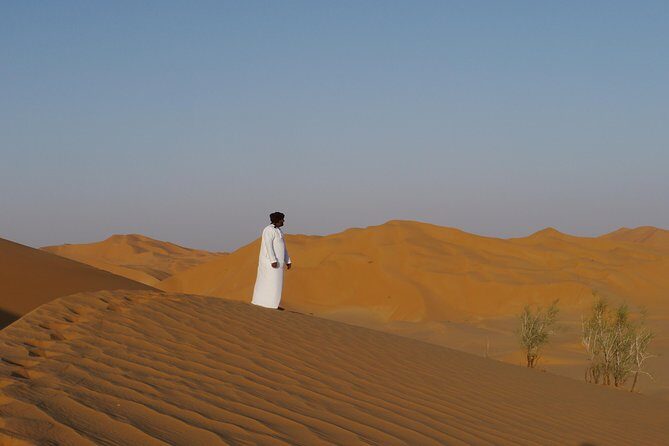
Now for the part you’re probably planning the trip for: the Empty Quarter itself. This is where you trade walking shoes for dune energy.
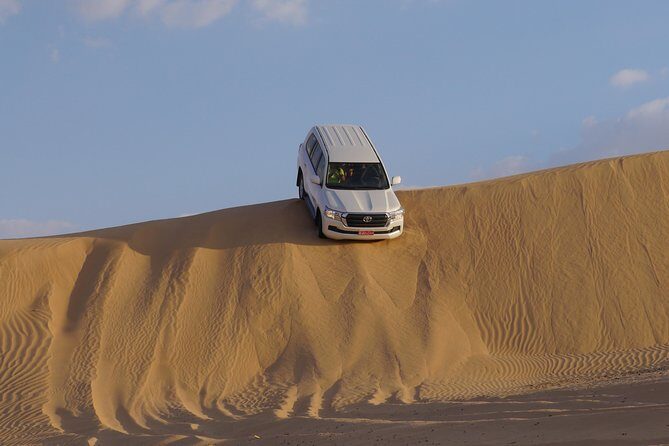
You’ll spend about 3 hours in this phase. That’s long enough to feel like you’re getting real desert driving rather than a quick sample. The driving is described as an adrenalin ride on dunes, including:
- driving up dunes
- descending steep slopes
- and a tilted horizontal drive
That tilted-horizontal detail matters because it tells you the driving style aims to keep traction and balance on dune shapes, not just go fast in a straight line. In other words, the “wow” comes partly from controlled driving skills on tricky terrain.
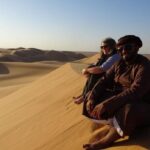
There’s also an optional physical moment. You can try running to the top of the dunes and you can also walk barefoot in the sand. That’s not required, but it’s there if you want the full sensory feeling—hot grains under your feet and the way footing changes across the dune’s curves.
A smart expectation: you’re not going to get “one perfect dune” and stop. You’ll be moving through dune zones, and the goal is the variety—different dune shapes and how the terrain behaves as you climb and descend.
If you’re someone who gets carsick, this part is the most “testy.” The itinerary doesn’t mention whether motion-sensitivity is managed with breaks or slower drives, so if you’re usually sensitive, consider bringing any motion sickness help you trust.
Sunset and horizon photos: timing is part of the thrill
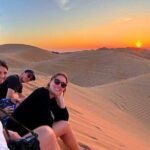
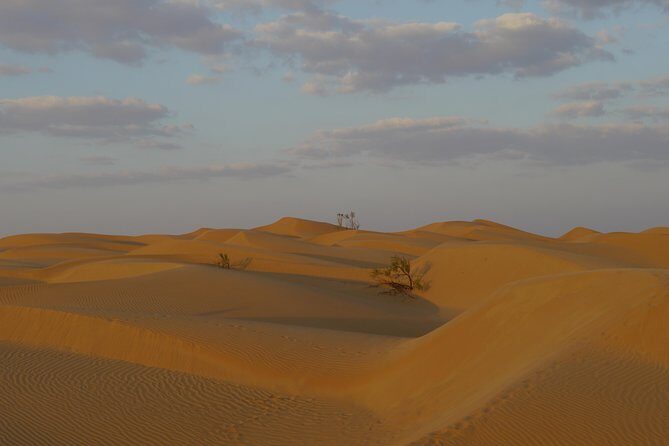
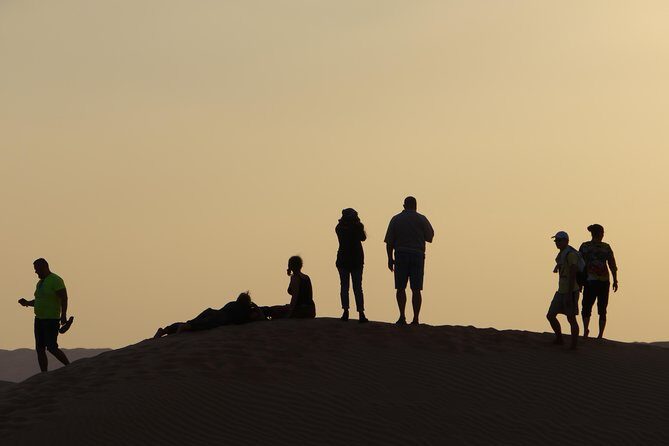
The best payoff from the dune section is the sunset moment. The plan includes time to capture the sun as it sets over the dunes and to photograph the horizon.
Here’s what that means in practice: you’ll be up at dune level when the light changes. The tour setup is designed so the color shift across the sand is visible from a high point. It’s the classic desert advantage: fewer distractions than a city sky, and a horizon line that holds the frame.
This also connects to something highlighted in guide feedback—organization and timing. Guides on this trip are repeatedly praised for being friendly, experienced, and making the day feel well-run. Names that come up include Azuz, Ahmed, and Karel. When you have an experienced guide, the difference is usually not just storytelling. It’s how the group is positioned for the best view and whether you feel rushed.
If you care about photos, pack for the desert heat shifting fast near sunset. You might want a light layer and something to wipe sand from your hands and camera grip.

What makes it feel well organized (the guide factor)
The reviews supporting this tour put a clear spotlight on the guide experience. The tone is consistent: pleasant, experienced, and willing to share information while keeping the day moving.
You’ll likely hear explanations tied to what you’re seeing: frankincense trees at Wadi Dawka, the Ubar lost-city story, and then how dunes work in the Empty Quarter. That’s what turns “a desert drive” into a trip with meaning.
Also, private touring helps your guide manage your pace. You aren’t juggling strangers’ schedules or trying to keep ten different photo styles in sync. That often means you can ask a question, take a moment, and not feel like you’re slowing everyone down.
Price and value: is $195 per person worth it?
At $195 per person for about 8 hours, this is priced as a private full-day desert excursion rather than a quick shuttle ride. The value comes from a few places that matter for real travelers:
- Private only your group: No shared timing with other tour groups. That’s big in the dunes and during sunset.
- Expert drivers in terrain cars: You’re relying on vehicle performance plus driving skill for slope descents and dune climbing.
- A three-part itinerary: Wadi Dawka (UNESCO frankincense), Ubar (lost city story), and the Empty Quarter (dune action plus sunset).
Add-ons like pickup help too. Pickup is offered, and the tour lists mobile ticket usage. Group discounts are mentioned as well, which can reduce the per-person cost if you travel as more than one household or small group.
The potential downside on value is time split. You spend 30 minutes and 20 minutes at the first two stops, which is efficient but not lengthy. If you’re hoping for a long cultural deep-dive at Wadi Dawka and Ubar, the itinerary might feel more action-heavy than you expected.
Still, for a first Desert Day in Salalah, the combination of history + dune driving + sunset photography is exactly the kind of package that saves you from planning chaos.
Who should book this tour
This fits best if you want:
- A private desert day with a clear itinerary
- Real dune driving and time to reach dune viewpoints for sunset
- A cultural stop that doesn’t require a full museum-style schedule
- A guide who explains what you’re seeing and keeps things organized
It may be less ideal if:
- You want long stops at the frankincense and Ubar sites
- You’re very motion-sensitive
- You don’t want any chance of walking on sand (even though barefoot is optional, there’s still dune walking)
That said, the experience says most travelers can participate, and service animals are allowed, so it’s designed to be reasonably approachable.
Practical tips for a smoother Empty Quarter day
You’re dealing with sand, sun, and changing light. Even without extra details in the itinerary, these are the kinds of practical steps that usually pay off on desert outings:
- Wear shoes you don’t mind getting dusty. Even if barefoot walking is offered, you’ll want protection for getting on and off dunes.
- Bring a light layer for late-day wind. Sunset can feel cooler than midday.
- Plan for a sand wipe-down. Sand finds your phone, your glasses, and your optimism.
- If you want photos, keep your gear ready before sunset time so you’re not fumbling when the light changes.
Also, remember this is a full-day 8-hour plan. If you’re coming from another early activity in Salalah, build in a slower buffer afterward.
Should you book this Wadi Dawka + Ubar desert adventure?
If you want one Salalah day that gives you desert motion plus meaningful desert stories, I’d say yes. The itinerary hits the big three: frankincense at Wadi Dawka, the Ubar lost city narrative, then the Empty Quarter dune riding with sunset photo time.
Book it if:
- you like private touring and want the timing to work for sunset
- you’re excited about dune driving in capable terrain cars
- you want a short, focused UNESCO experience rather than hours of walking
Consider another option if:
- you want a longer, slower cultural visit at each historical stop
- you’re uncomfortable with vehicle movement or sand walking
Overall, this is a good-value way to get the desert experience in one clean plan—especially if you want the day to feel organized, guided, and tuned to the light.
FAQ
How long is the private Empty Quarter adventure?
The tour runs for about 8 hours.
What stops are included on this itinerary?
You’ll visit Wadi Dawka, then Ubar, and then spend time in the Empty Quarter dunes.
Is hotel pickup included?
Pickup is offered.
Is this tour private?
Yes. It’s a private tour, and only your group participates.
Are admission tickets included for the stops?
Admission ticket access is listed as free for the stops.
What will we do in the Empty Quarter?
You’ll drive over dunes in high-performing terrain cars, descend and climb steep slopes, do a tilted horizontal drive, and you can also walk on the sand. Sunset viewing and photos are part of the dune time.
Can I participate if I’m not extremely athletic?
The experience says most travelers can participate.
Can service animals join the tour?
Yes, service animals are allowed.
What happens if the weather is bad?
This experience requires good weather. If it’s canceled due to poor weather, you’ll be offered a different date or a full refund.
What is the cancellation window?
You can cancel for free up to 24 hours in advance for a full refund.