REVIEW · MUSCAT
Private 2-Days Jebel Shams Overnight Camping Tours
Book on Viator →Operated by Oman Camping Tours · Bookable on Viator
Oman’s canyon views hit fast. This private 2-day Jebel Shams overnight camping trip runs from Muscat through historic Nizwa and old villages, then lands you on the edge of Oman’s most dramatic canyon landscape. You’ll get a full itinerary of stops with guided context and plenty of time to enjoy the views without rushing.
I love two things most. First, the pacing feels smart because you spend the night near Jebel Shams, so the next morning’s canyon walking can be done in cooler, calmer light. Second, I like that the tour is set up for real comfort: 4×4 transport, an English-speaking guide, water, and included accommodation plus dinner and breakfast.
One consideration: this experience asks for moderate physical fitness, especially with the canyon walking time on Day 2. If you want a mostly flat sightseeing day, this route may feel like too much movement.
In This Review
- Key Highlights You’ll Actually Care About
- Why Jebel Shams Feels Like Oman’s Arabian Grand Canyon
- Day 1: From Muscat Through Fanja to Nizwa’s Old Capital Vibe
- A practical tip for this first day
- Al Hamra and Misfah al Abriyyin: Old Houses and a Mountain Village Mood
- Overnight Near Jebel Shams: Dinner, Rest, and Morning Energy
- What to expect from the overnight setup
- Day 2: Breakfast, the Jebel Shams Canyon Walk, Then Bahla Fort and Jabreen
- After the canyon: UNESCO Bahla Fort
- Final cultural stop: Jabreen Castle
- How the Private Format and 4×4 Ride Improve Your Day
- Guide Quality: When the Human Touch Makes It Better
- Price and Value: Is $442.80 Per Person Worth It?
- Who This Jebel Shams Overnight Tour Suits Best
- Should You Book This 2-Day Jebel Shams Camping Tour?
- FAQ
- What’s the duration of the Jebel Shams overnight camping tour?
- Where does pickup and drop-off happen?
- Is this tour private?
- What’s included in the price?
- Is lunch included?
- What physical level do I need?
- Are there admission fees I should pay separately?
- What if weather affects the trip?
Key Highlights You’ll Actually Care About
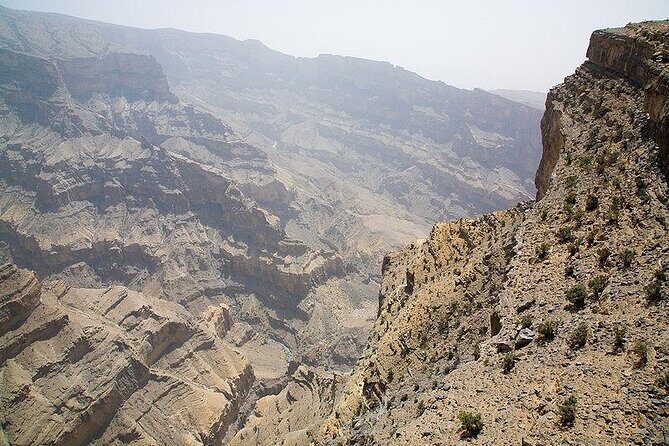
- Overnight stay near Jebel Shams so sunrise and morning canyon walking are part of the plan
- English-speaking local guides praised for being helpful, funny, and patient with photos (Ahmed, Kalfan, Mohammed)
- Canyon time that isn’t rushed, with about 4 hours to explore the Jebel Shams area
- Major heritage stops in one loop: Nizwa Fort, Bahla Fort (UNESCO), and Jabreen Castle
- Classic old-village atmosphere at Al Hamra and Misfah al Abriyyin, including preserved houses
Why Jebel Shams Feels Like Oman’s Arabian Grand Canyon
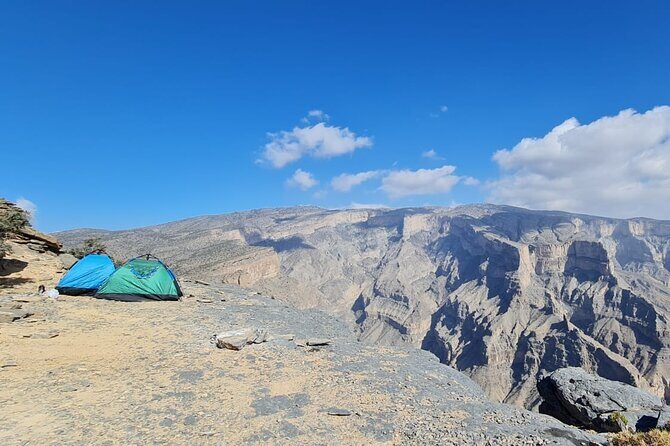
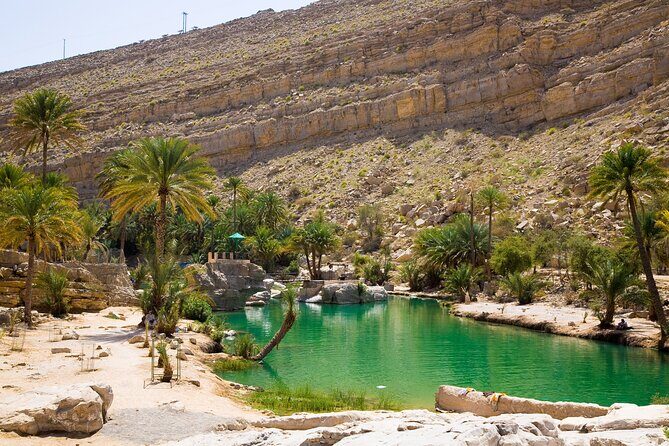
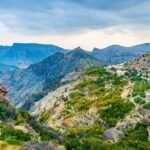
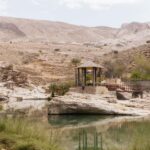
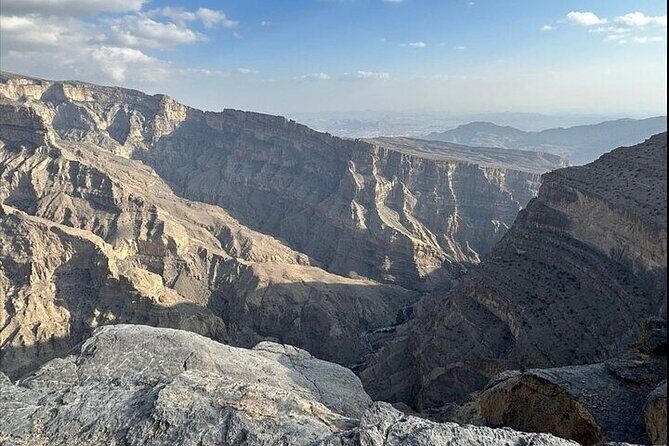
Jebel Shams is the highest mountain in Oman, and the name is often used for the wider area too. The gorge carving through the mountains is what people remember most: narrow, deep, and dramatically cut, so the landscape looks bigger than it sounds on paper.
What makes it special for your trip is how the views change as you move. Even on a single morning, you can see different layers of rock and shadow, and the canyon path gives you a natural rhythm of stop, look, and keep going.
Also, timing matters here. One of the most repeated themes from previous trips is that mornings can be cool, which makes walking more comfortable and the scenery easier to take in without melting. If you love photographs, the early light is a big part of the appeal.
You can also read our reviews of more private tours in Muscat

Day 1: From Muscat Through Fanja to Nizwa’s Old Capital Vibe
Day 1 starts with pickup from the Muscat area and then a drive toward Nizwa, with a quick win built in right away: a stop in Fanja. It’s only about 30 minutes, but it’s positioned as a photo stop, so you can grab a few easy memories without needing to commit to a long detour.
Fanja is known as the gateway of the Al Dakhiliyah region, which is why it works as an early introduction. You’re basically getting your bearings for the kind of scenery Oman does well inland: mountains, valleys, and lookout-friendly roads.
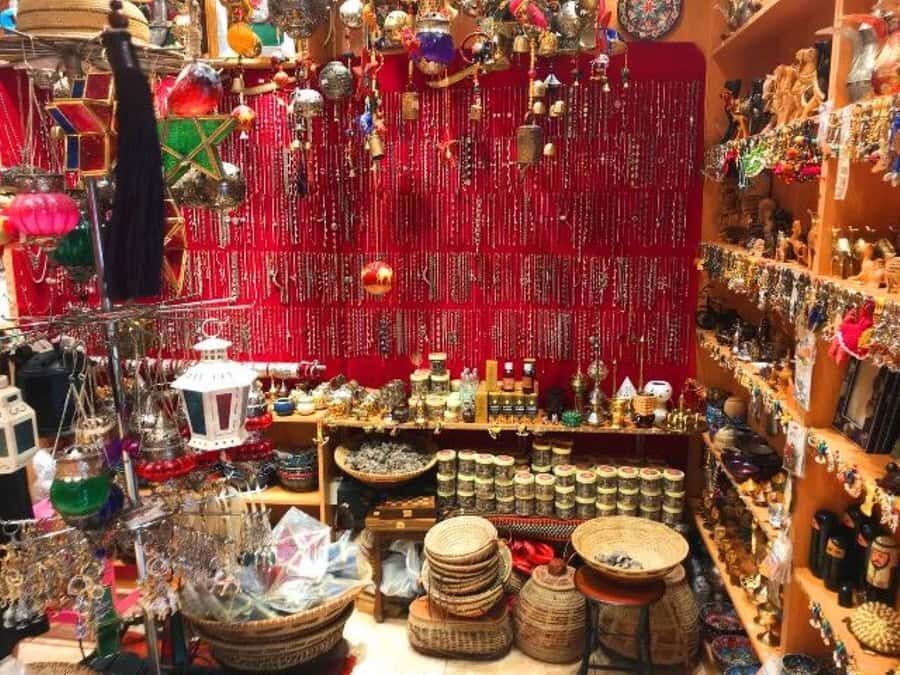
Next comes Nizwa, the old capital of Oman, where the tour focuses on what you actually want to see in a short time. You’ll stop at the Nizwa Souq for about an hour, which is a solid window for browsing without feeling trapped. This is where you can shop for Omani silver crafts and other handmade items if that’s your thing.
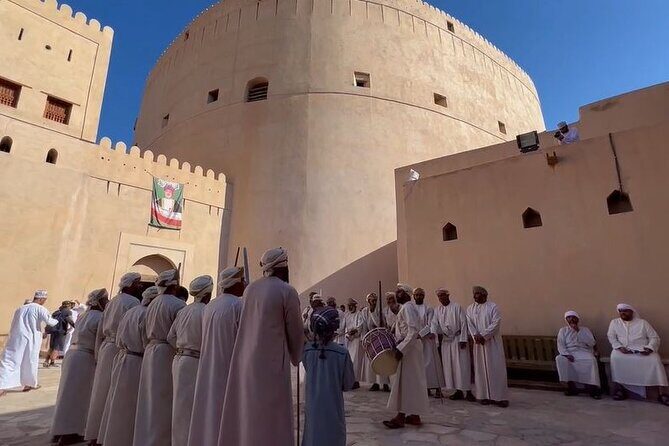
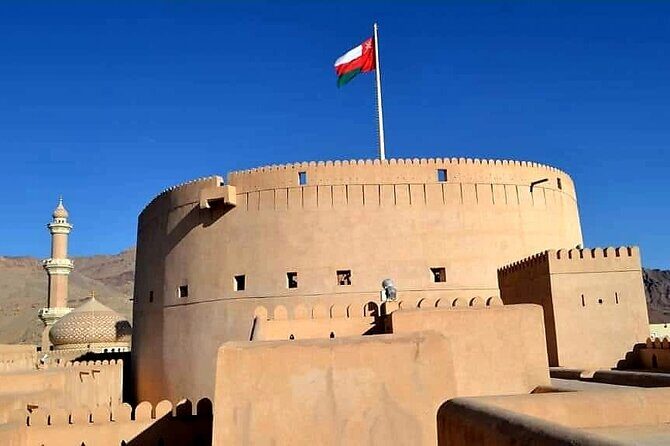
After the souq, the pace shifts to heritage with Nizwa Fort, included on the ticket. It’s described as the biggest fort in Oman and it’s linked to Sultan Bin Saif Al Yarubi, so you get more than just walls—you get a sense of why Nizwa mattered historically.
A practical tip for this first day
This Day 1 sequence is built to reduce guesswork. You’re moving from a quick photo stop, to a market, to a fort, to an old village before you even reach the canyon. That’s helpful if you want variety without spending your energy planning.
Al Hamra and Misfah al Abriyyin: Old Houses and a Mountain Village Mood
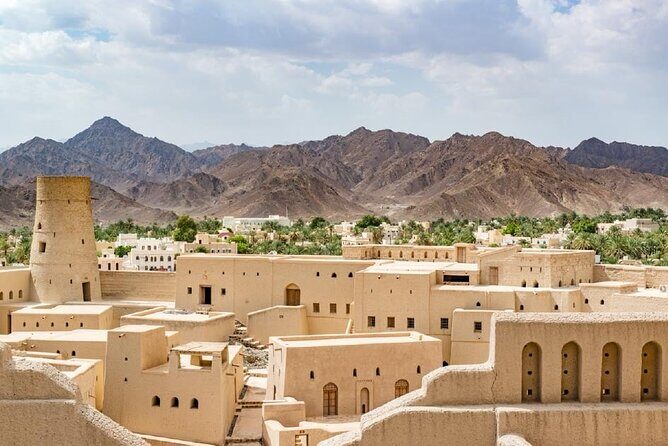
After Nizwa, the tour turns toward Al Hamra, an old village described as about 400 years old. This stop is mainly about place and atmosphere, not speed. You’re in a north eastern Oman setting where the mountain village feel takes over quickly.
From there, the route includes Misfah al Abriyyin (also referenced as Misfat Al Abryeen), tied to the Al Abry tribe that lives there. This is where you’ll find some of the oldest preserved houses in Oman, which means you’re not just looking at ruins—you’re seeing structure meant to last and meant to house people in a specific mountain environment.
The value here is contrast. After fort walls and souq stalls, these preserved houses slow the day down. You get a different kind of understanding of Oman: not just power and trade, but how people built their lives into the landscape.
There’s also a photography advantage. This is the kind of place where you’ll want to stop more than once, because angles matter and small details catch the light differently as you walk.
Overnight Near Jebel Shams: Dinner, Rest, and Morning Energy
Later on Day 1, you continue to Jebel Shams, and the schedule leaves you time for dinner and an overnight stay. Dinner is included, and that matters more than it sounds. In remote canyon areas, having a meal handled for you keeps the day from turning into a stressful hunt for food.
Accommodation is included too, which means you can focus on sleep and recovery instead of logistics. Since the next day includes canyon walking for about 4 hours, your “night before” becomes a practical part of the experience, not just a place to drop your bags.
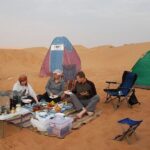
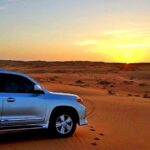
The best part of camping-style overnights is how they change the next morning. Previous trips highlighted a cool-weather feel early on and the joy of having a warm drink while watching sunrise. Even if you’re not obsessed with photos, that calm morning moment is often the emotional peak of the whole trip.
A few more Muscat tours and experiences worth a look



What to expect from the overnight setup
The tour description includes accommodation but doesn’t spell out tent style or exact camp layout. Still, the itinerary clearly treats Jebel Shams as your base for the night, so you’re staying close to the action instead of commuting long distances again in the morning.
Day 2: Breakfast, the Jebel Shams Canyon Walk, Then Bahla Fort and Jabreen
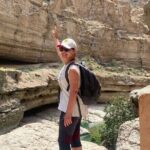
Day 2 starts with breakfast and then a drive to the canyon area for Jebel Shams. You’ll spend about 4 hours walking through the canyon area, and this is the heart of the entire 2-day experience. The canyon itself is described as so remarkable that it’s easy to get lost in wonder, and that’s exactly what the timing allows.
This is also where the moderate fitness requirement becomes real. A 4-hour canyon walk plus morning conditions means you should pace yourself and keep a steady rhythm. If you’re comfortable with hiking-level walking, you’ll likely enjoy this part a lot.
If you’re into viewpoints, the experience also references the Balcony walk area as part of the visit. That’s a strong hint that there’s time for viewpoint-style stops, not only walking between points.
After the canyon: UNESCO Bahla Fort
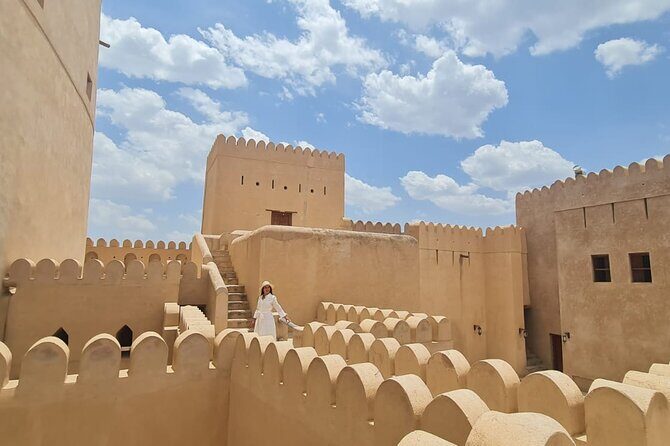
Once you finish the canyon time, you drive down for about 25 km to Bahla Fort. The tour includes admission fees here, and Bahla Fort is noted as being listed by UNESCO as one of the oldest pieces of heritage in the world.
Even with only about an hour on-site, a fort like this helps you understand why Oman’s interior mattered. It’s not a quick postcard stop—it’s a site built for defense and control, which makes the whole trip feel less like scenery tourism and more like a connected story.
Final cultural stop: Jabreen Castle
The last heritage stop is Jabreen Castle (Jabrin Fort). The description says it was designed as a residential property in 1670 by Sultan Bin Saif Al Yarubi, and it was built under supervision of Imam Bilarab Bin Sultan.
You’ll have about 2 hours here with admission included. This is a good capstone after Bahla Fort because it shifts the focus from defense to residence and design. It also helps that Day 2 ends with the return to Muscat in the late afternoon, so you’re not facing a long extra night away from home.
How the Private Format and 4×4 Ride Improve Your Day
This is a private tour, so only your group participates. That matters in Oman’s interior, where schedules and road conditions can shape the whole day. You’re not waiting on other groups to finish photos or rush between stops.
Transport is handled by a 4×4 car described as comfortable. The route includes canyon area access and mountain roads, which is exactly where a standard sedan can feel like a compromise. Here, the vehicle choice is part of your comfort and energy level.
You’ll also have an Omani tour guide who speaks English, plus water. Small things like guide language and water access are surprisingly important in a 2-day plan, because they remove friction at the moments you’d rather just be looking around.
Guide Quality: When the Human Touch Makes It Better
What really elevates this tour is the way the guides are described. Multiple past experiences praised guides like Ahmed, with highlights including being helpful and funny. Others praised Kalfan for being kind and supportive, and Mohammed for being helpful during the hike and trekking period.
There’s also a consistent theme about photo pacing. Guides were described as patient, stopping for the best shots. If you care about images—or you just want the time to look without someone watching the clock—this kind of guiding makes a difference.
In canyon country, good guidance also helps you understand what you’re seeing. It’s not just walking for walking’s sake. You get context tied to the region, the forts, and the old village stops, which helps the scenery feel less random.
Price and Value: Is $442.80 Per Person Worth It?
At $442.80 per person, the price looks steep at first glance—until you list what’s actually included. This tour includes pickup and drop-off in the Muscat area, a 4×4 vehicle, an English-speaking guide, entrance fees for key sites (Nizwa Fort, Bahla Fort, Jabreen Castle), water, and both dinner and breakfast.
It also includes accommodation for the night. That’s one of the big value pieces. Overnight stays in remote areas are usually the cost driver in multi-day tours, and here it’s packaged into your per-person rate.
The one item you should plan for is lunch, since lunch is not included. That doesn’t ruin the value, but it does mean you should budget for a meal during the day.
Also check whether you’re traveling as a small group. The tour states group discounts are available, which can make this feel much more reasonable if you split the private cost.
Who This Jebel Shams Overnight Tour Suits Best
This is best for you if you want a balanced mix of nature and heritage in one tight 2-day plan. You’ll get the dramatic canyon focus of Jebel Shams, plus serious cultural anchors with Nizwa, Bahla, and Jabreen.
It’s also a good fit if you like guided structure. You get stops that are time-bounded but meaningful, which helps you enjoy both viewpoints and historical sites without constantly making decisions.
The moderate fitness note matters. This tour is designed for people who can handle walking and trekking-style movement, especially with the Day 2 canyon exploration time.
Should You Book This 2-Day Jebel Shams Camping Tour?
I’d book it if you want one itinerary that actually connects the canyon experience with Oman’s heritage core—Nizwa Fort, Bahla Fort, and Jabreen Castle—without you needing to piece together transport and admissions. I also like that you’re not left guessing about basics: dinner, breakfast, accommodation, and water are handled.
Skip it if you’re hoping for a very gentle day with minimal walking. With around 4 hours in the canyon and a moderate fitness requirement, the route is more active than a pure scenic drive.
If you’re traveling on a schedule and you want that sunrise-and-canyon rhythm, this tour’s overnight format is the main reason it works.
FAQ
What’s the duration of the Jebel Shams overnight camping tour?
The tour is listed as 2 days (approx.).
Where does pickup and drop-off happen?
Pickup and drop-off are offered in the Muscat area.
Is this tour private?
Yes. It’s private, and only your group participates.
What’s included in the price?
Included items are dinner, breakfast, pickup and drop-off (Muscat area), 4×4 car/comfortable transport, an English-speaking Omani tour guide, entrance fees for Nizwa Fort, Bahla, and Jabreen, water, and accommodation.
Is lunch included?
No. Lunch is not included.
What physical level do I need?
The tour notes that travelers should have a moderate physical fitness level.
Are there admission fees I should pay separately?
Admission fees are included for Nizwa Fort, Bahla Fort, and Jabreen Castle. Other stops listed for the day are marked as free admission.
What if weather affects the trip?
This experience requires good weather. If it’s canceled due to poor weather, you’ll be offered a different date or a full refund.