REVIEW · SALALAH
East Salalah Private Tour by VisitSalalah
Book on Viator →Operated by Visit Our Salalah · Bookable on Viator
Salalah rewards you when you follow the right roads. This private East Salalah tour links heritage stops in Taqah with Dhofar’s natural drama in Wadi Darbat—and it all moves fast, start-to-finish.
What I like most is the way the route is built around real places you can actually use to understand Dhofar, not just snap photos and hurry on.
Two things I genuinely like: the licensed guide factor, and the smart mix of cultural sites plus nature. The guide name you’ll hear often is Mohammed, and the reviews back up that he’s friendly, keeps the day moving smoothly, and shares useful context.
One consideration: the whole experience is about 5 hours, so each stop is more of a visit-and-learn pace than a long, slow hangout. Also, Wadi Darbat’s biggest show depends on the Khareef monsoon, so timing matters.
In This Review
- Key highlights worth clocking before you go
- East Salalah in one ride: why this route makes sense
- Taqah heritage stops: Koofan, Taqah Castle, Borgel Asker
- Taqah View Point: a quick win for perspective
- Wadi Darbat: waterfalls, caves, camels, and Khareef timing
- Khor Rori and Sumhuram: why frankincense belongs on your photo list
- Jabal Samhan: mountain time with the right expectations
- Gravity Hill: the fun physics break
- The guide is the difference: Mohammed’s impact on the day
- Price and value: $230 per group for up to 7
- Timing and comfort: how to make a 5-hour tour feel easy
- Should you book the East Salalah Private Tour by VisitSalalah?
- FAQ
- How long is the East Salalah Private Tour?
- What time does the tour start?
- How much does it cost, and how big is the group?
- What’s included in the price?
- What stops are included?
- Is admission free for the listed stops?
- What is the cancellation policy?
Key highlights worth clocking before you go
- Private, max convenience: one group, pickup included, and an air-conditioned vehicle waiting for you.
- Taqah heritage options: a 150-years-old Dhofari house at Koofan Heritage House plus Taqah Castle and Borgel Asker, with choices built in.
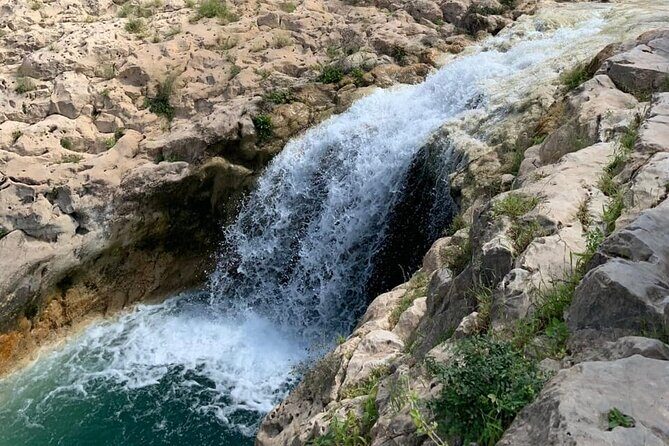
- Wadi Darbat’s monsoon power: when Khareef is on, waterfalls and cave chambers become the main event.
- Frankincense UNESCO context: Khor Rori and Sumhuram Museum/Archaeological Park tie the scenery to the Land of Frankincense.
- Extra “wow” stops: Jabal Samhan and Gravity Hill add variety without eating your whole day.
East Salalah in one ride: why this route makes sense
East Salalah can feel like two different worlds: a heritage belt with castles and old houses, then the mountains and wadis that turn green during the Khareef monsoon. This tour is designed to connect those worlds in one smooth loop, so you don’t waste your day figuring out roads, timing, and which viewpoints are worth your time.
You get pickup and an air-conditioned vehicle, plus bottled water. That matters more than it sounds, especially with Dhofar’s morning start. Starting at 8:00 am helps you beat the heat and still make it to the scenic parts without feeling rushed in the hottest hours.
Because it’s private (only your group), you can keep your plan simple: show up, ride, stop, look, ask questions, and move on. You’re not negotiating schedules with strangers, and you’re not stuck waiting while someone else argues about whether one more photo is needed.
You can also read our reviews of more private tours in Salalah

Taqah heritage stops: Koofan, Taqah Castle, Borgel Asker
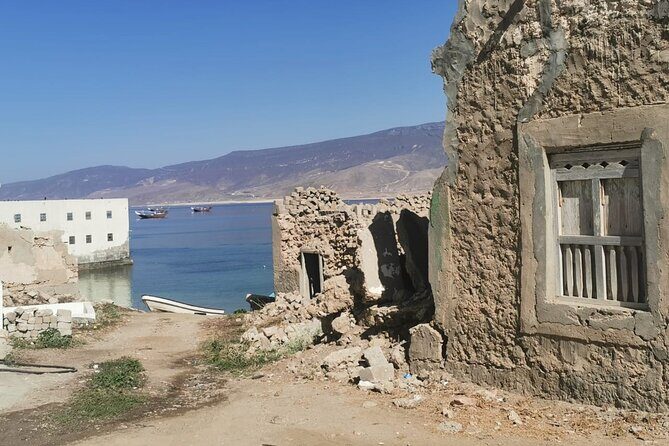
The tour starts in Taqah, and that’s a smart first move. Taqah has the kind of material history that makes the later natural sites feel more meaningful. Instead of treating Dhofar like a scenic road trip, you get a cultural anchor early.
You’ll have about one hour in this stop zone, with an option to visit any places among three: Koofan Heritage Lodge (Koofan Heritage House), Taqah Castle, and Borgel Asker. Admission is listed as free here, so you’re not paying extra to do the heritage work.
What I’d prioritize in this time box:
- Koofan Heritage House: the mention of a 150-years-old Dhofari house is the reason to come. Even if you only spend part of your hour inside or around the structure, you’ll come away with a clearer idea of how Dhofari homes and life were shaped by climate, materials, and local traditions.
- Taqah Castle: castles are good for orientation. You can usually spot what a stronghold needed—views, access, and defense—just by how the site sits in the area.
- Borgel Asker: this is a great “in-between” stop if you like details and smaller heritage points rather than only the biggest headline buildings.
A small practical thought: with an hour to split across multiple sites, the best strategy is to pick what you most want first. Then let the guide help you decide what’s worth the extra steps in the time you have.
Taqah View Point: a quick win for perspective
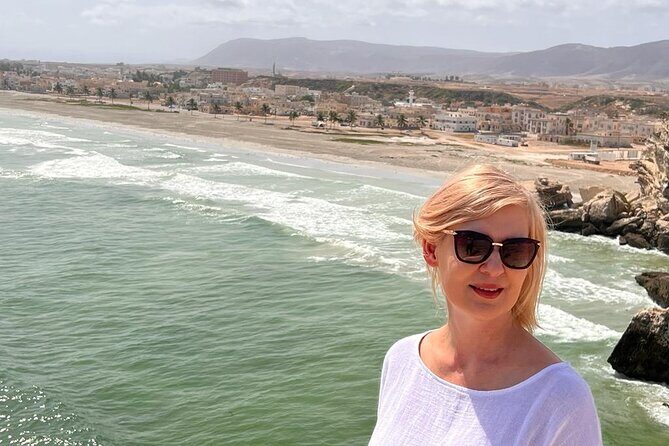
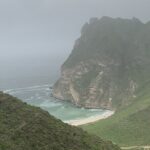
After the heritage zone, you head to Taqah View Point for about one hour. This is one of those stops that sounds simple until you realize what it does for the rest of the day.
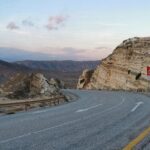
Viewpoints help you read the region. When you understand where the coast sits, where the mountains rise, and how the wadis open up, the later stops make more sense. You’ll also be better at timing your walking and photo spots because you can see the “shape” of what you’re heading into.
Admission is listed as free here too, which is always a nice bonus for short, high-impact stops.
Wadi Darbat: waterfalls, caves, camels, and Khareef timing
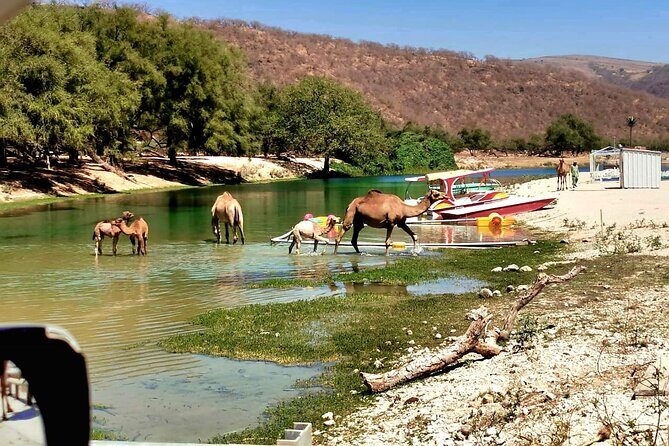
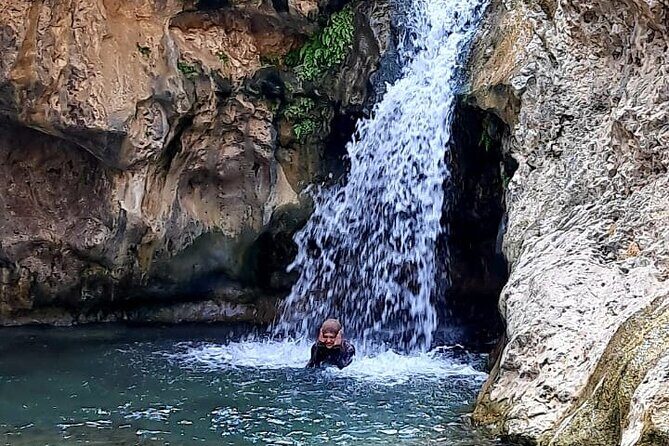
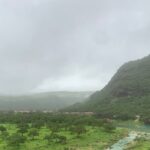
Then the tour shifts into Dhofar’s nature gear with Wadi Darbat, one of the area’s most dramatic natural parks. This is the stop that can feel like a scene change—mountains, water, caves, and a whole lot of green compared to what many people expect from southern Oman outside the monsoon season.
You get about one hour at Wadi Darbat, and the sights described here are exactly what make it special:
- Waterfalls that can reach around 30 meters (100 ft.) during the Khareef season
- Cave chambers
- Lakes, mountains, and lush green vegetation
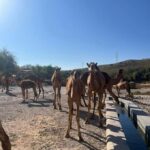
- Lots of camels
- A picnic area you can use to slow down if you’ve built up an appetite
Here’s the key practical reality: Khareef is seasonal. If you’re traveling during the monsoon window, you’ll feel the power of water moving through the wadi. If you’re outside it, the scenery can still be beautiful, but the “30-meter waterfall” moment may not be the same.
So if you want the full Wadi Darbat experience, plan around the season rather than hoping luck will do all the work. Either way, I’d still expect the wadi to be a visually satisfying break from the heritage stops.
Also, caves and water features can mean uneven surfaces. Wear solid shoes. Bring a little patience for stairs or rocks if you’re the type who likes to get close.
Khor Rori and Sumhuram: why frankincense belongs on your photo list
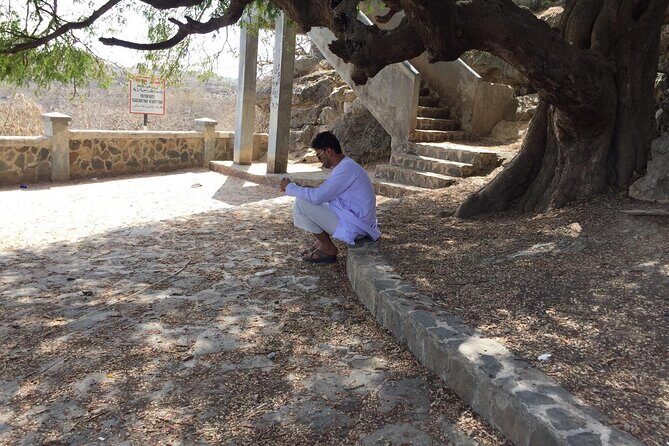
After Wadi Darbat, the route continues toward Khor Rori Creek, tied to the ruins of Sumhuram, described as the ancient Arabian frankincense trade capital. This is where the tour earns its deeper value.
You’ll find the Sumhuram Museum / Archaeological Park, which is part of the UNESCO World Heritage Site known as the Land of Frankincense. That UNESCO label matters because frankincense isn’t just a plant product; it’s a trade story that shaped the region for centuries. If you’re the kind of person who likes to know what you’re looking at, this stop gives you the “why” behind the “wow.”
A practical point: even if you don’t go super long into every exhibit, the context helps you notice details more intelligently—where trade activity would have benefited, how a coastal creek fits a supply chain, and how ruins become readable when you know what they were built for.
This stop can be a perfect reset after Wadi Darbat’s natural intensity. It’s still outdoors and still scenic, but it turns your focus from water and stone to commerce and history.


Jabal Samhan: mountain time with the right expectations
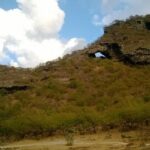
Next comes Jabal Samhan for about one hour. Even with limited time, this stop is worth it because it balances your day. After heritage and a water-filled wadi, you get a chance to feel Dhofar’s mountainous presence.
The tour doesn’t promise a single specific viewpoint feature in the data you were given—so think of this hour as mountain viewing time with a guide who can point out what matters. Jabal Samhan is listed as a free admission stop, which is nice since you’re paying your day for the ride and guide, not for add-ons at every corner.
If you’re sensitive to heat or wind, Dhofar’s mountain areas can still feel cooler than the open coast. But it can also get breezy. Bring a light layer and don’t assume shade will be constant.
Gravity Hill: the fun physics break
You end with Gravity Hill, also described as the Earth Gravity Controversial stop. This is the kind of place that works best when you treat it like an experience, not a lecture.
You’ll have about one hour here, and the real value is simply getting the moment with the instructions and local setup your guide uses. The name alone is a clue that the effect is a mix of perception and setup—so expect it to be more entertaining than scientific proof.
It’s also a good last stop because it’s interactive in a low-stakes way. By the time you reach Gravity Hill, you’ve already done the demanding scenery and cultural thinking. Now you get to play for a bit before you wrap up.
The guide is the difference: Mohammed’s impact on the day
Across the reviews, one name shows up again and again: Mohammed (also written as Muhammed Rafit). The common thread is that he keeps the tour feeling smooth and informative—friendly, responsive, and ready with context instead of just moving you between stops.
That matters because in a place like Dhofar, the best parts aren’t always the biggest landmarks. It’s the small explanations that turn a scenic pull-off into an understanding of how people live here and how Khareef changes everything.
I especially like tours where the guide helps your day run well. You’re not just transported. You’re guided. And when a guide is good at pacing—knowing when to linger and when to move on—the full experience feels worth the time, even if each stop is relatively short.
Price and value: $230 per group for up to 7
This tour costs $230 per group, with capacity up to 7 people, and runs about 5 hours. That’s a private-tour pricing model, so value depends heavily on how many people you bring.
Here’s the simple math:
- If you fill all 7 spots, the cost is about $33 per person
- If it’s just 2 people, you’re closer to $115 per person
What you’re getting for that price:
- Licensed guide
- Pickup
- Air-conditioned vehicle
- Bottled water
- Mobile ticket
- Admission is listed as free for the stops mentioned in the itinerary
In other words, you’re not paying separately for entry fees at each place. You’re paying for a guided route that strings together Taqah heritage, Wadi Darbat nature, mountain time, and a playful Gravity Hill stop without you having to plan it yourself.
If you’re traveling solo, it can still be worth it for the guide quality and convenience. If you’re traveling with friends or family, it becomes a strong value.
Timing and comfort: how to make a 5-hour tour feel easy
This is built for a morning start at 8:00 am, and it’s efficient by design. That’s great, but it also means you’ll want to travel light and ready.
My practical tips:
- Bring comfortable shoes for Wadi Darbat. Even if the tour time is short, surfaces can be uneven.
- Use sunscreen and a hat. You’ll spend time outdoors, and morning sun in the region can still be strong.
- Keep your expectations realistic at each stop. One hour flies. Pick what you want first, then use the guide to get the most from the remaining time.
If you’re hoping for a slow, deep visit at every single site, you may feel the time pressure. But if you want a compact sampler of East Salalah that still feels meaningful, this format fits well.
Should you book the East Salalah Private Tour by VisitSalalah?
Book it if you want:
- A private morning plan that’s organized, with pickup and an AC vehicle
- A guide-led day where Mohammed style explanations make places easier to read
- A mix of Taqah heritage, Wadi Darbat nature, and a fun closing stop at Gravity Hill
Skip it or reconsider if:
- You’re expecting a full-day, never-rush itinerary. This one is about efficiency in about 5 hours.
- You’re traveling outside the Khareef season and you specifically dreamed of major waterfall intensity at Wadi Darbat. You might still get gorgeous views, but monsoon timing is what powers the standout water drama.
FAQ
How long is the East Salalah Private Tour?
The tour lasts about 5 hours.
What time does the tour start?
The meeting start time is 8:00 am.
How much does it cost, and how big is the group?
It costs $230 per group, with up to 7 people.
What’s included in the price?
The tour includes a licensed guide, bottled water, and an air-conditioned vehicle. Pickup is also offered, and you receive a mobile ticket.
What stops are included?
Stops include Taqah (with options like Koofan Heritage Lodge/Koofan Heritage House, Taqah Castle, and Borgel Asker), Taqah View Point, Wadi Darbat, Jabal Samhan, and Gravity Hill.
Is admission free for the listed stops?
Admission is listed as free for the stops shown.
What is the cancellation policy?
You can cancel for free up to 24 hours in advance for a full refund. If you cancel within 24 hours of the start time, there is no refund.