REVIEW · SALALAH
Desert Safari in the Rub al Khali
Book on Viator →Operated by DhoIT - Dhofar International Tourism · Bookable on Viator
Rub al Khali has a different tempo. I like how this safari starts with the UNESCO Frankincense Trail and then brings you to the ruins of Ubar before heading into the huge dunes, guided by expert sand drivers.
You get a private setup for up to four people, which means the day feels tailored instead of rushed through checkpoints.
The main thing to consider is the time commitment: it’s about 8 hours, with a morning start around 8:30 am, so plan for a long day on the road and in the desert vehicle.
In This Review
- Key highlights at a glance
- Rub al Khali from Salalah: what you’re really signing up for
- The Frankincense Trail stop: UNESCO, short and worth it
- Ubar’s ruins: why this detour feels like the plot twist
- The Rub al Khali drive: where expert sand driving matters
- Camp time, stargazing, and the human side of the desert
- Price and value: what $512.83 per group really means
- What to expect day-of: timing, comfort, and surprises
- Who this safari is best for (and who should skip it)
- Should you book this Rub al Khali desert safari?
- FAQ
- What time does the desert safari start?
- How long is the experience?
- What stops are included during the trip?
- Is this tour private or shared?
- Is admission included for the Frankincense Trail?
- What is the cancellation policy?
Key highlights at a glance
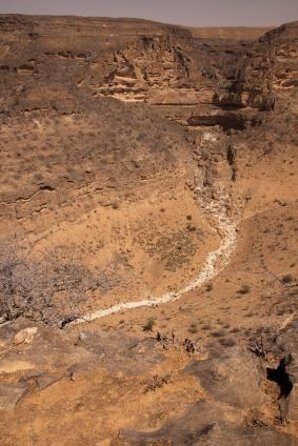
- UNESCO Frankincense Trail stop, admission included and only about 15 minutes
- Ubar ruins visit on the way to the sandy heart of Rub al Khali
- Private group of up to 4, so you move with your own pace
- Sand-driver expertise focused on handling the dunes carefully
- Camp time details like fireside chats, stargazing, and sing-along energy
- Vegetarian meal support when you mention your preference
Rub al Khali from Salalah: what you’re really signing up for
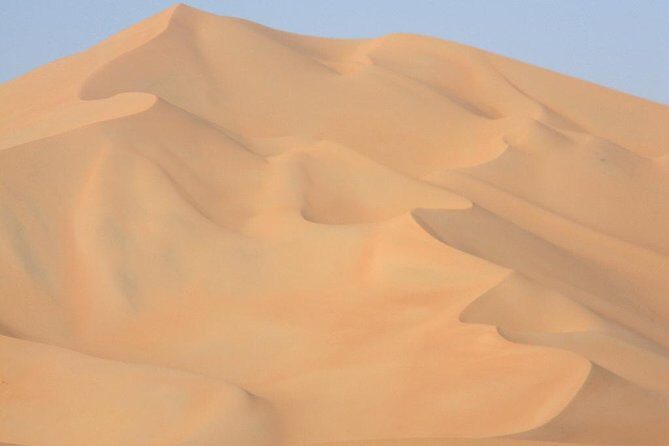
This safari is about switching gears. One moment you’re in Dhofar at a heritage-focused stop tied to frankincense; the next you’re in the vast, sand-only world of Rub al Khali. The day is built around the contrast: a brief, meaningful culture stop first, then serious desert time.
Salalah is the launchpad, and that matters. Instead of a quick photo stop, you’re leaving on a schedule that gives you room to actually experience the dunes. And because it’s a private tour for your group, you’re not squeezed into a crowd rhythm. You can ask questions, pause for photos, and generally keep your day from feeling like a checklist.
One more practical point: this is a safari that leans on driving skill. That’s not just a marketing line. Dune riding is where comfort and safety meet experience. With expert sand drivers and careful guides, you’re more likely to feel confident instead of bracing yourself the whole time.
A few more Salalah tours and experiences worth a look
The Frankincense Trail stop: UNESCO, short and worth it
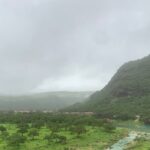
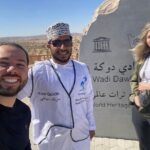
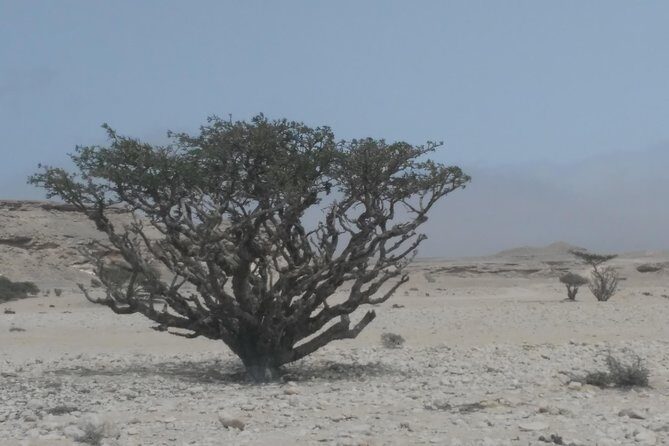
The first stop is the Frankincense Trail at the incense valley. This is UNESCO-listed, and the tour keeps it tight—about 15 minutes. Admission is free for this stop, which is a nice little value add.
Here’s what makes this moment work: it gives context for Dhofar’s frankincense story without turning your morning into a museum day. The valley is home to the largest concentration of Boswellia sacra trees, the source of the precious frankincense resin. You don’t need to be a plant expert to get it. You just need a few minutes to look closely and let the setting connect the dots between trees, resin, and the famous incense trade routes associated with the region.
What to watch for: don’t treat it as a quick stop-and-go. Even with only 15 minutes, you’ll get more out of it if you slow down for a few seconds, look around, and ask your guide what’s special about Boswellia sacra in this specific area.
If you’re the kind of traveler who hates rushing, this stop is actually a good match because it’s short by design. You get the key heritage moment early, then you move on.
Ubar’s ruins: why this detour feels like the plot twist
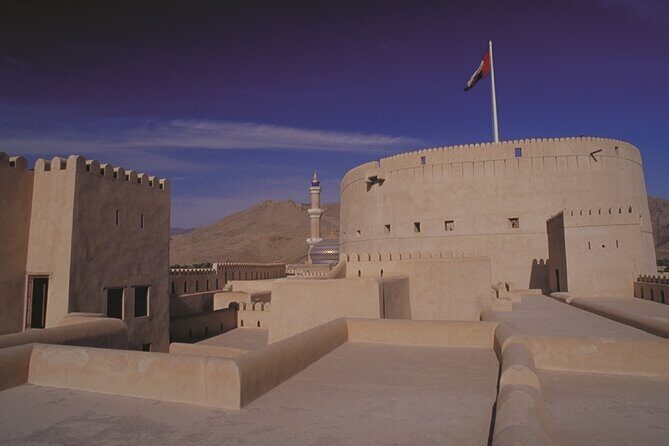
After the incense valley, the route continues to the ruins of the ancient city of Ubar. This is one of those stops that gives the day narrative energy. You start with frankincense, then you see a place associated with ancient settlement in the region, and then you head toward the dunes of Rub al Khali.
The best part is how Ubar changes your mental map. Rub al Khali isn’t just a place for sand photos. It’s a desert that has shaped human movement, survival, and stories—so when you later see dunes stretching toward the horizon, you’re not just looking at scenery. You’re imagining how people might have traveled through this same world long ago.
One consideration: since this is a safari-style day, you shouldn’t expect a long archaeological lecture. The tour keeps momentum. If you want deep, slow study, you may want to pair this with an extra day in Salalah’s heritage sites later. But for what this trip is—desert driving first, big story beats along the way—it does the job.
The Rub al Khali drive: where expert sand driving matters
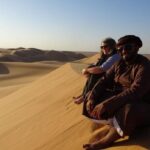
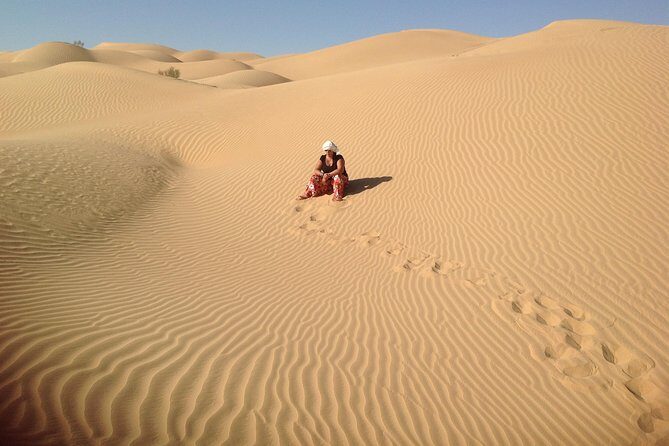
Then comes the main event: the Rub al Khali dunes, described as the largest and still unexplored sandy desert in the world. That phrasing matters because it hints at the feeling you’re chasing—vastness, emptiness, and a sense that you’re far from the daily world.
This is where the expertise of the sand drivers becomes more than comfort. Good drivers understand traction, timing, and how to keep the vehicle moving without turning the ride into a constant jolt. With expert sand drivers and careful guides, you’re set up for a smoother experience than if you just hired any driver and hoped for the best.
What I like about this part for practical travelers: the tour doesn’t treat dune time as random entertainment. It’s structured as part of the desert experience, meaning you spend time in the right kind of conditions rather than just driving aimlessly.
And because it’s private for your group, you’re more likely to get a driver-guide conversation rather than only generic instructions. That helps, especially if you have questions like how the dunes will feel, how long you’ll be outside, or what the best photo moments might be.
Camp time, stargazing, and the human side of the desert
A desert safari lives or dies on what happens after the driving. On this one, the “people moments” show up in the way your hosts take care of the vibe.
In past stays with this operator, people have highlighted a camp setting that feels clean and cosy, plus hosts who share stories and keep the mood warm. You’ll often get fireside chats, stargazing time, and even singing. That’s not just fun fluff. In a place where the sand is the main character, these are the moments that make the day feel connected, not just scenic.
Food is also handled with actual attention. Vegetarian meals have been prepared when requested, and that’s a detail that makes a big difference when you’re spending hours away from normal restaurants. If you’re vegetarian, this is one of those “small planning wins” you’ll appreciate more than you expect.
A gentle note to manage expectations: the desert is still the desert. Even with a cosy camp, you’re going to feel the day outdoors—so if you’re sensitive to temperature changes, plan your clothing accordingly and keep water in mind.

Price and value: what $512.83 per group really means
The price is listed as $512.83 per group (up to 4), with an approximate duration of 8 hours. On paper, it sounds like a chunk. In practice, it’s often the right kind of chunk if you’re traveling as a small group or family.
Here’s the math mindset I use: if you fill all four seats, your effective cost becomes roughly $128 per person. If you only have two people, it’s more like $256 per person. So the value depends on whether you can use the group size.
Now, what you’re paying for isn’t only transportation. You’re paying for:
- private guiding (your group only)
- expert sand-driver handling
- access to the heritage stop at the incense valley (with free admission for that segment)
- a full-day desert program that’s long enough to feel complete
If you’re someone who hates crowded tours and wants the freedom to ask questions and move at your pace, this price can feel fair. If you’re traveling solo and you can’t share the group slot, you may feel the cost more strongly. In that case, look closely at whether you’re getting enough time in the dunes and camp moments to justify it for you.
What to expect day-of: timing, comfort, and surprises
Start time is 8:30 am, and pickup is offered. The duration is about 8 hours, so you’ll be out for most of the day. Because this is a desert safari format, you should expect some “waiting plus moving” rhythms—short heritage stop, then driving time, then desert time and camp time.
Bring your best sense of humor. Desert days can be windier than you imagine, and the light can change fast. The upside is that the stargazing and nighttime atmosphere are exactly the reason to take this kind of tour rather than just doing a daytime dune drive.
Also, think about motion. Even with careful driving, dune rides can be bouncy. If you’re prone to motion sickness, it’s smart to come prepared. And if you’re traveling with kids, it helps to know that the day is structured, not random, but it is still an all-day experience.
On the ticket side, you’ll use a mobile ticket, and you should receive confirmation at booking time. That’s simple, but still worth double-checking on your phone before you leave.
Who this safari is best for (and who should skip it)
This fits best if you want:
- a private desert day for a small group (up to four)
- the heritage start at the Frankincense Trail plus the Ubar ruins detour
- more than just a quick dune photo stop
- a guide-host style experience that includes evening atmosphere like fireside chats and stargazing
It may be less ideal if you:
- only want a short outing (this is about 8 hours)
- dislike long travel days
- are looking for a heavy-duty, academic archaeology format (Ubar is included, but the day is built for safari pacing)
Good to know for practical planning: most travelers can participate, and service animals are allowed. If you have specific mobility needs, it’s smart to ask before booking, but the baseline participation language is positive.
Should you book this Rub al Khali desert safari?
I’d book it if you’re aiming for a complete Dhofar desert day: UNESCO incense valley in the morning, Ubar ruins as a story hinge, then real dune time with professional sand drivers and a camp atmosphere that turns the night into part of the experience.
I’d think twice if you’re traveling solo without the chance to fill the group size, or if you’re not ready for an 8-hour schedule that includes being outdoors and riding in a desert vehicle for long stretches.
If your group is up to four, though, and you want a private, organized way to experience Rub al Khali from Salalah, this is the kind of tour where the details—guides, driving skill, and camp care—make the day feel whole.
FAQ
What time does the desert safari start?
The tour start time is 8:30 am, with pickup offered from Salalah.
How long is the experience?
It lasts about 8 hours (approx.).
What stops are included during the trip?
You’ll visit the Frankincense Trail (incense valley), then the ruins of the ancient city of Ubar, and finally spend time in the Rub al Khali dunes.
Is this tour private or shared?
This is a private tour/activity. Only your group will participate.
Is admission included for the Frankincense Trail?
Yes. Admission ticket for the Frankincense Trail stop is listed as free.
What is the cancellation policy?
You can cancel for a full refund up to 24 hours in advance of the experience’s start time. If you cancel less than 24 hours before, the amount paid won’t be refunded.