REVIEW · SALALAH
Your Salalah Tour-Your German speaking tour provider/mountain tour
Book on Viator →Operated by Your Salalah Tour · Bookable on Viator
Salalah’s mountains teach you Oman fast. This German-speaking trip on the northeast side of Salalah strings together Wadi Darbat waterfalls and a picnic under trees with culture and viewpoint stops like Taqah and the old baobabs at Qeenak. I love the small-group feel and the way guides Uta and Rashid keep the day organized while explaining what you’re seeing in practical, easy German.
One possible catch: it’s a 6.5-hour day, so you’ll trade leisurely pacing for a tight route with mostly outdoor time and regular driving between sights. If you want a slow, cafe-to-cafe rhythm, this one may feel like it moves too quickly.
In This Review
- Key takeaways before you go
- Why Salalah’s northeast mountain day feels special
- Small-group guiding in German with Uta and Rashid
- Wadi Darbat: waterfalls, a picnic under trees, and wild-life watching time
- Taqah: culture and history you can picture from the plateau
- Jabal Samhan near 2,000 m: sea-and-wadi views that reward your time
- Qeenak baobabs: 15 minutes with an ancient presence
- Mirbat and the location of gravity: a brief, quirky break
- Time, comfort, and what to expect from a 9:30 start
- Price and value: is $209.06 per person fair?
- Who should book this mountain tour in Salalah
- Should you book this Salalah mountain tour?
- FAQ
- What is the duration of the Salalah mountain tour?
- What time does the tour start in the morning?
- How many people are in the group?
- Is pickup offered?
- Is the tour available in German?
- Which stops are included on the route?
- Are admission tickets included?
- What kind of activities happen at Wadi Darbat?
- How long do the stops take?
- What happens if I need to cancel?
Key takeaways before you go
- Max 5 people means you get real conversation, not just a bus tour script
- German guiding with Uta and Rashid makes history and viewpoints easier to connect with
- Wadi Darbat includes admission plus the best kind of break: a picnic under trees
- Jabal Samhan at almost 2,000 m is your big “wow” for sea-and-wadi views
- Qeenak baobabs and a quick Mirbat gravity stop add variety without dragging the schedule
- Pickup offered keeps the day simple when you’re already in Salalah
Why Salalah’s northeast mountain day feels special
Salalah can look different depending on where you stand. This tour focuses on the northeast side, where the scenery shifts from water and greenery in the wadis to high viewpoints and mountain air. It’s not just one scenic stop and then back. You get a sequence: water, settlement history, high mountain views, ancient trees, and a short quirky moment at Mirbat.
What I like is the balance. You’re not only chasing views. You also get the human side through stops like Taqah, where you can picture how people lived and what the plateau looks like from above. That mix is exactly how Oman makes sense in a day: nature explains the setting, and culture explains the people.
You can also read our reviews of more tours and experiences in Salalah.

Small-group guiding in German with Uta and Rashid
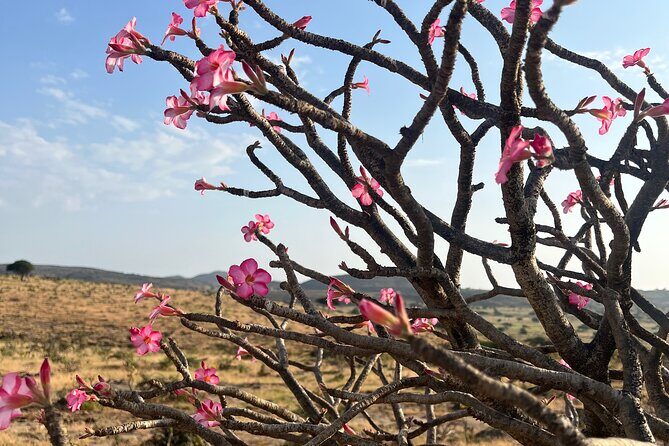
This experience is run as an individual, authentic tour in German. The biggest practical win is the group size: up to 5 people. That’s the difference between asking one more question and keeping your hand down. With a small number of participants, Uta and Rashid can adapt the day if something catches your eye.
From the feedback you can see the team’s roles clearly. Uta speaks German and English, and Rashid speaks Arabic and English. On a German-speaking tour, that means you’re not stuck scanning a translation app when you want context for a viewpoint or a historical detail. It also helps you read the day in real time: what you’re seeing, why it matters, and how it connects to the region.
And yes, pickup is offered. Start time is 9:30 am, so you can get going early without the stress of arranging transport on your own.
Wadi Darbat: waterfalls, a picnic under trees, and wild-life watching time

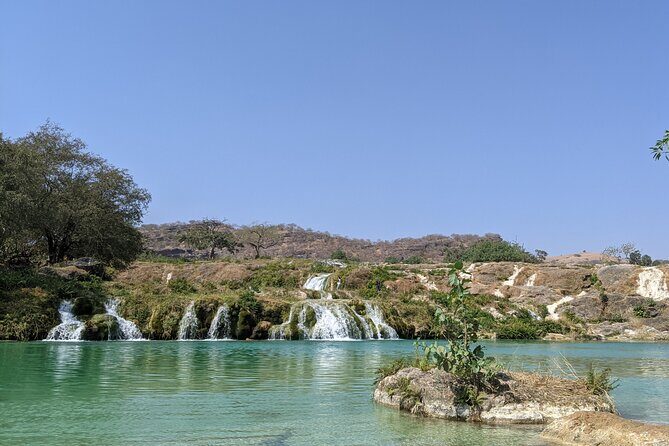
Stop one is Wadi Darbat, a full hour built around water, shade, and that classic wadi feeling. You can expect the world-famous area with waterfalls, plus time for a picnic under the trees. For me, this is one of those stops where the pace is part of the value. You’re not just snapping photos—you’re eating and resting in the same place the water has been shaping the valley for a long time.
Wadi Darbat also includes an admission ticket in this tour. That matters because it avoids the annoying moment of hunting down the right ticket desk while you’re already excited. It also signals that the organizer expects you to actually spend time here, not just do a quick drive-by.
You might also spot wild animals. I can’t promise sightings, but this is one of the reasons the first hour is set up the way it is: you have time to look around quietly without rushing.
Practical tip: if you’re photographing, give yourself a few minutes after you sit down. The best shots often happen while people are resting, not while everyone is sprinting for the same angle.
Taqah: culture and history you can picture from the plateau
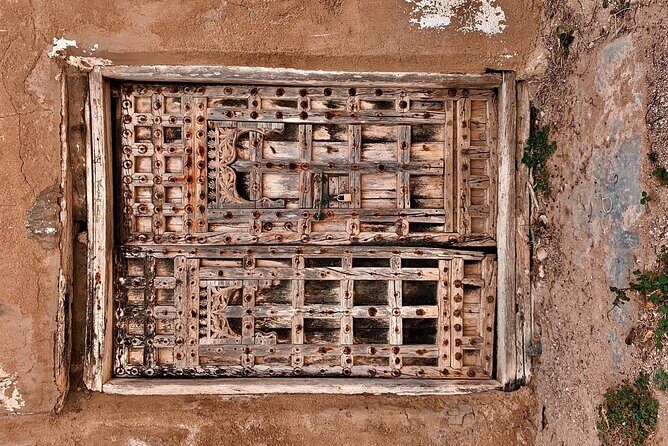
After Wadi Darbat, you shift to Taqah for about one hour. This stop is about history and culture—how Omanis lived—and the feeling of being on a plateau that opens the view wide. It’s not a museum-style presentation. It’s more like learning the setting so the scenery stops being random.
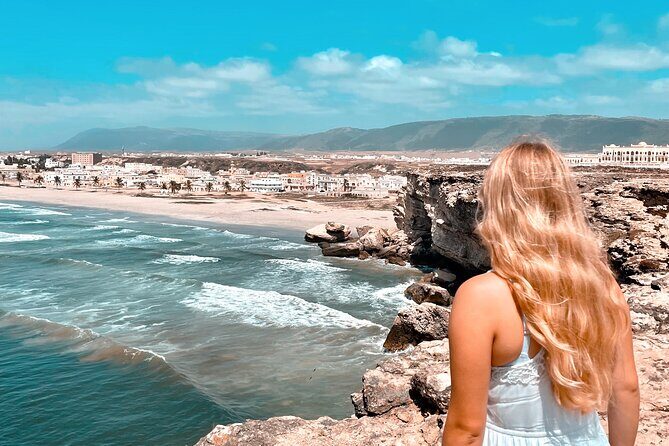
The tour focuses on the Taqah plateau viewpoint. From a high place like that, you can understand why settlements and routes made sense where they did. You also get an easier mental map of the region: water sources, elevations, and how the land guides movement.
Admission is free at this stop, so you’re not paying extra once you’re already out. The real cost here is time: one hour goes fast if you ask questions and enjoy the view slowly.
Practical tip: if you’re the type who likes photos, take a wide shot first, then switch to details. Plateaus teach you by contrast—big view, small objects, then back to the horizon.
Jabal Samhan near 2,000 m: sea-and-wadi views that reward your time
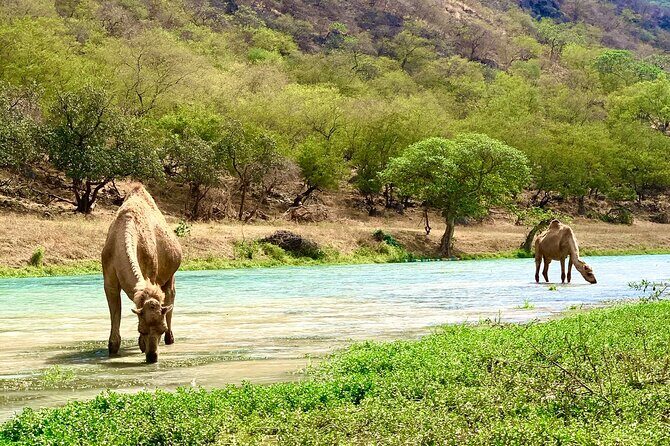
Stop three is where the day climbs toward its biggest viewpoint payoff. Jabal Samhan is almost 2,000 m and described as the highest mountain in the area. You get about two hours here, which is long enough to breathe, not just stand and rush away.
Expect gigantic views over the sea and the wadis. This is the stop that makes the rest of the itinerary feel connected. After seeing water in Wadi Darbat and learning settlement logic at Taqah, you can look outward and see how the valleys and higher ground fit together. That connection is the kind that sticks with you after the tour day ends.
Admission is free, so the value is all in the guiding and the time allocation. Two hours also gives you flexibility: if the light is good, you can linger. If it’s not, you can still enjoy the view without feeling trapped.
Practical tip: bring layers. Even if it’s warm at street level in Salalah, high points can feel different once you’re up and wind is in play.



Qeenak baobabs: 15 minutes with an ancient presence
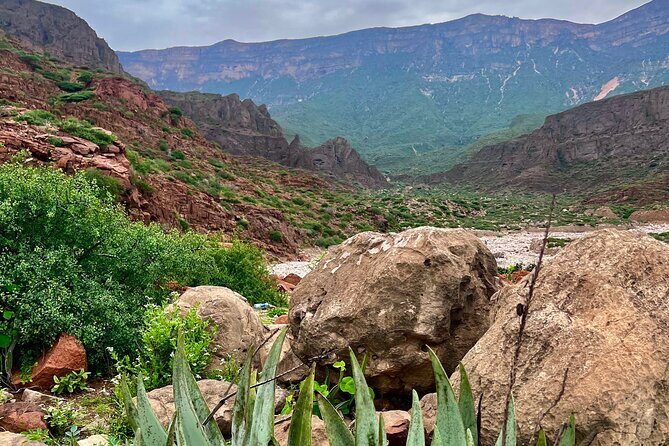
At Qeenak, you get a short stop—around 15 minutes—focused on huge, centuries-old baobab trees. This is a quick hit, but it works because it changes the visual theme of the day. Up to this point you’ve dealt mostly with water and mountains. Here you meet age and scale.
These trees are the kind of sight where your brain automatically starts estimating time, even if you don’t know the exact years. The tour keeps it short so you don’t lose momentum, but you should still take a few steps around to see how the trunk and branches read from different angles.
Admission is free here too, so you’re paying with attention, not ticket handling.
Mirbat and the location of gravity: a brief, quirky break
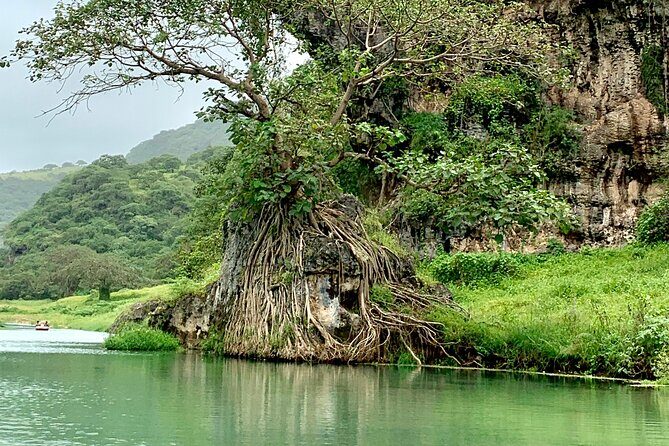
Mirbat is the shortest stop on the route—about 10 minutes—and it’s all about the location of gravity. It’s a quick science-meets-local-sight kind of moment. Even if you’re not a physics person, it’s still a fun pause that gives your eyes and legs a rest before the day wraps up.
Admission is free, so the stop is simple in cost and simple in time. The value is variety. After long-view stops, a short quirky stop can refresh your energy.
Time, comfort, and what to expect from a 9:30 start

The tour runs approximately 6 hours 30 minutes, starting at 9:30 am. That means you’re likely to feel the rhythm of a day that’s structured around driving time plus a few longer stops.
Here’s what that means for you:
- You’ll want comfortable shoes because you’ll be spending time outdoors, even if walks are not described as long
- Plan for waiting moments—especially at viewpoint stops—because the best photos and best understanding usually take a few minutes
- You’ll be in the “on the go” mindset, not a relaxed half-day lounge
One more thing: most people can participate. That’s good news, but it doesn’t remove the reality that this is a mountain-focused route. If you have mobility issues, you’ll want to think carefully about outdoor time and uneven ground, even if the tour is designed to be doable for many.
Price and value: is $209.06 per person fair?
At $209.06 per person, this tour isn’t the cheapest way to see Salalah—but it also isn’t trying to be. The value comes from a few specific elements that work together:
- Small group size (max 5): that’s personal guiding, not mass-tour logistics
- German-speaking delivery: fewer misunderstandings and more context while you’re standing in front of the view
- Pickup offered: you’re buying time and simplicity
- Wadi Darbat admission included: at least one ticket cost is handled for you
- A route with real variety: waterfalls, plateau culture, high mountain viewpoint, ancient baobabs, and Mirbat’s gravity stop
If you’re paying mainly for transportation alone, the price feels steeper. If you’re paying to understand what you’re looking at—through German explanations and a carefully timed mix of stops—then the cost starts to make sense.
Also, tours like this often book ahead. This one is typically reserved about 27 days in advance, so if you want your preferred date, you’ll need to plan early rather than gambling on last-minute availability.
Who should book this mountain tour in Salalah
This is a strong match if you:
- Want a German-speaking guide who can connect culture with scenery without skipping the “why”
- Like small-group experiences where the day feels personal
- Want a mix of nature and culture in one outing, rather than choosing only waterfalls or only viewpoints
- Enjoy a day trip that’s structured, with stops that have a clear purpose
It’s also a good fit if you’re the kind of person who likes to learn while walking. If you only want effortless sightseeing with no explanation, you could still enjoy it—but you’ll likely get the most satisfaction from people who like a bit of context.
Should you book this Salalah mountain tour?
I’d book it if you’re coming to Salalah specifically to see more than the hotel area and you want your time guided, in German, with a small group. The itinerary hits the right rhythm: Wadi Darbat first (water and shade), Taqah next (culture and plateau view), Jabal Samhan for the big elevation payoff, then Qeenak and Mirbat to keep the day varied.
Skip it only if your ideal day is slow and sedentary. This is an outing with a tight schedule and outdoor time. Also, it’s non-refundable and can’t be changed, so make sure your dates are solid before you commit.
FAQ
What is the duration of the Salalah mountain tour?
The tour lasts about 6 hours and 30 minutes.
What time does the tour start in the morning?
The start time is 9:30 am.
How many people are in the group?
The tour has a maximum of 5 travelers.
Is pickup offered?
Yes, pickup is offered.
Is the tour available in German?
Yes. It is described as an individual, authentic tour in German.
Which stops are included on the route?
The stops are Wadi Darbat, Taqah, Jabal Samhan, Qeenak, and Mirbat.
Are admission tickets included?
Wadi Darbat admission is included. Admission at Taqah, Jabal Samhan, Qeenak, and Mirbat is listed as free.
What kind of activities happen at Wadi Darbat?
You’ll experience the waterfalls, enjoy a picnic under the trees, and have time to watch for wild animals.
How long do the stops take?
Wadi Darbat is about 1 hour, Taqah about 1 hour, Jabal Samhan about 2 hours, Qeenak about 15 minutes, and Mirbat about 10 minutes.
What happens if I need to cancel?
This experience is non-refundable and cannot be changed for any reason. If the minimum number of travelers isn’t met and it’s canceled, you’ll be offered a different date/experience or a full refund.