REVIEW · MUSCAT
Muscat: Half-Day City Tour
Book on GetYourGuide →Operated by Horizon Travel and Tourism · Bookable on GetYourGuide
Muscat changes fast when you know where to look. In just four hours, this half-day city tour strings together key spots that show modern Oman and older layers side by side, with time in traditional markets and major monuments.
I especially like the way the Grand Mosque is handled on a guided walk, not just a photo stop, and I like the Bait Al Zubair Museum for putting everyday culture into context. The market time is also strong: you get a full hour at Muttrah Souq when you can actually browse and shop.
One consideration: it’s a tight schedule, with short photo windows at places like the forts and a few stops where you’ll still want to budget for entrance fees that aren’t included.
In This Review
- Key highlights at a glance
- Getting Oriented in 4 Hours: The Muscat Route That Makes Sense
- Entering Sultan Qaboos Grand Mosque: Dress Code, Etiquette, and Big-Scale Views
- Royal Opera House and Bait Al Zubair Museum: Why Omani Culture Feels Intact
- Royal Opera House Muscat
- Bait Al Zubair Museum
- Fish and Vegetable Market to Muttrah Souq: How to Shop Like a Local (Without Guessing)
- Why Muttrah Souq is the right length
- What to buy (and how to think about value)
- Al Alam Palace Photo Stop: The Quick Moment That Teaches a Lot
- Mirani and Jalali Forts: Portuguese-Era Defense on the Muscat Coast
- Price and Value: What $108 Covers (and What to Budget For)
- Pacing, Walking, and Practical Tips for a Smoother Day
- Who Should Book This Muscat Half-Day City Tour
- Should You Book It? My Honest Recommendation
- FAQ
- How long is the Muscat half-day city tour?
- What is the price per person?
- Do I get hotel pickup in Muscat?
- Is this a private group tour?
- What languages are available for the tour guide?
- What’s included in the price?
- Are entrance tickets included for the attractions?
- What is the dress code for the Sultan Qaboos Grand Mosque?
- When is the Grand Mosque closed?
Key highlights at a glance
- Licensed guide + live commentary to help you read what you’re seeing, not just pass by it
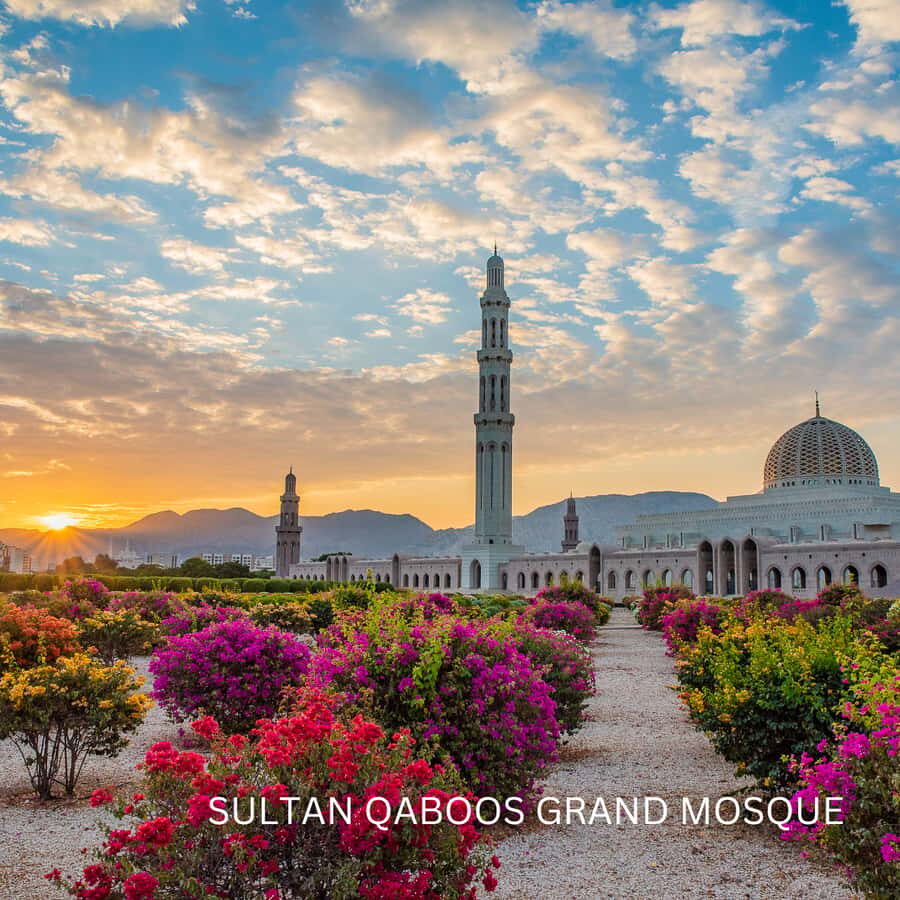
- Sultan Qaboos Grand Mosque with clear dress-code guidance and a structured visit
- Bait Al Zubair Museum for Omani heritage through exhibits and guided explanations
- Muttrah Souq time (1 hour) to shop local crafts and souvenirs at a traditional market
- Portuguese forts Mirani & Jalali for quick, strategic photo stops tied to Muscat’s old defenses
- Hotel pickup in Muscat and a private group format that keeps things moving smoothly
Getting Oriented in 4 Hours: The Muscat Route That Makes Sense
If you only have a short window in Muscat, this tour is built to give you the “where am I, and why does it matter?” version of the city. You start with the big cultural anchors, move into heritage and daily life, then end with the coastline forts and market shopping.
The rhythm matters. This isn’t a slow wander. You’ll do guided segments where they’re useful (mosque, museum), then you’ll get shorter sightseeing blocks and photo stops where timing is tight. If you like clarity and momentum, it works well. If you prefer lingering, plan to add free time later on your own.
One more practical note: the tour runs about 4 hours, with a pickup from hotels across the Muscat area. You also get a bottle of drinking water, which is welcome because you’ll be walking and stopping outdoors. Bring your comfortable shoes, sun protection, and a camera, since you’ll want photos at several key moments.
You can also read our reviews of more city tours in Muscat


Entering Sultan Qaboos Grand Mosque: Dress Code, Etiquette, and Big-Scale Views
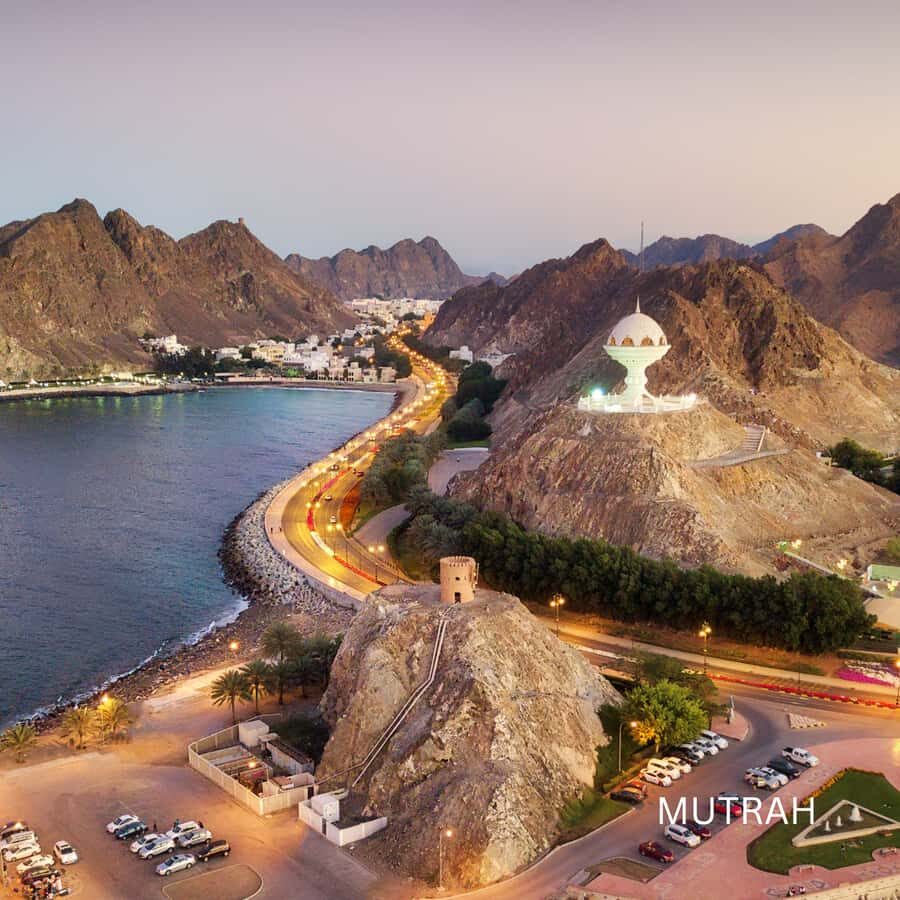
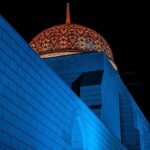
Your first major landmark is the Sultan Qaboos Grand Mosque. It’s timed for a guided tour (about 45 minutes), which is smart because the place is all about design details and respectful visitor rules.
Before you go in, know the essentials:
- Women must wear a headscarf and clothing that covers the arms and legs.
- Men must wear long pants.
This is not the kind of stop where you can wing it. If your clothing is borderline, you’ll feel rushed trying to fix it on-site. I’d rather you arrive prepared so the visit stays calm and enjoyable.
Also, the Grand Mosque has a schedule constraint: it’s closed on Fridays and public holidays. That means if your trip lands on one of those days, the tour may not run the mosque portion as written. Plan your Muscat days with that in mind.
What to look for during the guided walk is less about collecting snapshots and more about spotting the geometry and materials that create the mosque’s scale. Even if you’re not an architecture nerd, the guide’s explanations help you understand why the design feels both monumental and orderly.
One more rule: flash photography isn’t allowed, and photography restrictions may apply in certain areas. Follow your guide’s instructions and you’ll avoid awkward moments.
Royal Opera House and Bait Al Zubair Museum: Why Omani Culture Feels Intact
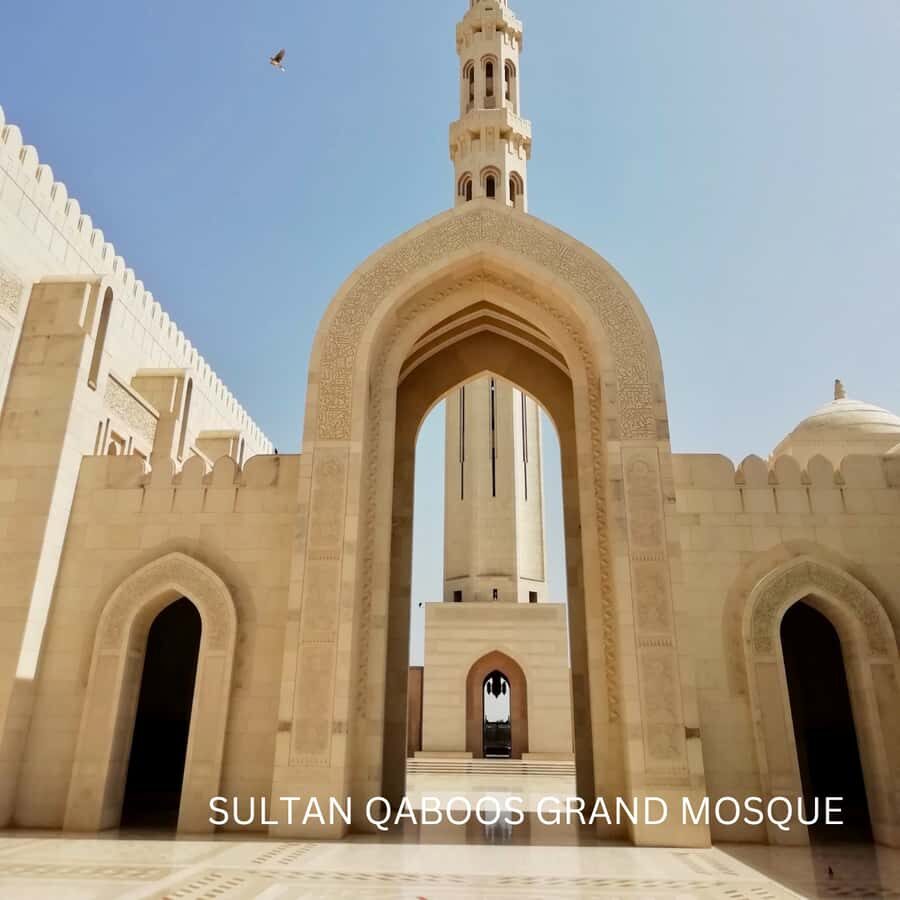
After the mosque, the tour shifts to culture and storytelling.
Royal Opera House Muscat
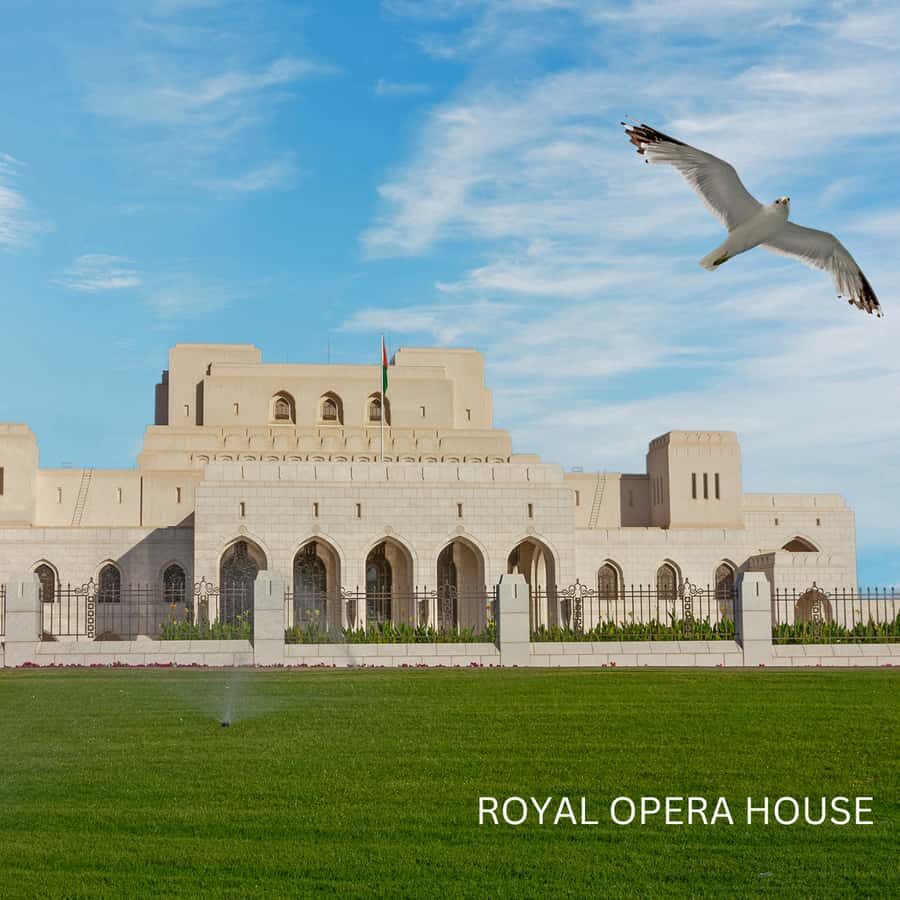
You’ll visit the Royal Opera House Muscat with a short guided component (about 30 minutes). This stop is mainly about understanding Muscat’s modern cultural presence—how the city signals what it values now. Don’t expect a long event inside during a half-day tour. Think of it as a well-timed photo-and-context stop.
Bait Al Zubair Museum
Then comes Bait Al Zubair Museum (about 30 minutes with a guided tour). This is where you get a more grounded sense of heritage through exhibits. Museums can feel like a checklist, but this one works better because the tour format includes guidance while you’re there, not just directions at the door.
If you like learning something practical—what kinds of crafts matter, how daily life connects to larger traditions—this museum helps you carry that perspective into the markets later. It’s also a nice break from the outdoor heat, especially if you’re visiting in warmer months.
A few more Muscat tours and experiences worth a look


Fish and Vegetable Market to Muttrah Souq: How to Shop Like a Local (Without Guessing)
Muscat’s food markets tell a story you can’t fully get from landmarks. You’ll stop at the fish market for about 20 minutes of sightseeing. This is short, but it’s long enough to see how the city handles everyday commerce: the colors, the noise, and the flow of people and produce.
Then you’ll have the main shopping window at Muttrah Souq for about 1 hour.
Why Muttrah Souq is the right length
An hour sounds short until you’re in a market. It’s long enough to:
- walk with purpose,
- compare a few stalls,
- ask prices calmly,
- and pick up small souvenirs and crafts without feeling you missed everything.
Because this is a city tour format, you don’t get a market marathon. That’s a plus for most people: you leave with options, not exhaustion. If you fall in love with one specific shop, you can always return later on your own.
What to buy (and how to think about value)
You’ll be looking for local crafts and souvenirs. The key is to shop with an eye for materials and finishing, not just the design. Ask questions. Let your guide help if you want translations or context. Since entrance tickets and meals aren’t included, budgeting matters, so it helps to go to the souq with a sense of how much you want to spend.
Also remember: photography rules and etiquette matter in markets too. If your guide indicates restrictions, follow them.
Al Alam Palace Photo Stop: The Quick Moment That Teaches a Lot
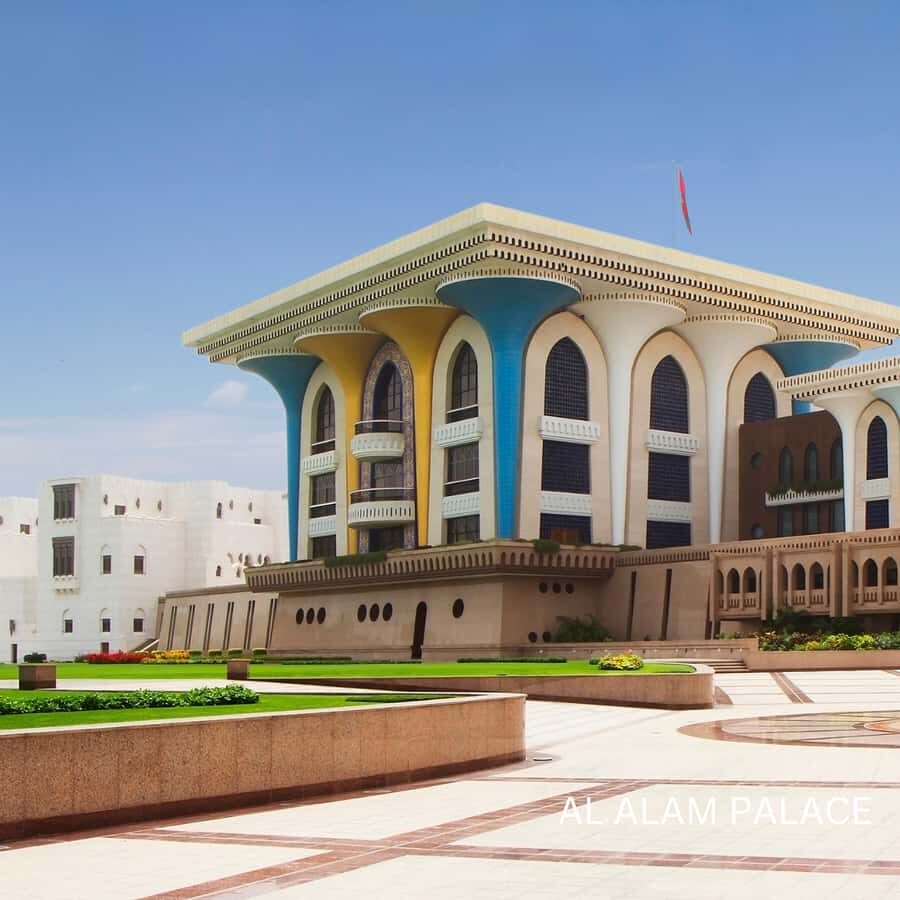
Next is Al Alam Palace. Your time here is brief: a photo stop plus a visit of about 15 minutes.
Even in a short window, this kind of ceremonial residence matters because it anchors Muscat’s political and cultural identity. You’re not just seeing a building; you’re seeing the way the country presents itself. The palace area is especially good for learning the visual language of formality—where symmetry, color, and placement create an instant message.
Because you’re on a schedule, don’t treat it like a long walk. Treat it like a focused stop: get your photos, listen for the guide’s context, and keep moving. If you try to linger too long, you’ll be stressed for the forts and souq.
Mirani and Jalali Forts: Portuguese-Era Defense on the Muscat Coast
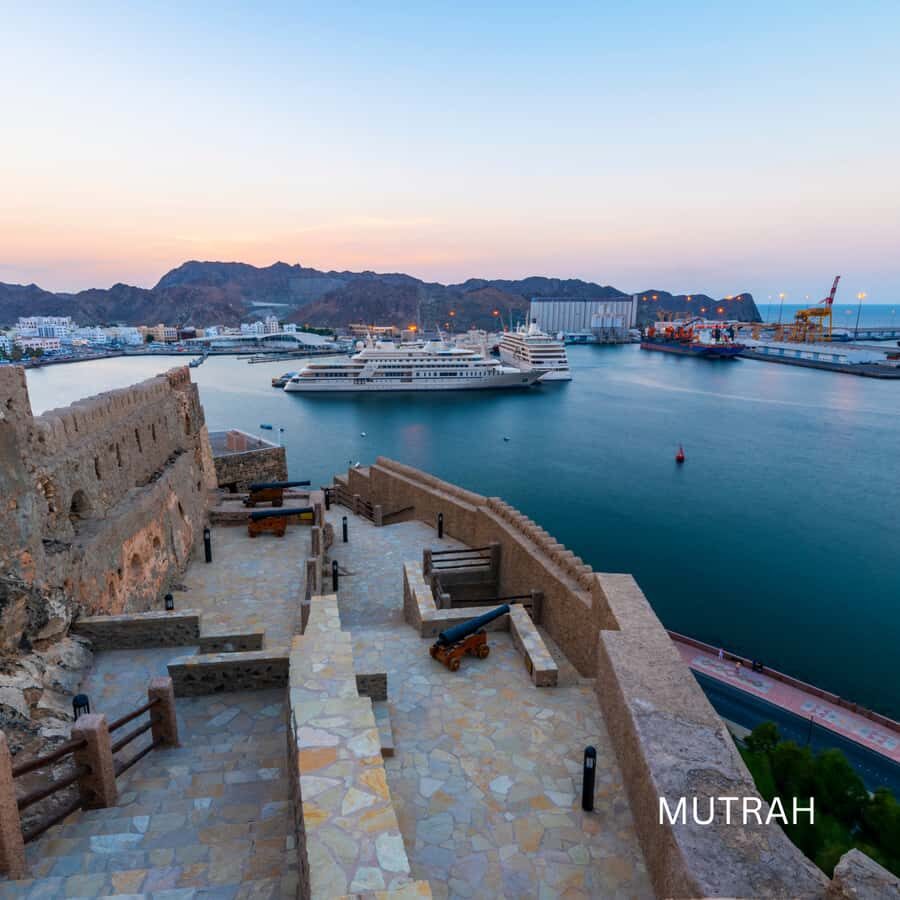
The tour ends with photo stops at the Portuguese forts: Al Jalali Fort and Al-Mirani Fort (about 10 minutes each). These forts add a completely different layer to the Muscat story.
Here’s why they’re worth even a short stop:
- They show you that Muscat wasn’t just a trade port; it was a strategic point.
- The coastline setting makes it easier to understand defense and visibility.
- You can connect the idea of outside influence to what you later see in old-town character.
Your time here is intentionally short, so go prepared to take a few strong photos from good angles and let the guide explain how the forts relate to Muscat’s colonial-era geography and defense needs. Flash photography is a no-go, and you’ll want to keep moving smoothly so the group doesn’t lag behind.
If you love history, you may find yourself wanting more time at the forts after you leave. That’s normal. A half-day tour can’t replace a full deep look, but it can point you to what to explore later.
Price and Value: What $108 Covers (and What to Budget For)
At $108 per person for roughly 4 hours, you’re paying for organization, pickup, and a licensed guide. The tour also includes sightseeing stops as listed in the route and a bottle of drinking water.
What’s not included is important: entrance tickets to attractions and meals and drinks.
That means the sticker price alone won’t tell the whole cost. Plan for extra payments on-site if ticketed entry is required at any of the stops. You’ll want to keep a buffer in your budget even if you’re not sure which exact places have paid entry.
Also think about value like this:
- You get guided time where it counts most (mosque and museum).
- You get structured access to major landmarks without having to coordinate transport and timing.
- You get a real shopping window at Muttrah Souq rather than a quick drive-by.
If you’d otherwise spend time figuring out bus routes, hiring separate guides for major monuments, or re-planning a day due to mosque closures, this tour can feel like a good trade: pay for convenience now, then explore more later at your own pace.
If you’re a traveler who hates surprise fees, confirm what’s ticketed versus what’s simply viewed from outside before you go. That’s the single best way to avoid a bad budget day.
Pacing, Walking, and Practical Tips for a Smoother Day
This is a walking-and-stop tour. You’ll cover several locations, and the terrain at some sites can be uneven. That’s why comfortable shoes are a must.
Bring:
- Comfortable shoes
- Sun hat
- Camera
- Sunscreen
- Water (you’ll get a bottle, but bringing your own doesn’t hurt)
The dress code for the mosque should be treated as a priority item, not an afterthought. If you’re traveling with a headscarf option, pack it. If your long pants aren’t ready, buy or borrow before the tour day.
There are also clear behavior rules: no smoking and no flash photography. If you want photos, stick to normal camera settings unless the guide indicates otherwise.
If you have back problems, this tour isn’t suitable. That’s not just a “be careful” warning; the tour format assumes you can handle walking and stops.
On the good side, it’s wheelchair accessible, and it runs as a private group, which can be calmer than big bus tours.
Who Should Book This Muscat Half-Day City Tour
This works best if you want:
- a guided introduction to Muscat’s main landmarks in one tight day,
- meaningful stops where explanations help (mosque and museum),
- market time that doesn’t eat up your whole schedule (Muttrah Souq),
- a format that’s organized enough to reduce stress.
If you’re traveling solo, it’s still a private group, so you’re not stuck in a huge crowd. If you’re in a couple or small group, the private structure keeps the pace manageable and helps the guide tailor explanations to the group’s questions.
If you’re the type who loves slow sightseeing and wants to linger in one place for hours, you might feel rushed. In that case, do this as your orientation day and schedule deeper time for your favorite stop afterward.
Also note: the tour guide can be Italian, English, German, or French, so you should be able to find a language you’re comfortable with. A good guide makes a city tour click—because Muscat has enough cultural rules that having someone interpret them for you saves time and keeps things respectful.
Should You Book It? My Honest Recommendation
Yes, I’d book this if your goal is a well-structured first taste of Muscat. You get a clean mix: a major mosque, a cultural landmark, heritage museum time, daily-life market stops, a ceremonial palace photo window, and Portuguese-era forts. That’s a lot of variety in four hours.
I’d be a little more careful if you dislike added costs at attractions, because entrance tickets aren’t included. The fix is simple: budget extra and confirm what needs paying.
And if you have back issues, skip it. This isn’t the format to “push through.”
Overall, for the price and the time, it’s a solid way to get oriented fast and still come away with enough understanding to explore on your own afterward.
FAQ
How long is the Muscat half-day city tour?
It lasts about 4 hours.
What is the price per person?
The tour costs $108 per person.
Do I get hotel pickup in Muscat?
Yes. Pickup is included from any hotel in the Muscat area.
Is this a private group tour?
Yes, it’s a private group.
What languages are available for the tour guide?
The licensed guide is available in Italian, English, German, and French.
What’s included in the price?
You get a licensed tour guide, sightseeing as mentioned in the itinerary, and a bottle of drinking water.
Are entrance tickets included for the attractions?
No. Entrance tickets to attractions are not included.
What is the dress code for the Sultan Qaboos Grand Mosque?
Women must wear a headscarf and clothing that covers the arms and legs. Men must wear long pants.
When is the Grand Mosque closed?
The Grand Mosque is closed on Fridays and during public holidays.