REVIEW · MIRBAT
East Salalah Tour by VisitSalalah
Book on GetYourGuide →Operated by VisitSalalah · Bookable on GetYourGuide
Four hours, big Dhofar energy. This East Salalah tour pairs private 4×4 transport with a licensed Omani English-speaking guide, so you spend less time figuring things out and more time looking at the real scenery and stories. I also like that pick-up and drop-off can include your hotel, airport, or seaport, which makes the day feel simple.
The route is built for viewpoints and walks, including spots like the cliffside Taqa area and Wadi Darbat’s rough, inclined paths. One consideration: English can vary a bit by guide, so if language clarity matters, you’ll want to choose your timing and message your needs ahead.
In This Review
- Key things that make this East Salalah tour worth it
- Why East Salalah feels like two different worlds
- Private 4×4 and a small group: comfort you’ll actually notice
- Where the day starts: Ain Razat springs and the Khareef connection
- Taqa’s castle coast: history, viewpoints, and optional entrances
- What to expect at Taqa: charm with a few practical limits
- Wadi Darbat: waterfalls, caves, camels, and picnic time
- The main trade-off at Wadi Darbat
- Khor Rori and Sumhuram: the UNESCO frankincense story
- Timing reality: the 4-hour listing vs longer on-the-ground segments
- Price and value: what $160 buys you
- Guide quality: Mohamed and the English check
- Food on the road: snacks now, lunch if you add it
- What to bring (and what to leave behind)
- Who should book this tour
- Should you book the East Salalah Tour by VisitSalalah?
- FAQ
- How long is the East Salalah tour?
- What is included in the price?
- Are entrance fees included?
- Is lunch included?
- What is the cancellation policy?
- Is the tour suitable for wheelchair users or pregnant women?
Key things that make this East Salalah tour worth it
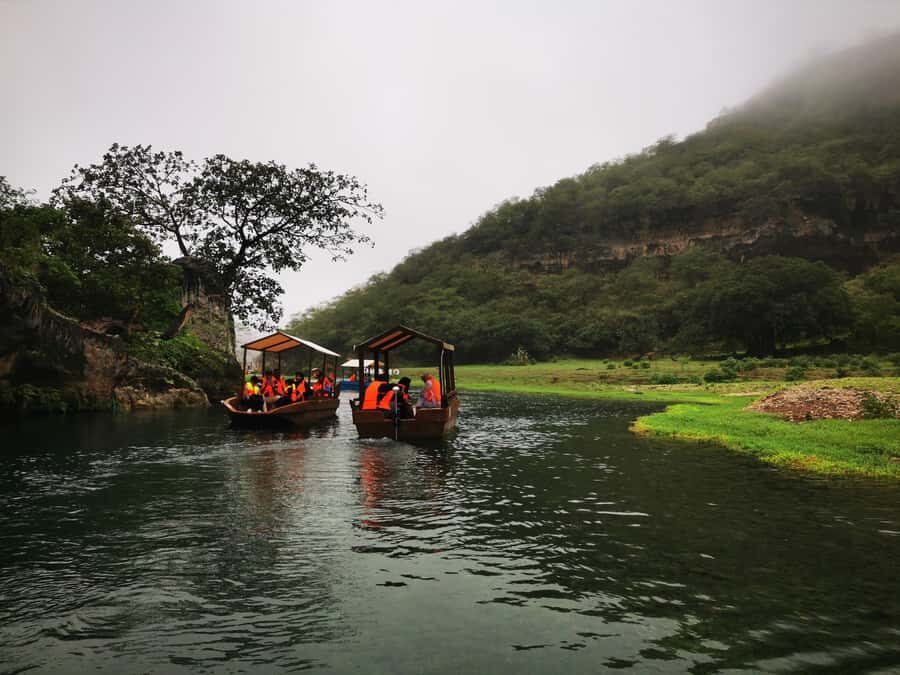
- Small group size (up to 7) keeps the experience personal instead of chaotic
- Private 4×4 car helps you reach mountain viewpoints without the hassle
- Taqa old village stops mix castle views with traditional Dhofari architecture
- Wadi Darbat is the main payoff, especially during Khareef when water and waterfalls return
- Khor Rori / Sumhuram UNESCO area connects the trip to the frankincense trade
- Entrance fees are optional (you pay on-site for what you want)
Why East Salalah feels like two different worlds
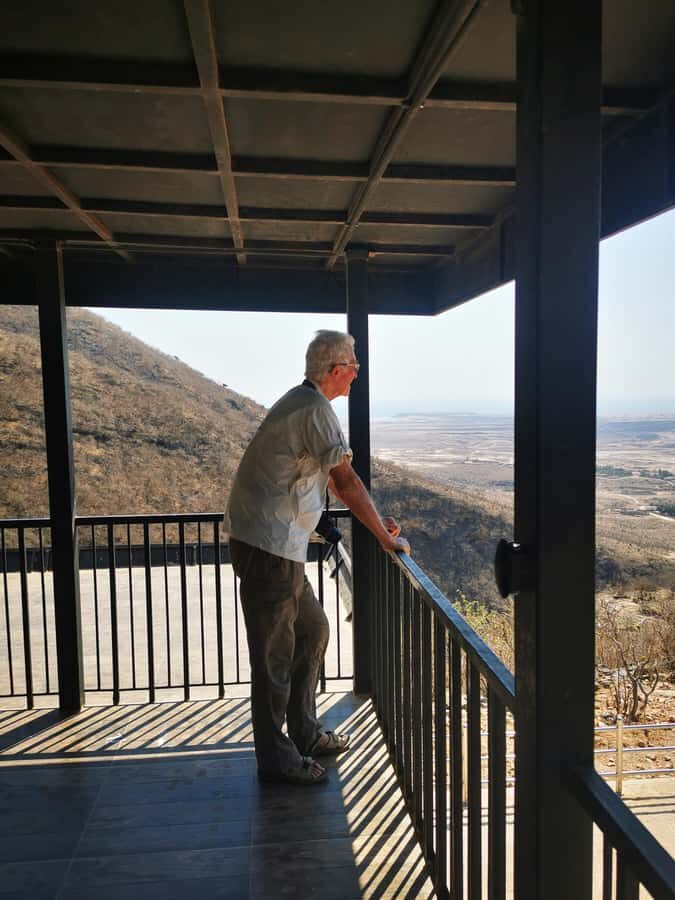
East Salalah isn’t just one type of scenery. You start with Dhofar’s water story, then you move into cool mountain greenery and finally into an ancient trading landscape tied to frankincense.
That shift is the point. You go from everyday spring life to canyon views and then to the ruins and museum area at Khor Rori, where the old trade routes still shape the region’s identity.
You can also read our reviews of more tours and experiences in Mirbat.



Private 4×4 and a small group: comfort you’ll actually notice
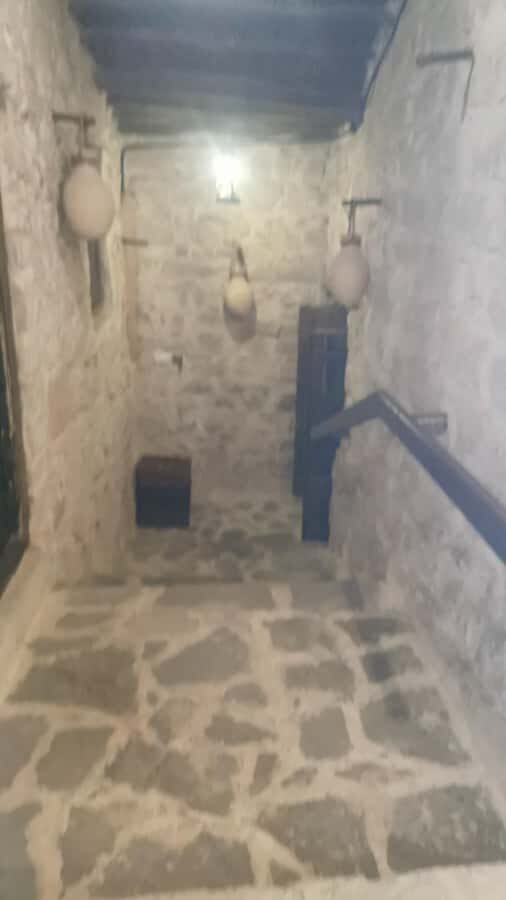
The tour runs with a private 4×4 car and a small group limited to 7. That matters because the region’s roads and viewpoints often work better with a vehicle that can handle steep angles and tighter access points.
It also helps you move at a human pace. When there are fewer people, you’re more likely to get time at each stop for photos, questions, and slower walking without feeling rushed.
Where the day starts: Ain Razat springs and the Khareef connection
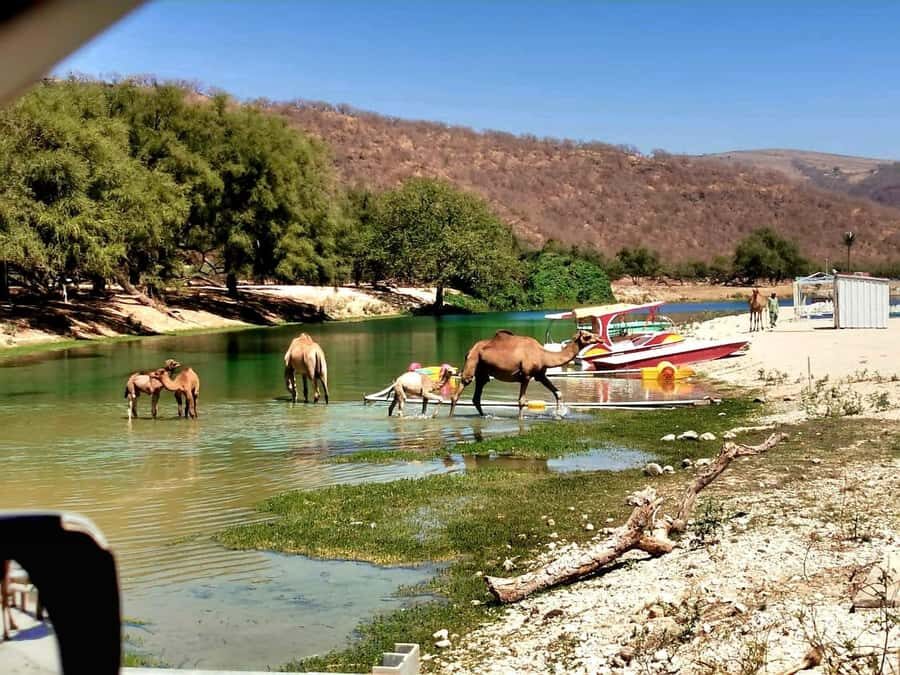
The trip concept begins at Ain Razat, a collection of natural springs. Some are perennial while others show up seasonally, especially during Khareef (monsoon season).
Even outside peak monsoon, the idea of Ain Razat is useful for understanding the rest of the day. Wadi Darbat’s dramatic water scenes make more sense when you know this is a region where rainfall patterns directly change what you can see.
Taqa’s castle coast: history, viewpoints, and optional entrances
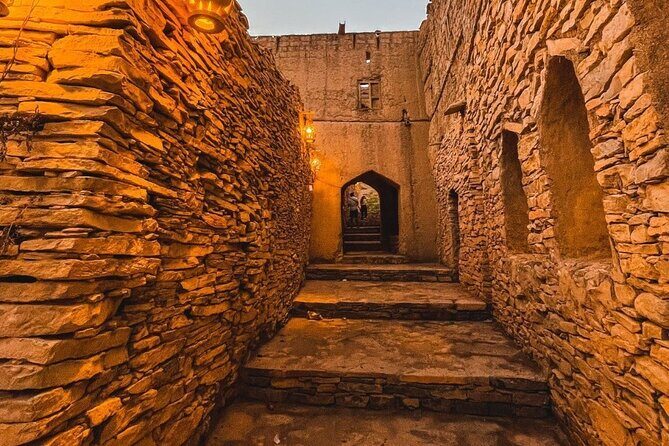
Taqa is where you step back into Dhofar’s past. You’ll visit the 19th-century Taqa Castle, plus other stops in the same coastal area, including a traditional Koofan Heritage house (described as a house about 150 years old).
You also get a newer cliff attraction: Burj Al Askar, overlooking the castle and coast. The great part for value-minded travelers is that entrance fees are optional, and you can choose what’s worth your time on the day.
Here are the on-site entrance costs given for the key places:
- Taqa Castle: OMR 3
- Koofan House: OMR 1
- Burj Al Askar: OMR 1
What to expect at Taqa: charm with a few practical limits
This section is mostly about architecture and views, not museum-by-museum depth. You’ll be walking around older spaces, including uneven ground near coastal lookouts, so comfortable shoes help more than you might think.
The tour also notes that the day includes walking on rough and inclined ground. If your legs aren’t great on slopes, plan to take slower breaks and keep an eye on your energy early, before Wadi Darbat asks more of you.


Wadi Darbat: waterfalls, caves, camels, and picnic time
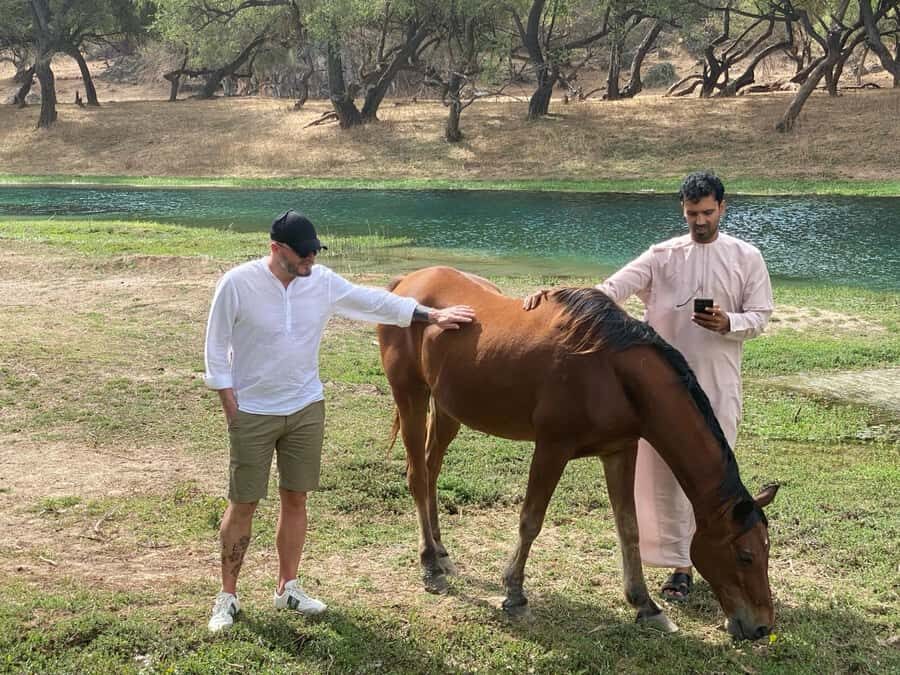
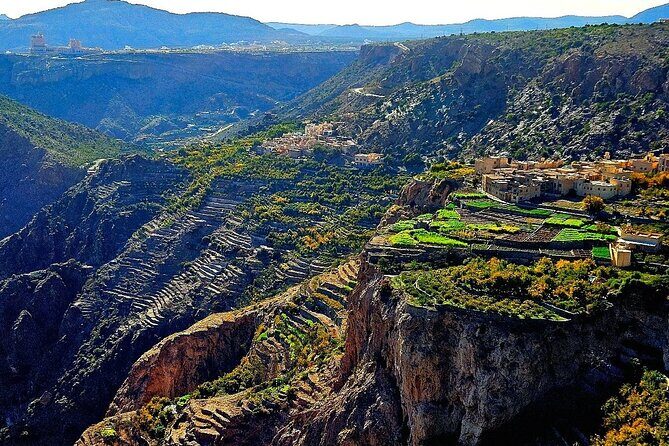
If you like scenery that looks like it took work to exist, Wadi Darbat is the star stop. The tour describes it as a natural park in the mountains overlooking Khor Rori, reached after the Taqa coast.
In Khareef season, the payoff is dramatic: water replenished from the mountains creates waterfalls that can gush from around 30 meters (100 ft.), plus cave chambers. Even when water levels vary, you’re still walking through a park-like area with lush greenery and views of lakes and mountains.
One of the charming parts is that you might see a large number of camels along the way, which fits the region’s everyday life rather than acting like a staged zoo moment.
The main trade-off at Wadi Darbat
The big consideration here is effort. The tour includes walking on rough and inclined ground, and Wadi Darbat’s terrain is described as having caves and varied natural areas. That’s not a problem for active travelers, but it’s not the right fit for people who need flat surfaces.
The tour also states it isn’t suitable for wheelchair users or pregnant women, and it sets an age limit of not suitable for people over 95.
Khor Rori and Sumhuram: the UNESCO frankincense story
After Wadi Darbat, the day shifts into deep-time history at Khor Rori, the location of the ruined city Sumhuram. This is tied to the ancient Arabian frankincense trade, where Dhofar’s products and sea routes shaped wealth and power.
You’ll visit Sumhuram Museum / Archaeological Park, described as part of the UNESCO World Heritage Site known as the Land of Frankincense. In practical terms, this stop helps you connect the natural scenery you saw earlier to the human story of trade, movement, and settlement in the region.
If you like making meaning out of places (even briefly), this is your “why the region matters” moment. The trade focus is explicitly mentioned, including frankincense and copper, so it gives the day a clear theme instead of being just another set of viewpoints.
Timing reality: the 4-hour listing vs longer on-the-ground segments
The tour duration is listed as 4 hours, but the details also include “Guided tour (8 hours)” tied to the Wadi Darbat section. That mismatch matters if you’re trying to plan the rest of your day tightly.
My practical advice: before you lock in other activities, message VisitSalalah or confirm your start and end times. You’ll want clarity on whether your full day stays close to the stated 4 hours or runs longer depending on the schedule and season.
Price and value: what $160 buys you
The price is $160 per person for a 4-hour experience. That number looks higher than a basic sightseeing bus tour, but it’s easier to justify when you compare what’s included:
Included:
- Private 4×4 transport
- Licensed Local Omani English-speaking guide
- Pick and drop from hotel, airport, and seaport
- Snacks and water during the tour
Not included:
- Museum and landmark entrance fees
- Anything not explicitly listed
If you’re traveling with a family group or you want to avoid the stress of arranging taxis for multiple stops, the private transport and guide time can be the main value. Also, the small group cap helps keep the experience focused rather than turning into a rushed checklist.
Entrance costs are relatively low for the Taqa options (OMR 3 and OMR 1 amounts), but museums and additional landmarks could add up depending on what you choose. The good part is that you’re not forced to pay for everything.
Guide quality: Mohamed and the English check
A licensed local guide can make or break this kind of day, because you’re moving between culture, nature, and history. In the provided feedback, guides named Mohamed and Muhammed show up in the spotlight.
The quality signal you should take from that: when the guide’s English is clear, the stories about land and culture land much better. One note from feedback is that English clarity can be inconsistent, so if you’re sensitive to language nuance, you might want to ask a simple question in advance: will your guide be fully comfortable with English for your group?
Food on the road: snacks now, lunch if you add it
The tour includes snacks and water, which is ideal for a half-day itinerary. There’s also an option for a local Omani lunch, but it’s an extra charge of OMR 5.000 per adult.
If lunch matters to you, plan around that add-on. If it doesn’t, you’ll likely feel fine with the snack and water portion, especially if you’re used to light meals during tours.
What to bring (and what to leave behind)
The tour gives clear guidance on what matters:
- Passport and/or ID card
- Sun hat and sunscreen
- Comfortable clothes
- Bring what you need if you need a visa, depending on your nationality
Not allowed includes luggage or large bags, and you should also avoid jewelry per the rules listed. The tour also disallows alcohol and drugs, and it specifically notes no alcoholic drinks in the vehicle.
Also, you’ll want to keep the day peaceful. The rules include instructions like no making noise and no military-style clothing. It’s a small detail, but it helps your day go smoothly for everyone.
Who should book this tour
This East Salalah route is a good match if you:
- Want a tight, story-filled day covering nature and history
- Like small-group pacing and private transport
- Can handle some rough, inclined walking without trouble
- Want a guide to connect the dots between springs, monsoon changes, and ancient trade
It’s not ideal for people who need flat, step-free movement, and the tour isn’t suitable for wheelchair users or pregnant women, with an age limit noted for people over 95.
Should you book the East Salalah Tour by VisitSalalah?
I’d book it if you’re in Salalah and you want more than one type of Dhofar experience without building a full logistics plan. The mix of Ain Razat context, Taqa history and cliff views, Wadi Darbat’s Khareef potential, and Sumhuram’s frankincense UNESCO story gives you a full arc in one day.
I’d hesitate only if:
- You need guaranteed easy walking surfaces (this route includes rough, inclined ground)
- English clarity is a must for you (ask ahead, since clarity can vary)
- Your schedule can’t tolerate a possible longer day (because the details mention a longer Wadi Darbat guided time while the overall duration is listed as 4 hours)
If you can handle a few outdoor steps and you’re flexible on timing, this tour is a strong way to see East Salalah with less friction and more meaning.
FAQ
How long is the East Salalah tour?
The tour duration is listed as 4 hours. It also notes that you should check availability to see starting times.
What is included in the price?
The tour includes private 4×4 transport, a licensed local Omani English-speaking guide, pick-up and drop-off from hotel/airport/seaport, and snacks plus water during the tour.
Are entrance fees included?
No. Entrance for Taqa Castle (OMR 3), Koofan House (OMR 1), and Burj Al Askar (OMR 1) is paid on-site where you want to enter, and entrance for museums/landmarks is not included.
Is lunch included?
Snacks and water are included, but a local Omani lunch can be provided for an additional charge of OMR 5.000 per adult.
What is the cancellation policy?
Free cancellation is offered up to 24 hours in advance for a full refund.
Is the tour suitable for wheelchair users or pregnant women?
No. The tour is not suitable for wheelchair users or pregnant women, and it’s also not suitable for people over 95 years old.