REVIEW · MUSCAT
Half-Day Private Muscat City Tour- with a local guide
Book on Viator →Operated by Oman tours · Bookable on Viator
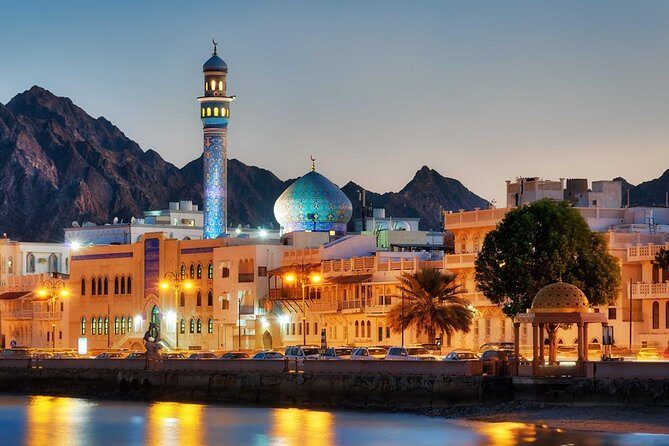
Muscat hits you fast when you start with the big sights and the local stories behind them. This half-day private tour is a smart way to get your bearings, mixing Sultan Qaboos Grand Mosque with classic Old Muscat markets like Mutrah Souq. You get pickup, a local guide who explains how Oman works, and enough stops to feel like you did more than just drive past things.
I really like how the schedule is compact but not rushed, so you can enjoy the sights in real time. The biggest practical caution is dress code at the mosque: you’ll want modest clothes and head coverage for ladies, and it can feel strict if you show up underdressed.
In This Review
- Key highlights worth your time
- Why this half-day private Muscat city tour makes sense
- Sultan Qaboos Grand Mosque: how to handle the strict dress code
- Shati Al Qurum: the quick scenic break (plus bread and tea)
- Mutrah Souq: old market streets and real craft variety
- Al Alam Palace: ceremonial Muscat and modern Islamic design
- Mirani Fort: a Portuguese-built viewpoint over the harbor
- Mutrah Fish Market: watching the traditional auction system
- What the local guide does for your day
- Transportation, walking, and timing tips that actually help
- Price and value: $100 per person for a focused private day
- Who should book this Muscat city tour (and who might skip it)
- My take: should you book this tour?
- FAQ
- How long is the Half-Day Private Muscat City Tour?
- Where does the tour start and end?
- Is this a private tour?
- Do I need tickets for the stops?
- What should I wear for the Grand Mosque?
- What happens if the weather is bad?
- Is there free cancellation?
Key highlights worth your time

- Sultan Qaboos Grand Mosque included: one hour on the site, with admission built in.
- Old Muscat shopping at Mutrah Souq: about two hundred years of market tradition, plus crafts and souvenirs.
- Mutrah fish market auction energy: a traditional bidding setup that adds real action to the morning.
- Al Alam Palace visit: a ceremonial residence built in 1972, set in Ancient Muscat.
- Portuguese-era fort views: Mirani Fort’s harbor position gives you perspective on Muscat’s past.
- Guides like Zaher, Noof, Assad, Loay, Hisham, Mahmoud, and Asaad: locals bring the culture to life, often with a calm, no-rush pace.
Why this half-day private Muscat city tour makes sense
Muscat can be spread out, and the city roads can be busy. A half-day private tour is a sweet spot: long enough to cover the major landmarks you came for, short enough that you still have time after for the beach, a slow coffee, or more browsing.
You’ll start at Al Mouj Muscat (Seeb) and return there when the tour ends. That round-trip pickup is more than convenience. It means you can focus on learning and looking, not on sorting transport or figuring out where to park.
This is also a true private experience, meaning only your group participates. If you’re traveling as a couple, with family, or solo and want control over pacing, that matters. Some tours cram you into a schedule that feels like a moving train. Here, you can usually move at a human pace, which shows up most clearly at the longer cultural stops.
You can also read our reviews of more guided tours in Muscat


Sultan Qaboos Grand Mosque: how to handle the strict dress code
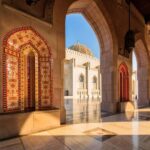
The Sultan Qaboos Grand Mosque is the kind of place you understand even before a guide talks. It’s modern, luxurious, and visually striking in a way that makes people pause and look up a lot.
Plan on taking the mosque visit seriously. The key detail is modesty. For women, expect a strict dress code and make sure you have a head covering. For everyone, it’s smart to wear long sleeves and covered legs. If you’re unsure, pack a light shawl you can put on quickly. The entry process isn’t usually a nightmare, but you do need to be ready to comply.
This stop lasts about one hour, and admission is included. That time block is valuable because it gives you enough room to observe, listen, and absorb without the feeling of being herded through.
A good guide also brings the story behind the architecture. If you have a guide like Zaher or Asaad, for example, the explanation tends to focus on how and why the mosque was built, which helps the beauty land with meaning instead of just being a photo backdrop.
Shati Al Qurum: the quick scenic break (plus bread and tea)

After the mosque, the tour shifts to a lighter, more local flavor. At Shati Al Qurum, you’ll get a short stop of about 40 minutes. Admission here is free, and the focus is on atmosphere.
One detail that makes this stop more than a quick drive-by is the chance to try Omani bread with tea. It’s simple, but it’s exactly the kind of thing that makes your Muscat day feel lived-in. You’re tasting a local routine rather than only collecting landmarks.
The tour also includes driving close to the area, so you’ll get a sense of where people go for leisure and coastal views. You won’t be spending hours here, but it works as a palate cleanser between Old Muscat stops.
Mutrah Souq: old market streets and real craft variety
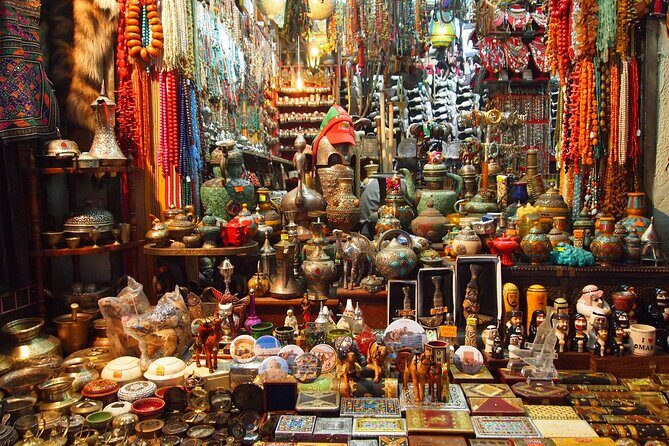
Then you hit the place most people remember: Mutrah Souq. This market is described as one of the oldest in Oman, dating back about two hundred years. That age matters. You can feel it when you walk through the aisles where categories of goods are shaped by decades of demand.
You’ll spend about one hour here, and admission is included. This is where you’ll see an assortment that goes beyond the usual generic souvenirs. Expect Omani artefacts and collectibles such as:
- jewelry and traditional clothing
- spices and household items
- antiques and older models representing Omani rural and urban environments
- and even conventional weapons as part of the traditional stalls
It’s a lot to take in, and the guide’s job is to give you context so you know what you’re looking at. A calm, patient approach makes the market experience better because you’re not forced to rush from stall to stall.
If shopping is your goal, bring a little extra time in your head for browsing. If you’re not shopping, go anyway. The market is one of the best places to see everyday Muscat culture up close.
Al Alam Palace: ceremonial Muscat and modern Islamic design

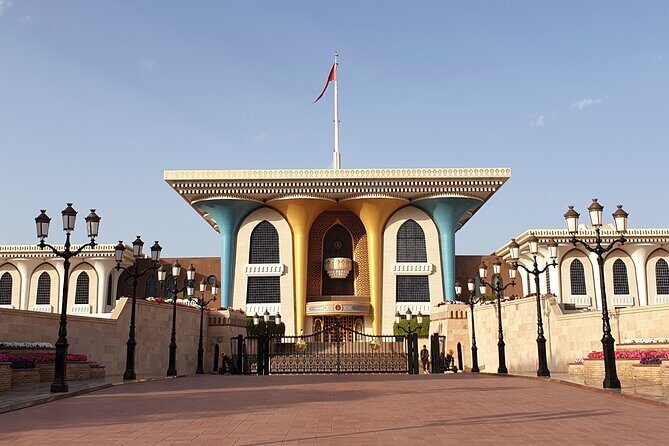
Next comes a more formal, historical-feeling stop: Al Alam Palace, the ceremonial royal residence of Sultan Qaboos. This is set in the heart of Ancient Muscat, and it was built in 1972, making it a modern landmark with Islamic design elements.
You’ll have about 45 minutes, and admission is included. The time is long enough to slow down and really look at the design details, especially if your guide explains the significance of the palace’s setting and role.
This stop also helps you understand Muscat’s layout. The palace isn’t just an isolated building. It sits in a larger context of city history and religious/civic identity. When a guide explains that context, the visual experience sticks.
You can also read our reviews of more city tours in Muscat





Mirani Fort: a Portuguese-built viewpoint over the harbor
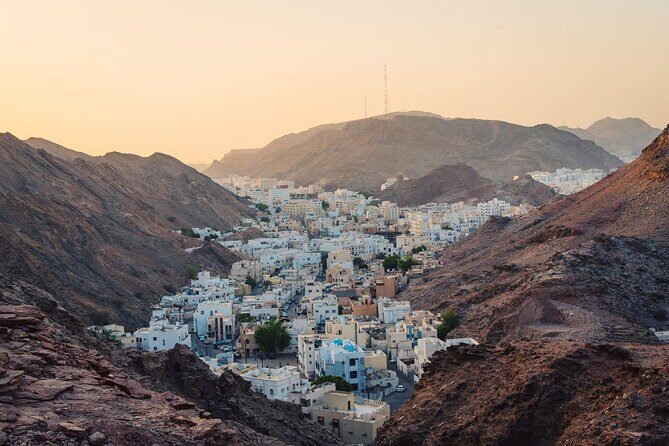
Mirani Fort is a shorter stop, about 15 minutes, but it’s meaningful. The fortification was built by the Portuguese in the sixteenth century, and its location gives it a commanding view over the harbor.
You don’t need to spend a long time here. The power of the fort is in the relationship between stone, sea, and Muscat’s older trading routes. Free admission makes it an easy stop to include, and it adds a layer to your understanding of how foreign influence touched the region centuries ago.
If you like seeing Muscat’s geography from above, this stop helps. It’s not a museum-style experience. It’s more about perspective.
Mutrah Fish Market: watching the traditional auction system
One of the most memorable stops on this kind of Muscat day is Mutrah Fish Market, and the reason is simple: it’s active.
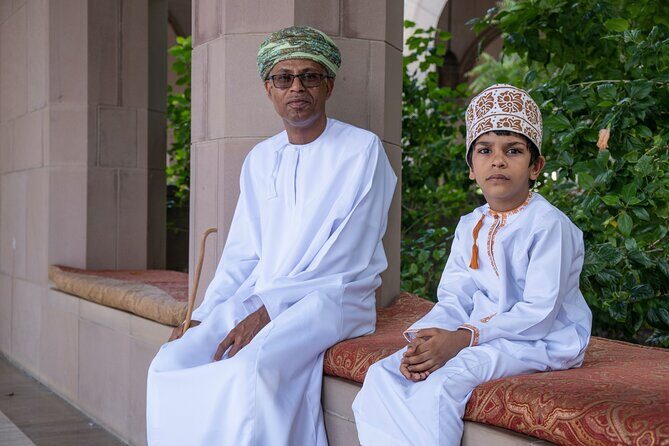
You’ll spend about 30 minutes here, and admission is free. Fishermen bring their catches and buyers bid in a traditional auction style. The bidding creates a lively atmosphere, and it gives you a glimpse of how commerce works in a practical, human way.
This isn’t a performance. It’s real trade, happening while you watch. The guide helps you understand what you’re seeing so it’s not just random noise and movement.
If you want a market experience that’s not only about shopping, this stop earns its place.
What the local guide does for your day
A private guide is where this tour turns from a checklist into a story. The pattern across guides is strong: they explain history and culture in a way that fits the pace of your day.
You might meet:
- Zaher (often praised for kindness, knowledge, and safe driving)
- Noof (a female guide who adds a great cultural explanation, and can be a bonus if you prefer that)
- Assad (noted for excellent English and the ability to answer questions comfortably)
- Loay (praised for flexibility based on your preferences)
- Hisham (praised for calm, no-rush touring)
- Mahmoud and Asaad (praised for patience, accommodation, and extra effort to show Muscat well)
The practical payoff is that you aren’t stuck translating everything alone. Your guide helps you understand why each place matters and how Oman’s traditions show up in daily life.
Guides also help with the one thing you can’t control: traffic. When traffic slows the day, a good driver and guide keep things calm and still find ways to reach each stop. That patience shows up repeatedly in the way people describe their tour experience.
Transportation, walking, and timing tips that actually help
This tour usually runs about 4 to 5 hours. That time range is realistic because Muscat traffic can change your minutes even when the stops are planned.
Walking is part of the experience, but it’s not intense. You can expect easy, paved paths at the key sites, so wear comfortable shoes even if you’re not planning a big hike.
Also remember this tour requires good weather. That doesn’t mean you need sunshine every minute, but it does mean the provider can adjust if conditions aren’t workable.
What about clothing comfort? If you’re going straight from pickup into the mosque, dress in modest layers. It makes your day smoother. And if you’re visiting in warmer weather, lightweight fabric helps you stay comfortable while still meeting the dress code.
Price and value: $100 per person for a focused private day
At $100 per person for a private half-day, you’re paying for more than a ride. You’re paying for:
- pickup and return at the meeting point (Al Mouj Muscat, Seeb)
- private guiding for about 4 to 5 hours
- admission coverage for key cultural stops (including the Grand Mosque, Mutrah Souq, and Al Alam Palace)
- and quick, efficient access to free sites like Mirani Fort and Mutrah Fish Market
The value math here is that several of the most important stops include admission, while others are free. That helps the total feel reasonable for the amount of ground you cover.
This price also tends to make sense for people who want a calmer first day in Muscat. If you’re arriving and you want to see the main highlights without coordinating taxis and entrance tickets yourself, a private guide is usually the easiest path.
Who should book this Muscat city tour (and who might skip it)
Book it if you want:
- a fast, respectful introduction to Muscat’s key sights
- a mix of grand architecture, Old Muscat market life, and practical day-to-day culture
- the comfort of a private guide who can answer questions and adapt to your preferences
You might consider skipping if:
- you’re expecting a beach-heavy day or long wandering breaks
- you strongly prefer self-guided exploring and don’t want a structured route
- you’re not able or willing to meet the mosque dress requirements (in that case, you can still visit other places in Muscat, but this tour’s main anchor is the Grand Mosque)
My take: should you book this tour?
If you’re in Muscat for a short window, I think this is one of the cleanest ways to get oriented. The Sultan Qaboos Grand Mosque sets the tone, Mutrah Souq and the fish market add real local texture, and Al Alam Palace and Mirani Fort round out the city story without eating your whole day.
The biggest thing to get right is clothing for the mosque. Nail that, and this half-day private tour gives you a smart snapshot of Muscat with less stress than DIY.
FAQ
How long is the Half-Day Private Muscat City Tour?
It runs about 4 to 5 hours.
Where does the tour start and end?
The tour starts at Al Mouj Muscat, Seeb, Oman and ends back at the same meeting point.
Is this a private tour?
Yes. It’s private, so only your group participates.
Do I need tickets for the stops?
Some admissions are included and others are free. The Sultan Qaboos Grand Mosque, Mutrah Souq, and Al Alam Palace list admission as included, while Shati Al Qurum, Mirani Fort, and Mutrah Fish Market list admission as free.
What should I wear for the Grand Mosque?
You should wear modest clothes. For ladies, the mosque requires a strict dress code, including a head covering, and you should wear long sleeves and covered legs.
What happens if the weather is bad?
The experience requires good weather. If it’s canceled due to poor weather, you’ll be offered a different date or a full refund.
Is there free cancellation?
Yes. You can cancel up to 24 hours in advance for a full refund, and cancellations within 24 hours aren’t refunded.