REVIEW · MUSCAT
Muscat: Guided Landmarks Tour
Book on GetYourGuide →Operated by Explore Majan · Bookable on GetYourGuide
Muscat reads like a living museum. In this guided, 5-hour loop, I love the Sultan Qaboos Grand Mosque for its calm scale and the Royal Oman Opera House for its jaw-dropping modern auditorium.
Next comes the side of Muscat that feels everyday and human: the Mutrah Souq area along the Corniche, plus the walkable-feeling stops around Old Muscat. I also like how the tour reaches the Portuguese forts of Aljalali and Almirani, turning “photos” into real context about Oman’s long tug-of-war history.
My main caution is timing. The mosque has a limited opening window and most sights close on Fridays, and the Opera House visit requires a separate ticket (not included).
In This Review
- Key highlights you’ll actually use
- Sultan Qaboos Grand Mosque: the big building, the right way
- Royal Oman Opera House: ticketed, worth it, and quick to plan
- Mutrah Corniche and the fish-market moment
- Mutrah Souq: shopping with context, not just bargaining
- Al Alam Palace: a photo stop with real political context
- Portuguese forts at Aljalali and Almirani: Oman’s maritime history in stone
- Optional museums: when you want more context than monuments
- Lunch plans: traditional Omani food, but not included
- Price and value: what $90 really buys in Muscat
- The guide matters: why this tour gets praised
- Who should book this tour
- Should you book the Muscat Guided Landmarks Tour?
- FAQ
- How long is the Muscat Guided Landmarks Tour?
- What does the $90 per person price include?
- Do I need to pay extra for the Royal Oman Opera House?
- Is lunch included?
- What are the Grand Mosque opening hours, and are there exceptions?
- What is the dress code for the Grand Mosque?
- Are attractions open on Fridays?
- Are museums included, and which ones can I visit?
- Is pickup available from anywhere in Muscat?
- Is the tour wheelchair accessible, and what languages are offered?
Key highlights you’ll actually use
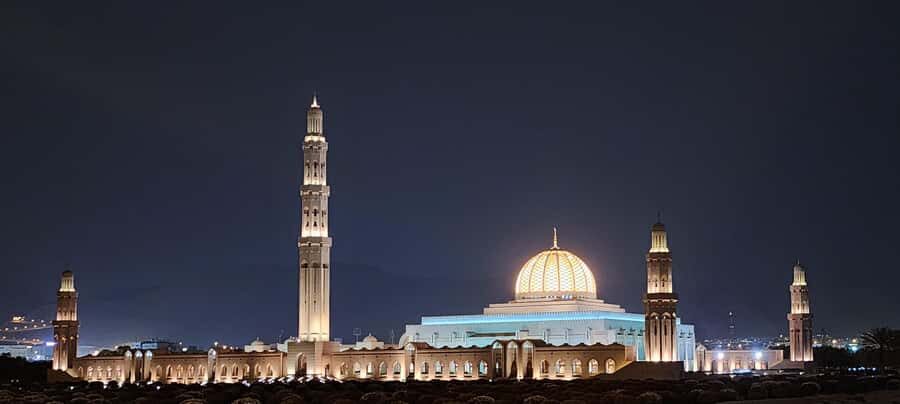
- Sultan Qaboos Grand Mosque with clear dress rules and guided context (you’ll know what you’re looking at)
- Royal Oman Opera House sight visit with a real-world heads-up: you’ll need an extra ticket
- Mutrah Souq + Corniche for souvenir browsing and classic Muscat waterfront photos
- Portuguese forts (Aljalali and Almirani) to connect the city to its earlier maritime past
- Al Alam Palace photo stop at the official palace site of the Sultan of Oman
Sultan Qaboos Grand Mosque: the big building, the right way
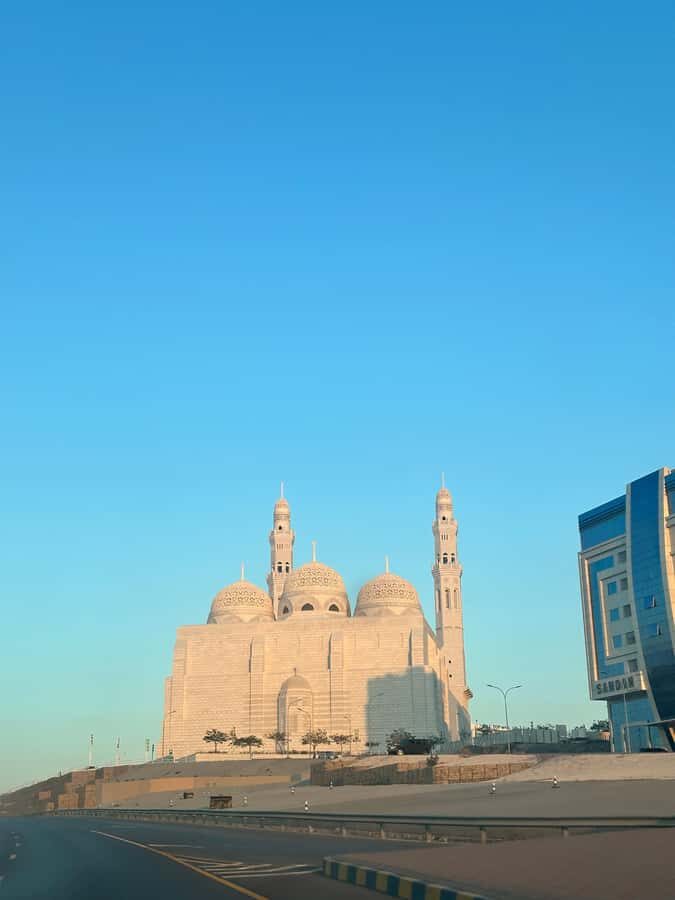
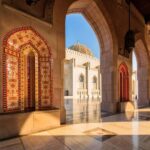
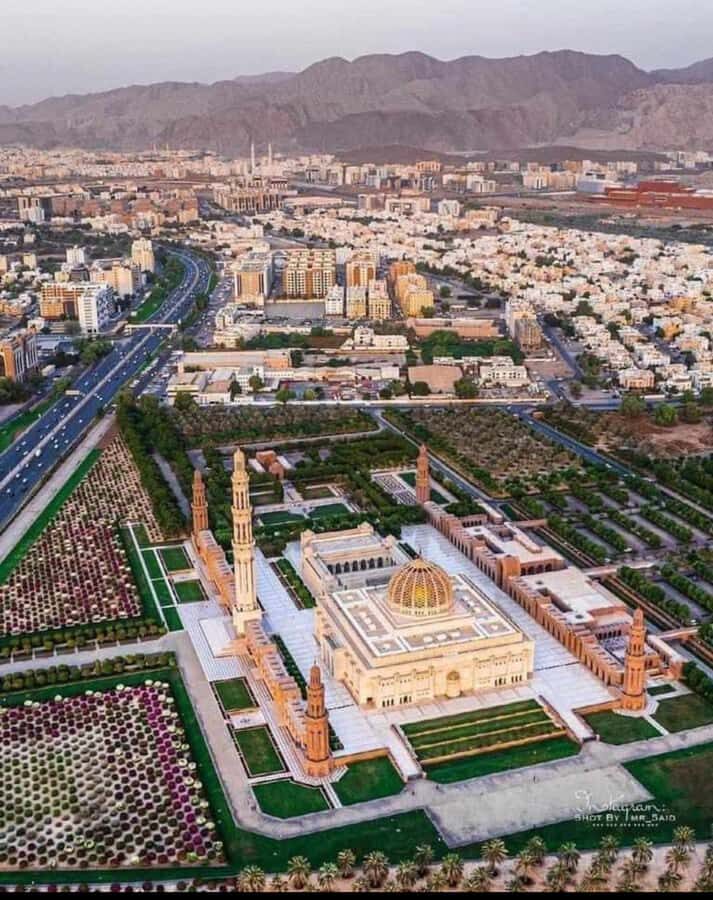
If you want one place in Muscat where architecture instantly makes sense, start with the Sultan Qaboos Grand Mosque. This tour schedules a photo stop plus a guided visit and walk, with about 1.5 hours total for this first segment. That time matters: you’re not just snapping pictures from the roadside. You’re getting the story while you’re standing in the space.
The mosque is known as the biggest and most stunning mosque in Oman, and it shows in how it’s laid out. Expect a serene, formal setting where the details are the point: the scale, the symmetry, and the way the lighting and materials make the interior feel bright but quiet.
Practical tip: the dress code is firm. Women should wear long pants or a long dress, long-sleeve shirts, and a scarf. Men should wear long pants and a shirt; short sleeves are okay. If you roll in with the wrong clothes, you’ll spend time sorting it out instead of enjoying the visit.
One more timing detail you should plan around: the mosque opens from 8:00 AM to 11:00 AM, and it’s closed on Friday. If your trip includes a Friday in Muscat, this is the kind of stop that can disappear from your day, so build your schedule accordingly.
You can also read our reviews of more guided tours in Muscat


Royal Oman Opera House: ticketed, worth it, and quick to plan
After the mosque, the tour heads to the Royal Oman Opera House for a photo stop and guided sightseeing with about an hour on this stop. This is one of those buildings that feels like it belongs to the modern world, even while you’re still in traditional Muscat. The auditorium is the star, and the guide helps you make sense of what you’re seeing rather than just admiring from the outside.
Here’s the key budgeting point: Opera House entry tickets are not included. You’ll pay an extra fee (listed as 8 USD) if you want to enter. If you’re trying to keep the day’s spending predictable, mentally add that to your $90 tour price before you go.
Also, plan for some waiting if you arrive at a moment when the next internal tour group is forming. On similar landmark days, the stop can include a short delay before you’re allowed in. That’s not a deal-breaker, but it is something I’d rather you expect than be surprised by.
Mutrah Corniche and the fish-market moment
Once you’re past the formal monuments, Muscat gets coastal. The tour passes through the Mutrah area, including a stop at the Old Mutrah Fish Market (with photo time and a short guided pass). Then you’ll have another stop along the Mutrah Corniche, Muscat’s waterfront promenade.
Why this part works so well: Corniche days do two jobs at once. You get a classic waterfront view, and you also get the rhythm of the city—people moving, stalls nearby, the sea air doing its thing. It’s not just scenic. It’s useful for getting oriented in Muscat.
The fish market stop can be hit-or-miss depending on how active it is when you arrive. I’d treat it like a photo and atmosphere stop rather than a must-see shopping experience. If it’s quiet, don’t worry—you can still enjoy the guide’s context and focus on the next stop, which is where the energy usually lands.
Mutrah Souq: shopping with context, not just bargaining
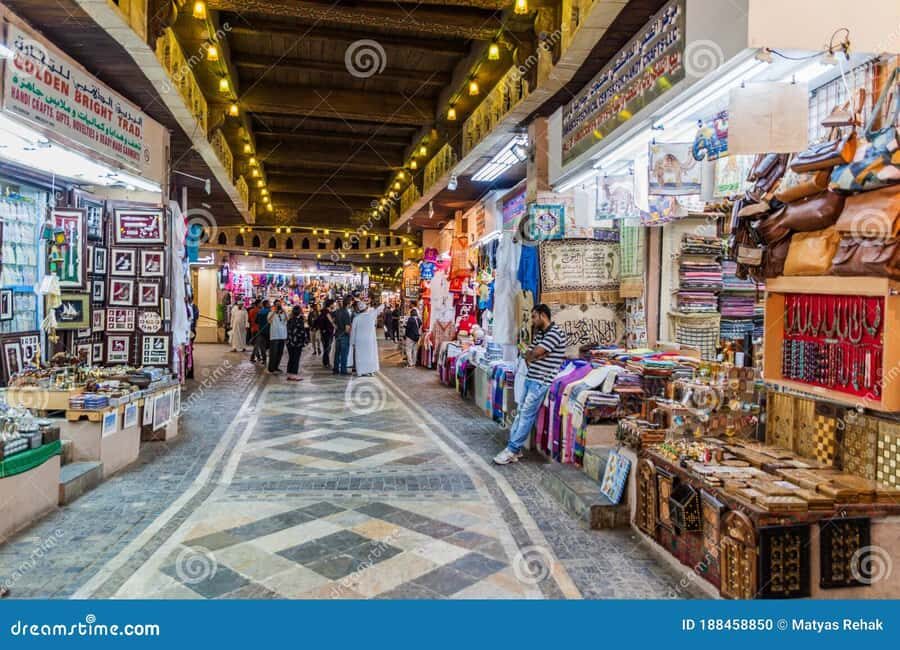
Mutrah Souq is where you start turning sightseeing into personal souvenirs. This is one of the most time-friendly parts of the day because you’ll have about 30 minutes for guided visiting and then self-guided browsing. That mix is smart. The guide can point you to good areas, then you can decide how adventurous you want to be with shopping.
Expect the souq to be a place of craft, everyday goods, and the kind of browsing where you’ll notice things once you know what to look for. The tour includes entry to Mutrah Souq, so you’re not juggling extra payments for this specific experience.
If you enjoy bargaining, you’ll likely find it easier with a guide nearby. In past days on this kind of tour, guides have helped with bargaining and offered small local touches. Even if you don’t shop heavily, the souq is a great way to see Muscat as a working city, not just a backdrop.
Practical note: walking is part of this day, even if it’s not a long trek. Wear comfortable shoes and plan to move at a gentle city pace.
Al Alam Palace: a photo stop with real political context
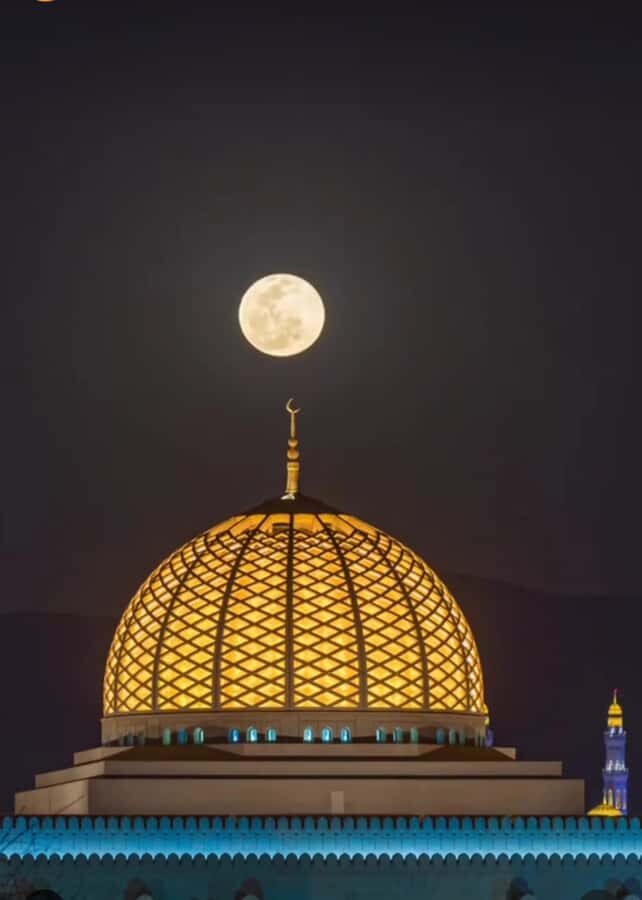
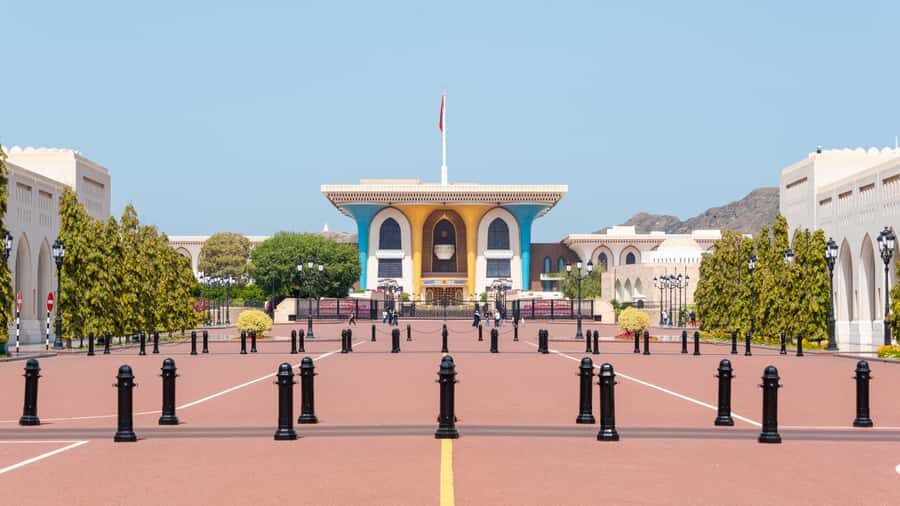
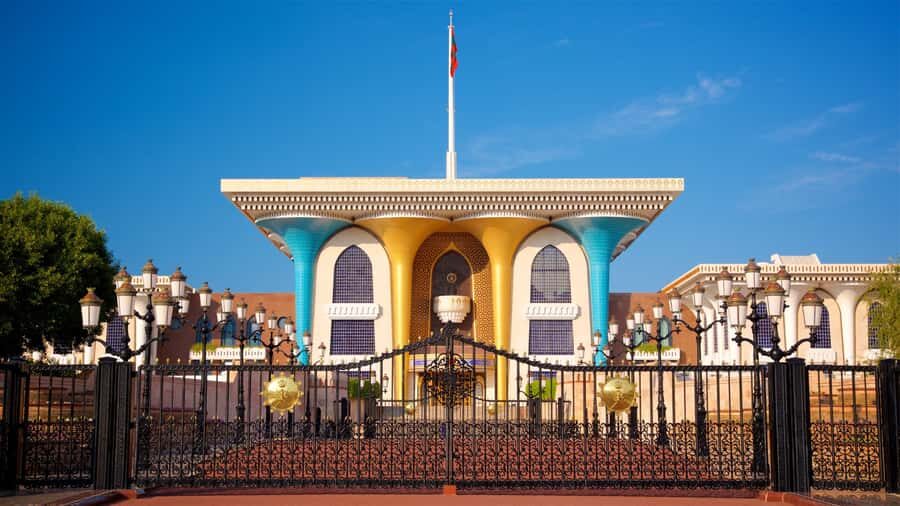
Next up is the Al Alam Palace photo stop. It’s the official palace of His Majesty the Sultan of Oman. Even if you don’t go inside, this stop gives you a sense of how Muscat ties monarchy, government, and city space together.
A photo stop can feel short, but it works here because it anchors the day. You’ve seen a major place of worship, a national-level cultural building, and now you get the official symbol of Oman’s leadership. It’s a quick but meaningful shift.
Guiding helps you connect what you see to what it means. Without that, you’d just see walls and gates. With it, you start placing the pieces in the right order.



Portuguese forts at Aljalali and Almirani: Oman’s maritime history in stone
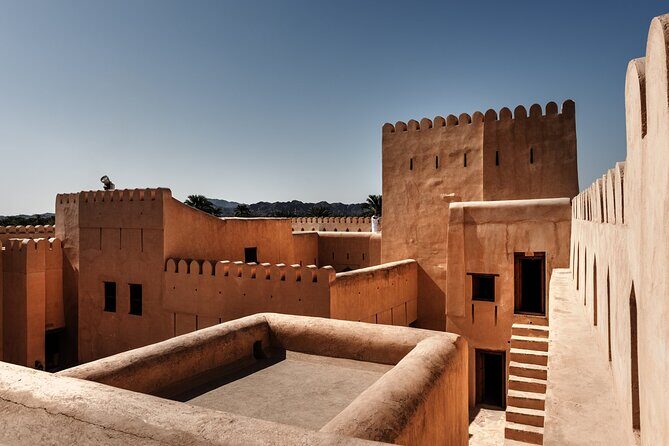
The most historically flavored stops are the Portuguese forts of Aljalali and Almirani. This is one of the reasons the tour feels more than just scenic city driving. These forts help you understand that Oman wasn’t only shaped by local dynasties; it also faced European maritime power as trade routes and coastlines became strategic.
The tour includes entry to the Old town where these forts are located. You’ll get guided sightseeing plus time for photos. Even without a long museum-style visit, the forts do something important: they make “history” physical. You can see vantage points, fort design logic, and why these locations mattered along the coastline.
One reason this stop gets good reactions is that it’s not vague. You’re looking at specific sites tied to a specific era. If you like architecture and you enjoy “why was this built here” questions, you’ll get a lot from these forts.
Optional museums: when you want more context than monuments
The tour includes an optional museum choice: you can visit the National Museum or the Alzubair museum. This is a good add-on if you want more background on Oman’s culture and traditions beyond what you can fit into the streets.
It’s also worth knowing that on Friday, most museums are closed. If your dates land on a Friday, treat museums as a likely no-go and lean on the open sights and outdoor segments.
If you’re short on time or you prefer outdoors over indoor exhibits, you can skip this option and still have a complete day.
Lunch plans: traditional Omani food, but not included
Lunch is optional. The tour includes a scheduled break to taste traditional Omani food, but the actual meal is not included in the $90 price.
I like this setup because it lets you choose what you’re craving and where you want to eat, while still getting guidance on what “traditional” means in the moment. If you’re picky about dietary needs, decide beforehand how you want that handled and then ask your guide what nearby local options make sense.
Price and value: what $90 really buys in Muscat
At $90 per person for a 5-hour guided landmarks tour, you’re paying for three things: a live guide, transport around Muscat, and built-in entry to the most central stops.
What’s included:
- Pickup and drop-off from your hotel, airport, or port (and pickup is available from anywhere within Muscat)
- Water and beverages
- Entry to the Grand Mosque, Mutrah Souq, and Old town where the palace and Portuguese forts are
What’s not included:
- Royal Opera House ticket (8 USD)
- Optional museum entry
- Lunch at a local restaurant
So is it good value? In my view, yes if your priority is seeing the major highlights without having to coordinate taxis between places. You’re also getting the guide’s framing, and that makes a difference at the Grand Mosque and the forts where context turns sightseeing into understanding.
The only financial surprise to watch is the Opera House ticket. Everything else is either included or clearly marked as optional.
The guide matters: why this tour gets praised
This tour lives or dies by the guide. Names like Faisal, Mohsin, Assad, Mosin, Mohammed, and Juma show up repeatedly in guide feedback, and the consistent theme is clear communication and patience. If you get a guide like Faisal or Juma, expect an easygoing pace where you can ask questions and not feel rushed.
I also like that guides help with practical moments: photo positioning, explaining cultural etiquette, and adapting to what you want to see more of. On days like this, being flexible is the difference between “checklist tourism” and a more personal experience of Muscat.
Who should book this tour
Book it if:
- You want a guided introduction to Muscat in one morning-to-afternoon stretch
- You care about understanding what you’re seeing at the mosque, forts, and palace
- You like a mix of big landmarks and real city texture at Mutrah Souq and the Corniche
Skip it (or consider a longer plan) if:
- You’re visiting on a Friday, when many key sights close
- You don’t want any additional paid entry (Opera House ticket is required if you want inside)
- You prefer a slower pace with deeper time in museums over short landmark stops
Should you book the Muscat Guided Landmarks Tour?
Yes, if you’re here for a first look at Muscat and you want maximum payoff from limited time. The combination of the Sultan Qaboos Grand Mosque, the Royal Opera House, Mutrah Souq, and the Portuguese forts gives you both modern Oman and older coastal history in one guided day.
Just do your homework on one point: your calendar. If you’re in town on a Friday, a lot of the top sights can be closed, including the mosque and Opera House. If your dates allow a visit during the mosque opening window (8:00 AM to 11:00 AM), this tour becomes a very efficient way to get oriented fast.
If you want, tell me your travel dates and whether it includes a Friday, and I’ll help you decide if this is the right day for it.
FAQ
How long is the Muscat Guided Landmarks Tour?
The tour lasts 5 hours.
What does the $90 per person price include?
Pickup and drop-off from hotels, the airport, or the port (anywhere within Muscat), a live English/Arabic guide, water and beverages, and entry to the Grand Mosque, Mutrah Souq, and Old town areas including the palace and Portuguese forts.
Do I need to pay extra for the Royal Oman Opera House?
Yes. Royal Oman Opera House entry tickets are not included and cost 8 USD.
Is lunch included?
Lunch is optional and not included in the price.
What are the Grand Mosque opening hours, and are there exceptions?
The Grand Mosque is open from 8:00 AM to 11:00 AM (except Friday).
What is the dress code for the Grand Mosque?
Women should wear long pants or a long dress, long-sleeve shirts, and a scarf. Men should wear long pants and shirts (short sleeves are ok).
Are attractions open on Fridays?
On Friday, most tourist attractions are closed, including the Grand Mosque, the Royal Opera House, and most museums.
Are museums included, and which ones can I visit?
A museum visit is optional. You can choose the National Museum or the Alzubair museum.
Is pickup available from anywhere in Muscat?
Yes. Pickup can be arranged from anywhere within Muscat, including hotels, the airport, and the port.
Is the tour wheelchair accessible, and what languages are offered?
The tour is wheelchair accessible, and the guide is available in English and Arabic.