REVIEW · MUSCAT
Muscat: City Tour of Grand Mosque, Old Souqs, Museum, & Fort
Book on GetYourGuide →Operated by OceanAir Travels · Bookable on GetYourGuide
Muscat can feel big and spread out, so a focused route helps you get your bearings fast. This half-day tour strings together the city’s top landmarks in a sensible loop: the Sultan Qaboos Grand Mosque, Muttrah’s waterfront souqs, the twin Portuguese forts (Al Jalali and Al-Mirani), and the Omani-culture stop at Bait Al Zubair Museum.
Two things I really like about this experience are how smoothly it pairs wow-factor sights with real local textures, and how much time it spends outside so you can actually see Muscat’s neighborhoods rather than just stare at a monument from the roadside. The mosque visit gives you calm, architecture-heavy time, while Muttrah and the corniche help you connect the dots between old trade and today’s city life.
One consideration: the dress code for places of worship and selected museums is strict, and the headscarf requirement for women can affect last-minute planning. If you’re not prepared with long sleeves and trousers or a long skirt, you may risk refused entry.
In This Review
- Key Things To Know Before You Go
- A Smart 4.5-Hour Route Through Muscat’s Main Stories
- Entering Sultan Qaboos Grand Mosque Without Rushing Yourself
- Muttrah Souqs and the Corniche: Where Muscat Feels Like Muscat
- Main Souq Shopping Time: Souvenir Practicality Over Perfection
- Portuguese Fort Photo Stop: Al Jalali and Al-Mirani in One View
- Al Alam Palace Photo Moment: The Official Face of Sultan Qaboos
- Bait Al Zubair Museum: Omani Culture With Clear Rules
- Price and Value: What $389 Per Group Gets You
- The Guide Matters: How This Can Feel Different From Day to Day
- What to Bring, What’s Allowed, and What Can Block Entry
- Who This Muscat Tour Suits Best
- Should You Book This Muscat City Tour?
- FAQ
- How long is the Muscat city tour?
- What is included in the price?
- Is lunch included?
- What should I bring for the tour?
- What is the dress code?
- Can I take photos in Bait Al Zubair Museum?
- Do I need a passport copy?
- Is the tour wheelchair accessible?
Key Things To Know Before You Go

- Sultan Qaboos Grand Mosque gives you both exterior photo views and access to the main prayer hall.
- Muttrah souqs + fish market + corniche walk work as a perfect “real Muscat” sequence.
- Al Jalali and Al-Mirani are mostly a photo stop, so plan to enjoy the views rather than expect a long visit.
- Bait Al Zubair Museum is culturally strong, but no photography/video inside.
- You’ll move in a private group with an English-speaking guide, so you can ask questions and adjust pacing.
A Smart 4.5-Hour Route Through Muscat’s Main Stories

This tour is built for people who want the highlights without losing half a day to driving. You’re in transit by air-conditioned vehicle, but the stops are where the value really is: mosque architecture, a traditional market area, a heritage museum, plus photo time at the forts and the palace.
You’ll start with hotel pickup in central Muscat, then head toward the embassy quarter. From there, you’ll cycle through the sites in an order that keeps you seeing different “faces” of Muscat: ceremonial and spiritual at the mosque, everyday trade at Muttrah, and power-and-history visuals at the forts and palace photo stops.
Because the tour runs about 270 minutes, it’s long enough to feel like a real outing but not so long that you’ll feel exhausted by the end. Still, count on sun, walking in souq areas, and time spent pausing for photos.
You can also read our reviews of more city tours in Muscat



Entering Sultan Qaboos Grand Mosque Without Rushing Yourself
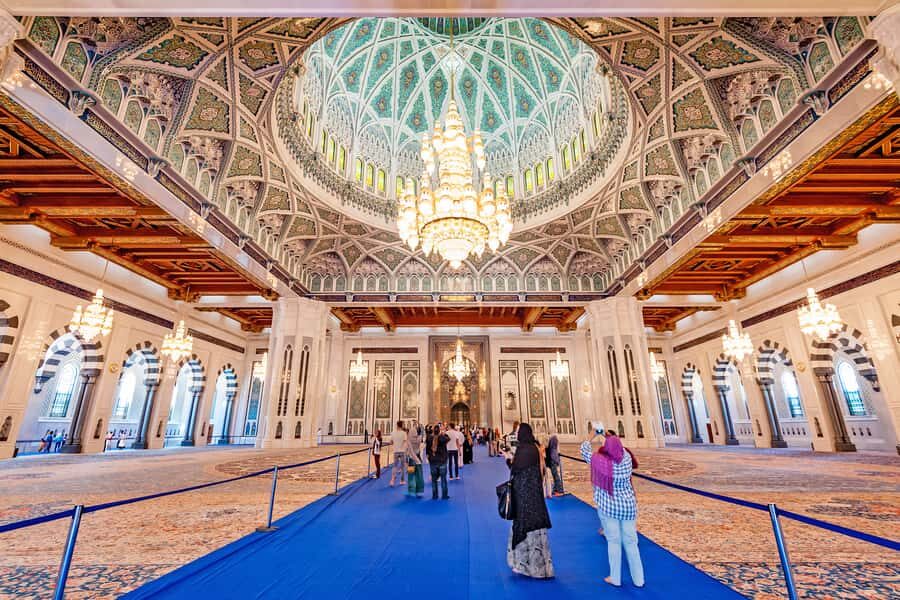
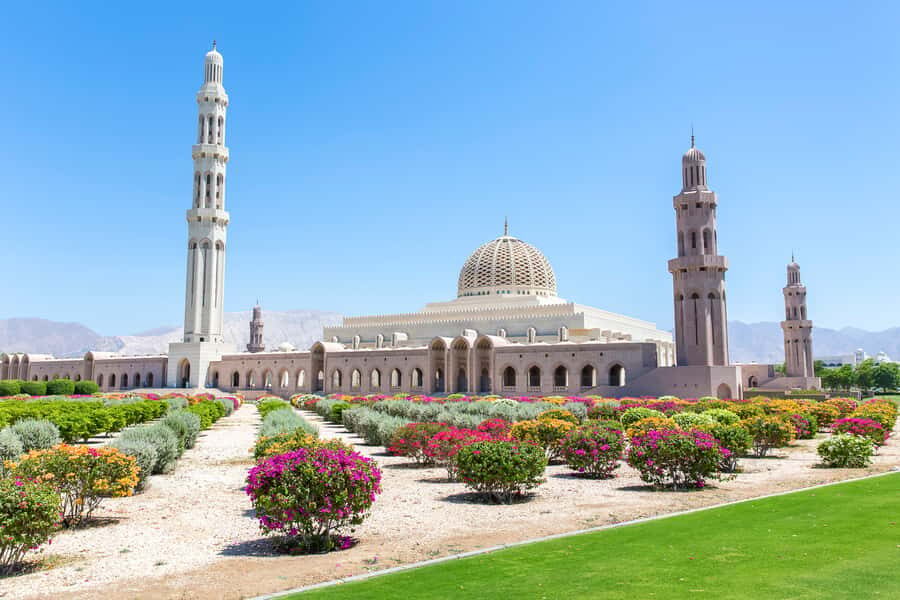
The Sultan Qaboos Grand Mosque is the kind of stop that rewards slow looking, not sprinting. You’ll drive through the embassy quarter and then arrive to admire the sandstone domes, minarets, and courtyards before you step into the main prayer hall. Even if you’ve seen mosque photos before, the scale and light inside can be different in person.
What I’d focus on when you’re there:
- The contrast between the domes/minarets outside and the calmer interior feel in the prayer hall.
- Courtyard details that frame your photos so you don’t have to “hunt” for angles.
- The fact that this visit is not just a viewpoint. It’s a real entry experience.
Practical tip: the dress code matters here. Long sleeves and long trousers or skirts are required for both men and women. For women, a headscarf is mandatory. Bring clothing you can comfortably wear for a few hours, because you’ll likely want to move through the space without fuss.
Also, be ready for quiet. You’re stepping into a place of worship, so keep your phone use respectful and expect staff or signage to guide you.
Muttrah Souqs and the Corniche: Where Muscat Feels Like Muscat
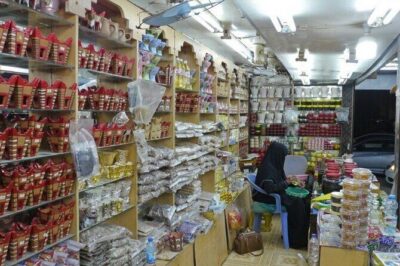
After the mosque, you shift gears to Muttrah, a traditional Arab market space that shows Oman’s cultural heritage in everyday form. This is where you’ll feel the rhythm of the city—merchant houses, waterfront views, and street-level scenes that don’t feel staged for tourists.
The tour includes a walk along souq Muttrah and specifically highlights the waterfront experience: a stop at the waterside fish market, then a stroll along the corniche. You’ll see elegant merchant houses along the shore, and this sequence helps you understand why Muscat grew where it did: trade, sea access, and the comfort of a walkable waterfront.
What to expect while you’re walking:
- Narrower paths and more foot traffic near the market areas.
- Photo moments that are easier when you pause and let people pass rather than trying to squeeze through.
- Plenty of sensory details—spices, scents from shops, and the general bustle of a market environment.
Shoes matter here. Comfortable footwear will save your trip. And if you’re sensitive to heat, bring sunglasses and use shade whenever you can.
Main Souq Shopping Time: Souvenir Practicality Over Perfection
Next comes the Main Souq, where the tour focuses on shops and stalls—perfume places and clothes sellers are specifically called out. This is the part of the day that can either be fun or stressful, depending on your shopping style.
If you like browsing, this is a good window because you can compare options within one concentrated area. If you just want a few solid souvenirs, go in with a plan: pick 2–3 items you’re actually hunting for, then keep moving. That way you don’t lose the best sightseeing parts to decision fatigue.
A useful mindset: treat this as a cultural stop as much as a shopping stop. Even if you don’t buy much, you’ll see what people actually sell and how shopfronts are arranged.
Portuguese Fort Photo Stop: Al Jalali and Al-Mirani in One View
Muscat has layered history, and the Portuguese forts are a visible reminder of older power and coastline strategy. You’ll get a photo stop in front of the twin Portuguese forts of Al Jalali and Al-Mirani.
Because it’s a photo stop, you’ll want to maximize it efficiently:
- Take a few wide shots first to capture the twin-fort feeling.
- Then take closer angles if the light works.
- Keep an eye on where the driver and guide want you to stand so you don’t get stuck behind other photo takers.
This is also one of those moments where a guide can add meaning fast—what the forts were protecting and how they fit into Muscat’s coastal story. Even if you’re not a history buff, the view is memorable.
You can also read our reviews of more museum experiences in Muscat


Al Alam Palace Photo Moment: The Official Face of Sultan Qaboos
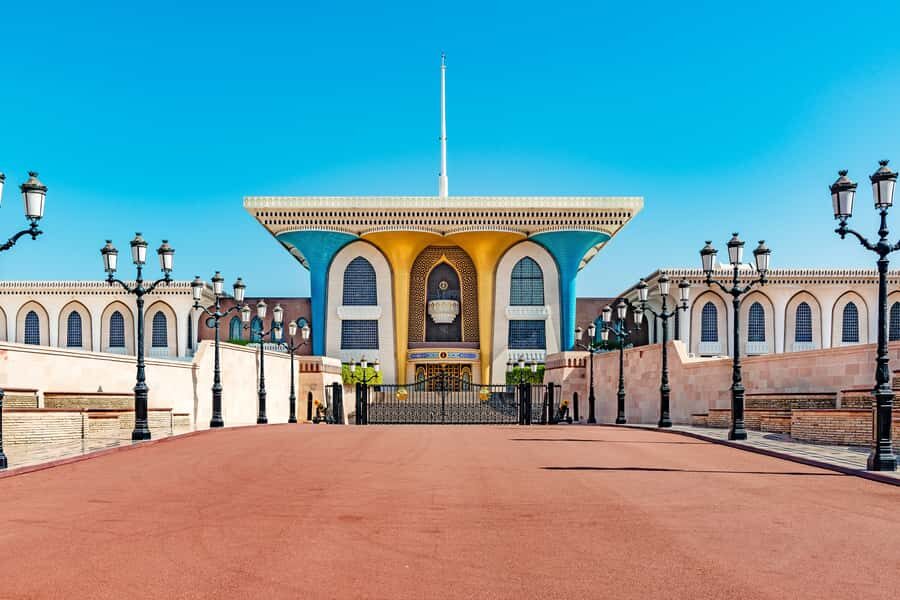
After the forts, you’ll stop for photos at Al Alam Palace. The important part here is expectation-setting: it’s a photo stop, not a long visit. You’ll see the official palace of His Majesty Sultan Qaboos from the outside and get time for pictures.
If you’re the type who likes to connect buildings to national identity, this stop helps. Seeing the palace after the forts gives you a timeline feel: coastal defense in the past, ceremonial state presence in the present.
Because this is time-boxed, be ready when you arrive. Have your camera settings ready and pick your angle quickly. That way you’ll actually enjoy the moment instead of watching the minutes tick away.
Bait Al Zubair Museum: Omani Culture With Clear Rules
Your final stop is Bait Al Zubair Museum, described as beautifully designed, and it’s your main cultural learning stop for the day. This is where you shift from streets and architecture into context—understanding Omani culture through the museum’s displays.
Two things to know so you don’t get caught off guard:
- Photography and videography are prohibited inside the museum.
- You still need to follow the dress code rules required for selected museums.
If you like museums, you’ll probably appreciate that this one is focused on cultural understanding rather than being just another room full of artifacts. The timing also works well: after outdoor walking and photo stops, the museum becomes a calm, indoor reset before you head back to your hotel.
And if you want to learn fast, ask your guide one question right before entry. Museum time is limited, so targeting your attention makes the experience better.
Price and Value: What $389 Per Group Gets You
The price is listed as $389 per group up to 2, for a half-day experience running about 270 minutes. That’s not the cheapest option compared to open-bus sightseeing, but it can be fair value if you’re optimizing for comfort and guide time.
Here’s where the value comes from:
- Hotel pickup and drop-off in central Muscat
- Air-conditioned vehicle transport
- An English-speaking guide who can explain what you’re seeing
- Bottled water included
Also, because this is a private group, timing can work better than with a larger fixed tour. In one example from the available feedback, a guide named Sharaf handled pickup smoothly even for a private booking and customized timing to match the guest’s preferences. Another guide named Abdullah (spelled Abdul in one note) was described as polite, helpful, and informative about the mosque and Muslim religion—exactly what you want from a guided day like this.
One caution on value: not every guide style lands the same way for every person. One account rated the guide and driver friendly but felt they didn’t receive enough information about the country and the sights. If you care a lot about context, come with questions (or ask for extra explanation at each stop) so you don’t leave the museum and mosque feeling like you just watched landmarks go by.
The Guide Matters: How This Can Feel Different From Day to Day
A private tour rises or falls on communication. Based on the feedback tied to specific guides, you can see the potential range.
If you get a guide like Abdullah, you’re likely to get more than directions. You’ll likely get a fuller explanation around Islamic culture while visiting the mosque and other sites. If you’re lucky enough to have someone like Sharaf, you might feel extra flexibility in timing and pacing, with the tour shaped around your preferences.
So my practical advice is simple: treat your guide like your on-the-ground interpreter. Ask what you should notice first at each stop. If you want deeper cultural context, say that early. You’ll get more out of the day, even within the fixed schedule.
What to Bring, What’s Allowed, and What Can Block Entry
Bring:
- Passport (and note that a copy of your current valid passport is required on the day of travel)
- Comfortable shoes for walking in market and waterfront areas
- Sunglasses for sun and glare near the corniche and souqs
Dress code:
- Long sleeves and long trousers or skirts are required for men and women.
- For women, a headscarf is mandatory.
- This applies to places of worship and selected museums.
Rules you should know:
- No pets
- No smoking
- No luggage or large bags
- No photography or videography inside Bait Al Zubair Museum
If you cruise into Muscat, share your cruise arrival time so pickup is timed smoothly. Otherwise, you might waste time at the meeting point while waiting.
And one logistics note for mobility: this tour is not suitable for wheelchair users.
Who This Muscat Tour Suits Best
This tour is a great fit if you want:
- A compact half-day that hits the big sights without long planning
- A guided explanation at the mosque and culture stop
- A real walk through Muttrah’s market area and waterfront corniche
It also works well for couples or small groups because the pricing is per group up to 2. If you’re traveling solo and want private attention, it’s especially useful since you’re not competing with a big crowd for time at each stop.
It may be less ideal if:
- You dislike structured schedules and prefer to wander completely on your own
- You’re sensitive to dress code constraints and don’t want to manage clothing rules
- You need wheelchair-friendly access (it’s not suitable based on the info provided)
Should You Book This Muscat City Tour?
I’d book this tour if you want a guided, efficient overview of Muscat that mixes spiritual architecture, market life, and heritage context in under five hours. The combination of Sultan Qaboos Grand Mosque, Muttrah souqs with the fish market and corniche walk, and Bait Al Zubair Museum makes it more than a checklist day.
Before you book, make sure you can handle the dress code and the museum photo rules. If you enjoy asking questions and getting cultural explanations, you’ll likely get a lot out of it—especially at the mosque and museum. If you want maximum shopping time, you should know the souq portion is just one part of the route, not a dedicated shopping spree.
If you’re trying to decide between “seeing stuff” and “understanding what you’re seeing,” this tour leans more toward understanding. And that’s why it’s a strong choice for a first visit to Muscat.
FAQ
How long is the Muscat city tour?
The duration is 270 minutes (about 4.5 hours).
What is included in the price?
It includes half-day city tour, hotel pickup and drop-off, air-conditioned transportation, an English-speaking guide, and bottled water.
Is lunch included?
No. Lunch isn’t included, and additional drinks aren’t included either.
What should I bring for the tour?
Bring your passport, comfortable shoes, and sunglasses.
What is the dress code?
Long sleeves and long trousers or skirts are required for both men and women. For women, a headscarf is mandatory. This dress code applies to places of worship and selected museums.
Can I take photos in Bait Al Zubair Museum?
No. Photography and videography are prohibited inside the Bait Al Zubair Museum.
Do I need a passport copy?
Yes. A copy of your current valid passport is required on the day of travel.
Is the tour wheelchair accessible?
No. It’s listed as not suitable for wheelchair users.