REVIEW · MUSCAT
Full-Day Guided Tour to Jebel Akhdar
Book on Viator →Operated by WikiTours Adventures · Bookable on Viator
Jebel Akhdar feels like another planet. This full-day guided trip from Muscat lets you walk old village lanes and agricultural terraces, guided by local experts who explain what you’re actually seeing. I especially love the village-to-farm walking (you’re not stuck in a bus) and the seasonal details like rose-water knowledge in March and fruit tasting vibes in summer. One thing to consider: it’s built around walking trails and viewpoints, so bring shoes and pace yourself if you’re not used to uneven ground.
You’ll start with quick cultural stops, then move up into the cooler mountain air and do a proper “walk and look” day. I like that the tour is professionally guided by locals and that you can pick extra stops to match your interests. The main drawback is that lunch isn’t included, so you’ll want a simple plan for food once you reach the mountain towns.
In This Review
- Key highlights you’ll actually feel on this tour
- First stop in Fanja’s old market lanes
- Birkat Al Mouz ruins and the falaj water system
- The big climb: Jebel Akhdar and the three-village style walk
- March rose farms and rose-water knowledge
- Summer fruit stops: pomegranate and grapes
- The final mountain segment: flower farms, rose routes, and included time
- Guides who make the day feel personal (Saif, Hamood, Ahmed)
- Price and what you’re really getting for $202
- What to bring for an 8.5-hour day on uneven ground
- Who this tour suits best
- Should you book this Jebel Akhdar day trip?
- FAQ
- What does the tour cost and how long is it?
- Does the price include pickup from Muscat?
- What’s included in the tour?
- Is lunch included?
- How much walking is involved?
- Does the itinerary change by season?
- What happens if the tour is canceled due to weather or minimum travelers?
Key highlights you’ll actually feel on this tour
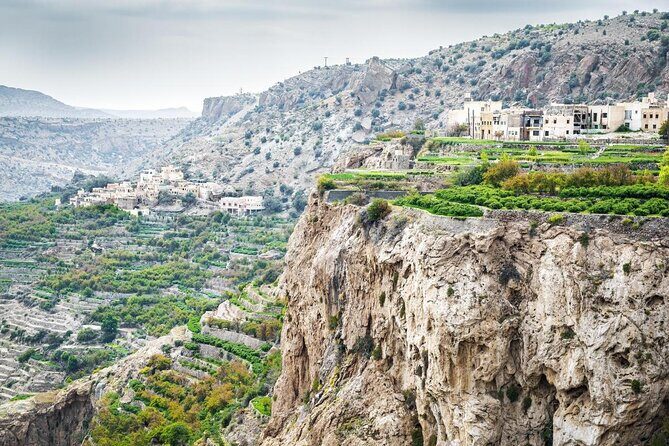
- Village walking through old houses and terraces, including the mountain track to a viewpoint
- Fanja old market stop, focused on crafts and Oman pottery
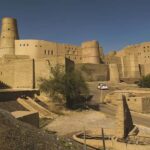
- Birkat Al Mouz ruins area, with date-palm shade and a look at a falaj water system
- Seasonal rose experience, including rose-water production when conditions line up (especially in March)
- Summer fruit time, with stops where you can buy seasonal pomegranate and grapes
First stop in Fanja’s old market lanes
If you want a day that starts with real Oman before you even hit the mountains, Fanja delivers. You get a short window at the old market area—about 15 minutes—where you can see handcrafts and Oman pottery up close. It’s not a long museum stop. It’s more like a quick “get your bearings” moment before the countryside takes over.
This stop also works well if you like photos that feel lived-in. You’ll be looking at objects made for everyday life, not just tourist display shelves. The admission ticket here is free, so you’re not paying extra just to stretch your legs and get a sense of local style.
Practical tip: go in with curious eyes. The short timing means you’ll want to decide quickly what you want to photograph or ask about.
You can also read our reviews of more guided tours in Muscat
Birkat Al Mouz ruins and the falaj water system
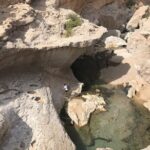
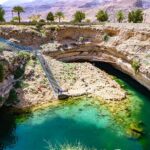
Next comes a drive through gardens under the shade of date palms, which is a nice mental shift from Muscat heat. Then you stop near falaj alkhatmeen to see how the traditional water system works. Even if you don’t know the technical details, you’ll come away with a clearer picture of why these farms and villages could thrive in Oman’s climate.
This is one of those stops where the guide matters. A good local guide can turn “you’re looking at water channels” into a story about irrigation, daily life, and how communities shaped their landscape over time. From what I’ve seen through similar mountain-trip guides, this is where you start connecting the dots between the ruins, the gardens, and the terraces you’ll walk later.
One consideration: it’s mostly outside and moving around at a relaxed pace. If you’re sensitive to sun or walking short distances, wear a hat and plan for shade whenever possible.
The big climb: Jebel Akhdar and the three-village style walk
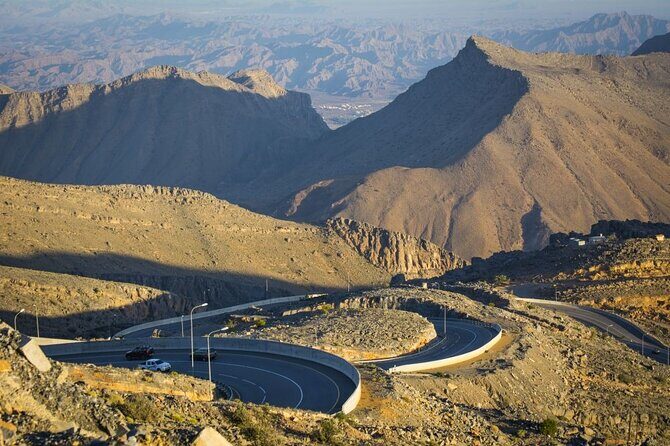
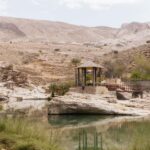
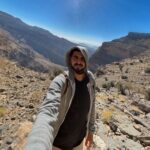
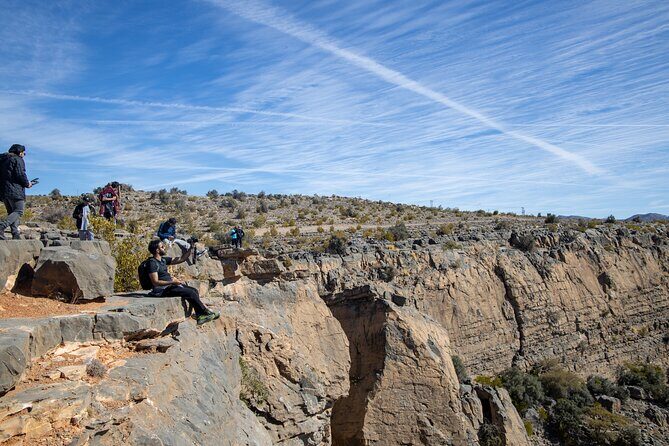
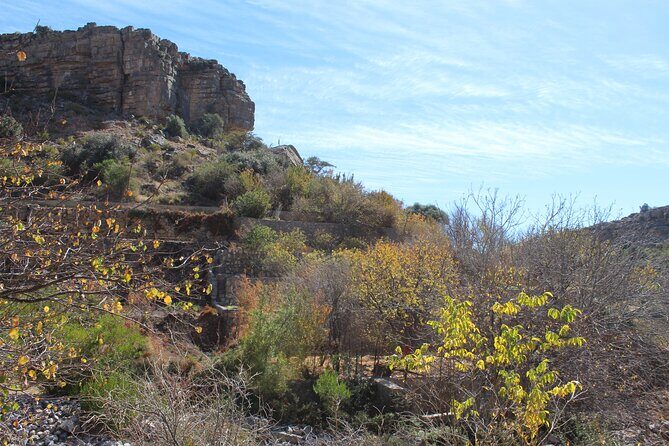
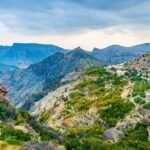
Now you’re in the part that most people remember: Jebel Akhdar on foot. The tour builds the experience around walking through old mountain settlements, then continuing onto a trail toward a viewpoint.
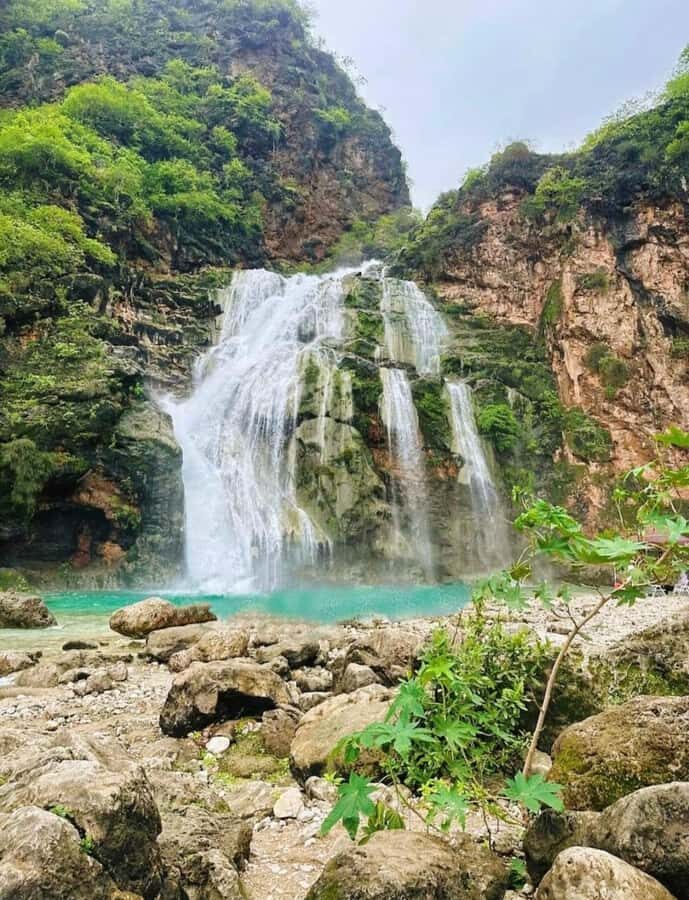
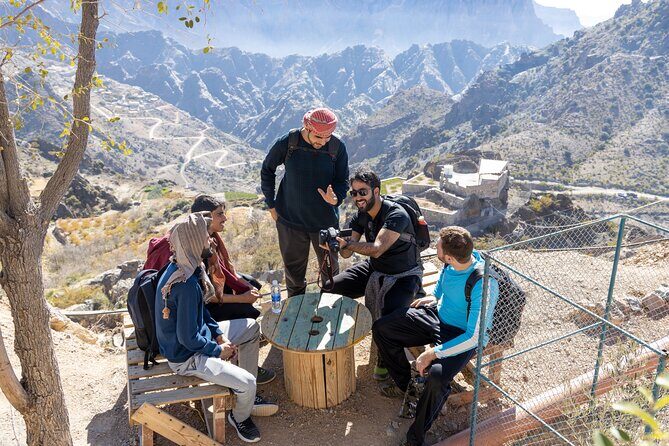
You begin at Alaqer village, where you’ll walk among old houses and then join a mountain track. Along the route, you’ll pass Alshariga village, head toward Seeeq village, and be looking out for a small waterfall along the way. The walking time here is about 1 hour 30 minutes.
What makes this stretch special is the pacing. It’s not a full-on marathon hike. It’s also not a token walk. You’re getting time to notice architecture, terrace edges, stone paths, and the way the landscape shapes daily movement. And because the route connects villages, the scenery changes as you go, instead of repeating the same view angle the whole time.
Where the viewpoint fits: you’re not just walking for steps. The mountain track is aimed at a lookout moment. You’ll get that classic “how is this village perched here?” feeling, with cooler air and broader views than you’d get at sea level.
Possible drawback: trails can be uneven. This tour is listed as suitable for most travelers, but you should still bring comfortable walking shoes and keep a steady pace. If you stop often for photos, that’s usually fine—just don’t rush the trail sections.
March rose farms and rose-water knowledge
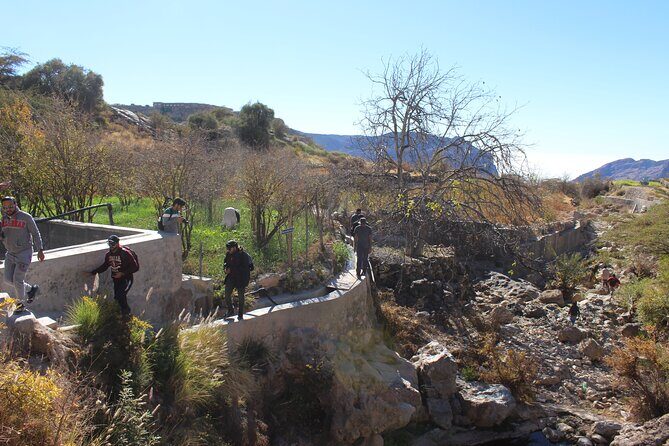
This is where the tour becomes season-specific in a meaningful way. In March, the program highlights rose agriculture: you can walk between rose farms and visit a rose factory to learn how people produce rose water.
This isn’t just “pretty flowers, end of story.” The value is in the explanation—how the process works, what parts matter, and why the rose industry shows up in mountain farming. Even if you’re not planning to buy anything, you’ll understand why people care about this crop and how it fits local life.
If you’re visiting in March, I’d treat this part as a “slow down and watch” segment. Ask questions, take notes if you like remembering practical details, and don’t rush the factory stop. The time you spend here often turns a scenic day trip into a story you’ll still be telling months later.
Summer fruit stops: pomegranate and grapes
In summer, the tour changes flavor. Instead of focusing on rose production, you get more of the seasonal market feel. There’s a stop at a market where you can buy delicious, seasonal fruits like pomegranate and grape.
This part is short, but it’s a great way to taste the difference between mountain produce and what you might find back in Muscat supermarkets. It’s also a fun way to make the day feel more like local routine. You’re not only viewing agriculture—you’re buying from it.
One word of caution: fruit can be tempting in the moment, but plan how you’ll carry it. If you’re sensitive to heat, keep it cooled when you can.
A few more Muscat tours and experiences worth a look
The final mountain segment: flower farms, rose routes, and included time
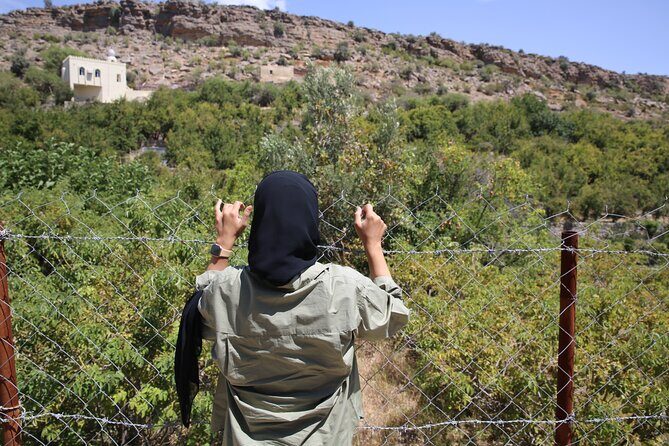
The last named stop is another Jebel Akhdar segment, around 30 minutes with admission included. Depending on the season, you’ll have a chance to walk between flower farms and see the way of producing rose.
This is intentionally shorter than the main village walk. Think of it like a second look at agriculture, with just enough time to appreciate textures, plant layout, and the way farmers structure space. If you’re in March, this pairs nicely with the rose factory learning earlier. If you’re in summer, it pairs well with the fruit theme—your last taste of mountain life before heading back down.
If you love photography, this is also a good time for it. Look for terrace patterns and flower or fruit rows that create natural leading lines toward the mountains.
Guides who make the day feel personal (Saif, Hamood, Ahmed)
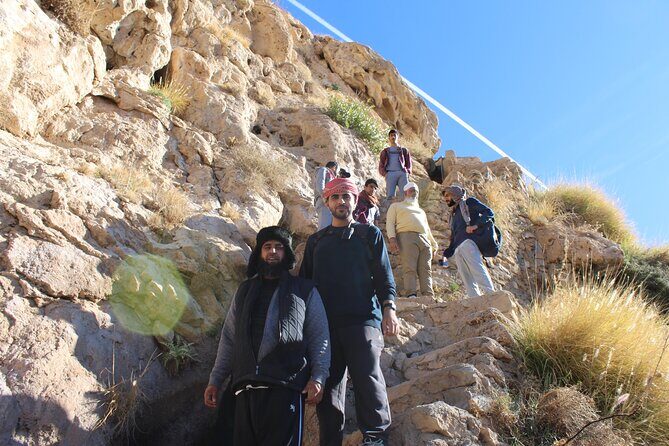
A big part of the tour’s high rating comes from the guide style. In the feedback I read, the names that kept showing up were Saif, Hamood, and Ahmed Al-Qasabi. People highlighted that these guides explain places clearly, share interesting facts, and keep things friendly and flexible.
That flexibility matters on a long day. When you have a schedule, you can still let travelers choose things like a restaurant or small extra moments—without breaking the overall flow. One review even noted the guide provided flexibility to choose a restaurant and some places to visit, and that the timing was handled well.
Practical takeaway: if you have a specific question—about irrigation, village life, or rose-water production—this is the moment to ask. The guide’s local knowledge is part of what you’re paying for.
Price and what you’re really getting for $202
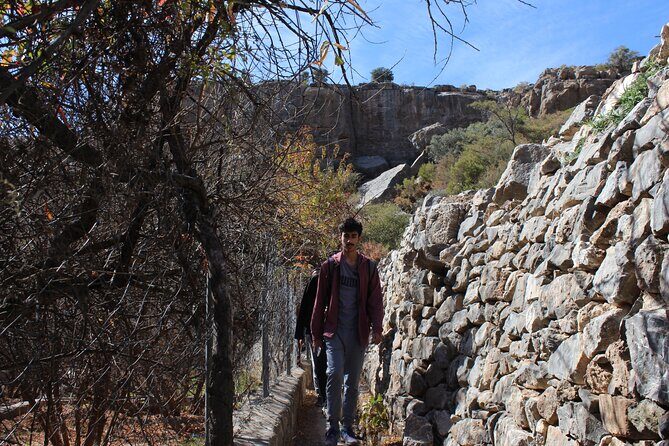
At $202 per person for an 8 hours 30 minutes experience (including travel and sightseeing), it’s not a bargain-price tour. But it does feel like a fair value if you care about guided walking, multiple stops, and seasonal cultural themes.
Here’s why the cost can make sense:
- You’re getting an air-conditioned vehicle plus bottled water, so you’re not handling logistics for the long Muscat-to-mountain stretch.
- You’re visiting more than one zone: Fanja market, Birkat Al Mouz falaj area, and two Jebel Akhdar walking segments.
- You’re paying for a professional local guide, and the guide’s names show up repeatedly in positive feedback (Saif, Hamood, Ahmed).
- The tour is private to your group, which can make the pace and questions feel more tailored than a large public bus.
The main “cost surprise” is simple: lunch isn’t included. That’s not a deal-breaker, but it means you should budget for it or plan where you’ll eat once you’re up there.
What to bring for an 8.5-hour day on uneven ground
You’re mixing vehicle time with walking. Even if the route is manageable, you’ll be on foot enough that small choices matter.
I’d bring:
- Comfortable walking shoes for stone paths and mountain tracks
- Sun protection (hat or cap) since at least some parts are outdoors
- A light layer (mountain air can feel different from Muscat)
- Your camera battery and space for photos in village lanes and terraced farms
If you’re unsure what to wear, one review noted the guides provided guidance on clothes and things to bring. Still, you’ll do yourself a favor by packing basic sun-and-comfort items.
Who this tour suits best
This is a great match if you:
- Want a guided day that connects market culture, water heritage, and mountain agriculture
- Love scenery but also like when someone explains what you’re looking at
- Are interested in seasonal Oman, whether it’s rose-water production (March) or fruit markets (summer)
- Prefer a group experience that feels comfortable and local, with a guide who can answer questions
You might choose a different tour if you:
- Don’t enjoy walking at all, even short-to-moderate trails
- Need lunch included in the price and don’t want to plan for food
Should you book this Jebel Akhdar day trip?
If you want Jebel Akhdar without getting lost in logistics, I’d book it. The strongest reasons are the combination of village walks, the falaj heritage stop, and the seasonal agricultural focus that changes depending on when you go—rose experience in March, fruit shopping in summer.
The one real decision point is lunch. If you’re fine planning your meal and you’re comfortable walking about 1.5 hours plus a shorter final segment, this tour fits neatly into a Muscat itinerary.
FAQ
What does the tour cost and how long is it?
The tour costs $202.00 per person and lasts about 8 hours 30 minutes, including travel time and sightseeing.
Does the price include pickup from Muscat?
Yes. Pickup is offered.
What’s included in the tour?
It includes an air-conditioned vehicle and bottled water.
Is lunch included?
No, lunch isn’t included.
How much walking is involved?
There is a walking segment at Jebel Akhdar of about 1 hour 30 minutes, plus an additional shorter walking chance around flower farms (about 30 minutes total at the final Jebel Akhdar segment). The experience is listed as suitable for most travelers.
Does the itinerary change by season?
Yes. In March you may walk between rose farms and visit a rose factory to understand rose water production. In summer the tour includes a market stop to buy seasonal fruits like pomegranate and grape, and you may have chances to walk between flower farms depending on conditions.
What happens if the tour is canceled due to weather or minimum travelers?
This experience requires good weather and a minimum number of travelers. If it’s canceled due to poor weather, you’ll be offered a different date or a full refund. If the minimum isn’t met, you’ll be offered a different date/experience or a full refund.