REVIEW · MUSCAT
Private Tour to Jebel Akhdar Al Suwjara Village
Book on Viator →Operated by Star Tours · Bookable on Viator
Mountain villages and irrigation miracles in one day. You’ll ride from Muscat up to Jebel Akhdar and its terraced fruit plots, then wander through Birkat Al Mouz ruins and down into Al Suwjara’s old cliffside houses, all with an English-speaking guide in a comfortable 4WD.
Two things I like a lot: the UNESCO-listed aflaj irrigation system visit at Al Kattmyn (short, but it makes the whole mountain feel intentional), and the way Jebel Akhdar’s cooler air and rose-garden scenery break up the drive with real calm. I also appreciated how guides like Ahmed, Mr. Alkiyumi, and Mr. Ghaith Al Hadi were mentioned for friendly, clear explanations.
The main consideration is physical effort. You’ll do walking on uneven ground and you can end up with stairs/steep segments around Al Suwjara’s old village access—so wear grippy shoes and plan for a bit of a workout.
In This Review
- Key highlights you shouldn’t miss
- Muscat heat out, mountain cool in
- Price and logistics: what you’re really paying for
- Birkat Al Mouz ruins: banana pool and “wow, that’s old”
- UNESCO aflaj irrigation at Al Kattmyn
- Jebel Akhdar: fruit plantations, rose gardens, and Diana Point
- Al Suwjara old village and the cliffside Cliff Guest House
- What the day feels like: pace, comfort, and real expectations
- Who this tour suits best
- What to pack (so the mountain feels fun, not annoying)
- Should you book this Jebel Akhdar and Al Suwjara private tour?
- FAQ
- How long is the private tour to Jebel Akhdar and Al Suwjara?
- What’s included in the tour price?
- Is pickup and drop-off from Muscat included?
- Is this tour private or group-based?
- Does the tour include lunch or breakfast?
- Which stops are part of the experience?
- How much walking is involved at Al Suwjara?
- What’s the cancellation policy?
- Where does the tour start and end?
Key highlights you shouldn’t miss
- Birkat Al Mouz ruins off the old Muscat–Nizwa road, in a “banana pool” area
- UNESCO aflaj irrigation at Al Kattmyn, with an easy-to-follow on-site explanation
- Jebel Akhdar fruit plantations and rose gardens, plus a stop at Diana Point
- Al Suwjara old village access that involves steep descents, a wooden bridge, and a climb back
- Private 4WD comfort with pickup in Muscat and entrance fees handled for you
Muscat heat out, mountain cool in
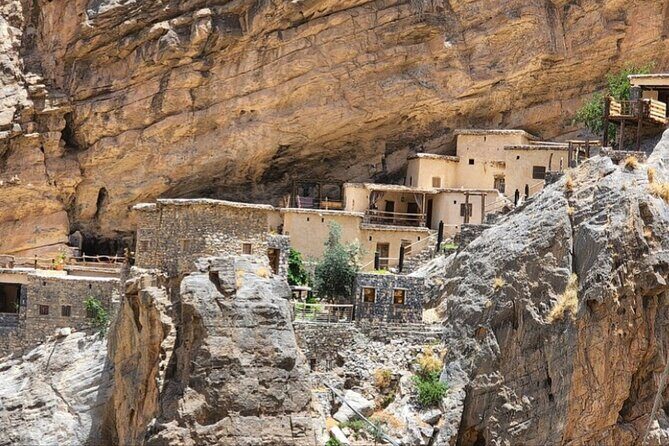
Jebel Akhdar works fast on your mood. Muscat can feel intense, then suddenly you’re higher up, with cooler air and wide valley views. Even if you don’t hike for long, the change in temperature plus the sightlines make the day feel like a real escape.
What I like here is how the tour mixes “places you can photograph” with “places you can understand.” At the ruins and irrigation system, you’re not just ticking boxes—you’re seeing how people built life into this mountain.
Also, the timing is built for variety. You don’t just do one long viewpoint stop. You get ruins first, then irrigation, then fruit-and-rose mountain time, then an architectural walk down into a living heritage village.
You can also read our reviews of more private tours in Muscat


Price and logistics: what you’re really paying for
At $180 per person for about 8 hours, this isn’t a budget sprint. It makes sense because you’re buying more than a ride. You’re getting private 4WD transportation, an English-speaking guide, bottled water, pickup/drop-off in the Muscat area, and entrance fees.
If you compare it to the cost of a rental car plus paid guides plus separate ticketing, the value starts to make sense. It’s especially helpful if you don’t want to stress about getting out of Muscat, finding the right turns, and managing parking around cliffside villages.
A few practical notes you can plan around:
- You start at Star Tours Oman on 18th November Street in Muscat.
- You return to the same meeting point.
- You’ll likely want to budget a lunch option yourself since lunch isn’t included.
And yes, you’ll do it all in one day. That’s part of the trade-off: the tour is efficient, but it asks you to keep moving.
Birkat Al Mouz ruins: banana pool and “wow, that’s old”
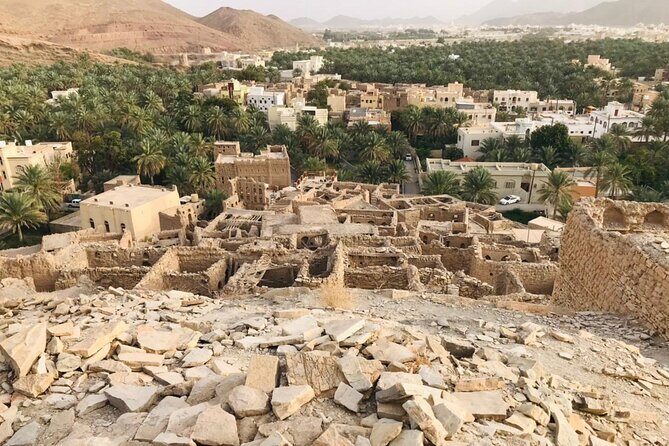
Birkat Al Mouz Ruins are off the old Muscat–Nizwa road, and the name translates to Banana Pool. The setting matters. You’re in a valley area known for plantations, and then the ruins give you the feeling of stepping into a former rhythm of village life.
This stop is about 2 hours, with admission included. That’s a good length: long enough to walk the area at a relaxed pace, but not so long that it eats up all your energy before the mountain.
What makes this visit special is the contrast. You’re looking at remains—broken stone, old village traces—while the wider region still reflects an agricultural tradition. It helps you connect later stops (like aflaj irrigation) to something practical: water, farming, and settlement.
If you like architecture and you enjoy reading the “shape” of old places, Birkat Al Mouz delivers. If you’re only interested in one big viewpoint, it may feel more quiet—but it’s still one of the day’s best history anchors.
UNESCO aflaj irrigation at Al Kattmyn
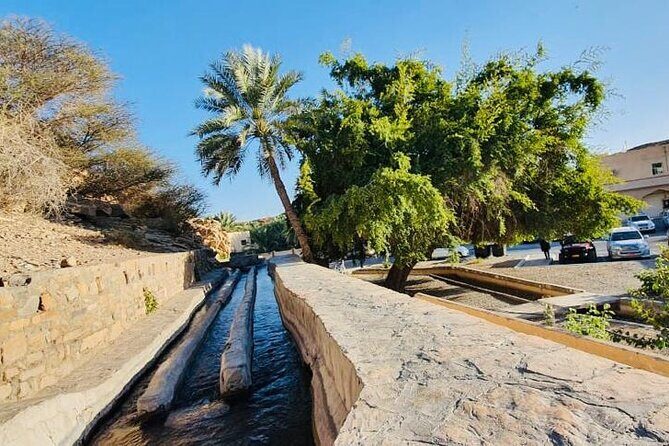
Next comes the Aflaj Irrigation Systems of Oman, specifically Al Kattmyn, listed among the five UNESCO heritage aflaj systems. This is one of those stops where you learn why Oman’s mountains were livable in the first place.
The visit is about 1 hour, and admission is included. One hour sounds short, but it’s actually ideal here. You don’t need a full day to understand the concept; you need a focused explanation plus a chance to see the system up close.
Here’s the value: once you understand how water channels and maintenance shaped daily life, Jebel Akhdar’s fruit terraces make more sense. It’s not just scenic. It’s engineered living.
If you’re the kind of traveler who likes “how it works” moments, you’ll probably rate this stop high. If you’re more into easy wandering, the explanation may feel like it slows you down a bit—but it’s still worth it because it changes what you notice afterward.
Jebel Akhdar: fruit plantations, rose gardens, and Diana Point
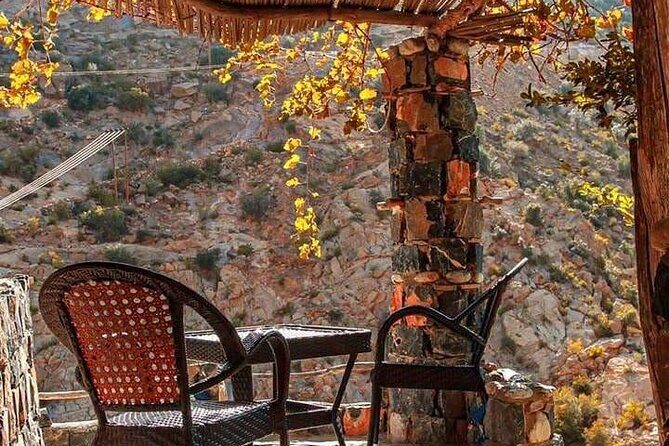
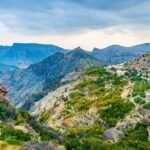
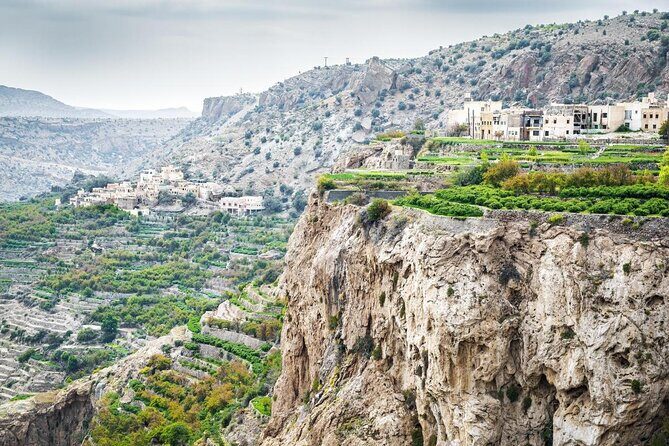
Jebel Akhdar is also called the Green Mountain, and you can feel why once you’re up there. Expect fruit plantations and rose gardens as you walk through the hills.
This portion is around 2 hours, with admission included. The “walk through the hills” part is where you’ll get your money’s worth in views—valley panoramas, cooler air, and that sense of being perched above everything.
One detail that stands out: there’s a spot known as Diana Point, tied to the story of Princess Diana stopping there. Even if you don’t care about celebrity history, the viewpoint itself is the point. It’s a named stop that helps you orient yourself in the area and gives you a reason to pause.
At the rose gardens, you may also find the chance to buy rose products. In other words, it’s not only about photos; it’s about taking a sensory memory home—something floral, local, and directly tied to what you’re seeing.
Potential drawback? Timing and footing. You’re higher up and walking on uneven ground. Take it slowly, especially if your walking style is more “city pace” than “mountain pace.”



Al Suwjara old village and the cliffside Cliff Guest House
Then the day turns more physical. You continue to Al Suwjara old village, often associated with the Cliff Guest House viewpoint area.
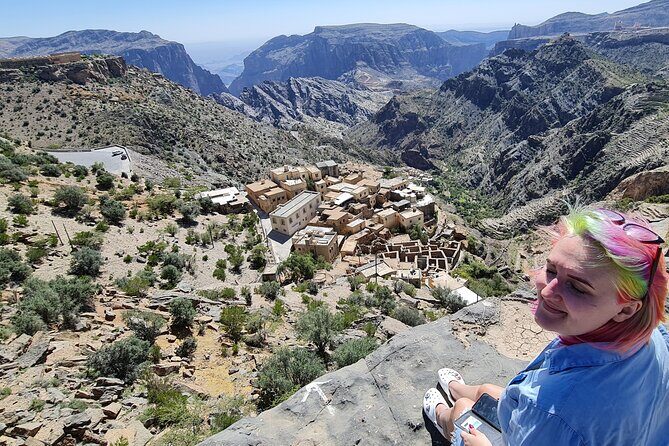
This is about 3 hours, and admission is included. Al Suwjara’s story is simple but powerful: it started with one family, then grew into an old and a newer village.
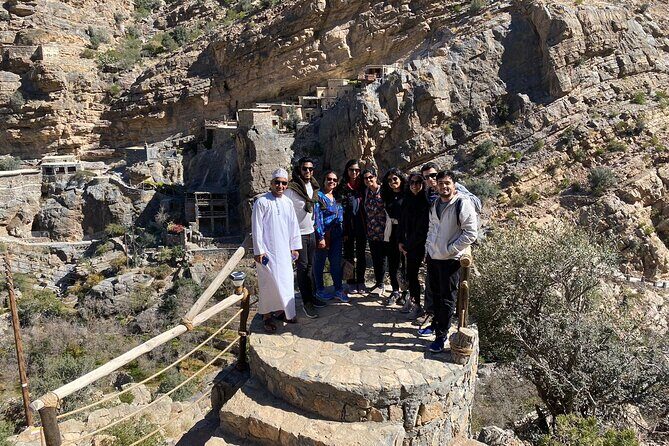
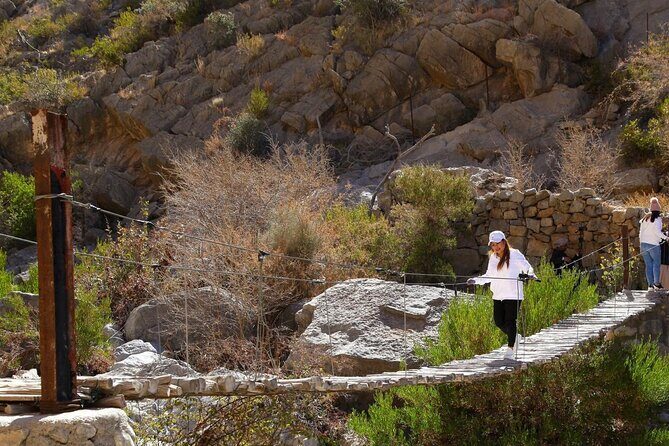
Here’s the key detail you need to understand before you go: the old village access involves movement down and back up. The new village is nearly 20 minutes hike away, and four-wheel cars can reach the new part. But to access the old houses, you climb down one side, cross a wooden bridge, and climb another side to reach the old homes.
That means the experience is not only sightseeing—it’s a small “journey” into how steep this place is. You’ll likely feel it in your legs, especially if you’re not used to stairs and uneven steps.
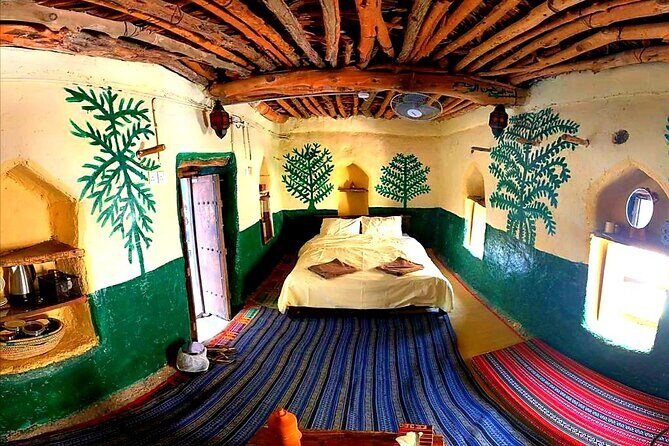
Also, the Cliff Guest House story is part of the charm. It began with one room and grew over time to more rooms for travelers, built in a traditional style with stone from the mountain. Even if you don’t stay overnight, it’s the kind of place that makes the architecture feel intentional rather than decorative.
If you love heritage villages, this is the emotional peak of the day. If you prefer flat ground, this section is the hardest part—plan accordingly with shoes and pacing.
What the day feels like: pace, comfort, and real expectations
This is a one-day circuit, so you’re moving in chunks: ruins, irrigation, mountain viewpoints and gardens, then the cliff village walk.
The upside is variety. You won’t spend the whole day staring at one view. You’ll also get a sense of how Oman’s mountain living connects agriculture, water engineering, and settlement patterns.
The other upside is transportation. You’re in 4WD comfortable transport, so you’re not dealing with getting lost or driving mountain roads yourself. Plus you get bottled water along the way, which matters when you’re outside for long enough.
The downside is simple: you will be on your feet and you’ll do uphill/downhill segments. In the reviews, people highlighted that the views feel worth the effort after the walking, and that matches what you can expect from this route.
Also remember: lunch isn’t included. If you’re the type who gets cranky when hungry (I get it), plan to eat before or ask your guide for the best option nearby during the breaks you’re given.
Who this tour suits best
This tour fits best if you:
- Want a private day plan with pickup and entrances handled
- Like a mix of heritage + scenery, not just one long photo stop
- Don’t mind moderate walking and uneven steps
- Appreciate when a guide explains what you’re seeing, not just where to stand
It may be less ideal if you:
- Prefer minimal walking or avoid steep descents/ascents
- Need long, uninterrupted seating time
- Want lunch included as a guaranteed part of the package
And because it’s private, you can match pace and questions to your group. That’s a real advantage versus big group tours.
What to pack (so the mountain feels fun, not annoying)
Bring the basics and you’ll feel better on the old village steps:
- Grippy shoes for stone and steep/uneven access
- A light layer, since Jebel Akhdar can feel cooler than Muscat
- Sun protection (hat/sunglasses) and a reusable water bottle if you like
- A small snack in case you hit a long stretch without lunch
If you’re thinking about rose products, bring a little extra room in your day bag. That’s the kind of souvenir that can be small but meaningful.
Also, keep your camera ready. Diana Point and the valley views reward slow pauses. The best photos often come after you stop rushing.
Should you book this Jebel Akhdar and Al Suwjara private tour?
If you want one day that covers ruins, UNESCO water engineering, mountain fruit and roses, and an authentic cliff village walk, this is an easy yes. The value comes from the combination: private 4WD, an English guide, and entrance fees bundled into a single route.
I’d book it if your group enjoys stepping off the main road and into places that feel lived-in, not staged. The old village access is the trade-off—but it’s also part of why the views and atmosphere feel earned.
If your group hates stairs or has limited mobility, you’ll want to reconsider or ask your guide about walking expectations before committing. For everyone else, this is the kind of Oman day trip that changes how you see the mountains.
FAQ
How long is the private tour to Jebel Akhdar and Al Suwjara?
The tour runs about 8 hours (approx.).
What’s included in the tour price?
Transportation in a comfortable 4WD, an English-speaking Omani tour guide, bottled water, pickup and drop-off in the Muscat area, and entrance fees are included.
Is pickup and drop-off from Muscat included?
Yes. Pickup and drop-off are included for the Muscat area.
Is this tour private or group-based?
This is a private tour/activity. Only your group participates.
Does the tour include lunch or breakfast?
No. Lunch and breakfast are not included.
Which stops are part of the experience?
You’ll visit Birkat Al Mouz ruins, the Aflaj Irrigation Systems of Oman (Al Kattmyn), Jebel Akhdar with time at Diana Point, and Al Suwjara Old Village (Cliff Guest House area).
How much walking is involved at Al Suwjara?
Access to the old village involves a descent, a wooden bridge crossing, and another climb. The new village is about a 20-minute hike from the old.
What’s the cancellation policy?
Free cancellation is available. You can cancel up to 24 hours in advance for a full refund. If you cancel less than 24 hours before the start, the amount paid is not refunded.
Where does the tour start and end?
It starts at Star Tours Oman on 18th November St, Muscat, Oman, and ends back at the same meeting point.