REVIEW · MUSCAT
Private 2 – Days Jebel Akhdar Overnight Camping Tours
Book on Viator →Operated by Oman Camping Tours · Bookable on Viator
Roads to the Green Mountain start in Muscat, then slow down fast. This private overnight trip takes you from Nizwa’s old-town energy to the cool, fruit-and-rose slopes of Jebel Akhdar, with a UNESCO stop and short hikes that feel like you’re actually in Oman, not just passing through.
What I like most is how the days mix viewpoints with places you can walk through. You spend real time at Nizwa Fort and the Nizwa Souq, then you move into mountain country with terrace views and a walk down into Wadi Bani Habib. One more win: the pacing is built around comfort, with pickup and drop-off in the Muscat area plus a comfortable 4×4 for the rougher sections.
The main consideration is that you do need moderate physical fitness for the walking, including a descent of about 200 steps at Wadi Bani Habib. Also, the mountains can be noticeably cooler at night, so pack for cold even if Muscat feels warm.
In This Review
- Quick hits before you go
- Why Jebel Akhdar camping feels like a reset, not just sightseeing
- Day 1: Nizwa Fort, Souq time, then UNESCO aflaj to the mountain climb
- A practical note on Day 1 pacing
- Day 2: Diana’s Viewpoint terraces and the 200-step Wadi Bani Habib walk
- The second mountain stop and the “why it matters” feeling
- What the overnight camping night is really like
- Getting there in a 4×4: comfort that matters on mountain roads
- The guides: kind, helpful, and focused on safety
- Value check: is $442.80 per person worth it?
- Who this tour is best for (and who should think twice)
- Should you book this private Jebel Akhdar overnight tour?
- FAQ
- What’s the duration of the Private 2-Day Jebel Akhdar Overnight Camping Tour?
- How much does the tour cost?
- Is pickup and drop-off included?
- Is this tour private?
- What’s included in the price?
- What isn’t included?
- Is there any walking involved?
- What should I pack for the overnight stay?
- What happens if the weather is poor?
- Final note: canceling close to the date
Quick hits before you go
- Overnight in Jebel Akhdar with cooler mountain air compared to the city
- Nizwa Fort and Nizwa Souq for history plus hands-on local browsing
- Aflaj Irrigation Systems of Oman (UNESCO heritage) as a practical look at how communities thrive
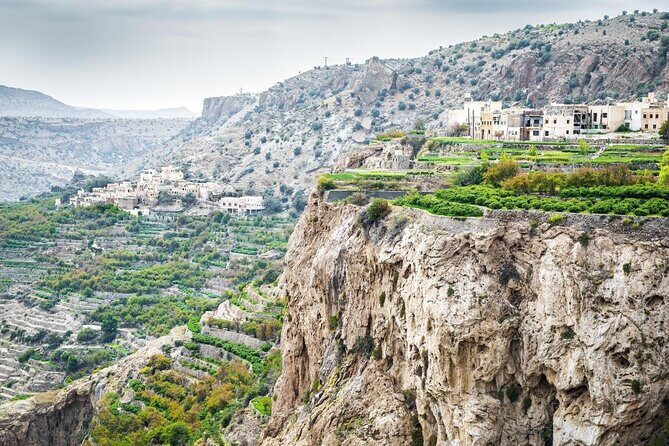
- Diana’s Viewpoint connection with famous panoramic terrace views
- Wadi Bani Habib walk down 200 steps to the wadi bottom and ruined village area
- Private format means only your group participates, so the trip feels more personal
Why Jebel Akhdar camping feels like a reset, not just sightseeing
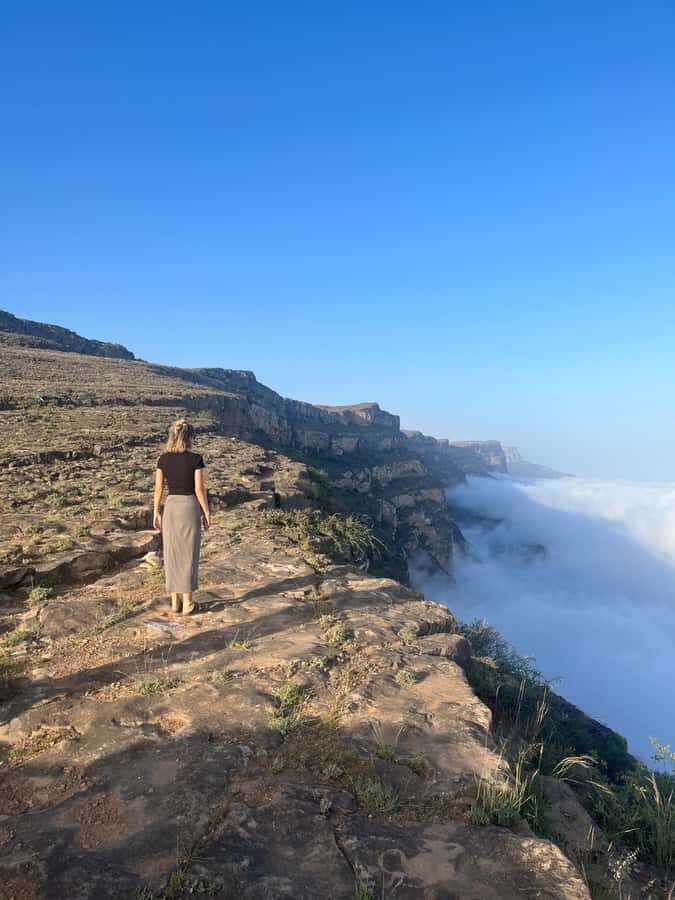
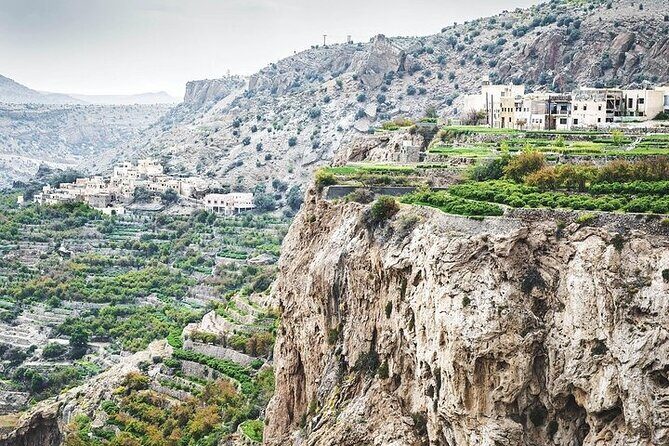
Jebel Akhdar is often called the Green Mountain of Oman, and the name makes sense when you’re up there. The area sits high, reaching around 2,980 meters, with the Saiq Plateau around 2,000 meters. At that elevation, the scenery shifts from city rhythms to orchards, terraces, and mountain light.
What you’re really buying with an overnight trip is time. One night is long enough to feel a change in temperature and atmosphere, and it gives you enough breathing room to enjoy viewpoints without rushing. It also turns the experience from a drive-and-photo checklist into a slower, more Omani kind of day.
Another big practical plus: the tour isn’t only about viewpoints. You also get heritage and everyday life stops, which helps the trip feel grounded. In places like Nizwa and the aflaj irrigation sites, you learn why the region looks the way it does.
You can also read our reviews of more private tours in Muscat

Day 1: Nizwa Fort, Souq time, then UNESCO aflaj to the mountain climb
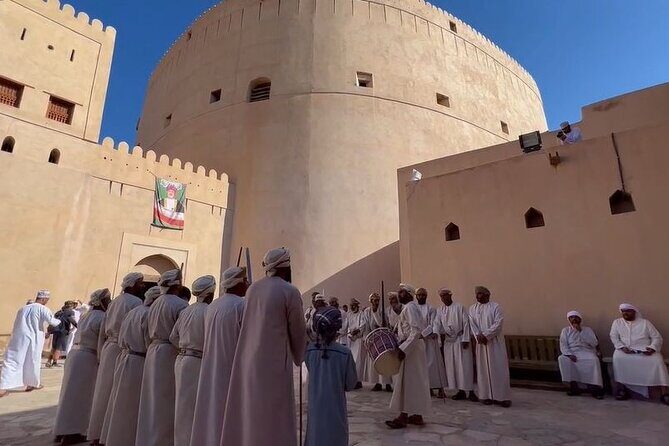
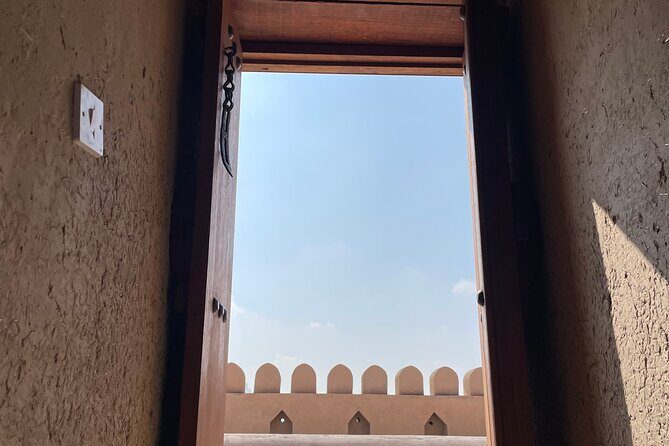
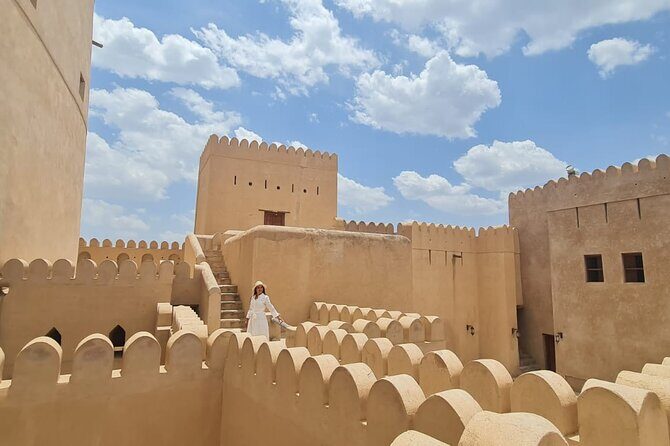
Your day starts with the drive from Muscat to Nizwa, known for being one of Oman’s old capitals. The first stop is Nizwa Fort, where you can walk the fortress grounds and take in views across the town and surrounding mountains. It’s not just a scenic building either; it’s presented as a place tied to military defense and local history, now functioning like a museum-style experience.
Next comes Nizwa Souq, right by the fort. This is where the trip gets more hands-on. You’ll find stalls for goods like jewelry, pottery, fish, and meats, so it’s a good place to get your bearings for what daily life and trade look like in Nizwa.
After that, you head toward the foothills of Jebel Akhdar and stop in Birkat Al Mouz ruins, an old village area at the foot of the Green Mountain. This is a quieter, more time-slowing kind of stop, and it helps you understand that the mountains were settled and farmed long before today’s roads.
Then you reach a key heritage moment: Aflaj Irrigation Systems of Oman, part of the UNESCO heritage. The stop is short, but it’s meaningful because aflaj are about water systems that allow agriculture to survive in tough conditions. Even if you’re not a history nerd, it’s the kind of stop that makes the landscape make sense.
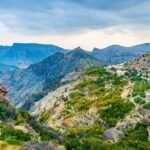
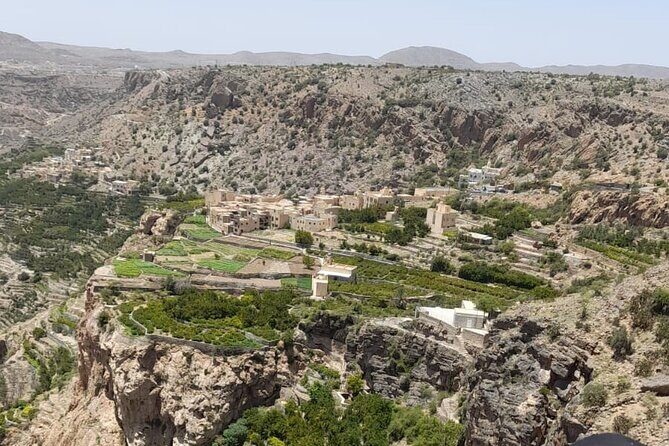
From there, the day climbs to Jebel Akhdar itself. This is the main event: fruit plantations, rose gardens, and valley views that make you pause without trying. You’re given time to walk through the area and take in what the mountain gives you, not just what a bus window shows you. Then the day ends with the return down toward Muscat after your mountain time.
A practical note on Day 1 pacing
Day 1 is packed, but it’s built around short, distinct experiences: fort, souq, ruins, irrigation heritage, and then the mountain walk. If you’re prone to feeling rushed, this is still manageable because each stop has its own feel, and the main climb to Jebel Akhdar comes later in the day.
Day 2: Diana’s Viewpoint terraces and the 200-step Wadi Bani Habib walk
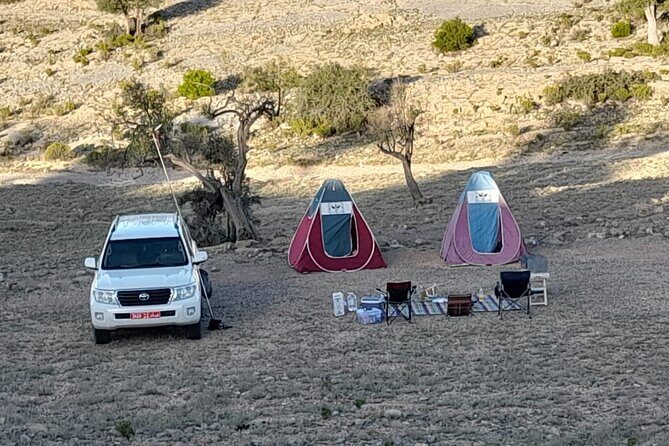
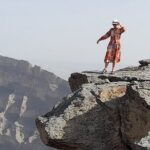
After breakfast, the second day focuses on scenic viewpoints and a hike that’s more interesting than it sounds on paper. First up is Diana’s Viewpoint, a cliff rim with panoramic views over farmed terraces below. The site has a royal connection tied to Diana, Princess of Wales, during a visit to Oman in 1986, and you can feel that connection in the way nearby hospitality businesses treat it as a focal point.
Even if you don’t care about royal history, this is a solid viewpoint stop. Terraces mean agriculture, and agriculture means people have shaped this place for generations. The views connect nicely back to the earlier UNESCO irrigation stop.
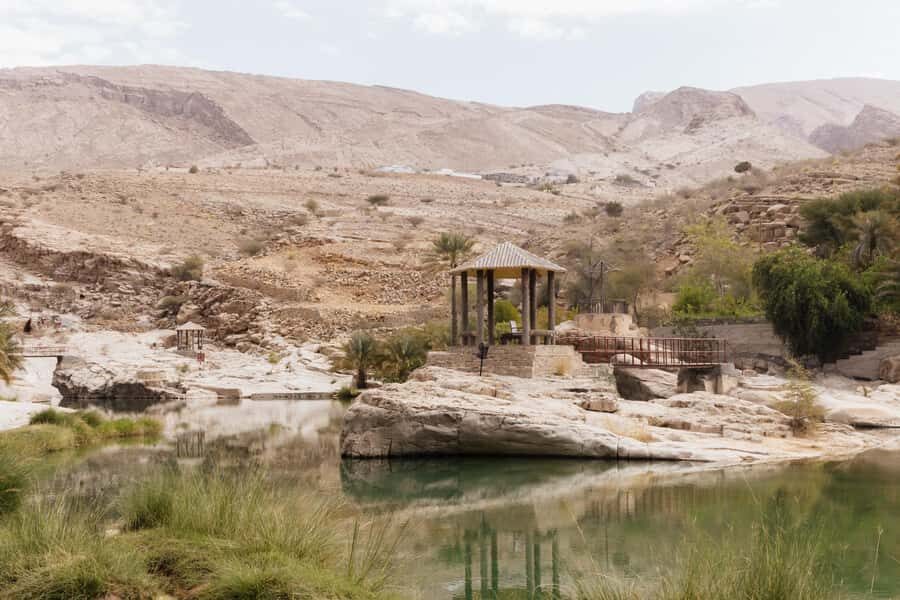
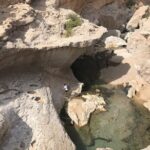
Then you go to Wadi Bani Habib for hiking. The walking route takes you down around 200 steps to the wadi bottom, across an irrigation channel, and back up toward a cluster of decaying mud buildings on the opposite side. It’s described as an easy path, but it still involves steps and uneven ground that will feel different from walking on flat pavement.
This is also one of those spots where timing matters. The area can get crowded on weekends, and parking becomes difficult. If you’re flexible with your travel dates, you’ll enjoy the walk more when the roads and parking are calmer.
The second mountain stop and the “why it matters” feeling
Later, you return again to Jebel Akhdar. Here, the emphasis is on the village area and its long human story, extending more than 450 years, with walls and rocks tied to older settlement patterns. It was reportedly uprooted about 80 years ago due to rain, which adds a layer of realism: this place isn’t staged. It’s affected by weather and time like anywhere else.
That second stop is also a nice way to catch the mountain again after you’ve already seen the terraces from Diana’s Viewpoint. By then, you can compare what you saw from above with what you see when you’re closer to the village-and-orchard side.

What the overnight camping night is really like
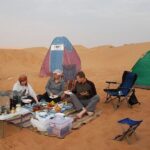
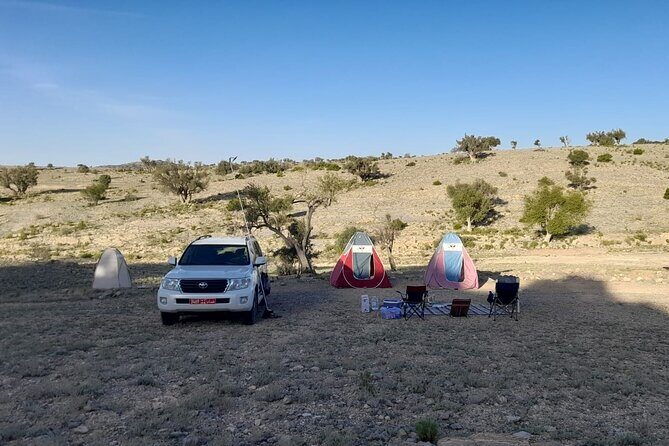
An overnight stay changes how you experience Jebel Akhdar. In Muscat you’re mostly dealing with city heat and movement, but in the mountains the temperature shift matters. One of the clearest takeaways from the experience is that it can be cold enough to need a jacket, and the weather is cooler than in the city.
That’s not a vague suggestion. Pack a proper warm layer for evenings, especially if you’ll be outside around camp time. If you tend to get cold, add gloves or a hat. Even when days are comfortable, mornings and night air up high can bite.
You’re also not going into the wilderness without support. The tour includes dinner and breakfast, plus entrance fees and water. That matters because it reduces decision fatigue. Instead of scrambling for meals or trying to make sense of sites on your own, you can focus on the experience itself.
And because this is a private tour, it’s easier to manage the overnight details around your group. You won’t be competing for attention or waiting around while others move at their own pace.
Getting there in a 4×4: comfort that matters on mountain roads
This trip uses a 4×4 vehicle and offers pickup and drop-off in the Muscat area. That’s important because mountain routes aren’t always smooth, and comfort can make the whole day feel easier. You’re also not spending your energy on navigation, which is a big deal when you’re bouncing between Nizwa, ruins, UNESCO sites, and the climb into Jebel Akhdar.
One small detail that’s surprisingly helpful: you get a mobile ticket. It cuts down on last-minute friction at entrances and check-in points.
If you’re coming from farther outside Muscat, you might want to confirm exactly how pickup coverage works for your address, since the info here specifically mentions pickup in the Muscat area.
The guides: kind, helpful, and focused on safety

What really stands out is the way the guidance is described. People highlight that the driver and guide are kind and helpful, and that they make you feel safe. Names that came up include Said and Hamood, both described as supportive and careful.
Even if you don’t get those exact names, the service style seems consistent: friendly, clear communication, and safety-first driving. That matters most when you’re in a 4×4 and moving between viewpoints and trail starts, where small navigation and timing choices can affect how smooth your day feels.
Value check: is $442.80 per person worth it?
At $442.80 per person for about two days, this sits in the “comfortable and organized” category rather than the “bare-bones budget” category. Here’s what you’re paying for: private format, pickup/drop-off in Muscat, a 4×4, entrance fees, water, and two meals built into the overnight plan (dinner and breakfast).
The biggest value boosters are the included items. Many half-day tours might include transport but then hit you with add-on entrance fees and food costs. Here, entrance fees are included, and you’re not responsible for dinner and breakfast during the overnight portion.
The one clear extra cost is lunch, which is not included. If you’re someone who likes to control lunch spending, plan to budget for it separately. If you’re the type who hates planning meals while traveling, you might want to eat a little earlier on day 1 or pack a simple option for between stops if that fits your style.
Also consider this: you’re seeing multiple types of places in one go—fort and souq in Nizwa, ruins, UNESCO aflaj heritage, cliff views, a step-based wadi walk, and then Jebel Akhdar again. For two days, the tour is doing more than a single-scene itinerary.
Who this tour is best for (and who should think twice)
This is a great match if you want a mix of history, local markets, and mountain scenery without managing logistics yourself. It’s especially good for people who like walking a bit, taking photos, and then relaxing with planned meals and transport.
You’ll also like the private setup if you’re traveling as a couple, small family, or group of friends who want a calmer pace and easier communication.
Think twice if steps and uneven terrain make you nervous. Wadi Bani Habib includes about 200 steps to reach the wadi bottom, and the tour calls for moderate physical fitness. And if you hate cold evenings, remember you may need a jacket.
Should you book this private Jebel Akhdar overnight tour?
I’d book it if you want more than a day trip and you care about feeling the mountain at night, not just seeing it from viewpoints. The combination of Nizwa’s fort and souq, the UNESCO aflaj stop, and the Wadi Bani Habib walk gives the days structure and variety.
I’d also book it if you value practical comfort: Muscat pickup, 4×4 transport, entrance fees, water, plus dinner and breakfast. Those details matter on a two-day program because they reduce “what do we do next” stress.
Skip it or rethink your expectations if cold weather bothers you, you can’t handle step-based walking, or you’re traveling for a weekend when Wadi parking and crowds might be an issue for your mood.
FAQ
What’s the duration of the Private 2-Day Jebel Akhdar Overnight Camping Tour?
It runs for about 2 days.
How much does the tour cost?
The price is $442.80 per person.
Is pickup and drop-off included?
Yes. Pickup and drop-off are included for the Muscat area.
Is this tour private?
Yes. It’s a private tour, and only your group participates.
What’s included in the price?
Included are dinner, breakfast, pickup and drop-off (Muscat area), a 4×4 vehicle (comfortable), entrance fees, and water.
What isn’t included?
Lunch isn’t included.
Is there any walking involved?
Yes. The tour includes Wadi Bani Habib, with an easy walking path that involves about 200 steps down and back up, and the tour recommends a moderate physical fitness level.
What should I pack for the overnight stay?
Bring warm layers. The mountain weather can be cooler than the city, and a jacket is recommended for staying warm.
What happens if the weather is poor?
The experience requires good weather. If it’s canceled due to poor weather, you’ll be offered a different date or a full refund.
Final note: canceling close to the date
You can cancel up to 24 hours in advance for a full refund. If you cancel less than 24 hours before the start time, the amount paid is not refunded.