REVIEW · MUSCAT
Nizwa- Al Hamra Old Village- Misfah Al Abryeen Full Day Tour
Book on Viator →Operated by Star Tours · Bookable on Viator
One day in Oman can feel like four different worlds. This route strings together Nizwa Fort, a proper local souq, an old village lifestyle stop, and the falaj water system at Misfah Al Abryeen—so you get both big sights and day-to-day culture. I especially love the way the day is paced (enough time to wander) and how the guide stories make the scenery make sense. One thing to consider: the tour relies on good weather, and it’s a long day with mostly on-foot exploring.
Our guide, Said, made the experience shine for me. He talked through the fort and then brought the day down to human scale with Omani sweets and the best dates of my life, which honestly turned a normal sightseeing day into a memorable one. If you’re expecting luxury downtime or a totally casual stroll with zero walking, you may want to temper expectations—this is built for moving around.
In This Review
- Key highlights to look forward to
- Nizwa Fort: the best reason to go early
- Nizwa Souq: where the day turns local
- Al Hamra Old Village: everyday life, not just scenery
- Misfah Al Abryeen: the falaj water system makes the whole landscape click
- The practical value: what $187 covers on this full-day route
- How to enjoy each stop without rushing
- Who this tour is best for
- Should you book the Nizwa–Al Hamra–Misfah Al Abryeen full day?
- FAQ
- What time does the tour start?
- How long is the tour?
- Is pickup available in Muscat?
- What kind of vehicle is used?
- Are entrance fees included?
- Is lunch included?
- What’s included in the price besides the tour itself?
- Is this tour private?
- Does the tour require good weather?
- What cancellation window is available?
Key highlights to look forward to
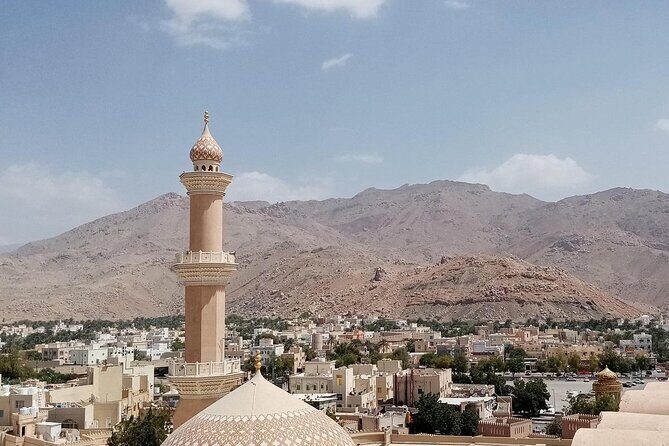
- Nizwa Fort viewpoints over the old town and nearby mountains from inside the museum space
- Nizwa Souq time focused on local crafts like jewelry and pottery, plus food stalls
- Al Hamra old village with a look at how daily life worked in earlier times
- Misfah Al Abryeen falaj system and the marked footpaths that encourage slower exploring
- Guide storytelling from Said that adds context and small tasty stops
Nizwa Fort: the best reason to go early
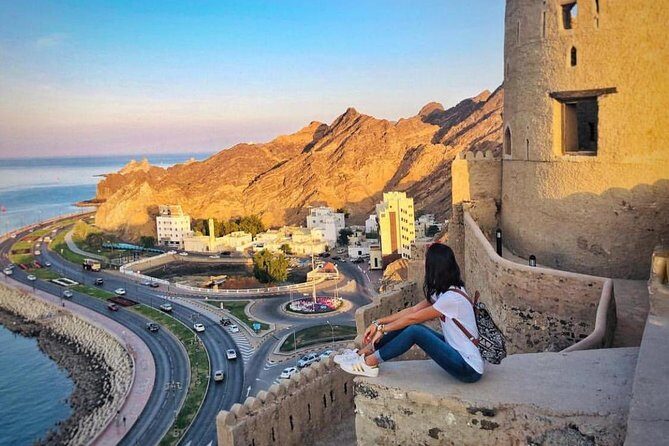
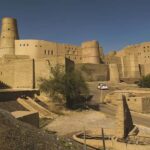
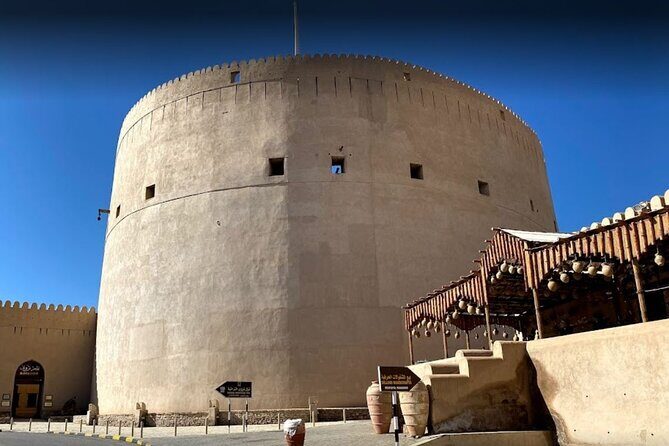
The day starts with the drive out from Muscat around 8:30 AM, heading to Nizwa, the old capital of Oman. The first stop is Nizwa Fort, now used as a museum. Even if you just care about the views, this fort earns its reputation. Walking through the fort spaces, you get wide looks at the ancient town layout below and the mountains stretching nearby. It’s the kind of scenery that makes you understand why fortifications mattered here—geography gave defenders a huge advantage.
The other big reason this stop is worth it is the story inside the fort. The fortress is described as a military base used to withstand some of the hardest attacks and sieges. That framing matters while you walk. Instead of treating the fort as a set of walls for photos, you see how the place likely functioned as a stronghold. You also get a sense of how the surrounding region connected with the fort—Nizwa wasn’t isolated; it was strategic.
Practical note: the fort time is about 2 hours, and admission isn’t included. That’s common on tour days, but it’s worth planning for in your budget. Also, if you’re sensitive to walking or uneven steps, go at a steady pace and use the time wisely for both the exhibits and the viewpoints. This is not a stop where you can skim in ten minutes and feel satisfied.
A few more Muscat tours and experiences worth a look


Nizwa Souq: where the day turns local
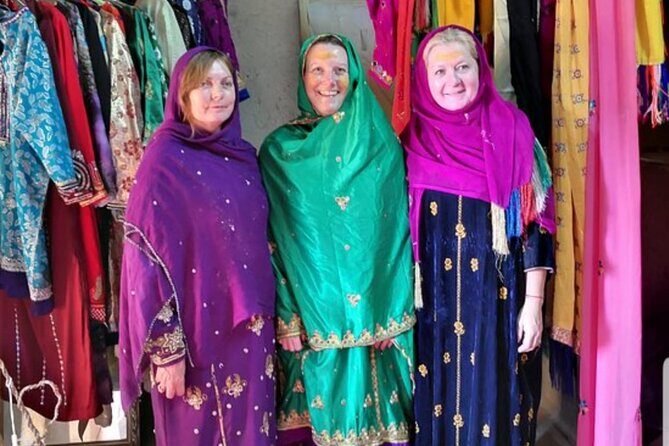
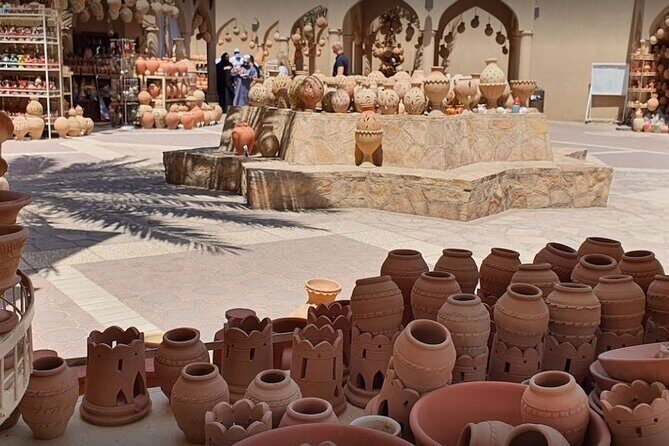
Right next to the fort is Nizwa Souq, one of the best places in the area to shift from monuments to everyday trade. Here, the tour gives you about 2 hours, which is just enough time to browse without feeling rushed—or trapped in a single row of stalls.
The souq focuses on real local categories: jewelry, pottery, fish, and meats. That mix is useful for two reasons. First, it gives you a fuller picture of how Nizwa serves both identity and provisions. Second, it helps you avoid the souq-only-for-tourists trap. You’re not just hunting for souvenirs; you’re seeing what people actually buy and sell.
I like that the souq entry is included in the tour, which simplifies budgeting mid-day. You’ll still want to carry some cash for small purchases, but the experience itself doesn’t cost you an extra entrance fee here. Use your time to compare materials and styles in pottery and jewelry. If you love food markets, pay attention to how fish and meat areas look different from craft zones. That contrast is part of the feel of the souq.
One consideration: souqs can involve crowds and heat at certain times of day. This tour keeps you moving at a good pace, but wear comfortable shoes and plan for some standing. If you’re easily overwhelmed by busy market energy, it helps to set yourself a simple goal: one craft you’d like to understand, and one edible curiosity to sample later.
Al Hamra Old Village: everyday life, not just scenery
After Nizwa, the route continues to Al Hamra, stopping at the old village for about 1 hour. The purpose here is more about atmosphere than checkpoints. You’re meant to experience how locals created daily life in older times—so expect a more human-scale visit than what you’ll get at the fort or the souq.
This stop is free of admission, which is always a bonus on a day tour where entrance fees can add up. During your hour, take your time looking at the overall layout and how the village environment supports daily routines. Since the tour frames this as an older lifestyle experience, don’t rush straight to the first view spot. Walk slowly and let your eyes adjust to small details: how buildings relate to the surrounding setting, and what feels functional versus purely decorative.
Where this stop shines is when your guide connects it to what you already saw. If you’ve just spent time at Nizwa Fort learning about defense and strategy, Al Hamra feels like a different kind of story—survival and routine through community life. That change of pace is one of the strongest parts of the full-day format.
Possible drawback: because the time is only an hour, you won’t get a deep, long-form exploration. If you want long stays for photography or detailed village wandering, you may feel a bit time-limited. Still, as part of a 7 to 8 hour day, the hour works. It keeps energy for the next stop, which is where the walking paths really matter.
Misfah Al Abryeen: the falaj water system makes the whole landscape click
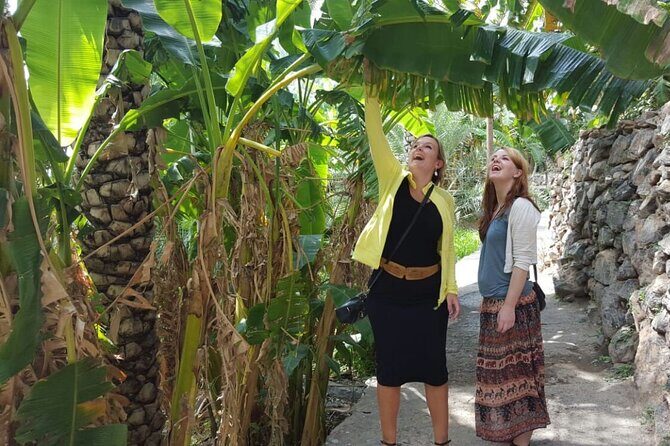
The final major stop is Misfah Al Abryeen, set at the base of Jebel Shams. This is where the tour gets quietly impressive. You’re there to see the falaj water system—a large traditional irrigation channel network that supplies water to vegetation nearby.
Once you’ve seen the falaj concept, the surrounding landscape starts to tell a different story. It’s not just rocks and views. It’s water management—human engineering shaping where life can grow. That’s why this stop feels more meaningful than a typical viewpoint. You’re learning how communities made water work across time.
You get about 3 hours, and the village has numerous marked footpaths. That’s your invitation to slow down. Follow the paths at your own rhythm. If your feet enjoy wandering, you can really make this part of the day your own. If you prefer shorter walks, choose one or two paths and take your time at each perspective point. Either way, don’t treat it like a quick photo stop. The tour’s whole vibe here is to explore.
Also, Misfah Al Abryeen is described as truly pristine, and the timing is set so you can experience it in the late afternoon. That matters because lighting can look softer then, and the air often feels more forgiving after earlier segments of the day. By the time you’re heading back to Muscat, you’ll have that satisfying feeling of having seen both the culture and the systems that support it.
The practical value: what $187 covers on this full-day route
At $187 per person, this tour sits in the mid-to-upper range, but the value is in what’s included versus what you still handle yourself. Here’s what you’re getting: pickup and drop-off anywhere in the Muscat area, an English-speaking Omani tour guide, a 4WD vehicle, and water. Fuel is covered too. That matters in Oman, where distances and road conditions can turn “just a day trip” into a logistical headache.
Entrance fees are a mixed bag. The souq stop is handled as included, and the Al Hamra and Misfah stops are noted as free. The one clear paid site is Nizwa Fort, where admission isn’t included. So your personal cost may depend on that fort ticket.
Lunch isn’t included. That’s worth planning for, because it can change how expensive the day feels at checkout. If you like eating local but don’t want to search during a packed schedule, it helps to decide in advance whether you’ll buy something simple on the way back or bring a light option where appropriate.
The biggest value, though, is the guide-led pacing. Said’s storytelling example from the experience reviews is exactly what you want from a day like this. The guide doesn’t just point; he connects places: fort defenses, village routines, and falaj water logic. When that happens, the day stops feeling like a checklist.



How to enjoy each stop without rushing
The itinerary is designed so you’re not stuck in one place for too long, and you’re not bouncing between far-flung locations back-to-back without breathing space. That’s a good thing. Here’s how I’d approach it so the day feels relaxed rather than frantic:
- At Nizwa Fort, split your time between the museum explanations and the viewpoint moments. Don’t do only one.
- In the souq, pick a category first—jewelry, pottery, or food—and then let curiosity guide the rest.
- In Al Hamra, slow down. That hour is your chance to notice how the village environment supports everyday life.
- At Misfah Al Abryeen, treat the marked footpaths as the main event. The falaj system is what you’re there for, so use the time to follow it visually through the paths.
Another tip: bring a light layer. The day starts early, and temperatures can shift by the time you’re out near Jebel Shams. Also, wear shoes that can handle walking on paths around a village.
Finally, keep your energy for the guide moments. Reviews highlight how Said introduced Omani sweets and the best dates of my life. Those small pauses often happen when you least expect them, so don’t treat the day like you’re only there to collect stamps. The tastings and stories are part of the experience.
Who this tour is best for
This is a great fit if you want a focused day that covers multiple sides of Oman without needing to plan everything yourself. You’ll likely enjoy it if you:
- like forts and history told in a story-first way
- enjoy local markets and want to browse crafts and food
- are curious about traditional water systems and how communities sustain vegetation
- want a guide to connect the dots between stops
It’s also a good choice for people traveling in a group where you want one organized schedule. The tour is private, meaning it’s only your group, not a free-for-all with strangers.
If you’re traveling with very small kids or anyone who struggles with walking, the footpath segment in Misfah may be the deciding factor. The tour includes 4WD transport between stops, but once you’re on foot, your comfort level matters.
Should you book the Nizwa–Al Hamra–Misfah Al Abryeen full day?
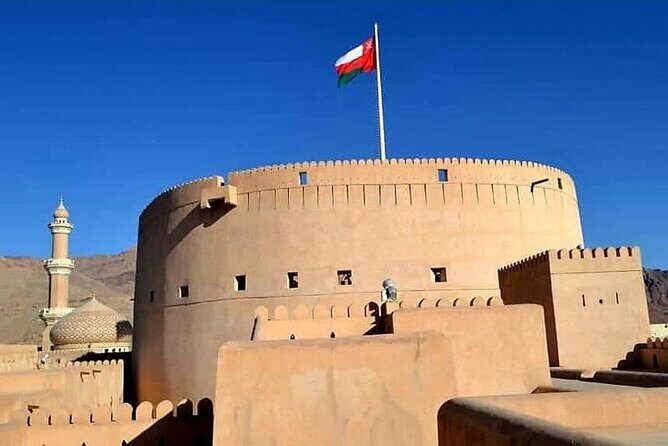
I’d book this tour if you want a day that mixes major sights with meaningful context. The standout reasons are the Nizwa Fort viewpoints, the Nizwa Souq for real local browsing, and Misfah Al Abryeen’s falaj paths, which turn a landscape stop into a lesson you’ll remember.
Skip it only if you’re looking for long leisure time, or if you strongly prefer a schedule with lots of built-in downtime. Also, go with the assumption that you’ll be walking and exploring at multiple stops—this day is made for movement.
If you’re a first-time visitor to Oman and you want a well-shaped route beyond Muscat, this one gives you a strong overview of the region’s culture and how daily life is tied to land and water.
FAQ
What time does the tour start?
It starts at 8:30 AM.
How long is the tour?
The duration is about 7 to 8 hours.
Is pickup available in Muscat?
Yes. Pickup and drop-off are offered anywhere in the Muscat area.
What kind of vehicle is used?
You travel by 4WD vehicle.
Are entrance fees included?
Not fully. Nizwa Fort admission is not included, while Nizwa Souq is included. Al Hamra and Misfah Al Abryeen are listed as free.
Is lunch included?
No. Lunch is not included.
What’s included in the price besides the tour itself?
The tour includes water, an English-speaking Omani guide, transportation, and fuel.
Is this tour private?
Yes. It’s private, meaning only your group participates.
Does the tour require good weather?
Yes. The experience requires good weather. If it’s canceled due to poor weather, you’ll be offered a different date or a full refund.
What cancellation window is available?
You can cancel for a full refund up to 24 hours in advance. If you cancel within 24 hours, the amount you paid is not refunded.