REVIEW · MUSCAT
Muscat City Tour: Discover Oman’s Capital in Half a Day
Book on GetYourGuide →Operated by Land of Treasure Tours · Bookable on GetYourGuide
Muscat clicks into place in half a day. I love the contrast of the Sultan Qaboos Grand Mosque and the Muttrah Souq, with a local guide to translate what you’re seeing into real Omani context. One thing to consider: it moves fast, so you’ll be enjoying a “see, learn, photograph, and go” rhythm rather than lingering.
The upside is how much ground you cover in just 4–5 hours, with air-conditioned driving and hotel pickup options inside Muscat. If you get a guide like Khaled or Muhammad Alshabib, you’ll likely appreciate the pacing and the extra care—like waiting for you at each stop and keeping the plan on track.
Before you go, note the mosque dress rules. You’ll need covered shoulders and knees, and you’ll cover your head inside the mosque (you can rent what you need there).
In This Review
- Quick hits to know before you go
- Muscat in 4–5 hours: what you’ll actually see
- Sultan Qaboos Grand Mosque: the photo stop that becomes design education
- Royal Opera House Muscat and Portuguese forts: modern Muscat from the waterfront
- Muttrah Souq: old market life with enough context to enjoy it
- Al Alam Palace: a ceremonial pause with the right photo time
- Portuguese forts + opera photos: how the pacing keeps you from burnout
- Price and value: what $100 per person buys (and what it doesn’t)
- What to pack and wear so the day goes smoothly
- Meeting point and getting to the sites without stress
- Who should book this half-day Muscat city tour
- Should you book this Muscat City Tour
- FAQ
- How long is the Muscat city tour?
- Where do we meet for the tour?
- Do you pick up from hotels?
- What are the main stops on this half-day itinerary?
- Is the Royal Opera House entrance fee included?
- What should I wear for the mosque visit?
- Are shorts or sleeveless shirts allowed?
- Is bottled water provided?
- What languages is the guide speaking?
- Is there free cancellation?
Quick hits to know before you go
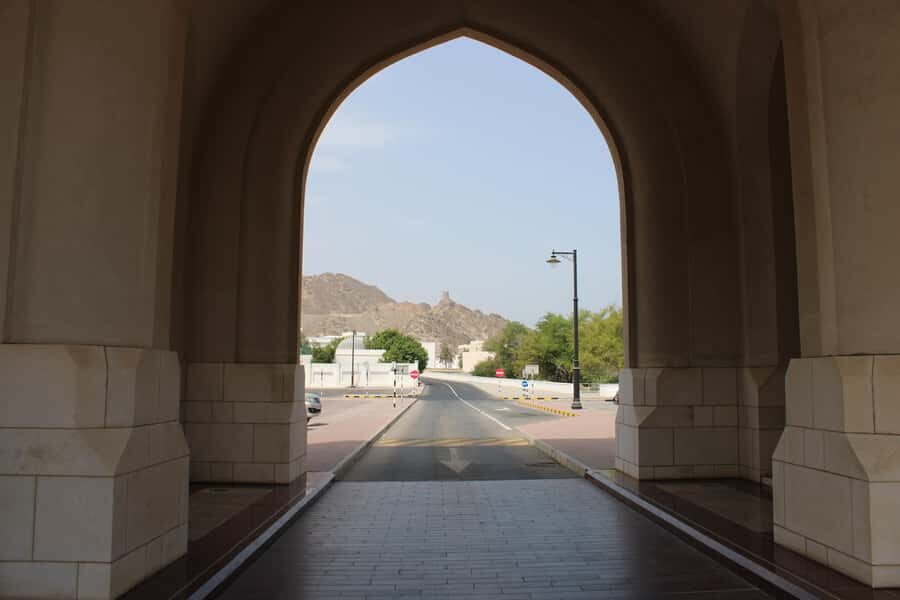
- World-famous mosque design in a short visit, including a guided look and a photo stop
- Opera House + waterfront views, paired with photo opportunities for the 16th-century Portuguese forts
- Muttrah Souq on a guided walk, with context so you know what you’re looking at
- Al Alam Palace ceremonial view, plus time-efficient timing for photos
- Air-conditioned transport and bottled water, so the heat doesn’t eat your day
- Private or small-group options, for a calmer pace than mass tours
Muscat in 4–5 hours: what you’ll actually see
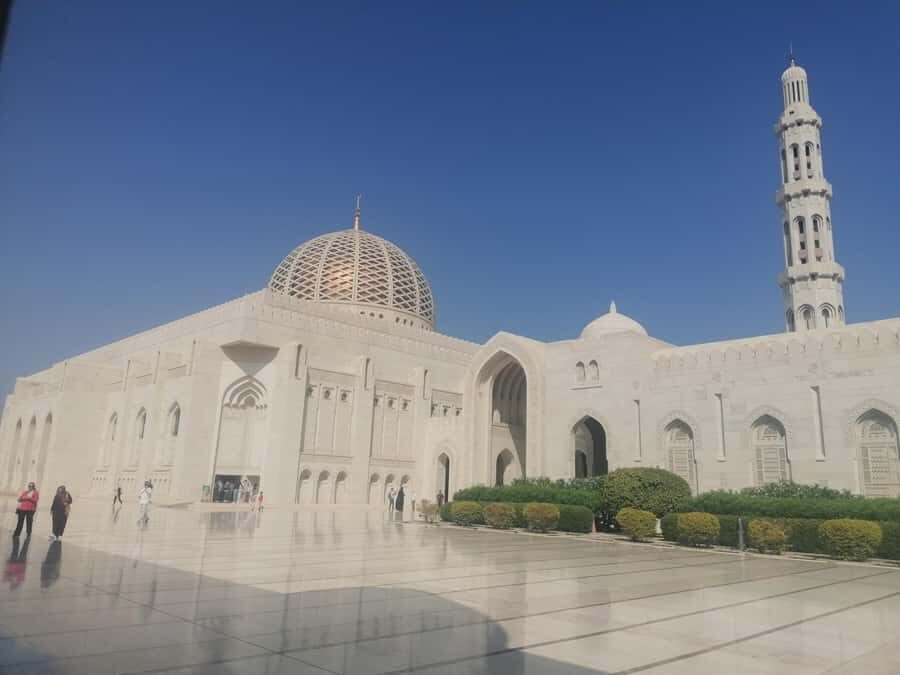
This half-day tour is built for first-time visitors who want the big-name Muscat stops without wasting time. You’ll do four main sightseeing blocks—Sultan Qaboos Grand Mosque, the Royal Opera House, Muttrah Souq, and Al Alam Palace—with short, purposeful photo moments along the way.
The biggest value here is not just the list of sites. It’s the guide’s thread connecting them: how a modern capital still carries older sea-trade patterns, how power and religion show up in architecture, and why Muscat’s waterfront mattered for centuries. The schedule is tight, but that’s the point. You get a high-impact introduction and then you can choose where to return later.
Also, you get real time comfort. You’re in an air-conditioned vehicle, you’re given bottled water during the tour, and you have a local English/Arabic guide. Even if you’re traveling with kids or you’re not trying to cram in long museum hours, the pacing is designed to stay manageable.
You can also read our reviews of more city tours in Muscat


Sultan Qaboos Grand Mosque: the photo stop that becomes design education
Your tour starts with the Sultan Qaboos Grand Mosque, and yes, it’s famous for a reason. From the outside you notice scale and symmetry fast. Up close, the details start to matter: the kind of craftsmanship you can’t fully capture in a single camera shot.
What makes this stop work in half a day is the format: you get a photo stop plus time to visit and then a guided look (about 30 minutes total on-site). That structure matters because you’re not just taking pictures—you’re getting an explanation of what you’re seeing. Think of it as orientation. You leave with a sense of why the mosque looks the way it does, not only that it looks beautiful.
Practical reality check: the dress code is not optional. Shoulders and knees need to be covered, and inside you must cover your head. The good news is that you can rent the required coverings at the mosque. Still, bring comfortable shoes and plan for the possibility of waiting a bit while you get dressed and ready.
If you’re sensitive to crowds or you prefer a quieter visit, go slowly with your photos and let the guide finish the key explanation first. It’s the best way to make this stop feel less like a quick photo drive-by.
Royal Opera House Muscat and Portuguese forts: modern Muscat from the waterfront
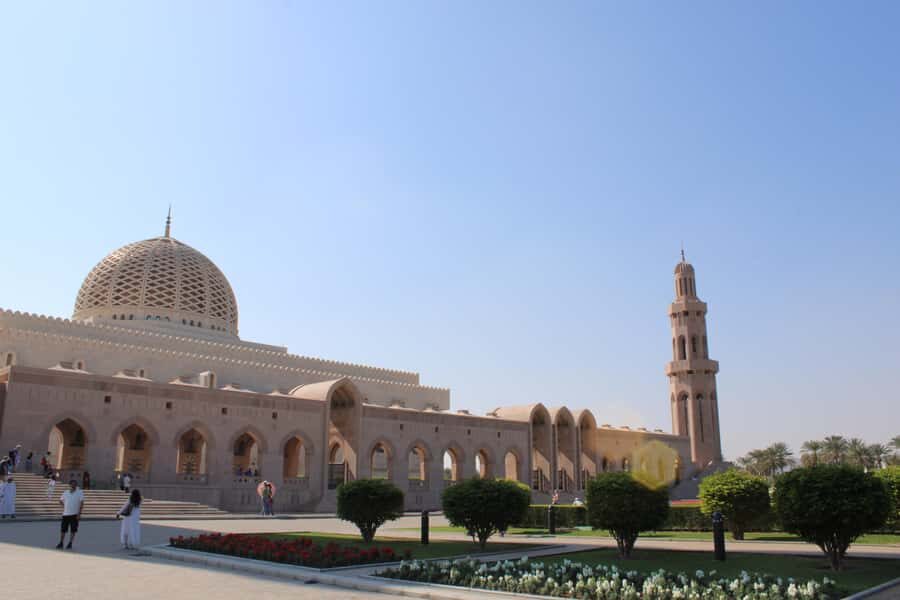
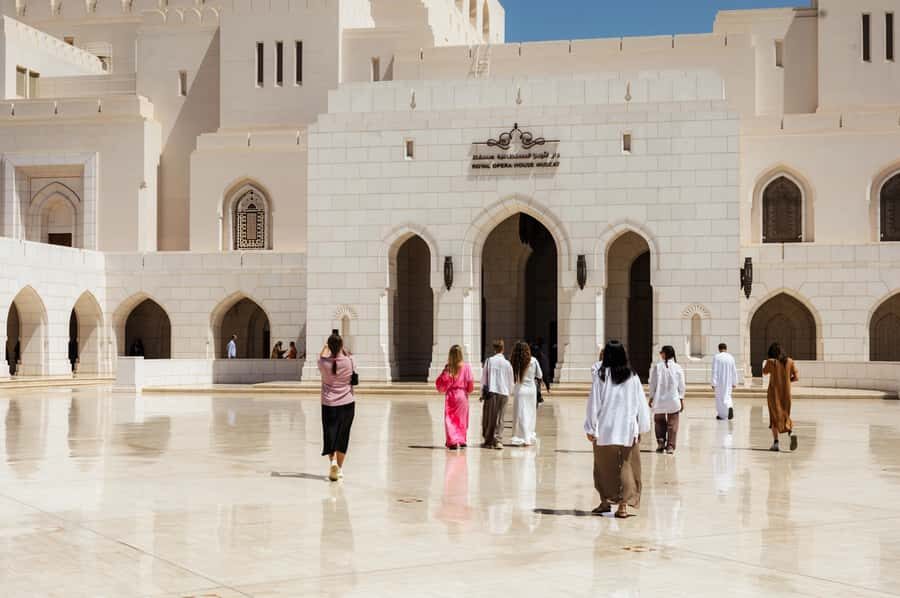
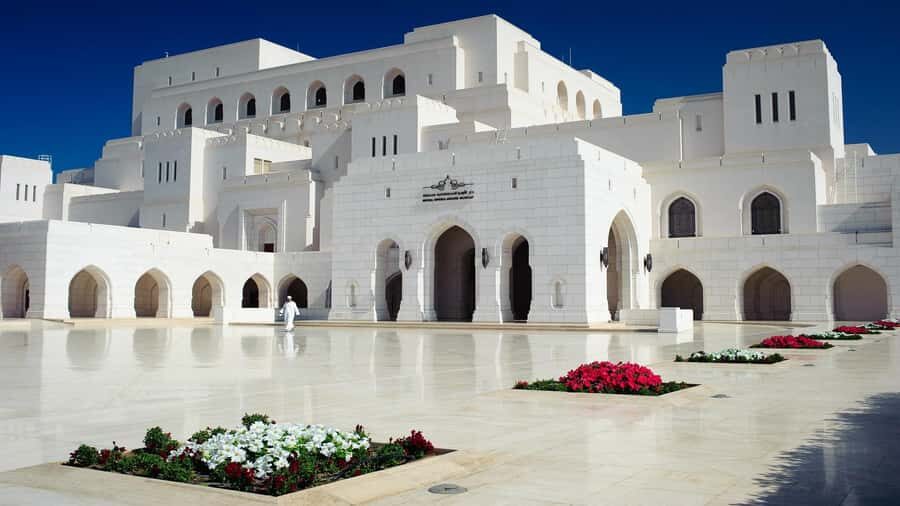
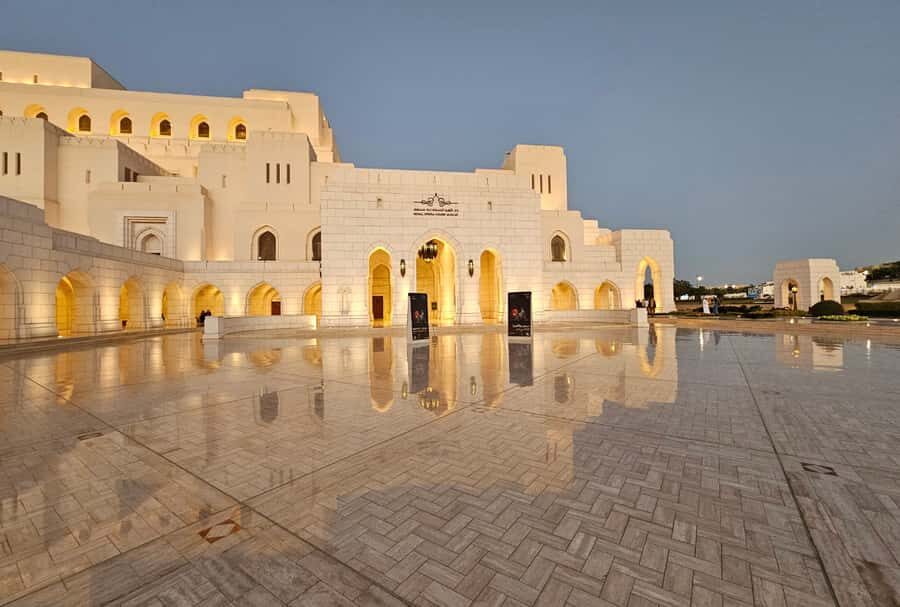
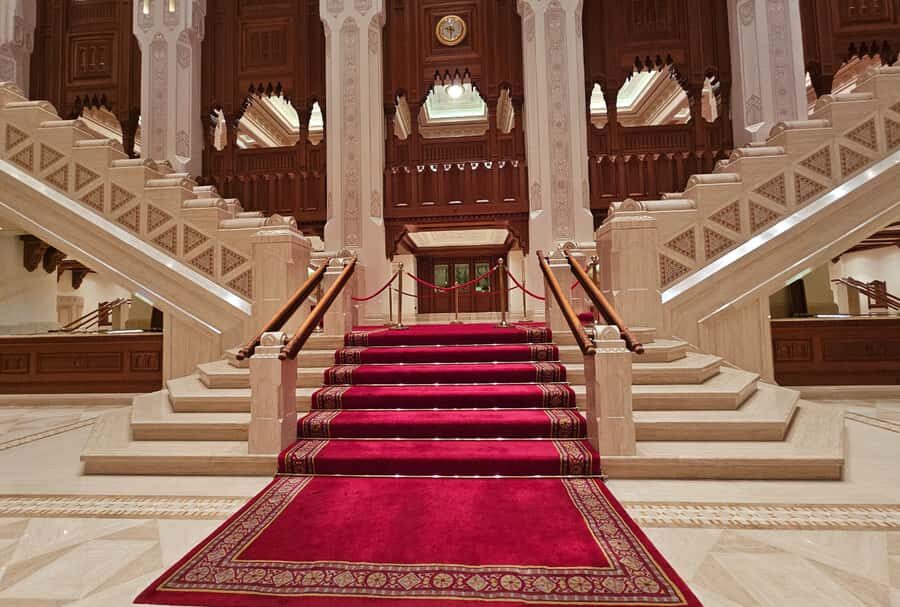
Next comes the Royal Opera House Muscat. Expect a contemporary building that looks like it belongs in a modern city, but still fits Muscat’s character through its design choices. The stop includes a photo opportunity, time to visit, and a guided explanation (again, about 30 minutes).
One of the coolest extras here is the photo setup for the Portuguese forts—Jalali and Almirani. Even if you don’t walk into everything related to them (this is a city tour, not a full fort expedition), getting these views matters. They help you connect the dots between Muscat’s older maritime past and the way the capital presents itself today.
This is also where the timing helps. You’re on the waterfront side of town, so the light can be great for photos, and the guide can explain the strategic logic of why these fortifications were placed where they were. It turns scenery into a story.
Keep your camera ready, but don’t rush. If you try to shoot everything at once, you miss the explanation that makes the area feel meaningful.
Muttrah Souq: old market life with enough context to enjoy it
Muttrah Souq is one of those places that can feel overwhelming if you arrive with zero guidance. On this tour, you still get the energy of an old market—shops, movement, and the sense that commerce has long been part of Muscat’s identity—but you also get help understanding what you’re seeing.
You’ll get a photo stop and a visit with guided time (about 30 minutes). That might sound short, but for a half-day tour it’s a good balance. You can walk, see how the market is laid out, and learn what people buy and trade there—without spending hours getting lost.
One detail I really like: the tour doesn’t treat the souq as a stand-alone photo spot. You also hear about the city’s ancient sea-front promenade and how Muscat’s shoreline shaped daily life. When you understand that connection, the souq feels less random and more like part of a working city system.
What to watch for: the souq can be busy, and the walking is real, even if it’s not long. Wear comfortable shoes and keep water in mind. The tour includes bottled water during the day, but you’ll still want to sip and pace yourself.
If you have specific interests—like Omani crafts, perfumes, spices, or textiles—ask the guide to point out what’s especially typical. You’ll spend less time guessing and more time looking with intention.
Al Alam Palace: a ceremonial pause with the right photo time
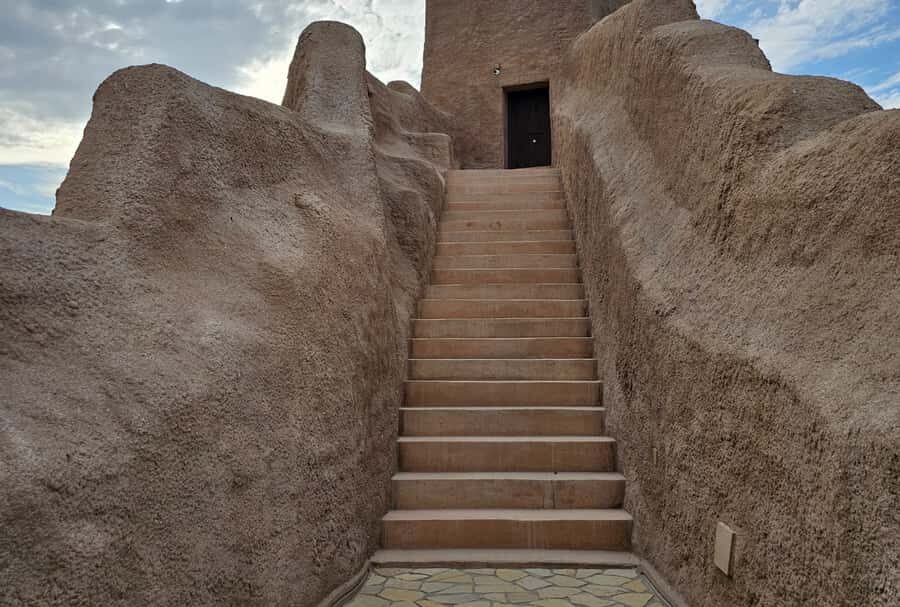
Finally, you’ll reach Al Alam Palace, and this stop is shorter—about 15 minutes with a photo stop. It’s a good reminder that not every highlight is built for long browsing. Some landmarks are about the moment, the view, and the symbolism.
Al Alam Palace is flanked by historic Portuguese forts, which ties the day together in a smart way. Earlier you learned about the forts in the photo setup near the waterfront; here, the palace gives you a more direct sense of the political and ceremonial heart of the city.
Because the time is limited, your best strategy is simple: listen for the guide’s key point first, then shoot photos. If you start photographing immediately, you may miss the explanation that makes the palace feel more than just a recognizable building in the distance.
Also, be ready for a bit of street-level movement. This part of Muscat is active, and your guide will help you manage the stops efficiently.




Portuguese forts + opera photos: how the pacing keeps you from burnout
A half-day tour lives or dies by timing, and this one is designed to keep you from turning sightseeing into punishment. Each main site has a similar structure: a photo stop, a visit, and a guided explanation window. That consistency reduces stress. You know what to expect at each location.
The air-conditioned vehicle also helps a lot in Muscat’s heat. Without AC, you start planning your day around sweat breaks. With AC and bottled water, you can focus on the sights.
One small note: because you’re on the move for most of the day, you’ll want to keep expectations realistic. This isn’t a slow walk with long museum time. It’s a “get your bearings fast” tour—and it’s ideal for first timers who want a solid foundation.
Price and value: what $100 per person buys (and what it doesn’t)
At $100 per person for about 4–5 hours, this tour can feel like a fair deal—especially if you’d otherwise spend time arranging transport and juggling your own route across major parts of the city.
Here’s the value logic:
- You get a local English/Arabic guide to turn architecture and market streets into something you can actually understand.
- You get air-conditioned transport and hotel pickup options within Muscat city limits.
- You get bottled water during the tour.
- You get guided time at the big three: the mosque, opera house, and souq.
The main extra cost to plan for is the entrance fee for the Royal Opera House, which is not included. So if you’re budgeting tight, factor that in when you book. Still, paying that and having a guide orchestrate everything can be cheaper than going it alone once you count time, transport, and confusion cost.
For families, the “suitable for all ages and fitness levels” approach is a big plus, as long as everyone can handle short walks and outdoor photos.
What to pack and wear so the day goes smoothly
Bring comfortable shoes. You’ll be walking on uneven pavement in market areas and moving quickly between stops.
For items: bring your camera, sunscreen, and a way to stay hydrated. Bottled water is included, but sunscreen is still on you. Also bring something lightweight for shade because mosque and souq time can mean long exposure.
Dress rules matter most for the mosque:
- No shorts, no short skirts, no sleeveless shirts.
- Shoulders and knees covered.
- Covered head inside the mosque.
You can rent the needed coverings on site, which is helpful if you forgot to plan ahead.
If you’re tempted to “just make it work” with a risky outfit, don’t. This is one place where the rules are clear, and it can slow the start of your mosque time if you need to fix clothing on the spot.
Meeting point and getting to the sites without stress
The meeting point is the Cruise Terminal. If you’re staying within Muscat city limits, pickup is optional, and the driver will pick you up about 20 to 30 minutes before the tour starts.
Drop-off is listed at Sultan Qaboos Port and Muscat. That matters if you’re coordinating with another plan later in the day. If you’re on a tight cruise schedule, confirm what drop point works best for your timing.
The tour is offered in English and Arabic, and it runs with private or small-group availability. If you prefer more space for questions—especially at the mosque and souq—choose private or small group.
Who should book this half-day Muscat city tour
I think this tour is a strong match if you:
- Want the key Muscat sights without building a route yourself
- Are visiting for the first time and want a quick city orientation
- Prefer guided explanations over wandering with guesswork
- Like a mix of modern landmarks and older market streets
- Need something that fits into a cruise day or a short stopover
It’s also smart for travelers who don’t want a full-day commitment but still want meaningful context. The mosque + opera + souq + palace combination gives you a broad picture of Muscat’s identity in one shot.
If you’re the type who loves to linger, shop for hours, or study architecture for a long time, you’ll still enjoy the highlights—but you might want to plan return visits afterward.
Should you book this Muscat City Tour
If you’re time-limited, I’d book it. This is one of those half-day formats that gets you oriented fast: the mosque for scale and design, the opera area for modern city signals and fort views, the souq for old trading life, and Al Alam Palace for ceremonial Muscat.
Just go in with the right mindset. It’s a smart overview, not a slow, deep exploration of each site. If you want more than a taste, treat this as step one—then pick your favorites for a second visit.
FAQ
How long is the Muscat city tour?
The tour runs about 4–5 hours.
Where do we meet for the tour?
The meeting point is the Cruise Terminal.
Do you pick up from hotels?
Pickup is optional, and it’s available within Muscat city limits, typically 20 to 30 minutes before the tour starts.
What are the main stops on this half-day itinerary?
You’ll visit the Sultan Qaboos Grand Mosque, the Royal Opera House, Muttrah Souq, and Al Alam Palace, with photo stops at the Portuguese forts (Jalali and Almirani).
Is the Royal Opera House entrance fee included?
No. The entrance fee for the Royal Opera House is not included.
What should I wear for the mosque visit?
You’ll need modest dress with shoulders and knees covered. Inside the mosque, your head must be covered, and you can rent coverings there.
Are shorts or sleeveless shirts allowed?
No. Shorts, short skirts, and sleeveless shirts are not allowed.
Is bottled water provided?
Yes, bottled water is included during the tour.
What languages is the guide speaking?
The live guide speaks English and Arabic.
Is there free cancellation?
Yes, you can cancel up to 24 hours in advance for a full refund.