REVIEW · MUSCAT
From Muscat: Nizwa Day Trip with Grand Canyon
Book on GetYourGuide →Operated by Horizon Travel and Tourism · Bookable on GetYourGuide
One canyon day can change your whole Oman view. The Nizwa-to-Grand Canyon of Oman trip strings together Nizwa Souq culture, old forts, mountain villages, and a serious viewpoint at Jebel Shams—all in one long, well-paced day. You’ll be guided through the story behind what you see, not just driven past it.
I love two things most: first, the guided time in Nizwa Souq and Nizwa Fort, where the history and local details make the stops feel meaningful. Second, the payoff at the end—Wadi Ghul terraced farming and the panoramas from Jebel Shams—because it’s the kind of view you remember long after you’re back in Muscat. The main consideration is simple: it’s an 8-hour day, so you’ll move efficiently, and some village moments are more about the experience than lingering for hours.
In This Review
- Key things that make this day trip worth your time
- From Muscat to the mountains: the rhythm of the day
- The $183 value: what you’re really paying for
- Nizwa Souq: antiques, silver, and how to shop smarter
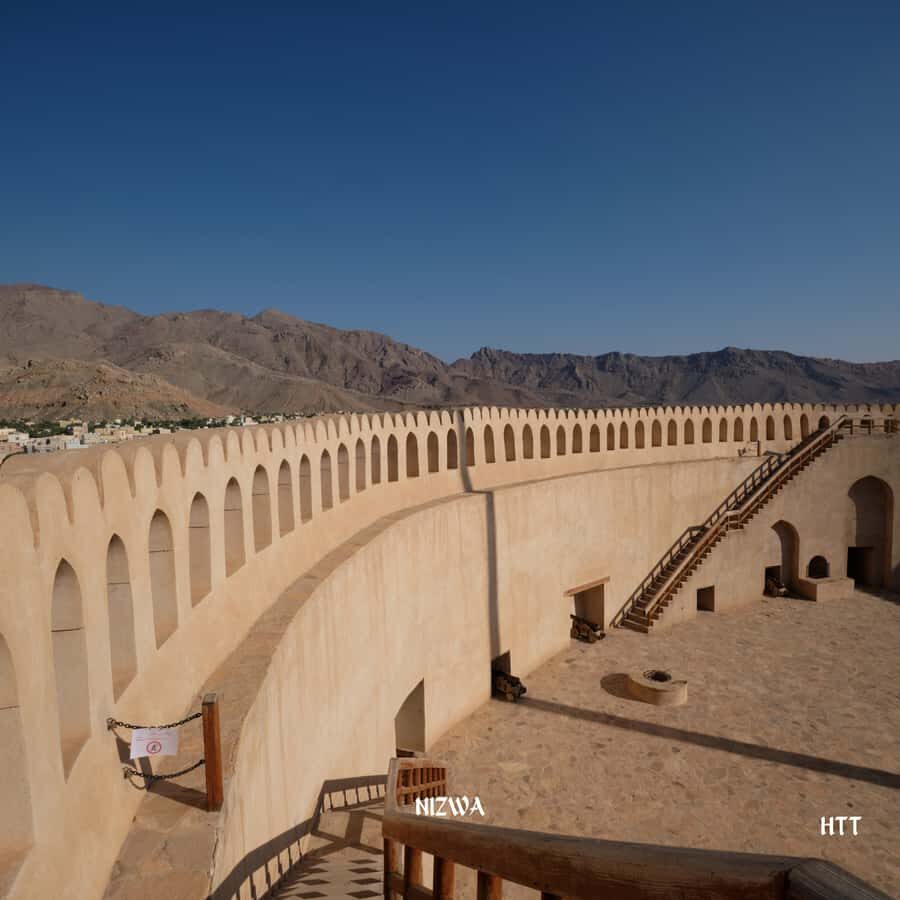
- Nizwa Round Tower Fort: history you can walk through
- Misfah al Abriyyin: ancient stone homes and a slower pace
- Al Hamra and Wadi Nakhr: small stops that set up the big views
- Wadi Ghul terracing: where the canyon starts to make sense
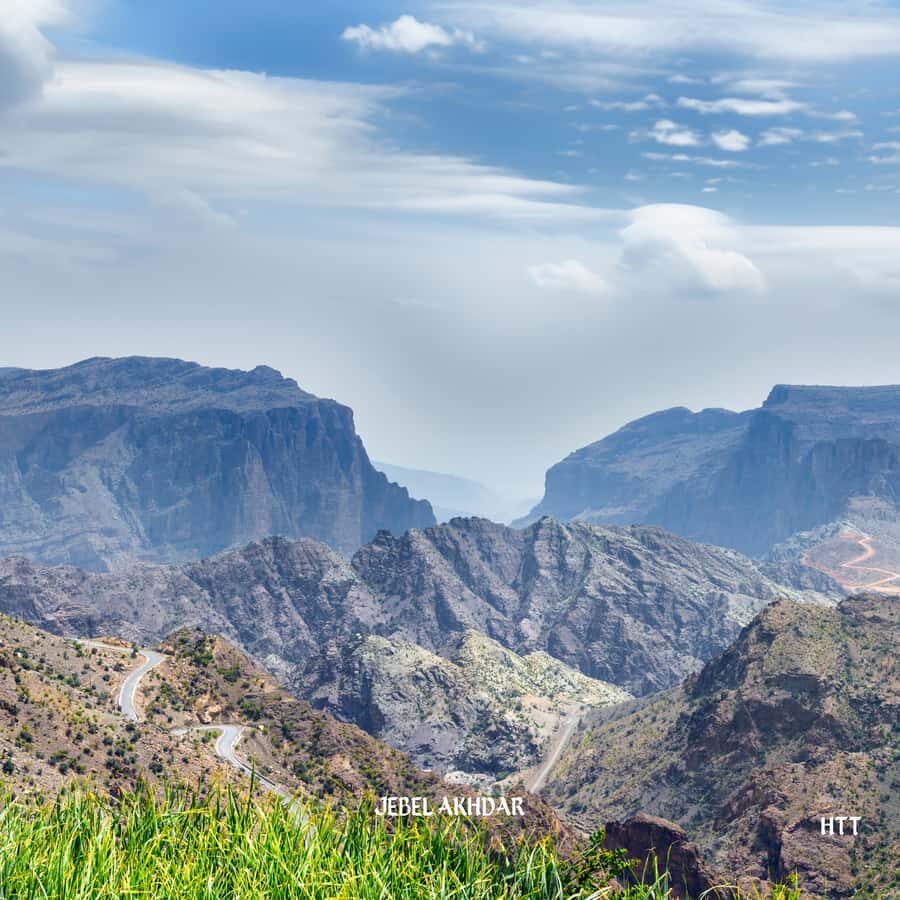
- Jebel Shams: the highest peak stop and the panorama payoff
- Private guide energy: what you’ll gain besides facts
- Comfort and planning tips that make the day easier
- Who should book this tour (and who should skip it)
- Should you book the Nizwa Day Trip with Grand Canyon?
- FAQ
- How long is the trip?
- What stops are included during the day?
- Is pickup included from Muscat?
- What is included in the price?
- Are entrance tickets included?
- Are meals included?
- What languages are available for the guide?
- Can I cancel?
- Is the tour wheelchair accessible?
Key things that make this day trip worth your time
- Nizwa Souq + Round Tower Fort with real context, not just quick photos
- Misfah al Abriyyin walking through ancient stone homes
- Wadi Ghul terracing views that help you understand how people live with the terrain
- Al Hamra and Wadi Nakhr views for old-style villages and scenic stops along the way
- Jebel Shams viewpoint time long enough to take it all in
From Muscat to the mountains: the rhythm of the day
This is a classic Oman “one-day hit list,” but it’s done in a smart order. You start from Muscat and head inland, and the schedule gradually shifts from city culture to mountain life. That matters because it keeps the day from feeling like a checklist—you get a sense of how Oman changes as elevation increases.
You ride in an air-conditioned vehicle for the sightseeing parts, and the tour is private. That usually means less waiting around than a big group bus, and more flexibility when you have questions. You also get bottled water, which sounds minor until you’re out at the viewpoints and the sun is doing its thing.
The day is guided end-to-end where it’s listed in the itinerary, with specific stop times for the souq and the fort, plus dedicated time for places like Misfah and Jebel Shams. Expect lots of “get your bearings fast, then look up and take it in.”
A few more Muscat tours and experiences worth a look
The $183 value: what you’re really paying for
At $183 per person for an 8-hour tour, this isn’t the cheapest option—but it’s also not trying to be. The value comes from the mix of paid access-style stops (like guided time at major sights), transport from Muscat, and a licensed guide who carries the cultural context.
Here’s what’s included: a licensed tour guide, an air-conditioned sightseeing vehicle, guided sightseeing as mentioned in the itinerary, and bottled drinking water. Entrance tickets and meals are not included, so you’ll want to plan for that cost on your own.
For me, the key question isn’t only the total price—it’s whether the day feels efficient and informative. With a private guided format and multiple “anchor stops” (Nizwa Souq, Nizwa Fort, Misfah, Jebel Shams), you’re paying to make the drive worth it, not just to travel.
Nizwa Souq: antiques, silver, and how to shop smarter
Nizwa Souq is where the day starts to feel real. It’s known for antiques and silver treasures, and your guide gives you the kind of practical context that helps you shop with confidence instead of guessing. You’ll have about 30 minutes for the guided visit—enough time to get your bearings, see what’s offered, and understand what to look for.
A good trick: go with curiosity, not a fixed shopping list. In places like this, the interesting items are often the ones you didn’t know you wanted. If you see silver work or small antiques that catch your eye, ask questions about materials or traditions. Your guide can help you avoid misreading what you’re looking at and keep the experience enjoyable, not stressful.
The main drawback here is time. Thirty minutes sounds short because it is. Use that time to focus on quality and craftsmanship rather than trying to browse every stall.
Nizwa Round Tower Fort: history you can walk through
Next comes Nizwa Fort, including a guided visit of about 30 minutes. This stop works because it’s visual. You can see the form, imagine how it functioned, and connect it to what your guide explains.
What makes fort visits valuable in Oman is that the structures weren’t built as museum pieces—they were built as practical defenses and symbols of power. With guided time, you’re not just standing around walls. You’re learning why Nizwa mattered and what the fort would have meant in its original setting.
In a day trip like this, you don’t need an all-day archaeology seminar. You need the basics fast, and 30 minutes can be perfect—especially if you’ll spend longer later at the viewpoints.
Misfah al Abriyyin: ancient stone homes and a slower pace
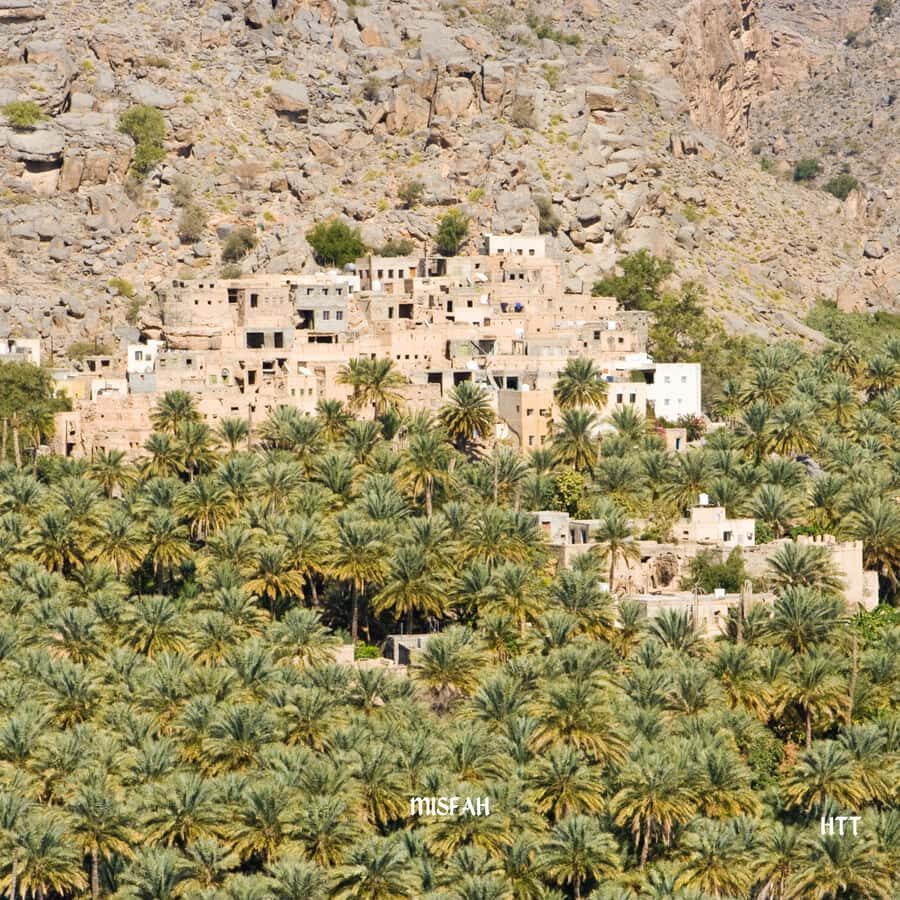
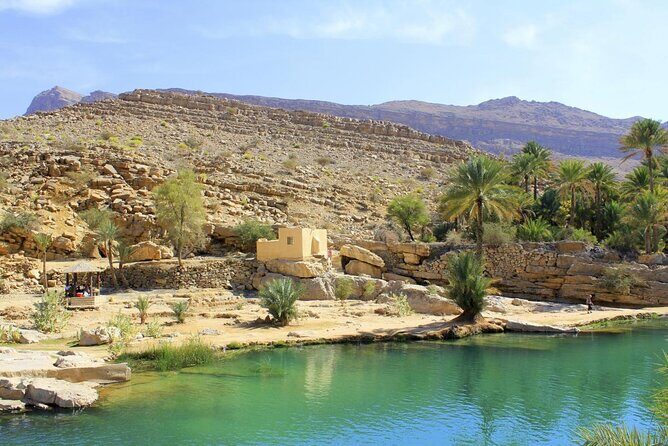
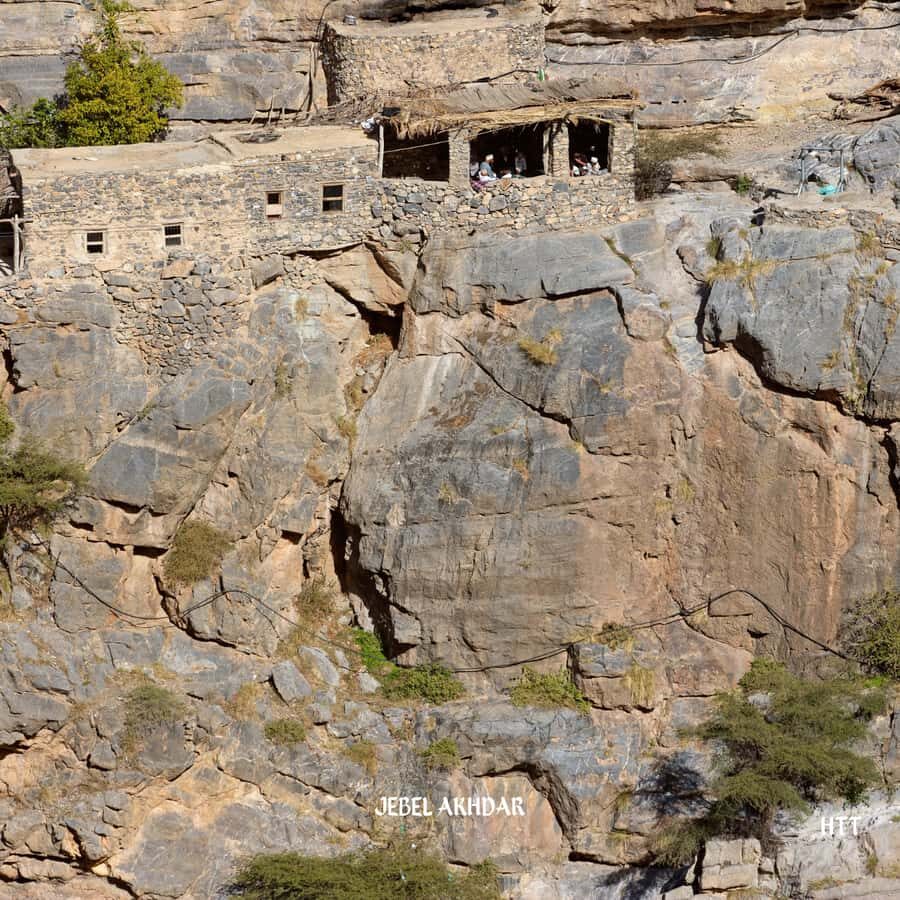
After Nizwa, the vibe changes. Misfah al Abriyyin gives you a mountain village feel with ancient stone homes, and you’ll have about 45 minutes to visit and walk. This is the part of the day where you can slow down just enough to notice details: how the homes sit in the terrain, how the village layout follows the geography, and why stone works here.
Comfort tip: bring sturdy walking shoes. Even when the walking time isn’t long, the ground in mountain villages isn’t always flat or predictable. Light, comfortable clothing also helps because you’ll likely move between sun and shaded areas.
Misfah is also a great place to ask questions. If your guide is like Abdul/Abdullah and brings humor along with the story, this is where it really helps. You’ll understand not just what you see, but why people built the way they did.

Al Hamra and Wadi Nakhr: small stops that set up the big views
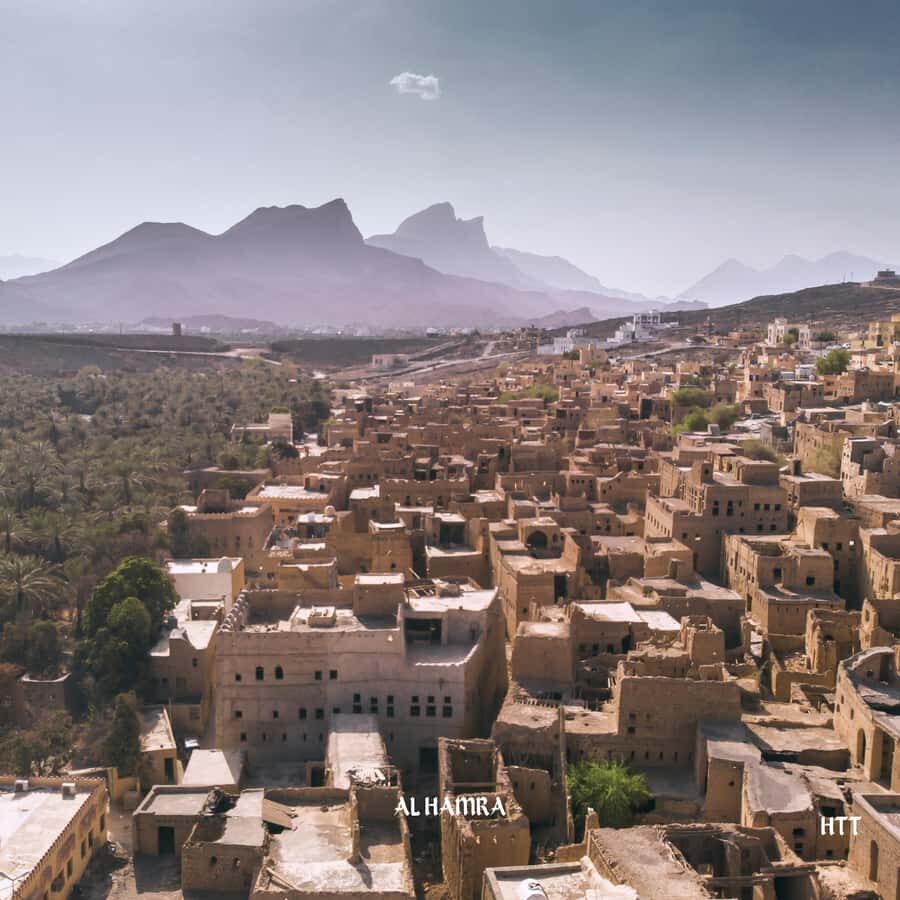
On the way deeper into the canyon area, you’ll encounter more “how Oman lives” moments. Al Hamra is known for traditional clay dwellings, and Wadi Nakhr is listed for scenic views along the route.
These aren’t the longest stops on the day, but they’re useful. Al Hamra gives you a contrast to the stone homes at Misfah. Wadi Nakhr gives you a visual warm-up—like a preview screen before the main canyon viewpoints.
If you’re the type of person who wants one perfect photo, you might feel tempted to speed past these. Don’t. Use these moments to reset your expectations: later you’ll be higher up and farther out, but earlier you’ll be close enough to see the human relationship with the land.
Wadi Ghul terracing: where the canyon starts to make sense
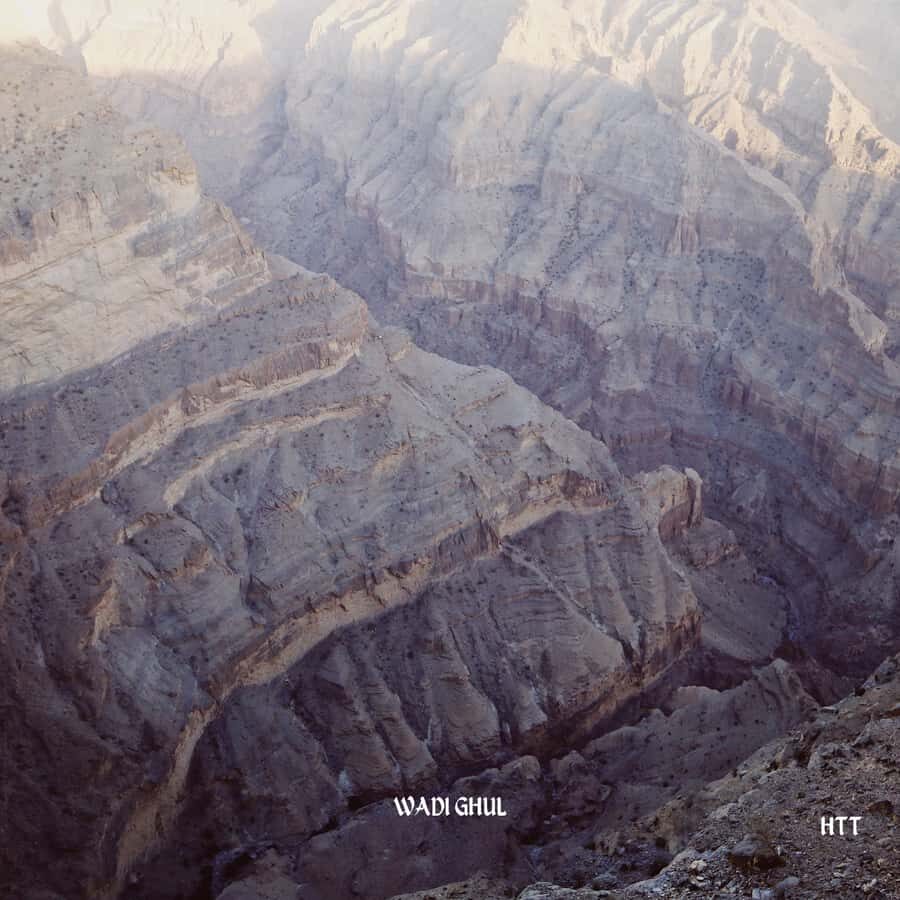
The Grand Canyon of Oman theme really comes into focus with Wadi Ghul. This is where the terraced farming becomes more than a pretty pattern—it shows you how people adapt to steep terrain and limited space.
When you understand terracing, you understand why the canyon looks the way it does. It’s not random. It’s work and planning shaped by the slopes. Seeing the terraces makes the area feel lived-in, not just scenic.
How to enjoy it: look for the structure first (the steps and lines), then zoom out for the broader canyon shape. If your eyes only do one thing at a time, you’ll miss the “two-layer” effect: farming in the foreground and canyon scale behind it.
Jebel Shams: the highest peak stop and the panorama payoff
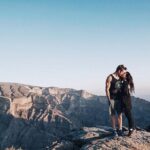
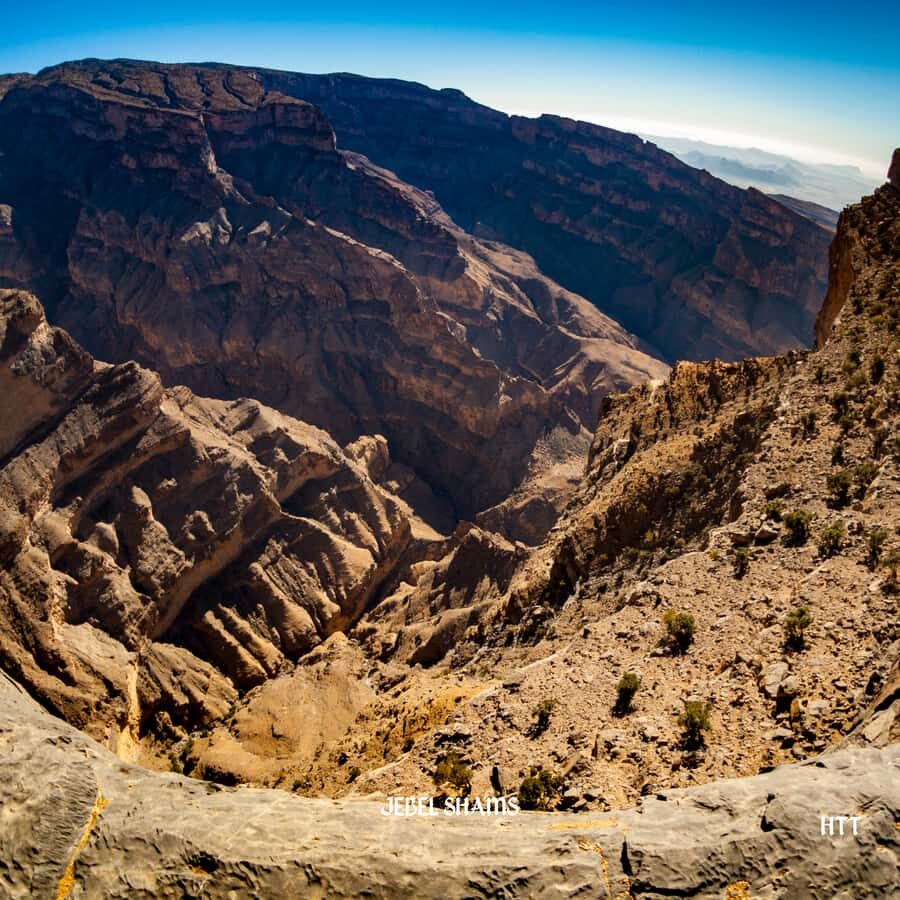
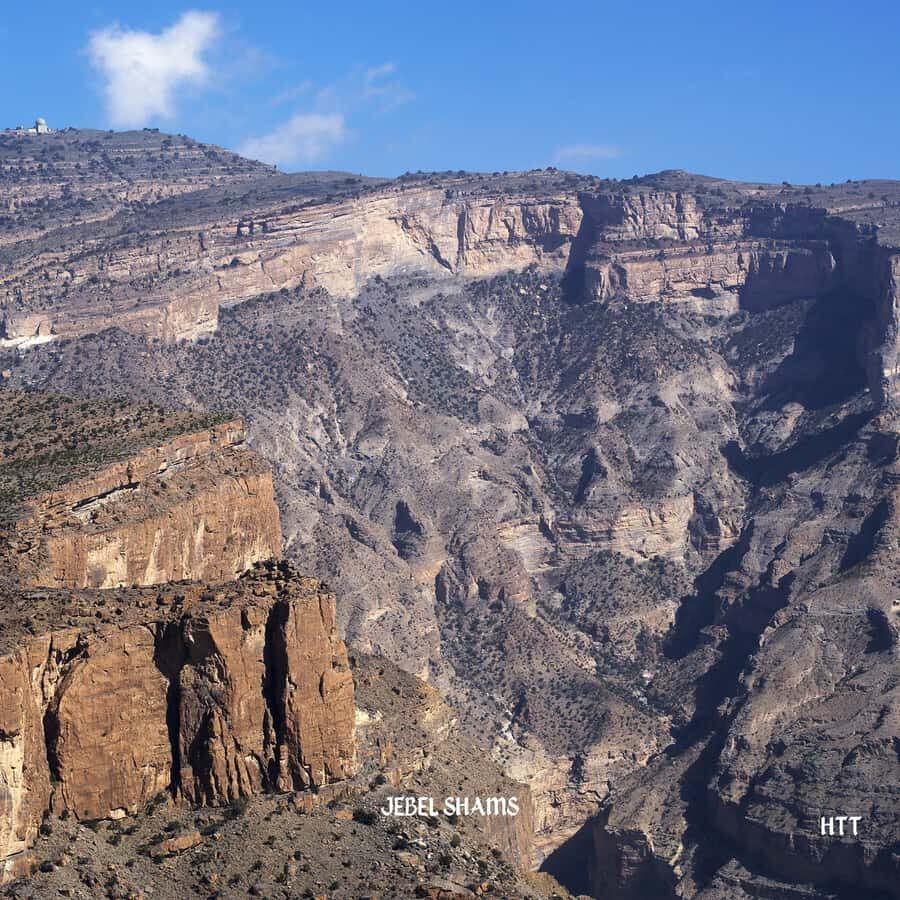
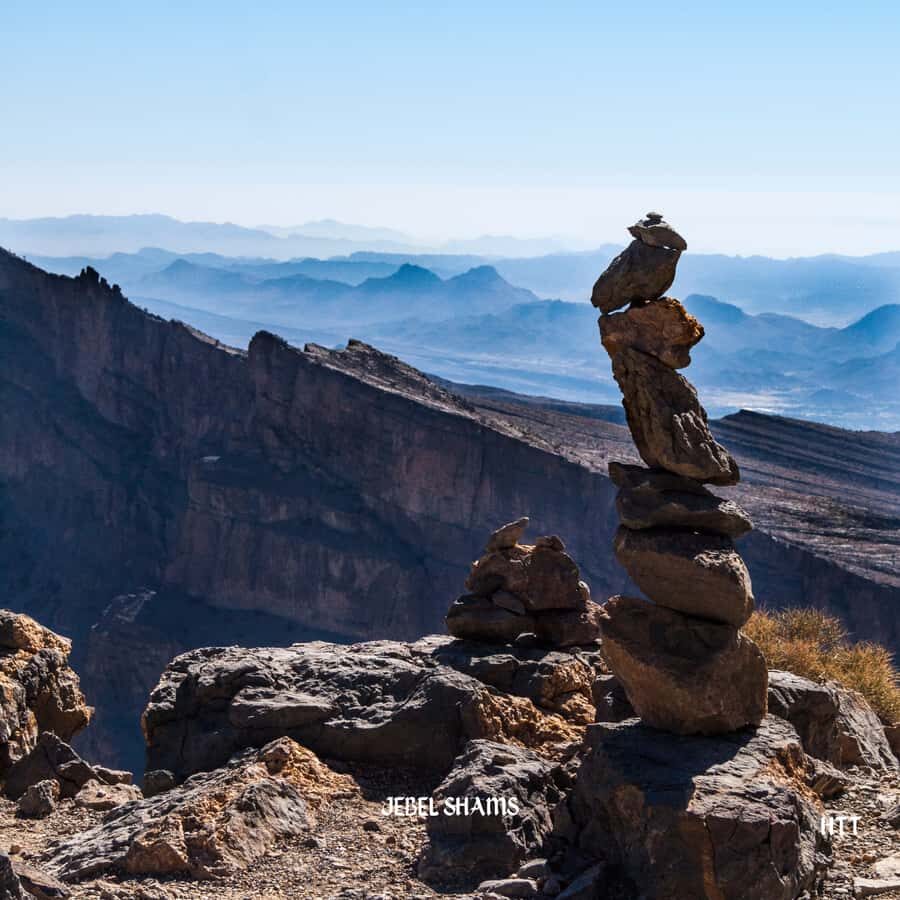
The day’s big finish is Jebel Shams, Oman’s highest peak, with about 1 hour on site. This is where you go for panoramic views, and this stop tends to land for two reasons.
First, the elevation changes the way you read the region. From up here, the canyon shape is easier to grasp, and you can see why people describe this as Oman’s Grand Canyon experience. Second, you get enough time to do what view stops really require: pause, scan, and take in the layers.
If you have limited stamina, this is your cue to pace yourself. Use the hour to find a good spot, take your main photos early, then enjoy the view without constantly checking your camera settings.
And yes—sun and wind can change fast at higher points. Keep your layers simple but ready. Light clothing is fine, but be smart about footwear and protection for your face.
Private guide energy: what you’ll gain besides facts
One thing that stands out about this tour style is how much the guide matters to the flow. People highlight guides like Abdul and Amid/Abdullah, and the recurring theme is that the guide shares history and culture while staying upbeat and ready to answer questions.
That might sound like “nice personality,” but it’s actually practical. When you can ask why something was built the way it was—or what a village tradition meant—you stop seeing stops as unrelated snapshots. Your day connects into a story.
If you care about Oman beyond the big scenic posters, this is the kind of tour where you’ll feel your understanding improve without it turning into a lecture.
Comfort and planning tips that make the day easier
This is a mountain-and-canyon day, so plan like it. A few practical moves will keep you comfortable and help the viewpoints feel enjoyable instead of rushed.
- Wear sturdy walking shoes for village paths and uneven ground.
- Keep light, comfortable clothing for warmth during the day, and expect cooler air at elevation.
- Bring a hat and sunglasses if you’re sensitive to glare—Jebel Shams-type viewpoints can be bright.
- Don’t plan a heavy lunch around the tour time. Meals aren’t included, so decide ahead of time whether you’ll eat before you go or after you return to Muscat.
Because entrance tickets aren’t included, it’s also smart to budget for any site fees you might need once you’re there. Your guide can help you understand what’s required during the day, but the cost won’t be automatically bundled.
Who should book this tour (and who should skip it)
This day trip is a great fit if you want a guided introduction to inland Oman without stretching your schedule into multiple nights. It suits couples, friends, and solo travelers who like structure and want to see the big highlights—Nizwa Souq, Nizwa Fort, Misfah, Wadi Ghul, and Jebel Shams—without getting stuck planning routes.
You might skip it if:
- You hate long driving days and prefer slow travel with lots of free time at fewer stops.
- You want a deep, hour-by-hour exploration of one single site. This tour is efficient by design.
- You’re traveling with high expectations of meals being included. Food isn’t part of the package.
Should you book the Nizwa Day Trip with Grand Canyon?
If your goal is to get real Oman character in one day—market culture, historic fort views, mountain villages, terraced farming, and big panoramas—then yes, this is a solid choice. The price makes sense when you factor in transport from Muscat, a licensed guide, air-conditioned comfort, and the guided time at key stops.
Book it if you’re the kind of traveler who likes to learn as you go and wants your day to feel guided but not exhausting. Just come prepared for an 8-hour schedule, wear proper shoes, and plan for entrances and meals on your own.
FAQ
How long is the trip?
It runs for about 8 hours.
What stops are included during the day?
You’ll visit Nizwa Souq and Nizwa Fort, then see Misfah al Abriyyin, Al Hamra, Wadi Ghul (terraced farming views), and Jebel Shams (panoramic views). You’ll also have scenic viewing along the way at Wadi Nakhr.
Is pickup included from Muscat?
Yes. Pickup is included from any hotel in the Muscat area.
What is included in the price?
A licensed tour guide, an air-conditioned vehicle for sightseeing, guided sightseeing as mentioned in the itinerary, and bottled drinking water.
Are entrance tickets included?
No. Entrance tickets are not included.
Are meals included?
No. Meals are not included.
What languages are available for the guide?
The live tour guide is available in English, Italian, Spanish, French, and German.
Can I cancel?
Yes. Free cancellation is available up to 24 hours in advance for a full refund.
Is the tour wheelchair accessible?
Yes, it’s listed as wheelchair accessible.