REVIEW · TAQAH
Salalah: Wadi Darbat, Jabal Samhan, Baobab, Mirbat Sand Dune
Book on GetYourGuide →Operated by Beautiful Salalah Tours · Bookable on GetYourGuide
East Salalah is four worlds in one drive. This tour strings together Wadi Darbat waterfalls and boat time, then finishes with the 4,000-foot drop at Jabal Samhan. I especially like the mix of nature and real Dhofari history, and I love that the guide works the day around photo stops. The main catch: the waterfalls and thick greenery are seasonal, so in drier months you may see less water than you hoped.
What makes it work is the pacing. You bounce between coast, valley, mountain viewpoints, and sand in one day, in an SUV/jeep with a guide who explains what you’re actually looking at. It’s not just driving and snapping pics. Still, there’s some walking and uneven ground, so it’s not a fit if you need mobility-friendly routes.
You’ll also want to plan your expectations for optional add-ons. Entry tickets for sites like Taqa Castle and Burj Al Askar aren’t included, and boating/kayaking at Wadi Darbat depends on what you choose.
In This Review
- Key Things That Make This East Salalah Trip Worth It
- East Salalah by Jeep: the day’s rhythm and what to plan for
- Taqa fishing village and cliff-top heritage: the easiest first win
- Wadi Darbat waterfalls and canal time: nature that can change with the season
- The Birds Well stop: Tawi Attair sinkhole in plain view
- Jabal Samhan at 4,000 feet: standing above the clouds
- Baobab trees of Wadi Hinna and Gravity Hill: two weird-and-fun “wait, what” moments
- Mirbat sand dunes: golden sand against mountain and sea
- Price and value: how this $76 tour stacks up with optional costs
- The guides: why the day often feels smooth
- What to bring and how to dress for Dhofar modesty
- Who this tour suits best (and who should skip it)
- Should you book this East Salalah tour?
- FAQ
- How long is the tour?
- What is included in the price?
- Is lunch included?
- Are entrance tickets included for historic sites?
- Is boating or kayaking at Wadi Darbat included?
- Where does pickup happen?
- What language is the tour guide available in?
- What should I wear?
- What should I bring?
- Is the tour suitable for everyone?
Key Things That Make This East Salalah Trip Worth It
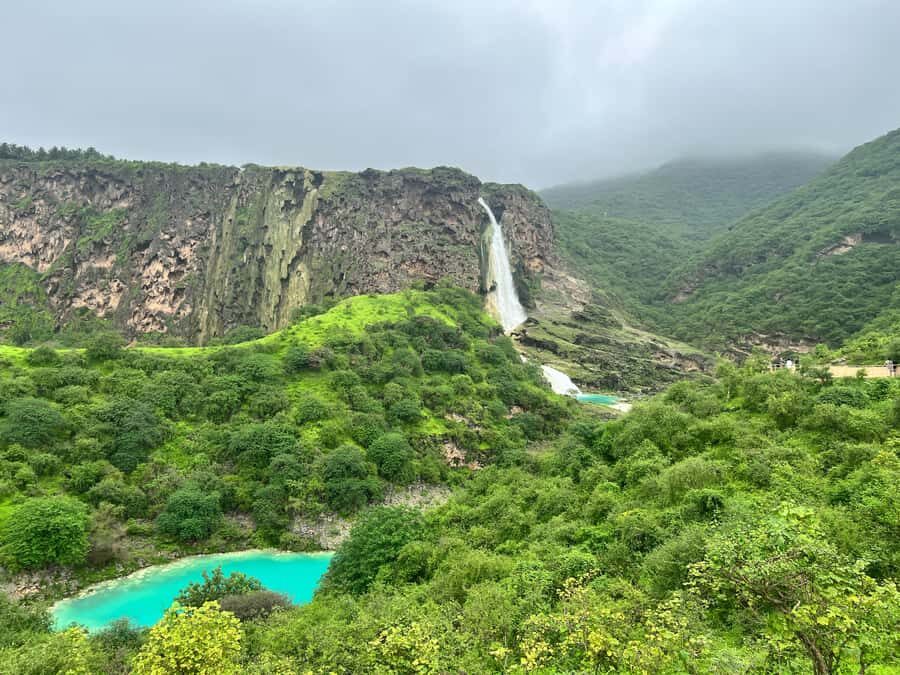
- Wadi Darbat + possible boat time: seasonal waterfall drama, plus canal riding where camels may join in the fun.
- Jabal Samhan cloud cliffs: the big wow factor, with serious drop-offs and top-tier photo angles.
- Taqa’s cliff-top heritage stops: fishing-village views and a castle/fort area where you can enjoy the scenery even without entering.
- Tawi Attair sinkhole stop: the Birds Well moment, made for photos and quick curiosity.
- Wadi Hinna baobab trees: rare trees you’ll be glad you didn’t skip.
- Mirbat sand dunes at the end: golden-sand contrast against mountains and coastline.
East Salalah by Jeep: the day’s rhythm and what to plan for
This is a guided full-day or half-day outing focused on the eastern side of Salalah (Dhofar). The route is built around variety: a traditional coastal town, a valley with seasonal waterfalls, a dramatic mountain viewpoint, rare trees, a sinkhole, and then sand dunes by Mirbat. If you like your sightseeing to feel like a story—place, pause, explanation, photo, next stop—this format tends to click fast.
Most days start with a hotel pickup in Salalah (and Hawana Salalah), and you ride in a jeep/SUV. Expect short scenic drives between stops rather than long stretches with nothing to look at. One practical note: eat breakfast first. Lunch isn’t really set up as a “sit-down feast,” and there may not be a great restaurant option during the middle of the route.
The other thing to plan is season. In Khareef season, Wadi Darbat’s waterfalls and the greener valley feel like a reward. Outside that window, you’ll still get the scenery and the experience, but the water might be reduced. That doesn’t make the day pointless—it just changes the vibe from lush-and-wet to dry-and-wild.
Taqa fishing village and cliff-top heritage: the easiest first win
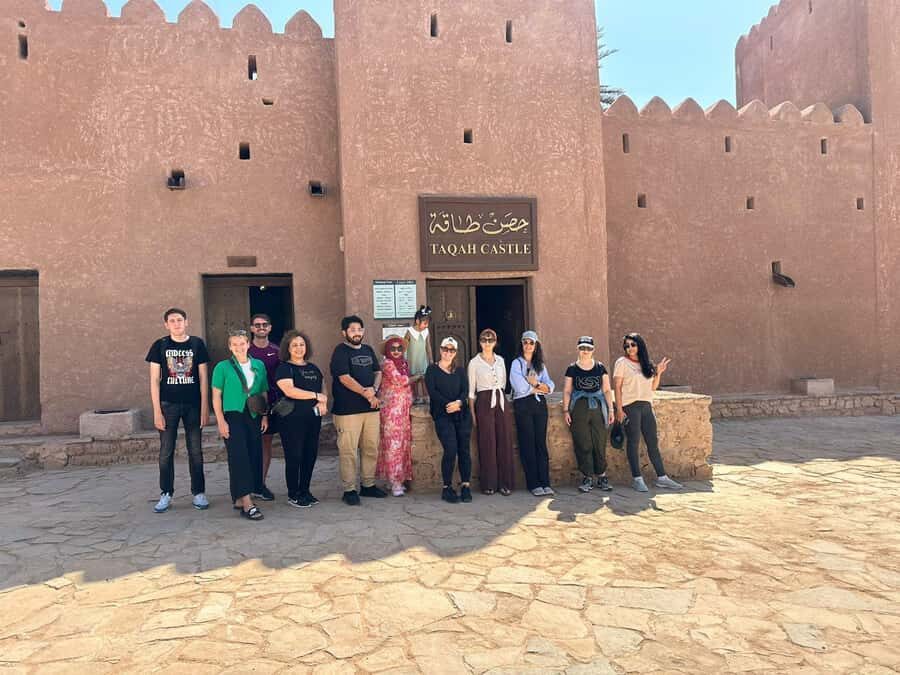
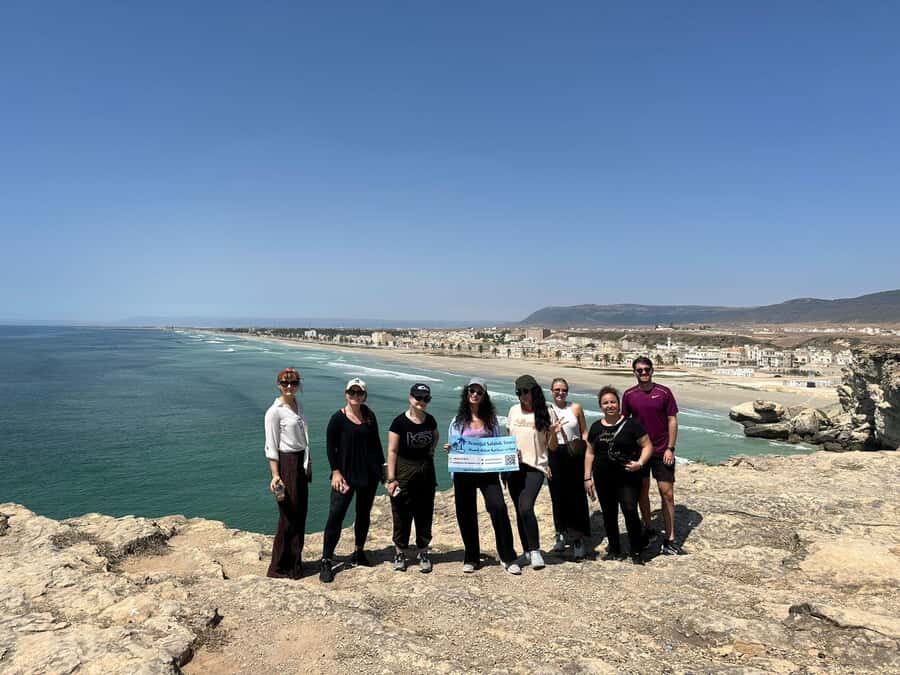
Your morning portion centers on Taqa, a traditional fishing town on the coast. Even if you’re not a “sea person,” you’ll likely enjoy the first views and the birdlife along the shore. The real payoff is that you don’t just pass through. You stop at viewpoints that give you the town laid out with the turquoise coastline in the background.
Then comes the heritage component. You can visit Taqa Castle, and you can also choose to explore Koofan Heritage House. There’s also Burj Al Askar, a cliff-top lookout connected with the castle area. Here’s the value of making entry optional: if you want maximum time outside for photos, you can keep it mostly external. If you like walking into old spaces and learning how people lived, you can pay for the sites that interest you most.
Two things I like about these stops:
- The views help you understand why these places were built where they are—coastlines, cliffs, and defensive geography matter.
- The guide’s explanations turn random ruins and old stone into something you can picture in your head.
If you’re short on time (half-day option), I’d prioritize the castle/fort lookout and at least one heritage entry, then let the scenery do the rest.
Wadi Darbat waterfalls and canal time: nature that can change with the season
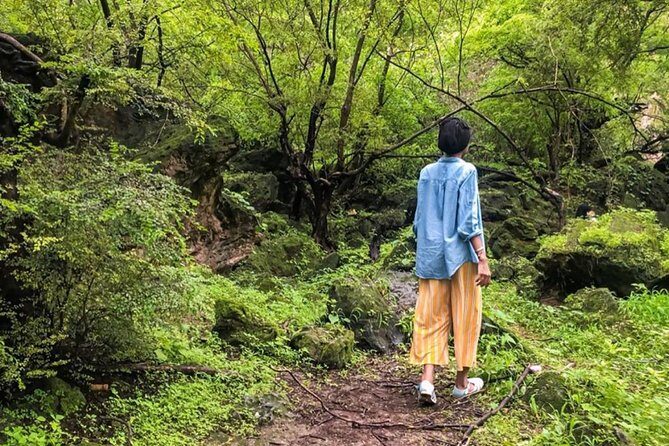
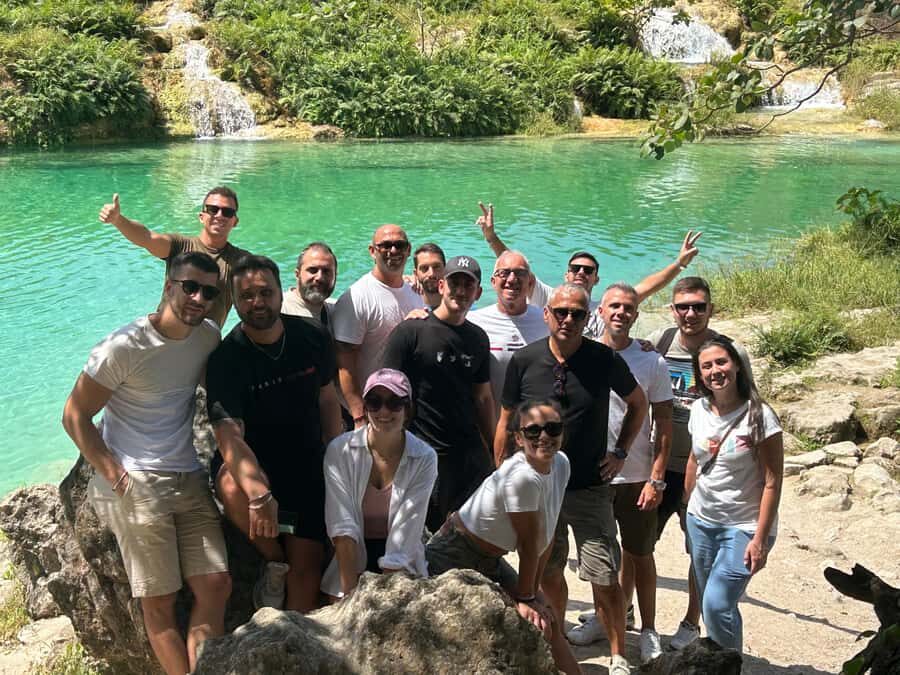
Wadi Darbat is the emotional center of the trip. It’s the valley people come to for the famous Dhofari feel—water, greenery, and that “how is this here?” sense of it. When Khareef is in full swing, the waterfall situation is the main attraction. Even when water is less impressive, the valley still feels like a reset from the coast and road.
A key part here is that you may have an option for a boat cruise or kayaking on the canal. This is one of those add-ons that can be worth your money if you enjoy easy time on the water. One charming detail: wandering camels sometimes cool off in the water near the area. If that happens while you’re there, it’s exactly the sort of moment you remember later.
Practical heads-up:
- You’ll want comfortable footwear. Valley paths can be uneven and a bit slick depending on how wet it is.
- If the day is outside Khareef, ask your guide what to expect on water level. You’ll still get the experience, but it may shift toward greenery and views rather than waterfalls.
I also like that you’re not forced into every activity. If you’d rather stretch your legs and take it slow, you can usually choose how you spend that time.
The Birds Well stop: Tawi Attair sinkhole in plain view
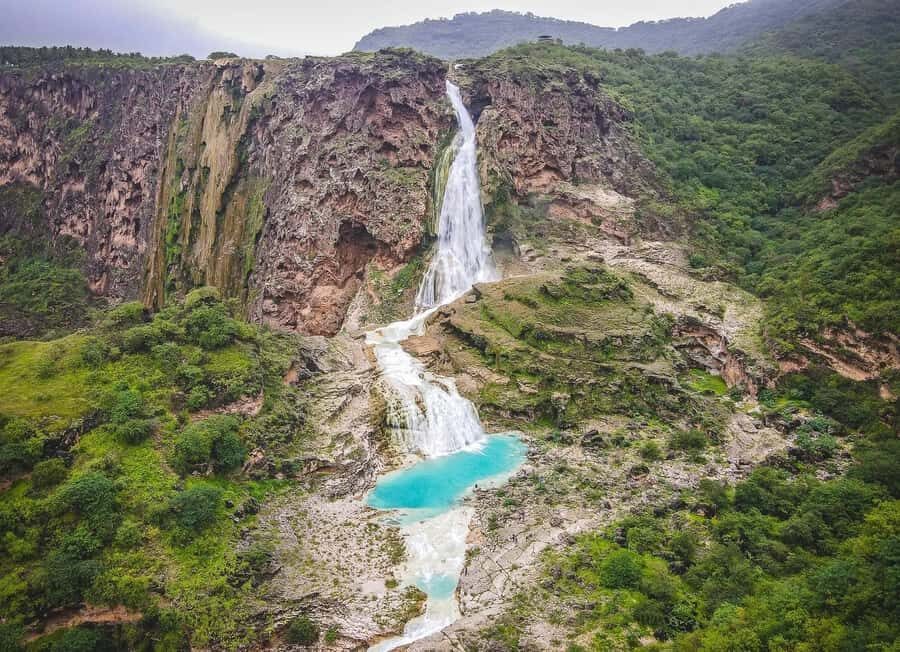
Between valley and mountain, you’ll stop at the Tawi Attair sinkhole, known locally as the Birds Well. This is one of those “wow, gravity works differently here” moments. Even without going deep into it, the scale and odd shape are enough to get your camera working.
What I’d watch for:
- Timing matters. If your visit is during a misty weather window, the sinkhole can look moodier and darker, which some people love for photos.
- Wear proper shoes. Even short walks around natural features can be slippery or rocky.
This stop is short compared to Wadi Darbat and Jabal Samhan, but it’s memorable because it breaks the day’s pattern. You get another kind of natural wonder—less water, more geology.
Jabal Samhan at 4,000 feet: standing above the clouds

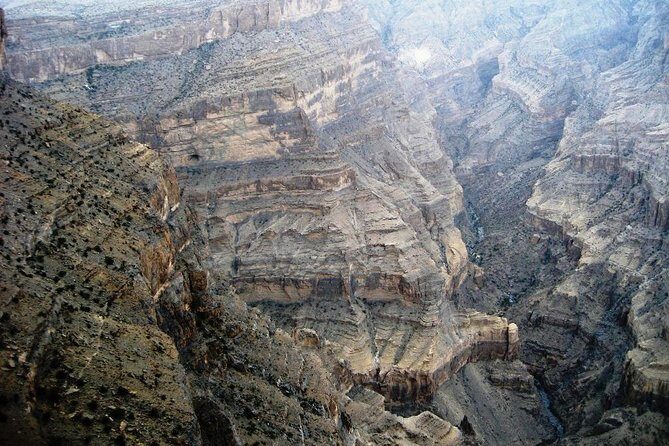
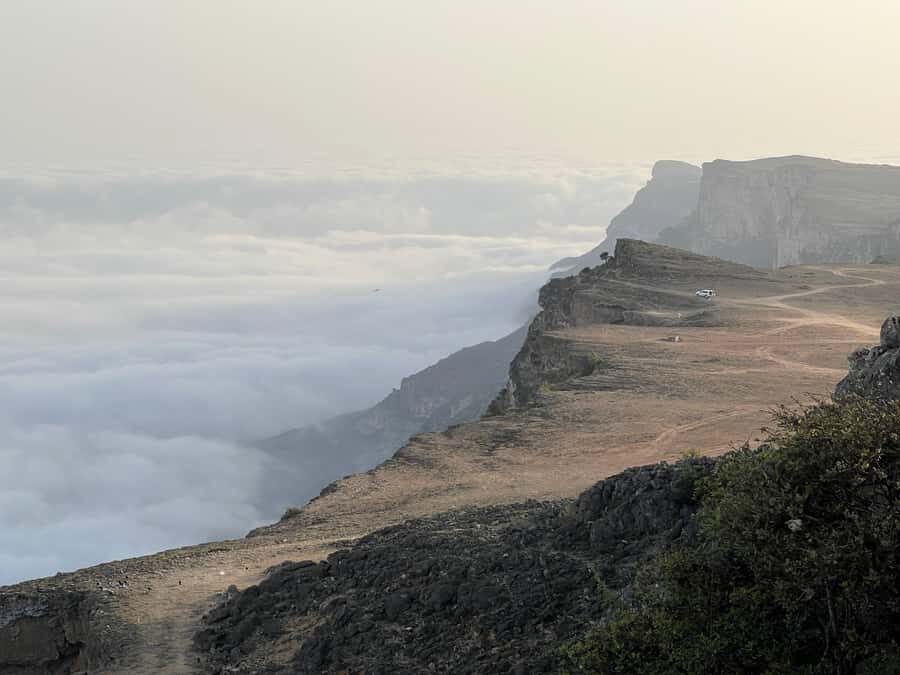
Now we get to the big one. Jabal Samhan is the highest point in Southern Oman, and the payoff is height. You’ll be standing around 4,000 feet up, and the feeling of watching clouds roll by cliff edges is exactly why this place gets photographed so often.
This is also where weather becomes part of the experience. Some days can be crystal clear with huge views. Other days can bring mist, which may soften the distant scenery. Either way, the scale of the cliff and the drop-off changes your brain’s sense of distance and height. It feels less like a viewpoint and more like a moment in the sky.
A practical tip: plan your photos early. If you wait until the last minute, you might end up standing in the least flattering light or in a spot that’s busy with other people getting their shots. The guide can help you choose photo angles if you ask.
If you’re doing the half-day version, you’ll likely still want this stop as one of your must-do moments.
Baobab trees of Wadi Hinna and Gravity Hill: two weird-and-fun “wait, what” moments
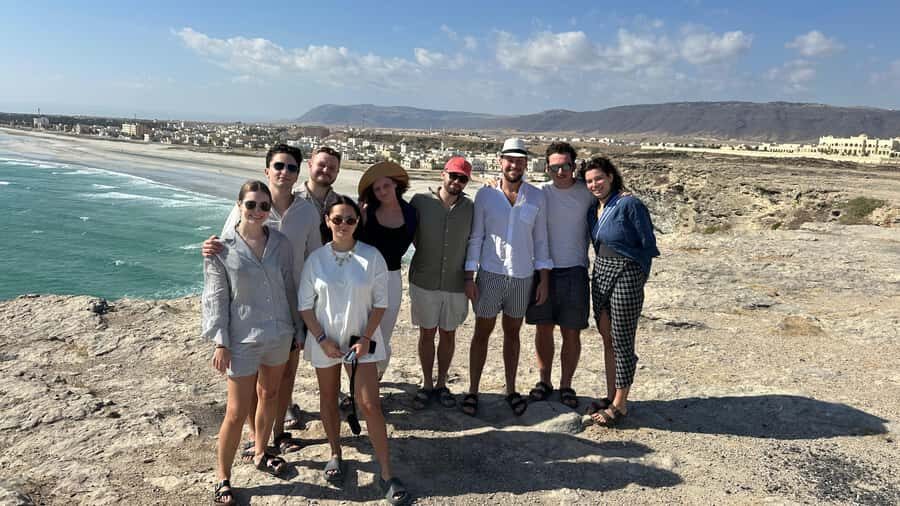
For the full-day option, you’ll roll into two memorable stops that keep the day from feeling like only one type of sight.
First: the baobab trees in Wadi Hinna. Baobabs aren’t common in the region, so seeing them here feels special in a grounded way: massive trunks, unusual form, and a sense of rarity. It’s the kind of stop where even if you’re not an “animal plant person,” you’ll still feel the scale.
Second: Anti-Gravity Hill / Gravity Hill Salalah. This is the playful science moment. Your vehicle appears to roll uphill in neutral, and you can’t help but stare at the physics and question everything you know. It’s not a museum lecture. It’s a hands-on visual trick, and it’s perfect for a laugh break in the middle of a serious sightseeing day.
If you care about photos, ask the guide to help you position for the trick. A good guide will know the spot and how to line it up so you get the illusion on camera.
Mirbat sand dunes: golden sand against mountain and sea
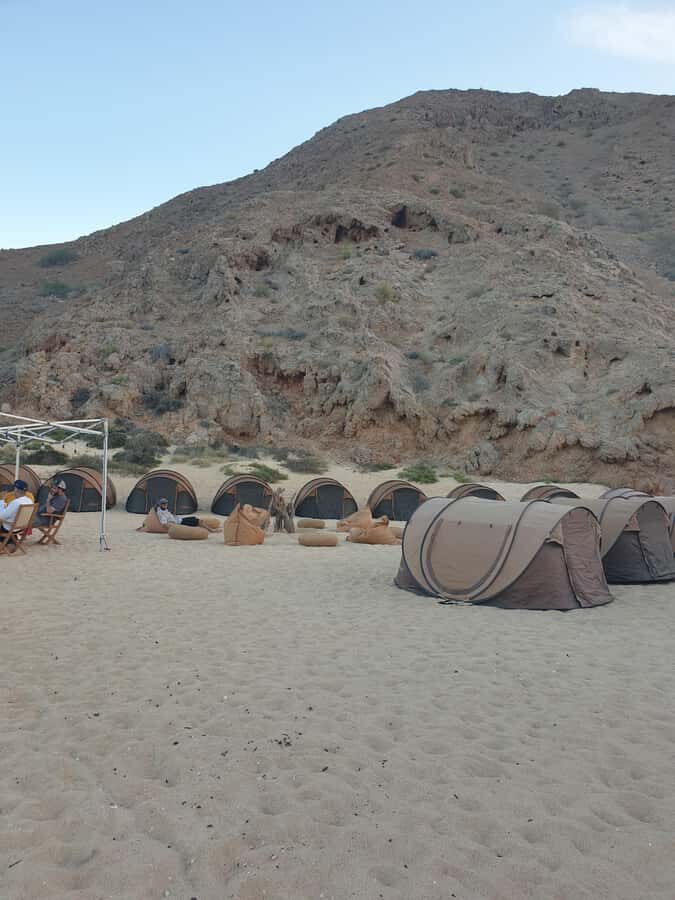
To finish, you’ll head to the Mirbat sand dunes. This is a strong closer because it swaps steep cliffs and valleys for wide, soft sand. You get a warm golden color against the mountains in the background, with the sea nearby for that dramatic coastal contrast.
This is also a good time to slow down a bit. Your body is probably tired by now, and dunes are forgiving—no big staircases, just time to look, walk a little, and take sunset-style photos if the timing lines up.
If the day runs a bit earlier or later depending on weather, don’t stress. Even in daylight, the contrast of sand, mountains, and coast makes Mirbat worth the stop.
Price and value: how this $76 tour stacks up with optional costs
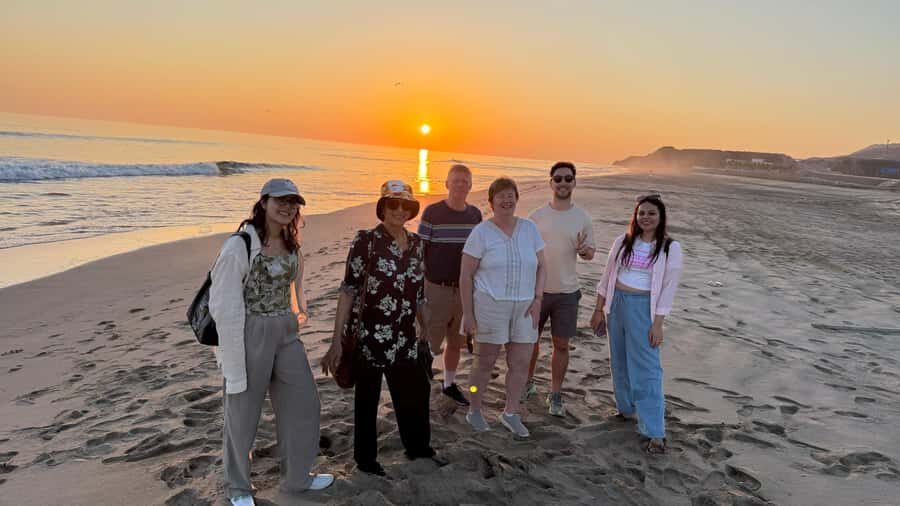
The listed price is about $76 per person, for a half-day or full-day experience depending on the version you choose. What you get for that price is a guided day with pickup and drop-off (from hotels and apartments in Salalah and Hawana Salalah, plus Salalah port and airport), plus bottled water.
What isn’t included matters because it affects your real total:
- Food or lunch (you may be able to grab something around some stops, but there’s no guarantee of a great restaurant scene during the drive)
- Optional entry tickets for places like Taqa Castle, Taqah Fort / Burj Al Askar, and Koofan House
- Optional boating/kayaking in Wadi Darbat
So is it good value? Yes, if you want variety packed into one trip. You’re not just visiting one attraction. You’re getting multiple regions and types of scenery with a guide who explains the why behind each place. If you’re the type who hates wasting a day stitching together separate taxis and tickets, the “one pickup, many stops” setup is the value.
My practical advice: bring a credit card and some cash, because optional site fees and optional activities are part of the day. Also budget time for the fact that entry is optional—you can control how much you pay based on what you care about.
The guides: why the day often feels smooth
A big reason this tour gets strong marks is the guide quality and the willingness to work with the group. Names that come up often include Adil/Adel, Tariq, Mohammad Ali, Salim, Abdallah, and Lucie. People frequently note guides who:
- stop for photos whenever someone asks
- explain local culture and religion in a way that connects the sights
- keep the schedule moving without feeling like a race
I’d suggest you communicate early if you want specific photo angles or if you have a mobility limit on short walks. A good guide can often adjust timing without breaking the day.
One fair warning from real experience: in some seasons or weather, parts of the route can feel less “active” (like reduced waterfall flow). A strong guide will pivot with the time you have—extra viewpoint time, scenic drives, or adjusting where you spend your effort.
What to bring and how to dress for Dhofar modesty
This is a place where dressing respectfully isn’t optional if you want to feel comfortable. You should plan for modest Omani style: cover knees and shoulders. That means no shorts or mini-skirts, and avoid sleeveless or deep-neck shirts.
Other essentials:
- Comfortable shoes (plus hiking shoes if you have them)
- Credit card and cash for optional fees
- Comfortable clothes for changing weather on high ground
- Comfortable layers. Even when it’s warm in town, higher areas can feel cooler.
Also do yourself a favor: bring a snack or two. You might find something at Wadi Darbat or around Samhan, but the tour itself isn’t built like a restaurant crawl.
Who this tour suits best (and who should skip it)
This trip fits best if you want a guided sampler of eastern Salalah: nature, geology, dunes, and a few heritage stops. It’s also a nice option if you’re traveling solo, because you’re not stuck trying to coordinate multiple day trips yourself.
It’s not a good fit for:
- People with mobility impairments
- People over 95 years
- Pregnant women
If you’re a confident walker and you’re fine with outdoor stops, you’ll probably enjoy the mix. Just remember: it’s outdoors a lot, so your shoe choice and weather attitude matter.
Should you book this East Salalah tour?
Book it if you want one day that covers Wadi Darbat, Jabal Samhan, and Mirbat dunes without the hassle of piecing it together. This tour is especially worth it when Khareef season is active, since the waterfalls and valley greenery are a major part of the magic. Even outside peak water season, the route still makes sense because you’re not relying on one single attraction—you’re getting multiple “different kind of wow” stops.
Skip it or rethink the timing if you need guaranteed waterfall action in dry months, or if you’re not comfortable with outdoor walking on uneven natural ground. If you do book, set a flexible mindset, dress modestly, and ask your guide what the conditions look like that day—then you’ll get the best version of East Salalah.
FAQ
How long is the tour?
It runs about 4 to 8 hours, depending on the time and which version you choose.
What is included in the price?
You get a tour guide, hotel pickup and drop-off in Salalah and Hawana Salalah (and port/airport in Salalah), and bottled water.
Is lunch included?
No. Food isn’t included. Lunch may be available at an additional cost, and you can bring your own snacks.
Are entrance tickets included for historic sites?
No. Entry tickets for Taqa Castle, Taqah Fort / Burj Al Askar, and Koofan House are optional and not included.
Is boating or kayaking at Wadi Darbat included?
No. Boating and kayaking are optional and not included.
Where does pickup happen?
Pickup is included from hotels and apartments in Salalah and Hawana Salalah, and also from the port and airport in Salalah. If your accommodation is in Mirbat and Hinu Bay, there may be an extra OMR 10 per group.
What language is the tour guide available in?
The tour guide is available in English, Polish, Italian, German, and Arabic.
What should I wear?
Dress respectfully in line with Omani modest dress code: cover knees and shoulders. Avoid shorts, mini-skirts, and sleeveless or deep-neck tops.
What should I bring?
Bring comfortable shoes, credit card, hiking shoes, comfortable clothes, and cash. Also eat breakfast before you start.
Is the tour suitable for everyone?
It is not suitable for people with mobility impairments, people over 95 years old, or pregnant women.