REVIEW · NIZWA
Old Nizwa authentic walks
Book on Viator →Operated by Tijwal Majan · Bookable on Viator
Nizwa teaches its secrets on foot. This private walk threads old Nizwa city life together with fort views and the water wisdom behind Oman’s famous falaj system. You’ll cover the souk area, see how people shop and move through daily routines, then shift to architectural calm at the fort before finishing with the Alaqur water canal system.
I particularly love the private guide approach. It keeps the pace human and personal, and the tour is known for local cultural insight—guides like Abdullah are singled out for explaining everyday Oman, not just reciting facts. I also love that you get UNESCO-level context for falaj Daris, where the water channel isn’t just a sight but a working system.
One watch-out: the fort area involves an admission ticket that isn’t included, and you’ll be walking on streets and steps that can feel uneven. Wear proper shoes and dress smart casual so you’re comfortable when the weather changes.
In This Review
- Key Points You’ll Actually Care About
- Old Nizwa on Foot: Why This Works Better Than a Quick Stop
- The Guide Makes It Worth the Price (Even Before You Reach the Fort)
- Starting at 8:30: What to Expect Before You Step Into Old Nizwa
- Stop 1: Nizwa Fort—Views, Museum Context, and Design Details
- Stop 2: Nizwa Souq and the Local Cattle Market—How Daily Life Looks
- Stop 3: Alaqur and the Falaj Water Canal System—Where Oman’s Water Logic Shows Up
- The Price: Is $60 for 4 Hours a Good Deal?
- Timing and Practical Flow: Why the Order of Stops Matters
- Who This Tour Fits Best (and Who Might Want a Different Plan)
- Should You Book Old Nizwa Authentic Walks?
- FAQ
- What’s the duration of the Old Nizwa walking tour?
- Where does the tour start?
- Does the tour include pickup?
- What tickets are included, and what isn’t?
- Are drinks or lunch included?
- What’s the dress code?
- Is there a cancellation window?
Key Points You’ll Actually Care About
- UNESCO falaj Daris focus: You see the biggest falaj channel concept up close, not just a photo stop.
- Private walking pace: Only your group goes, so your guide can adjust to your questions and comfort.
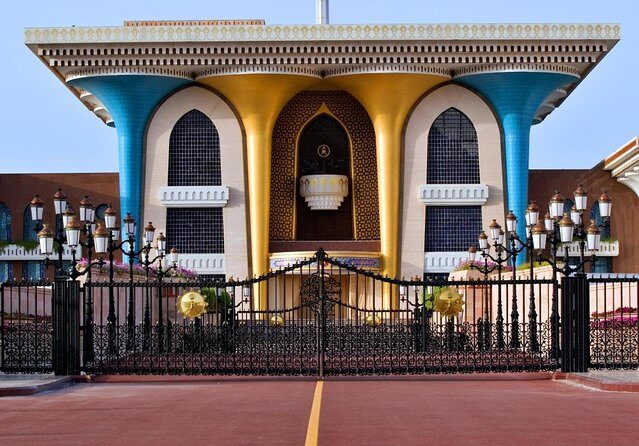
- Fort views plus Islamic architecture: You get skyline views and the design logic behind the Nizwa Fort.
- Souk experience with local flavor: You walk through the old market lanes where daily trade happens.
- Alaqur village + water canal system: You leave the city feel for a quieter village-scale look at the falaj network.
Old Nizwa on Foot: Why This Works Better Than a Quick Stop
Nizwa is one of those places where things make more sense when you walk slowly. The streets, the market layout, and the way buildings sit next to each other all tell you how life is organized here. On this tour, you don’t rush through with a clipboard vibe. You move from public life to heritage architecture to the water system that supports both.
What makes this format extra practical is the flow. You start with Nizwa Fort, which sets the tone: defensive architecture, museum context, and that big-picture view. Then you pivot to the souk, where you understand the city’s pulse. Finally, you shift to Alaqur and the falaj water channels, which is where the day gets especially Oman-specific. A lot of tours treat water like scenery. This one treats it like infrastructure.
Another smart piece: you get round-trip shared transfer and pickup offered. That matters in Nizwa, because your time on foot should be spent where it counts. You’re not doing the taxi math in the morning.
You can also read our reviews of more tours and experiences in Nizwa.

The Guide Makes It Worth the Price (Even Before You Reach the Fort)
This is a private tour, and the guide is the main reason it’s priced as it is. At $60 per person for about 4 hours, you’re paying for a dedicated local explanation plus local logistics—driver/guide, private guide time, and round-trip shared transfer. You’re not paying for a long bus ride with strangers. You’re paying for someone to translate what you’re seeing into everyday meaning.
The guides are often multi-lingual, and names like Abdullah show up in standout experiences. The praise is consistent: the guide gives insight into the life and culture of Oman. That’s not just nice to hear. It changes what you notice. You start picking up patterns—how the souk works, why certain spaces matter, and how the falaj connects to survival and community.
Also, the tour format is set up for questions. When you’re with a private guide, you can stop, ask, and get a real answer instead of guessing from a sign. That’s the kind of value that doesn’t show up in a checklist.
Starting at 8:30: What to Expect Before You Step Into Old Nizwa
The start time is 8:30am, which is a big deal. Morning light makes the fort views easier to enjoy, and the day feels less tiring. You’ll meet at the Nizwa Top View area on the unnamed road near WGMQ+HR5. From there, pickup and shared transfer help connect you to the key points without wasting time.
Dress code is smart casual. Keep it practical: closed-toe shoes matter because you’re moving through old-city streets and fort areas. The tour runs in all weather conditions, so you should dress for heat or mild rain depending on the day. Since drinks and lunch aren’t included, plan to have water before you go—especially if you’re sensitive to warm weather.
One more practical detail: there’s a mobile ticket, and you get confirmation at booking. That’s helpful because you’re not juggling paper in a busy area.
Stop 1: Nizwa Fort—Views, Museum Context, and Design Details
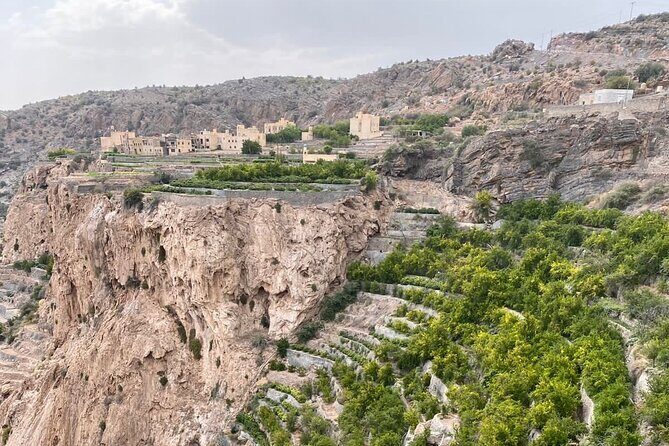
Nizwa Fort is your first anchor point, and it’s a strong choice. You’ll spend about 50 minutes exploring the fort architecture and the museum. Even if you’re not a museum person, the architecture matters here. Fort design tells you how Nizwa protected itself and how authority was organized in a city where trade and community life were close by.
The view angle is another reason the fort is first. Once you see the city layout from above, the later souk streets and village roads feel more logical. You stop thinking in terms of random stops and start thinking in terms of “where people go and why.”
One key consideration: fort admission isn’t included. So the real cost at the start of your day might be a little higher than the $60 base. If you budget a bit extra, this won’t catch you off guard.
Stop 2: Nizwa Souq and the Local Cattle Market—How Daily Life Looks

After the fort, you head into the Nizwa Souq. This part runs about 1 hour, and it’s mostly about walking through old Arabian market lanes—seeing how the market space supports everyday commerce.
This stop is valuable because it’s not only about shopping. You get to watch how people move, where they gather, and how the market structure funnels you through the city’s trading routines. The tour also includes the cattle market element as part of the souk experience, which adds a distinct local angle. It’s one of those things you can’t fully recreate with photos.
You’ll get insider tips on where to eat and explore. That’s more useful than it sounds. A lot of visitors get stuck in the tourist-choice loop. Having a guide point you toward real-eating options and nearby places to walk helps you keep your day feeling local.
If you dislike crowds or you’re short on patience, the souk can feel busy. The nice part is that your private guide can help you navigate at a comfortable pace.

Stop 3: Alaqur and the Falaj Water Canal System—Where Oman’s Water Logic Shows Up
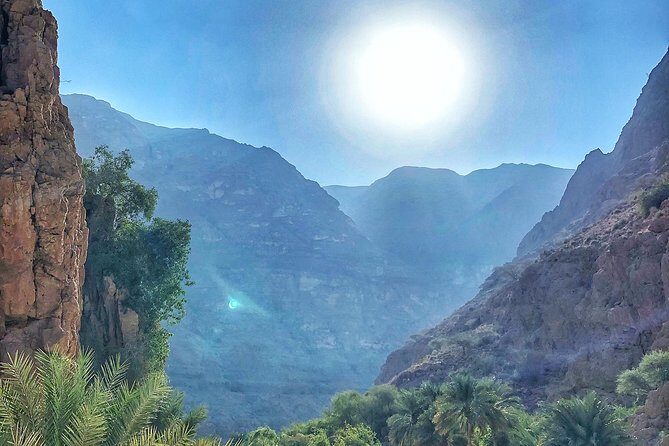
The last stop is where this tour gets most Oman-specific. You go to Al aqur view inn (also listed in Arabic as نزل واجهة العقر) and spend about 1 hour exploring the old village of Alaqur plus the falaj water canal system.
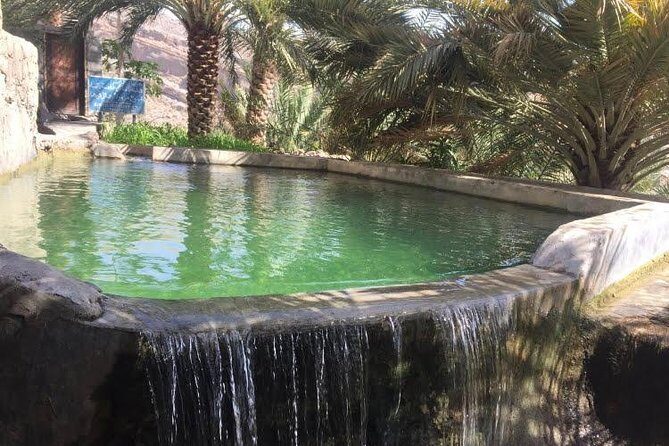
This is the tour’s big educational payoff. Falaj systems are channels that move water across land in a carefully managed way. On this tour, you’re not just hearing about water—you’re seeing the channel logic in the setting it supports. It’s easy to overlook how critical this is until you stand near a system meant to keep agriculture and daily life going.
And yes, the standout heritage connection here is falaj Daris, described as a UNESCO World Heritage Site on this experience. This matters because it reframes what you’re seeing. You stop treating it like a curiosity and start treating it like living heritage—something that continues to matter.
A small caution: this portion can mean more sun exposure depending on the day and how the route is set. Bring water and take shade breaks when you can.
The Price: Is $60 for 4 Hours a Good Deal?
At $60 per person for about 4 hours, this tour sits in the “good value if you want a guide” category. You’re paying for several things that add up fast if you do them on your own:
- Private local guide time (the main value)
- Driver/guide support
- Round-trip shared transfer
- Taxes, fees, and handling charges
If you tried to recreate it by hiring a driver, finding a guide for fort architecture, and timing your own souk and falaj route, you’d likely spend more time and money. The fort admission not being included is the only clear financial add-on flagged in the info you have, so I’d keep a small extra budget for that.
Also, tours that include the guide’s cultural explanation often save you from wandering. You can spend your energy looking instead of decoding.
Timing and Practical Flow: Why the Order of Stops Matters

This day is built with a reasoned sequence. Starting at Nizwa Fort first gives you a high point and context. Then the souk gives you the daily life that connects to the city’s energy. The final village and falaj channel gives you the “how it works” piece that explains the environment people depend on.
That structure is part of why people come away feeling they understand Nizwa more than they did at arrival. It turns scattered sights into a coherent story of place: defense, trade, and water.
The day also stays compact. Four hours is long enough to feel like you experienced the city, but short enough that you’re not stuck late with decision fatigue. You’ll likely be free afterward to choose dinner based on the guide’s suggestions.
Who This Tour Fits Best (and Who Might Want a Different Plan)
This fits you if you like:
- Walking with a guide who explains what you’re seeing
- Old-city culture and market street life
- Fort architecture and heritage design
- Water systems and how they shape daily life
You might want a different plan if:
- You can’t handle uneven streets and steps
- You expect drinks and lunch to be included
- You want a fully self-paced tour with no guide input
Minimum age is 18, and the tour uses smart casual dress. It runs in all weather, so you should be comfortable dressing for conditions rather than waiting for perfect weather.
Should You Book Old Nizwa Authentic Walks?
If you want a Nizwa day that feels more like a local walkthrough than a checklist, I’d book it. The best reason is the private guide angle—especially when the guide focuses on real life and culture, like the experiences tied to Abdullah. Add in the UNESCO falaj Daris connection, plus the fort views and souk street energy, and you get a well-rounded day that stays practical.
My one “don’t get surprised” note: budget for the Nizwa Fort admission since it’s not included, and bring water since drinks aren’t covered. If you handle those two items, this tour offers strong value for a short, focused morning.
FAQ
What’s the duration of the Old Nizwa walking tour?
It runs for about 4 hours.
Where does the tour start?
The tour starts at Nizwa Top View on the unnamed road area in Nizwa, Oman (WGMQ+HR5).
Does the tour include pickup?
Pickup is offered, and the experience includes round-trip shared transfer.
What tickets are included, and what isn’t?
The fort has an admission ticket that is not included. Other listed stops are admission free.
Are drinks or lunch included?
No. Drinks and lunch aren’t included unless specifically mentioned.
What’s the dress code?
The dress code is smart casual.
Is there a cancellation window?
Yes. You can cancel for a full refund up to 24 hours before the experience start time.