REVIEW · MUSCAT
Private 3 days 2 nights Roundtrip Tour in Oman
Book on Viator →Operated by Sunshine Tours Oman · Bookable on Viator
Canyon water one day, desert dunes the next. This private 3 days / 2 nights roundtrip from Muscat mixes nature and culture in a way that feels efficient without feeling rushed.
I especially like the chance to go hands-on: Wadi Shab is real swimming country, not just a viewpoint stop, and the Ras al Jinz turtle night adds an Oman-specific moment you don’t replace with another museum. The other big plus is how much you get from a proper driver-guide setup: you spend less time figuring logistics and more time actually seeing.
One thing to consider: parts of this itinerary require moderate physical fitness and it’s weather-dependent, especially for the water and the turtle watch timing. If you hate hikes, you’ll want to mentally budget for uneven paths and a 35-minute up-canyon walk.
In This Review
- Key highlights to know before you go
- A Muscat-based Oman whirlwind that still feels personal
- Day 1: Bimmah Sinkhole, Wadi Shab, then the turtle night
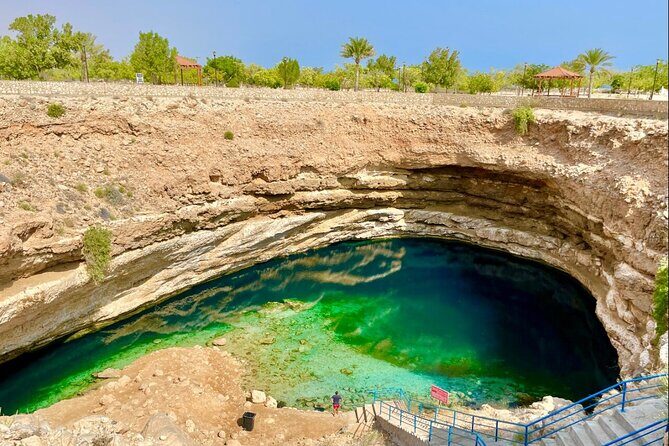
- Bimmah Sinkhole quick stop: good photos, short time
- Wadi Shab: the swimming day people remember
- Wadi Tiwi photo stop: greener canyon vibes
- Ras al Jinz turtle reserve: the one-night memory
- Day 2: Sur dhow shipyards, a ghazal farm, and Wadi Bani Khalid to Wahiba Sands
- Dhow Factory: where the tradition becomes visible
- Omani Ghazal Farm (Al Kamel): a change of pace
- Wadi Bani Khalid: swim, sunbathe, picnic
- Wahiba Sands desert camp: sunset, dinner, and a real night vibe
- Day 3: sunrise dunes, UNESCO Zukait Tombs, and the Green Mountain
- Wahiba Sands sunrise: worth waking up for
- Zukait Tombs (Izki): UNESCO and ancient beehive tombs
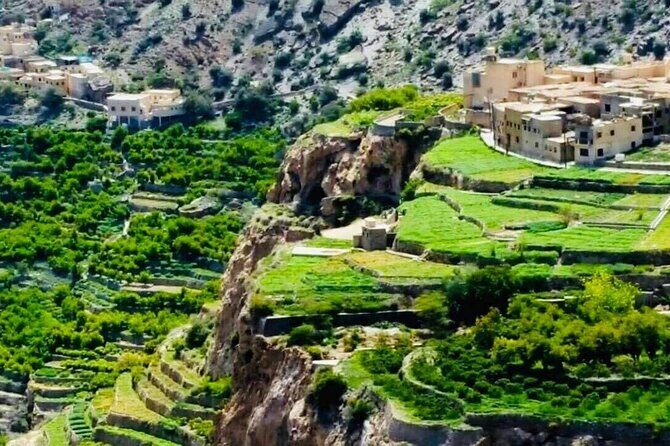
- Jebel Akhdar (Green Mountain): altitude and dramatic views
- Birkat Al Mouz Ruins: banana pool vibes
- Aflaj Irrigation Systems of Oman: the working UNESCO site
- Price and logistics: is $887 per person worth it?
- What kind of traveler this suits best
- Booking tips I’d use (so you get the best days)
- Should you book this Oman private tour?
- FAQ
- What time does the tour start?
- How long is the experience?
- What meals are included?
- Are entry fees included for turtle watching and Wadi Shab?
- Is pickup and drop-off included?
- Do I need to bring my own visa and flights?
- Is the tour physically demanding?
Key highlights to know before you go
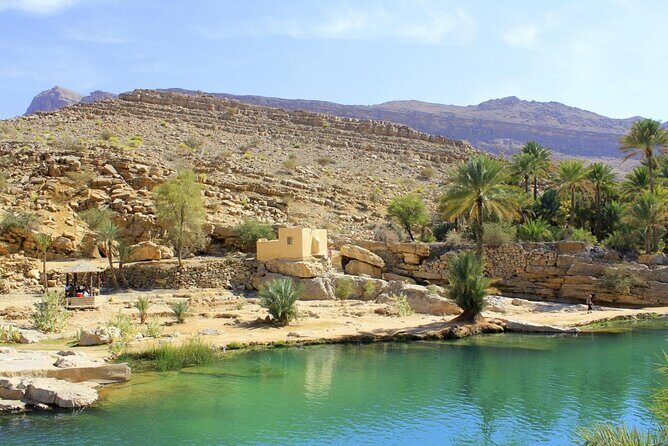
- Wadi Shab swim time: a canyon walk leads to crystal-clear pools and a cave-like water section.
- Ras al Jinz turtle watching: included entry for an evening night focused on green sea turtles.
- Sur and the dhow tradition: see shipbuilding culture tied to Oman’s maritime past, plus a dedicated dhow factory stop.
- Wahiba Sands desert camp: sunset sand dunes, optional 4×4 driving, dinner, and a campfire evening.
- UNESCO stops on Day 3: Zukait Tombs and the Aflaj Irrigation Systems keep the tour from becoming only scenery.
A Muscat-based Oman whirlwind that still feels personal
This tour is designed for the first-timer who wants variety fast: coast-to-mountains-to-desert, with culturally meaningful stops along the way. You’re picked up and dropped off within the Muscat area, you ride in a 4WD where it matters, and you have an English-speaking Omani guide for context—not just transportation.
The “private” part matters. It means you’re not squeezed into someone else’s pace, and you can usually adapt when the day’s conditions shift. The itinerary also includes several admission fees (turtle watching, dhow factory, Wadi Shab boat element), which is a quiet value win because it reduces the number of pay-stops you have to manage yourself.
You can also read our reviews of more private tours in Muscat


Day 1: Bimmah Sinkhole, Wadi Shab, then the turtle night
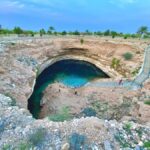
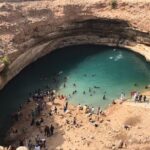
Day 1 is built like a photo-to-swim day. You start with a quick pass by Bimmah Sinkhole, timed for photos before continuing toward Wadi Shab. It’s not positioned as a long linger stop, so think of it as a “get your bearings” moment for Oman’s dramatic geology.
Bimmah Sinkhole quick stop: good photos, short time
You’ll likely get enough time to take photos and move on. If you’re the type who hates being rushed, that’s your main trade-off on Day 1: the sinkhole is quick, and the real payoff is later.
Wadi Shab: the swimming day people remember
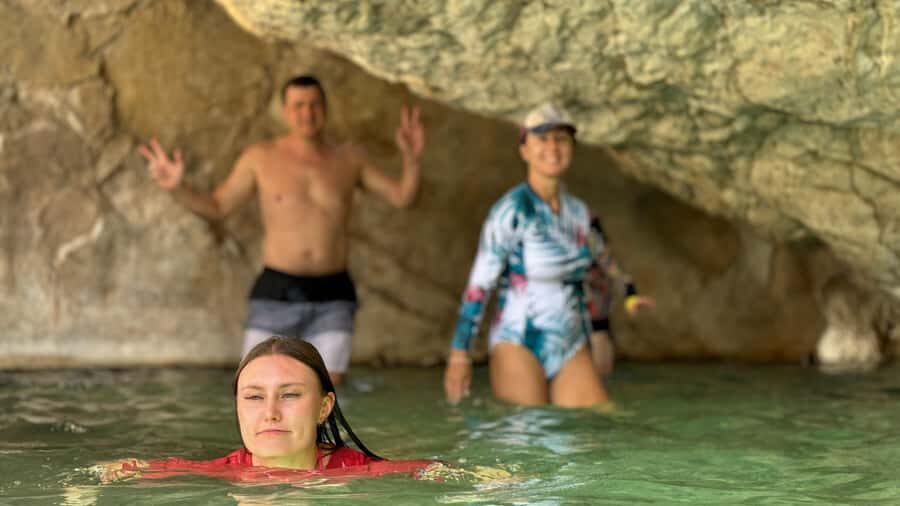
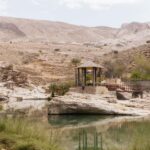
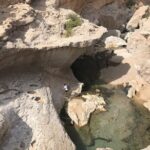
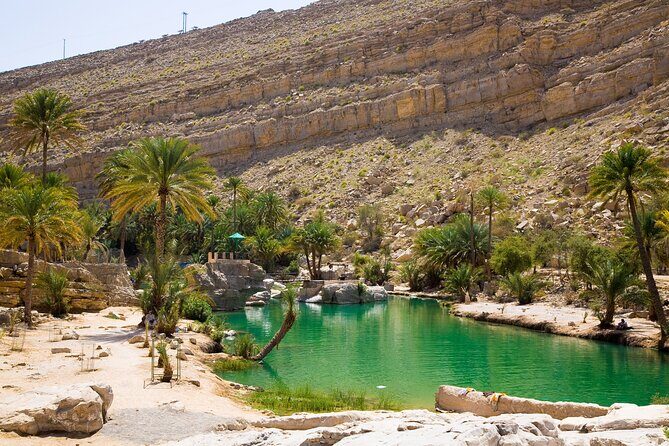
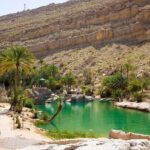
Wadi Shab is the star of the route. You’ll do a roughly 35-minute hike up through the canyon area to reach crystal-clear pools. The big practical benefit here is that the scenery isn’t just for looking—people can swim from pool to pool in warm water.
The final section is what makes it feel special: a last pool leads to an opening among large rocks where you can swim into a crevice with a small waterfall. Sunlight filtering in turns the water into that intense turquoise look people chase in travel photos.
Two things to plan for:
- Bring swim-ready footwear if you have it. Rocks near water can be slick.
- Don’t overcommit on day-start adrenaline. You’re walking, then swimming, then still driving later.
Wadi Tiwi photo stop: greener canyon vibes
Next comes a Wadi Tiwi photo stop. It’s short, but it’s described as lush with plantations and a greener feel than many other wadis. This is one of those stops that’s less about “doing” and more about refreshing your eyes after the intensity of Wadi Shab.
If you’re traveling in hot weather, expect a quick reset more than a long nature session. Use it to refill water, stretch, and get a clean set of photos without losing momentum.
A few more Muscat tours and experiences worth a look

Ras al Jinz turtle reserve: the one-night memory
Then you head to the Ras al Jinz Turtle Reserve area. The beaches here are known as a breeding ground for green sea turtles, and this tour includes entry for turtle watching. The schedule has you spending the night focusing on the turtles.
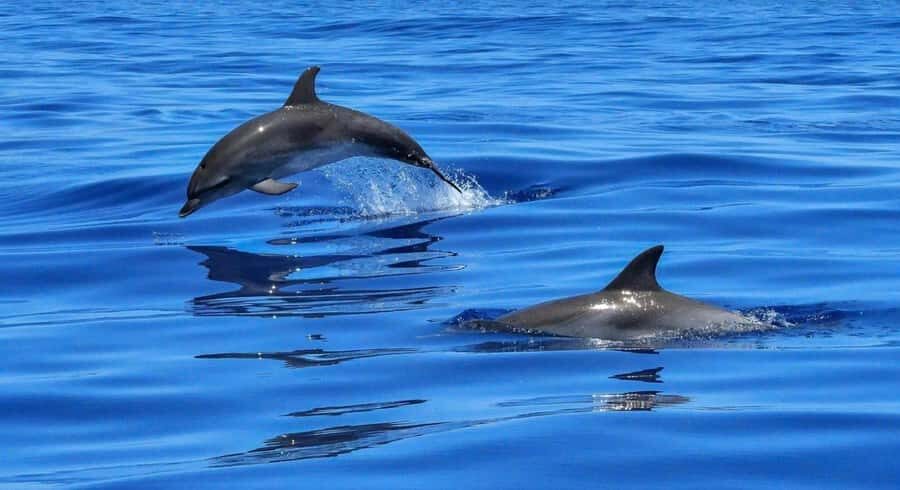
Important reality check: turtle watching depends on the conditions of the night and the natural rhythms of the animals. That means you shouldn’t plan this like a guarantee of “seeing everything,” but the setup gives you a real chance to experience one of Oman’s most distinctive wildlife moments.
Day 2: Sur dhow shipyards, a ghazal farm, and Wadi Bani Khalid to Wahiba Sands
Day 2 is about switching from “water and palms” to “coast and craft,” then back to nature again before the desert.
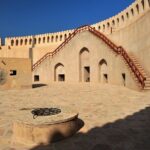
You’ll start in Sur, on Oman’s eastern tip. The city is tied to shipyards that historically produced traditional wooden vessels. In the city center, Sunaysilah Fort is mentioned as having four defensive towers around a courtyard, so there’s a built-in reminder that Oman’s maritime story isn’t only about ships—it’s also about protecting them.
Dhow Factory: where the tradition becomes visible
The Dhow Factory stop is one of the most direct ways to connect Oman’s past to what people still do today. You’ll see traditional wooden dhows being built, and there’s an entry fee included.
If you like crafts or just want something practical to look at, this beats generic sightseeing. Instead of asking you to imagine what it was like, you’re seeing current work in a heritage framework.
Omani Ghazal Farm (Al Kamel): a change of pace
Next is Al Kamil Wal Wafi, plus a visit to an Omani Ghazal Farm in Al Kamel (noted as Asilel Farm). This is a shorter stop, but it gives you a different kind of nature encounter—less “swim hole,” more “farm setting” focused on ghazal.
Keep expectations flexible. This part is time-limited, so it’s best for a quick look and a few photos rather than a long activity.
Wadi Bani Khalid: swim, sunbathe, picnic
Then you move to Wadi Bani Khalid, described as one of the biggest and most beautiful wadis in Oman. You’ll have time to swim, sunbathe, relax, and even have a picnic in the wadi canyon setting. A short walk leads to large emerald pools.
This day’s benefit is pacing: by the time you reach Wadi Bani Khalid, you already understand the wadi pattern (canyon walk → pools → water time). If Wadi Shab was your “adventure swim,” Bani Khalid is your “slow down and enjoy the water” option.
Practical note: pack for two swim days in a row. If you’re relying on drying time in the car, plan for less comfort.
Wahiba Sands desert camp: sunset, dinner, and a real night vibe
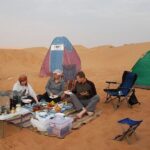
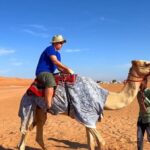
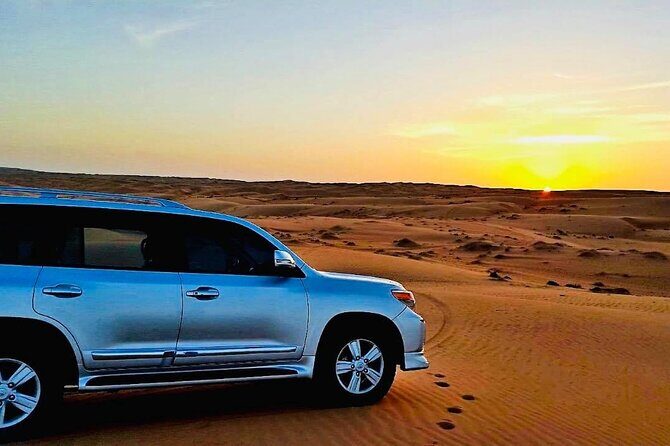
Finally, you reach Wahiba Sands for a desert camp experience. This is where the tour becomes unmistakably Oman. You can relax at camp or take part in an adventurous 4×4 drive in the dunes (offered as an option). Then you watch the sunset from a big sand dune.
Dinner is included at the camp, and you’ll have time around a campfire for a more human, evening-style pace. It’s not just “see the desert,” it’s “be in the desert for a few hours.”
If you’re the type who likes safety and structure, you’ll likely appreciate that you’re in a coordinated 4WD setup rather than trying to self-drive in sand with no plan.
Day 3: sunrise dunes, UNESCO Zukait Tombs, and the Green Mountain
Day 3 is where the tour pivots to cultural and highland Oman. It starts early with Wahiba Sands sunrise watching from the dunes before breakfast. That early start pays off if you enjoy soft morning light and calmer desert air.
Wahiba Sands sunrise: worth waking up for
Sunrise in the desert is often one of those “glad we did it” moments. The practical side is timing: it’s early, and it’s chilly enough that you’ll want a layer even if you’re used to warm climates.
Zukait Tombs (Izki): UNESCO and ancient beehive tombs
Next stop is Zukait Tombs in Izki. The site is described as a well-preserved UNESCO-recognized “array fossilized bronze age landscape.” It’s known for beehive tombs and has been recognized as a World Heritage Site since 1988.
The way this stop feels is different from the wadis. Instead of water sounds, you’re reading the site and the geography. If you like archaeology or even just want to understand how long people have shaped and used this region, this is a strong inclusion.
Jebel Akhdar (Green Mountain): altitude and dramatic views
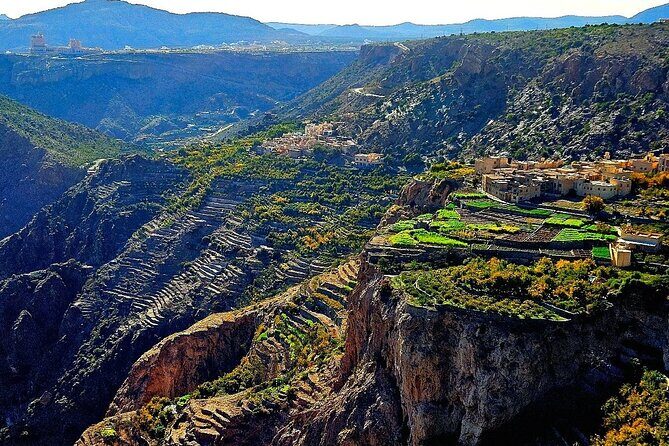
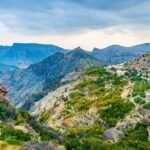
Then you reach Jebel Akhdar, also called the Green Mountain. It rises to about 2,980 meters and includes the Saiq Plateau at around 2,000 meters above sea level. The tour only schedules about two hours here, so it’s not a long hike day, but it’s enough time to absorb the change in elevation and temperature.
If you want your Oman trip to include mountains that don’t feel like “just another hill,” this is that moment.
Birkat Al Mouz Ruins: banana pool vibes
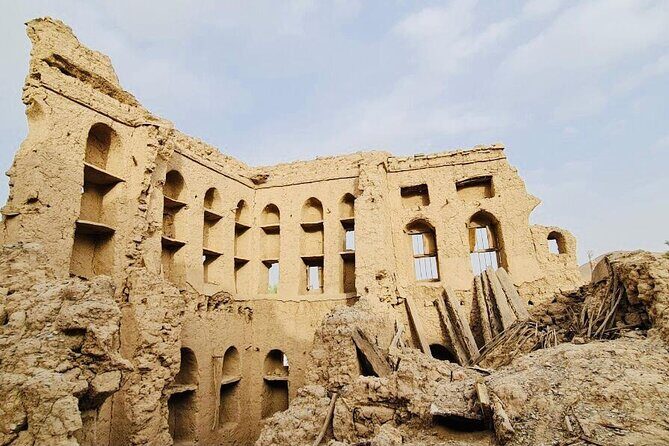
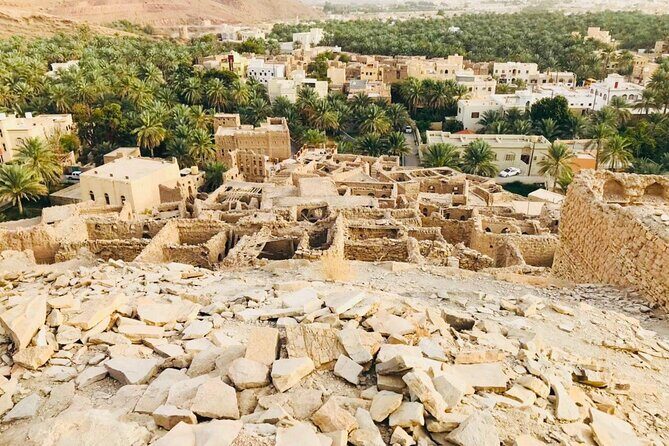
Next comes Birkat Al Mouz Ruins, a village set into a mountain face. It translates to Banana Pool because of banana plantations in the area. The stop time is short (around 30 minutes), so treat it as a quick look and photo break rather than a deep exploration.
Aflaj Irrigation Systems of Oman: the working UNESCO site
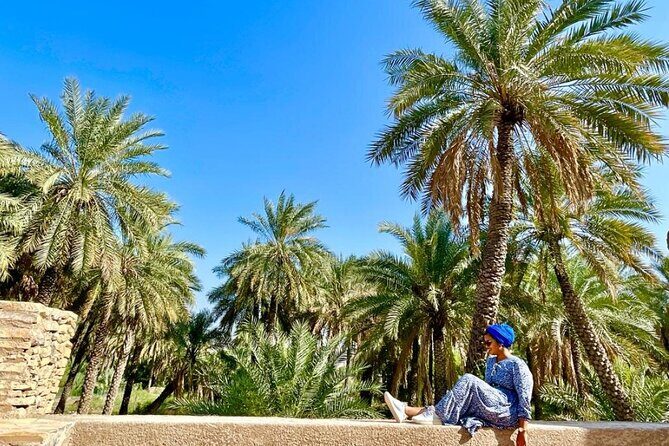
Finally, you visit the Aflaj Irrigation Systems of Oman, noted as one of the five irrigation systems added to UNESCO. This is a great “why Oman works” stop, because it connects the dramatic scenery to a real water story—how people manage water in a dry climate.
It’s also a good closing point: after turtles, swimming, dunes, and tombs, you end with a practical piece of heritage that still matters.
Price and logistics: is $887 per person worth it?
At $887 per person, the value comes from what’s bundled rather than from one single attraction. You’re paying for a fully private experience with:
- Pickup and drop-off in the Muscat area
- An English-speaking guide
- 4WD vehicle for the route
- 2 breakfasts and 2 dinners
- Hotel room (standard double setups, with options for extra beds depending on group size)
- Several admission fees (turtle watching, dhow factory, and the Wadi Shab boat element)
- Bottled water during the tour
If you were doing this yourself, you’d likely spend time and energy coordinating driving, tickets, meals, and overnight logistics. Here, you trade some flexibility for convenience, which is often the right deal for a short trip.
The biggest “price concern” isn’t the number. It’s fit: this route has plenty of driving and at least one real walk (Wadi Shab). If you’re not comfortable with that, you may feel like you’re mostly in a vehicle.
What kind of traveler this suits best
This tour suits you if:
- You want an efficient introduction to Oman’s main regions—coast, wadis, desert, and highlands.
- You like active nature days (swimming in wadis, sunrise watching, dune sunset).
- You want your trip structured but still private, with an actual guide who can explain what you’re seeing.
It’s less ideal if:
- You dislike hikes or you’re looking for a slow, restful itinerary with minimal walking.
- You need guaranteed turtle sightings. Turtle watching is an opportunity, not a vending machine.
Booking tips I’d use (so you get the best days)
- Pack for water: quick-dry swimwear, a towel you don’t mind getting sandy, and footwear that handles slick rocks.
- Pack for temperature swings: desert nights and early mornings can feel very different than midday.
- Ask about your guide preference early. Names that show up often in the tour ecosystem include Mohammed, Khalid, Waleed, Waled, Hussein, Yahya, Amer, and Said Al-Kiyumi. If one of those resonates, request it when you book.
- Bring patience for weather. This experience depends on good conditions, and the tour plan can shift if nature acts up.
Should you book this Oman private tour?
I’d book it if you want a high-contrast Oman trip in just three days: swimming wadis, a turtle night, dhow culture in Sur, and desert camp sunset—then you finish with UNESCO sites and mountain Oman. The inclusion of meals, room, admissions, and 4WD makes the $887 price feel like a “you buy time and coordination” deal.
I wouldn’t book it if you’re only chasing one type of sight (like strictly museums) or if you know you’ll skip any hiking or swimming opportunities. This trip rewards participation.
If you’re ready for active days, good photos, and a guide who can connect the dots between water, craft, desert life, and heritage sites, this is a strong choice.
FAQ
What time does the tour start?
The tour starts at 8:30 am.
How long is the experience?
It runs for 3 days (approx.).
What meals are included?
You get 2 breakfasts and 2 dinners included. Lunch is not included.
Are entry fees included for turtle watching and Wadi Shab?
Yes. The tour includes entry fee of Turtle Watching and entry fee of Wadi Shab Boat.
Is pickup and drop-off included?
Yes. Pick-up and drop-off to the hotel/port/airport (Muscat Area) is included.
Do I need to bring my own visa and flights?
The visa and air ticket are not included. The tour doesn’t cover those costs.
Is the tour physically demanding?
It says you should have moderate physical fitness. Wadi Shab includes a hike (about 35 minutes), and there’s swimming time in water and pools.