REVIEW · MUSCAT
Full-Day Tour in Oman: Enchanting Forts of Nizwa and Jabreen
Book on GetYourGuide →Operated by Odyssey DMC · Bookable on GetYourGuide
Fortress walls feel bigger when you’re standing below them. This full-day loop from Muscat links Nizwa Fort with Jabrin Castle and threads in mountain scenery that turns the drive into part of the experience. I especially like how the sights connect to how Omanis live today, not just dates on a wall.
Two things make this tour easy to recommend: you get proper time inside the major sites, and the best guides bring those places to life with real context. On my trip, I was guided by a friendly pro in the style of Mohammed, Rasheed, and Rachid from past departures—clear explanations, plenty of patience, and good answers when you ask why things were built a certain way.
One consideration: the forts involve uneven, step-heavy walking, and the ground can feel steep. It’s not a good match for wheelchair users or anyone with mobility limits.
In This Review
- Key things to know before you go
- Oman’s fort day trip: why this route works
- From Muscat into the Hajar Mountains: road time that isn’t wasted
- Entering Nizwa Fort: the cannon tower and the walls you feel
- Practical tip at Nizwa
- Nizwa Souq: a 20-minute dose of real market life
- Jabrin Castle: plasterwork, carved doors, and painted beams
- Quick reality check
- Bahla Fort plus a pottery workshop: the older town feeling
- Who will love the workshop
- Timing and the 8-hour reality: what you actually get
- What to wear, bring, and photograph (without awkward moments)
- Photography rules to keep you respectful
- Luggage note
- Comfort and accessibility: who this works for
- Price and value: does $251 per person add up?
- Should you book this Oman forts tour or skip it?
- FAQ
- How long is the tour from Muscat?
- What is included in the tour price?
- Is lunch or drinks included?
- How big is the group and what language is the guide?
- Is this tour suitable for wheelchair users?
- What should I bring and what are the photography rules?
Key things to know before you go
- Small group (max 4) means questions don’t get lost and you’re not rushed between stops.
- Two major forts plus Bahla gives you variety: cannon tower, Islamic architecture, then a living town workshop vibe.
- Walking on rough ground is real at both Nizwa and Jabrin forts.
- Dress modestly (shoulders and knees covered) and plan for sun; sunscreen is a smart buy.
- Guide quality matters—the tour works best when your guide is the talkative, history-to-daily-life type.
Oman’s fort day trip: why this route works
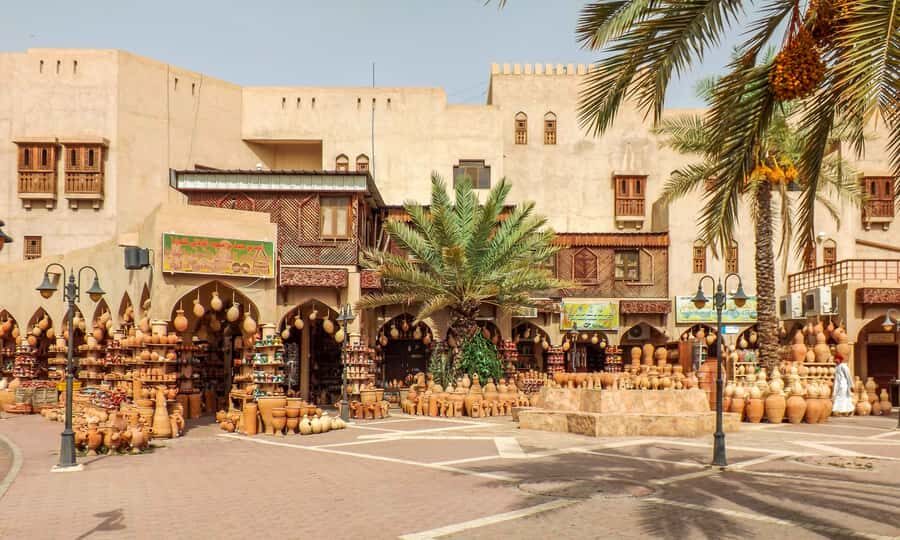
This is the kind of day tour that makes sense even if it’s your first time in Oman. You’re not just driving to one landmark; you’re moving through three different historic layers—Nizwa’s political and market life, Jabrin’s indoor artistic world, and Bahla’s older fort-town identity.
What I like most is the pacing. You get enough time to actually look up, walk around, and take photos without feeling like you’re sprinting. And with a private setup for a small group, the guide can adjust explanations based on what you care about—architecture, daily life, or the bigger story of how communities organized themselves.
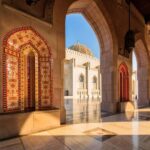
You’ll also catch a view of the Sultan Qaboos Mosque at some point during the day, which is a nice contrast to the older forts: modern Oman showing its face alongside the past.
A few more Muscat tours and experiences worth a look


From Muscat into the Hajar Mountains: road time that isn’t wasted
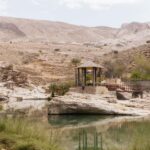
The drive is part of the charm. As you head inland, you get that classic sense of Oman’s geography—mountains close enough to feel dramatic, roads that keep you awake with changing scenery, and stops that help break up the day.
If your schedule allows it, your guide may include quick viewpoint moments and photo pauses. I found those little breaks helpful, because once you hit the forts, your legs do the real work and you’ll want a bit of a breather beforehand.
One bonus detail from past tours: the route can feature glimpses of Oman’s irrigation systems—falaj channels—and sometimes roadside scenes of older mud-built settlements. Even if it’s only a short stop, it gives context for how towns survived in a dry climate.
Entering Nizwa Fort: the cannon tower and the walls you feel
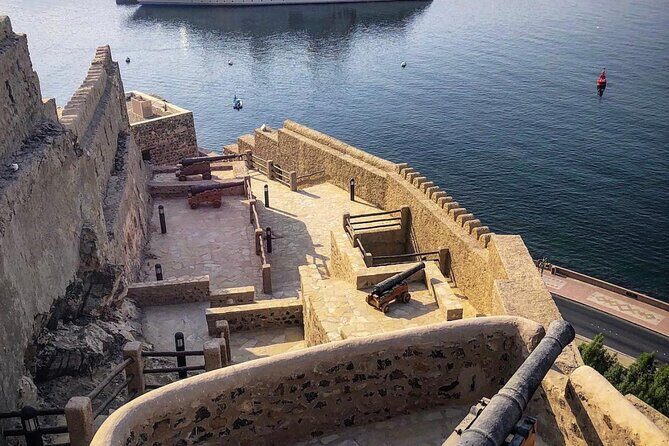
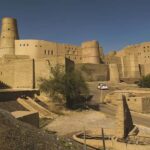
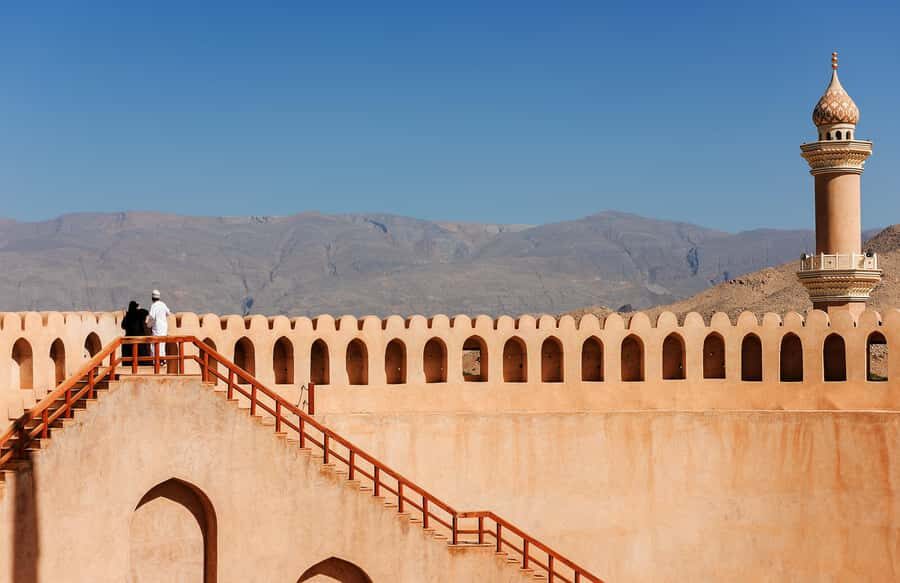
Nizwa Fort is the main event at the first stop, and it’s built to impress. You’ll spend about 20 minutes at the fort, which is not long, but it’s enough to focus on the standout features if you move with purpose.
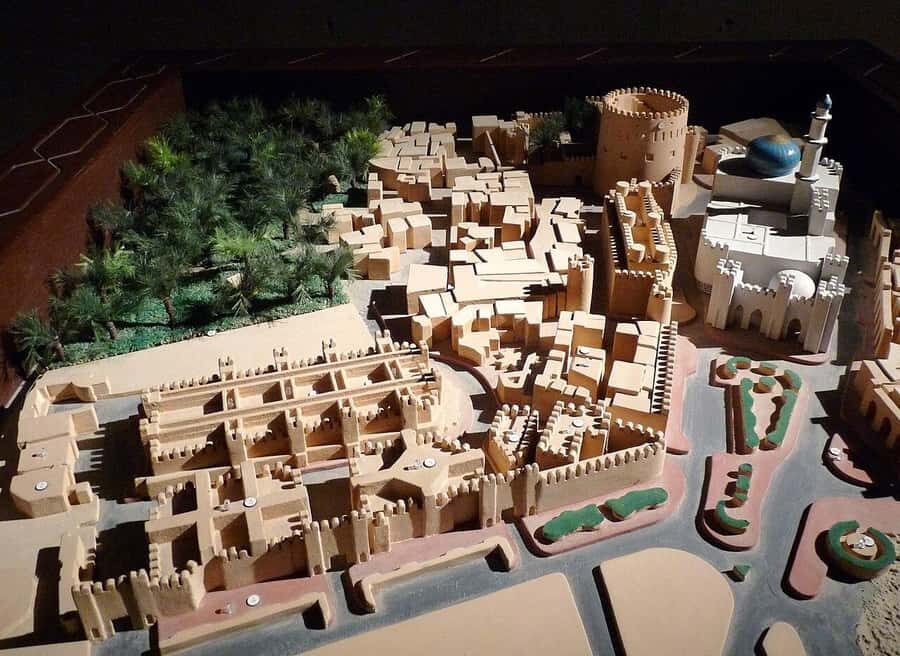
Start by looking at the Circular Cannon Tower. It’s the kind of structure that makes you stop and tilt your head automatically. The fort’s walls and shape tell you this wasn’t an afterthought—someone planned for defense, movement, and control of the surrounding area.
Inside, the main value is seeing how fort design supports daily movement—entry points, circulation, and vantage. Even if you don’t consider yourself an architecture person, you’ll still feel the logic of a place made to hold power in a landscape where visibility matters.
Practical tip at Nizwa
Plan for uneven ground and lots of stairs. If you’re traveling with anyone who gets tired easily, this is where the day can feel harder than it sounds on paper. Wear shoes with solid grip, not slippery sandals.
Nizwa Souq: a 20-minute dose of real market life
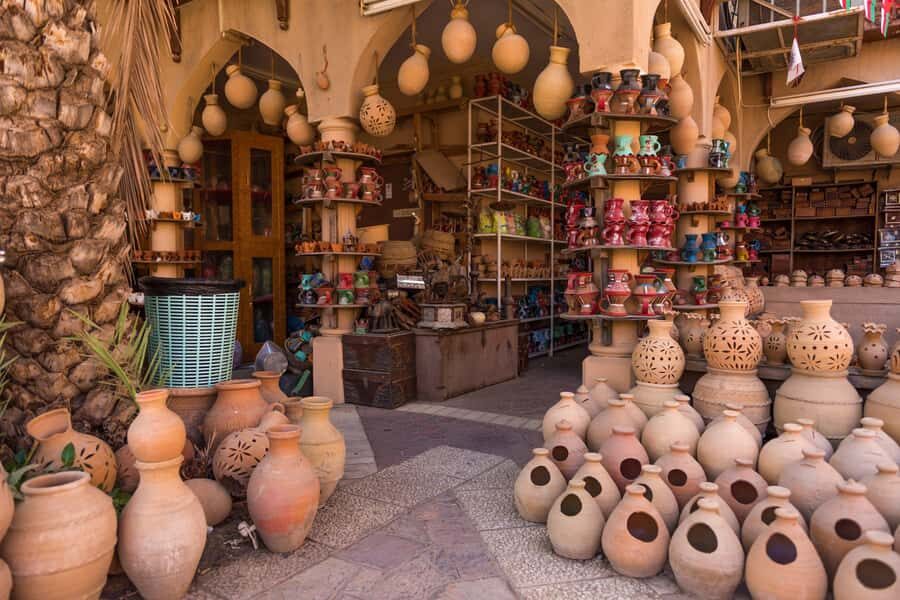
After the fort, you’ll head to the Nizwa Souq for about 20 minutes. This time is short, so think of it as orientation plus browsing—not a deep shopping mission.
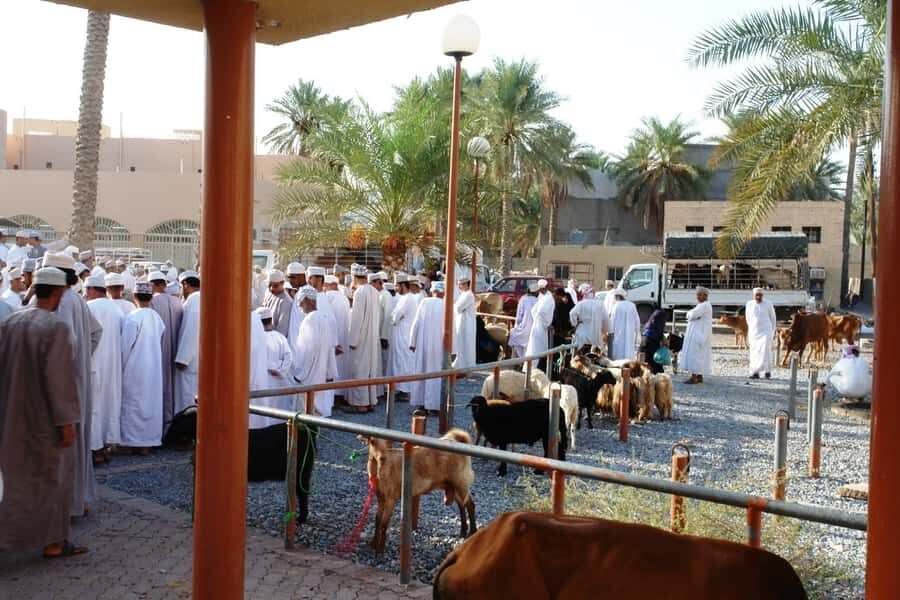
This is where Nizwa feels like a living town. You’ll likely see the kinds of goods you expect in Oman’s market culture, but the best part is the atmosphere: stalls, people moving with purpose, and vendors who understand the difference between a quick look and real conversation.
If you want to browse, keep your pace calm. If a shopkeeper slows down to explain, let it happen. Even small talk becomes part of the experience here, especially when you’re in a historic market setting.

Jabrin Castle: plasterwork, carved doors, and painted beams
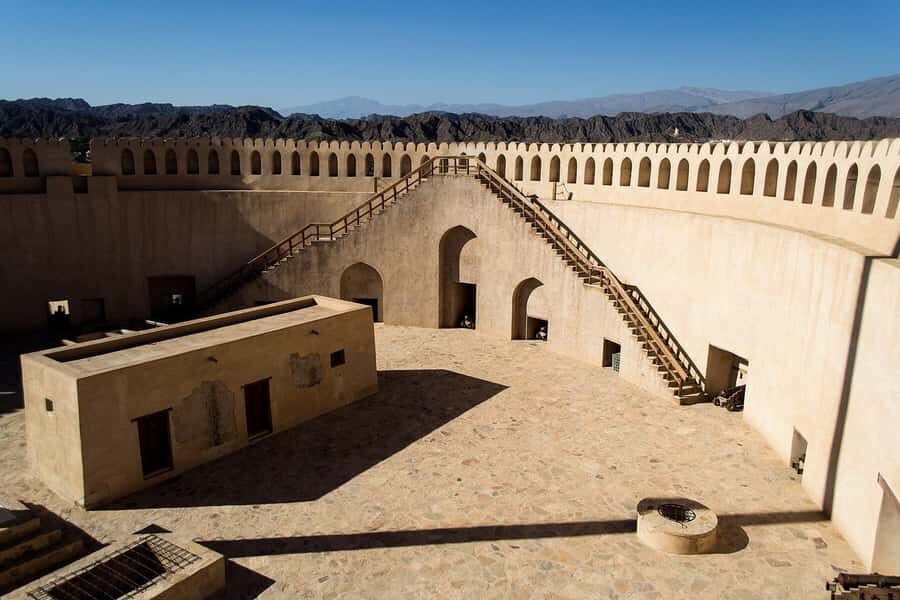
Then you shift from open-fort views to a more refined world: Jabrin Castle (also spelled Jibreen on some schedules). You’ll get a guided tour for about 20 minutes, and that guide time is what makes the castle worth it.
The reason people love this place is visual craft. You’re looking at magnificent plasterwork, carved doors, and painted wooden ceiling beams—details that can seem decorative at first glance, until you realize they’re part of a social and artistic system.
What’s useful here is having someone point things out. The castle is full of surfaces, and with guidance you learn what to notice: where ornament shows wealth, where design supports comfort and light, and how style reflects the period when it was built.
Quick reality check
This stop is still time-limited, so bring your focus. I recommend you pick one or two detail themes before you go—doors and ceilings are a great pair—and then let everything else be bonus.
Bahla Fort plus a pottery workshop: the older town feeling
Next comes Bahla, one of Oman’s older small towns, and it adds a different texture to the day. You’ll have a photo stop at Bahla Fort for around 20 minutes, then a visit to a potter’s workshop for about 15 minutes.
The fort itself has a different vibe than Nizwa’s. Bahla’s monumental presence reads like a long-standing center that people built around for generations. If the fort is open, you’ll get a chance to see the restoration impact, which changes the experience from looking at ruins to seeing a working heritage site.
The workshop is where Bahla turns from sightseeing into something you can feel. Pottery is practical craft, and the best part is that it’s tied to daily life rather than only ceremonial display. Even a short workshop visit gives you a sense of skill, tools, and the human side of heritage.
Who will love the workshop
If you enjoy handicrafts, design, or you like watching processes rather than just monuments, this is the part of the day that tends to stick in memory.
Timing and the 8-hour reality: what you actually get
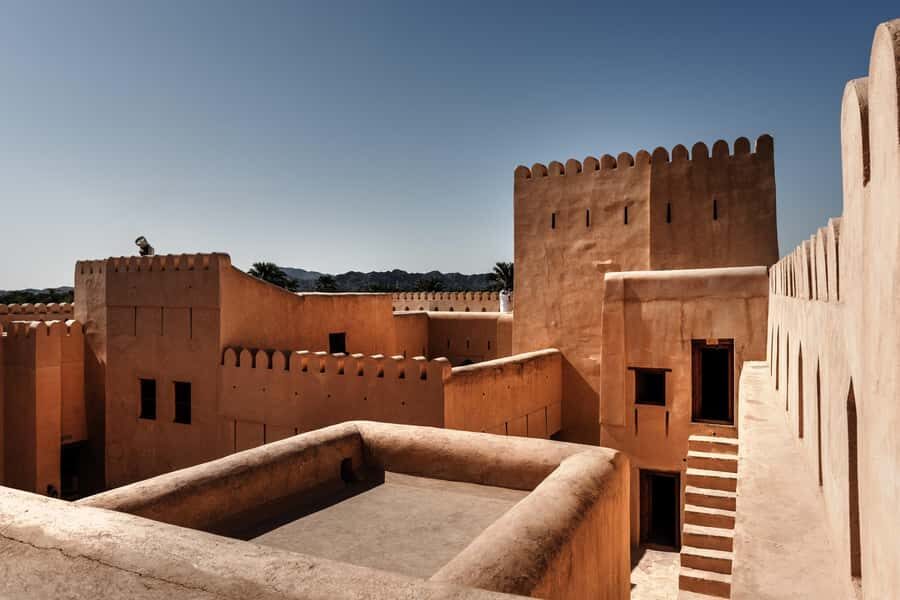
The tour runs about 8 hours total, starting with hotel pickup in Muscat and ending back in Muscat. You’ll spend time at major sites, but the experience is really about rhythm: drive time, fort walking time, souq time, castle detail time, then a workshop finish.
A small-group setup (limited to 4 participants) matters more than it sounds. It keeps the day flexible enough for your guide to slow down when you’re looking closely, and it makes questions easier to answer without feeling like you’re interrupting a big bus schedule.
Also keep in mind that travel duration can shift with traffic and pick-up timing. Hotel pickup time on the page is an approximation, so it pays to reconfirm your exact pickup time and provide your full hotel name and room number.
What to wear, bring, and photograph (without awkward moments)
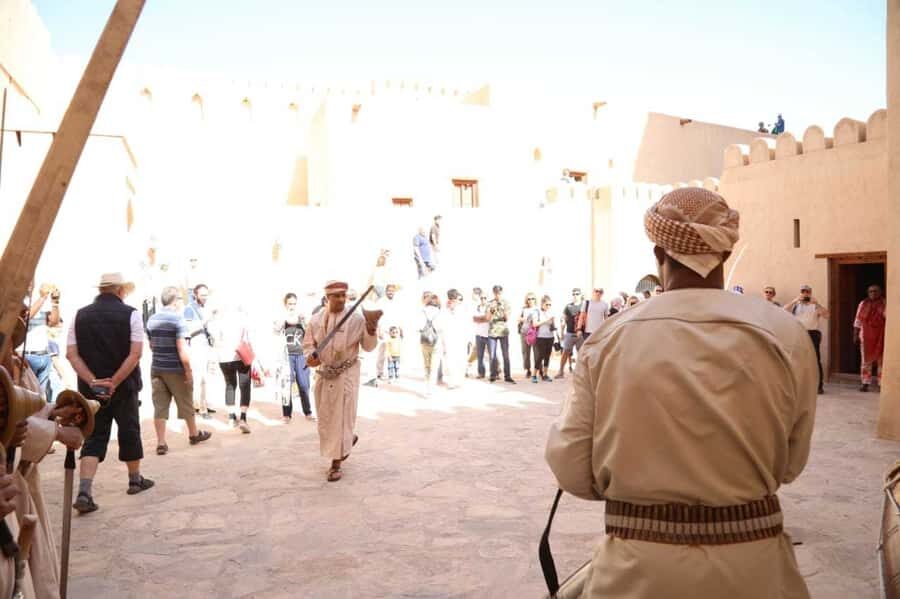
This tour is in Oman’s sun, and it’s also conservative by local standards. For what to wear, use the simple rule: cover shoulders and knees in public, especially in souks and villages.
Bring sunscreen. If you’re sensitive to glare, good sunglasses help, and a hat can be a real quality-of-life upgrade when the day is bright.
You also need to think about footing. Because you’ll walk on rough, inclined ground with steps at the forts, it’s not a good day for flip-flops.
Photography rules to keep you respectful
Normal tourist photos are acceptable, but there are boundaries:
- Photographing Arab women is considered offensive. Ask permission before photographing men.
- Don’t photograph government buildings, police, or military installations.
If you follow that, you’ll avoid the awkwardness that can ruin a good photo moment.
Luggage note
Large bags aren’t allowed, so travel light. A small day bag is typically the smart move.
Comfort and accessibility: who this works for
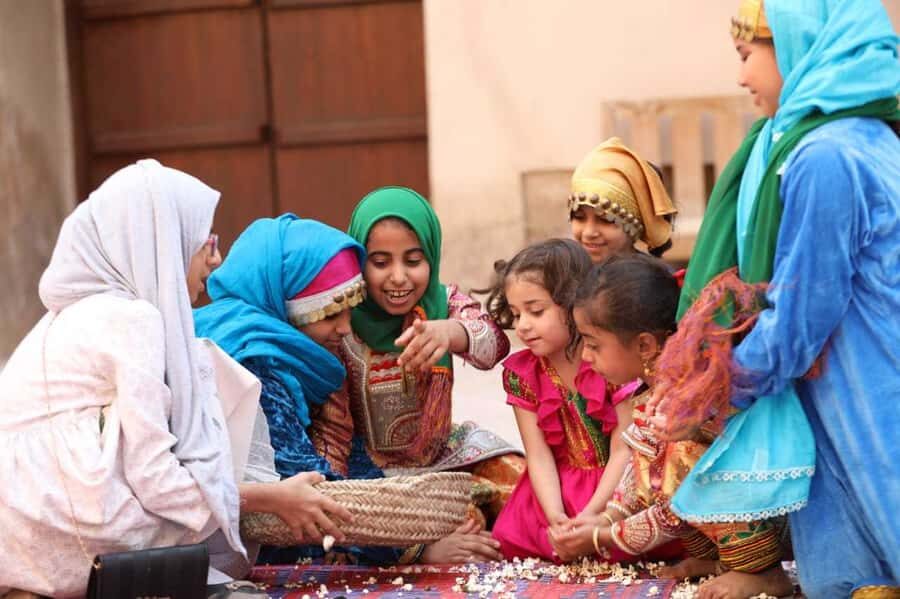
This tour is best for people who can walk on uneven, step-heavy ground. Nizwa Fort and Jabrin Fort both involve stairs and incline, and the day isn’t set up for wheelchairs.
If you have an injury, balance issues, or anything that makes stair walking hard, this is where you should be honest with yourself. It’s not that you can’t see anything—it’s that the forts demand more physical effort than a flat city walk.
Pregnancy is also mentioned as a concern due to the steps and rough terrain.
Price and value: does $251 per person add up?
At $251 per person for an ~8-hour day tour, the value comes from three things working together:
- Private tour with a professional English-speaking guide for a full day, not just a short museum stop.
- Multiple major heritage sites packed into one route: Nizwa Fort, Nizwa Souq, Jabrin Castle, and Bahla Fort plus a pottery workshop.
- Small group size (max 4), which often feels closer to a personalized day than a crowded excursion.
You should also factor what isn’t included: meals and drinks. That doesn’t make the price bad, but it does mean you’ll want to manage food timing yourself. If you hate thinking about meals on tours, plan ahead so you’re not stuck paying premium prices later or cutting your time inside the forts short.
If you’re comparing this to separate taxi + guide time, the guided route usually wins. You’re paying for logistics, route knowledge, and—most importantly—someone to explain what you’re looking at.
Should you book this Oman forts tour or skip it?
Book it if you want a focused cultural day where the time inside Nizwa Fort and Jabrin Castle actually counts. This is a strong choice for first-timers who want both architecture and everyday context, and for people who enjoy crafts enough to stop at a pottery workshop.
Skip it if walking stairs and rough ground would make the day unpleasant. This route is also less ideal if you’re hoping for lots of free time to wander on your own—your stops are structured and timeboxed.
If you’re flexible and you like clear guiding (the kind delivered by people like Mohammed, Rasheed, or Rachid), you’ll get a lot out of the day with minimal stress.
FAQ
How long is the tour from Muscat?
The full tour is about 8 hours, and the exact duration can vary depending on the time of day and traffic.
What is included in the tour price?
It includes hotel pickup and drop-off, a private 8-hour tour with a professional English-speaking guide, visits to Nizwa Souq and Nizwa Fort, a guided tour at Jabrin Castle, and a photo stop at Bahla with a pottery workshop visit.
Is lunch or drinks included?
No. Meals and drinks are not included.
How big is the group and what language is the guide?
The group is small, limited to 4 participants, and the guide speaks English.
Is this tour suitable for wheelchair users?
No. It is unsuitable for wheelchair users because the forts involve walking on rough, inclined ground with many steps.
What should I bring and what are the photography rules?
Bring sunscreen, and dress to cover shoulders and knees in public. For photography, photographing Arab women is considered offensive, and it’s courteous to ask permission before photographing men. Don’t photograph government buildings, police, or military installations.