REVIEW · MUSCAT
5-Days Private Oman Tour – Mountains, Deserts & Coastline
Book on Viator →Operated by Oman sharing tours · Bookable on Viator
Oman can hit you fast with beauty. This private 5-day route strings together Muscat, wadis, desert dunes, and canyon views with time to breathe between stops. It’s built for comfort, not rushing.
I love how the day-to-day pacing mixes iconic sights with real nature moments. I also like that the tour includes a dedicated English-speaking guide and 4WD air-conditioned transport, so you’re not playing taxi roulette across long distances.
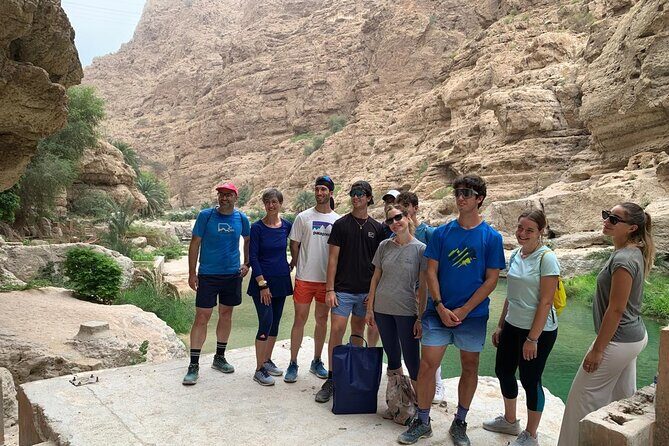
One consideration: some segments are active. Wadi Shab involves a canyon hike and swimming in pools, so you’ll want a moderate fitness level and proper footwear.
In This Review
- Key highlights you’ll feel on the ground
- Why this private 5-day Oman route is such a smart mix
- Day 1 in Muscat: mosque grandeur, opera culture, Mutrah Souq, and fort photo stops
- Day 2: Bimmah Sinkhole and the best kind of tired from Wadi Shab swimming
- Day 3: Sur dhow-building, Wadi Bani Khalid swims, and Wahiba Sands at camp pace
- Day 4: Jebel Akhdar’s green mountain views, Birkat Al Mouz ruins, and the UNESCO aflaj system
- Day 5: Nizwa fort and souq silver, Al Hamra old houses, and Jebel Shams canyon power
- Price and what makes this feel like value, not just a sightseeing bundle
- What to pack and how to handle the walking (so the trip stays fun)
- Who this tour suits best, and who should consider a different pace
- Should you book this private 5-day Oman tour?
- FAQ
- How long is the tour?
- Is this tour private?
- Where does the tour start and end?
- What meals are included?
- What accommodation is included?
- Are entrance fees included?
- Are there any optional activities that cost extra?
- Is there swimming and hiking?
- What if weather is poor or I need to cancel?
Key highlights you’ll feel on the ground
- Sultan Qaboos Grand Mosque: a once-in-a-lifetime carpet story, plus big-city Muscat energy
- Wadi Shab: pool-to-pool swimming and a cave crevice with waterfall light
- Wahiba Sands night under stars: sunset on a dune, dinner at camp, optional 4×4 and camel time
- Sur and traditional dhow building: see wooden dhows made the old way
- Aflaj irrigation system: UNESCO water engineering that still matters today
- Jebel Shams canyon viewpoints: the kind of altitude you remember
Why this private 5-day Oman route is such a smart mix
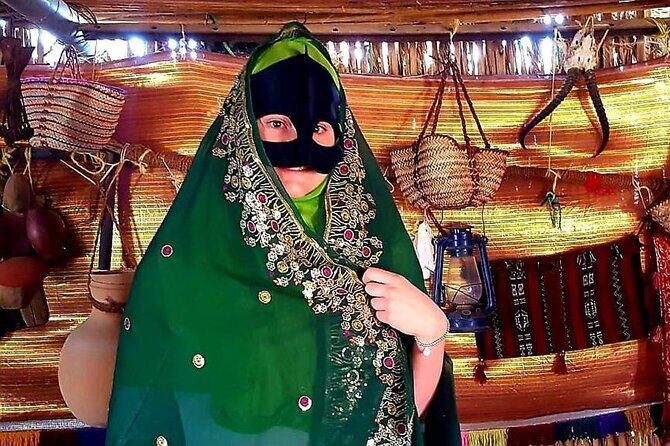
This itinerary works because Oman is three different worlds in one country. You start with Muscat’s architecture and souqs, then swap city pavement for wadis and desert, and finish with mountain views that feel almost unreal.
You’ll also appreciate the private format. You’re not stuck waiting on strangers or losing hours to unclear logistics. If you end up with a guide like Amer, Saeed, Waleed, Ahmed, Khalil, or Ali (names that show up repeatedly in operator feedback), the common thread is calm, attentive guiding and safe driving.
The best part is how the stops connect thematically. Each day has a main mood: city culture, wild water, desert night, green mountains, then canyon-and-fort history.
You can also read our reviews of more private tours in Muscat

Day 1 in Muscat: mosque grandeur, opera culture, Mutrah Souq, and fort photo stops
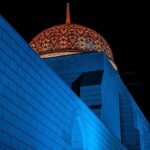
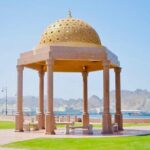
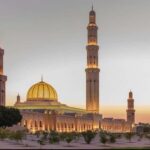
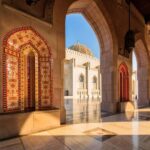
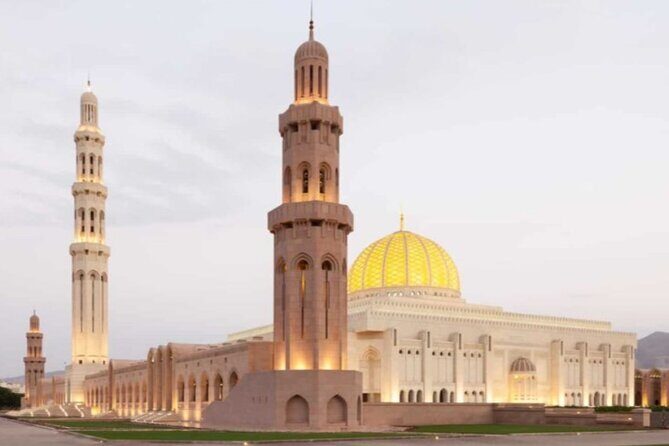
You start in Muscat with the Sultan Qaboos Grand Mosque, where the scale is the first shock. The mosque’s famous one-piece handmade carpet is the star fact: it’s said to weigh 21 tons and can accommodate up to 20,000 worshippers. Even if you’re not a worshipper, it’s a wow moment that helps you understand Oman’s taste for craftsmanship and scale.
Next comes the Royal Opera House. It’s included, and the point here is less about opera tickets and more about experiencing Oman’s cultural ambition in modern form.
Then you shift to something lighter: Qurum Beach for photos and a food break with Omani bread, honey, and karak tea. It’s a small pause, but it’s the kind of “local taste” stop that makes the city day feel personal rather than checklist-based.
After that, walk the lanes of Mutrah Souq, one of Oman’s older markets, said to date back about 200 years. This is where you browse for souvenirs without it feeling like a forced shopping stop—spices, crafts, silver pieces, and the general hum of the place.
You finish Day 1 with short stops around royal and military landmarks: Al Alam Palace (quick viewing) and the Portuguese Al Jalali and Al Mirani forts as photo stops. Even without a long walk through every stone, you get the right “Muscat by the sea” framing.
Practical note: the fort time is brief. Go for photos and angles, not museum-level plans.
Day 2: Bimmah Sinkhole and the best kind of tired from Wadi Shab swimming
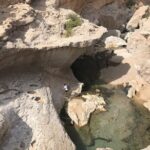
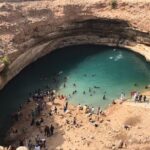
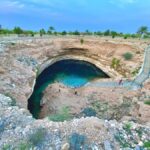
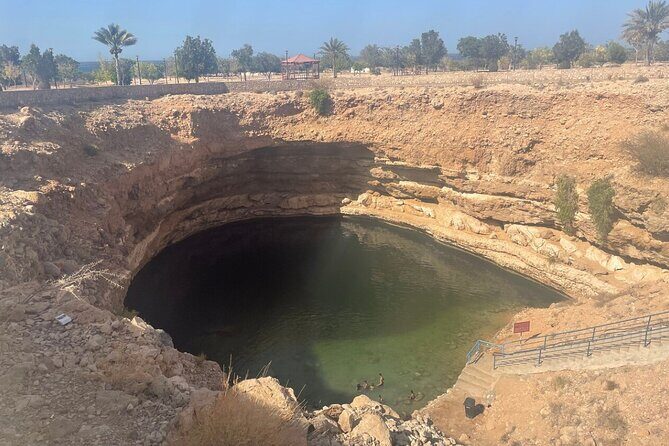
Day 2 starts with Bimmah Sinkhole, a crater near the sea with a small lake at the bottom. The story given is that it was formed by meteor impact. Whether or not you get lost in the science, the place has a “remote but real” feeling, because you can see the sea nearby and feel how water shapes this coast.
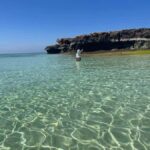
Then you head to Fins Beach, known for its white, pebbly look and striking blue tones. This is one of those stops where you’ll take photos, yes, but you’ll also want a few calm minutes just to look. The contrast between the bright sand and water color can be dramatic, especially in good daylight.
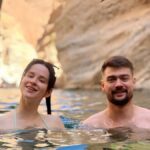
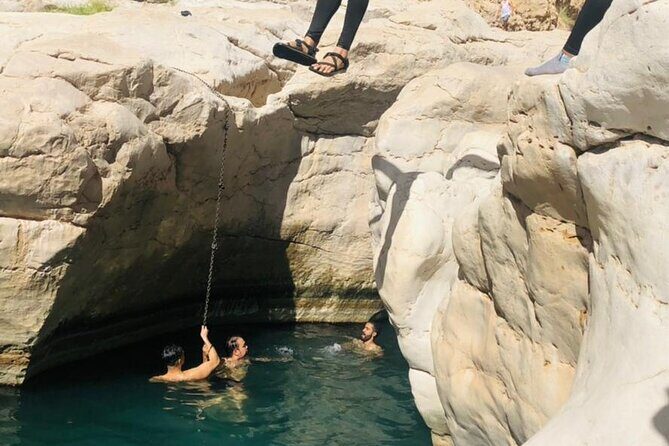
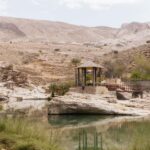
The big event is Wadi Shab. You’ll spend a long block of time here (about 5 hours), including a roughly 35-minute hike up through the canyon-lined route with palms. What makes Wadi Shab special is the sequence of pools and the swim-through feel—warm water, natural channels, and then a last pool where a rock opening leads into a crevice cave.
Inside, you get that special lighting effect: sunlight filters through the opening and turns the water a clear turquoise tone, with a small waterfall showering down from above. This is the sort of place where your day either becomes the highlight or a tough sell—so be honest with your own comfort level with uneven paths and getting wet.
You then add a short Wadi Tiwi photo stop for a greener feel, named after Tiwi village near the coast. It’s shorter, but it helps break up the day after Wadi Shab.
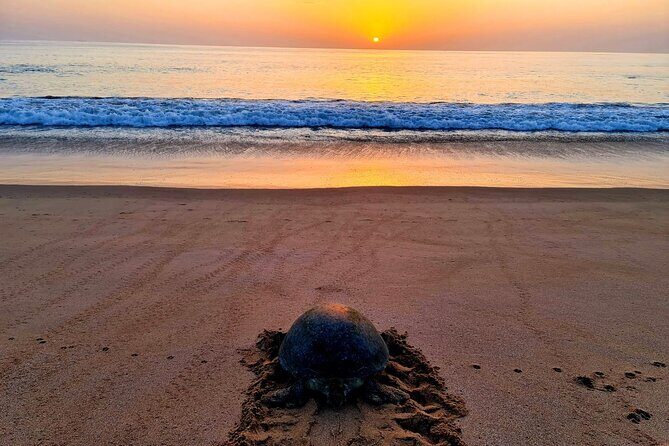
That evening, you overnight near Ras al Hadd / Turtle Beach Resort area. Turtle watching is optional, and if you choose it you pay directly (12 OMR per person). If you’re not in the mood, you’ll still get a restful night by the coast.
Day 3: Sur dhow-building, Wadi Bani Khalid swims, and Wahiba Sands at camp pace
After breakfast, you drive to Sur, and the day starts with the old-fort feel of the town. Sur matters here because it reminds you Oman isn’t only desert and mosque domes. It’s also coastal craftsmanship.
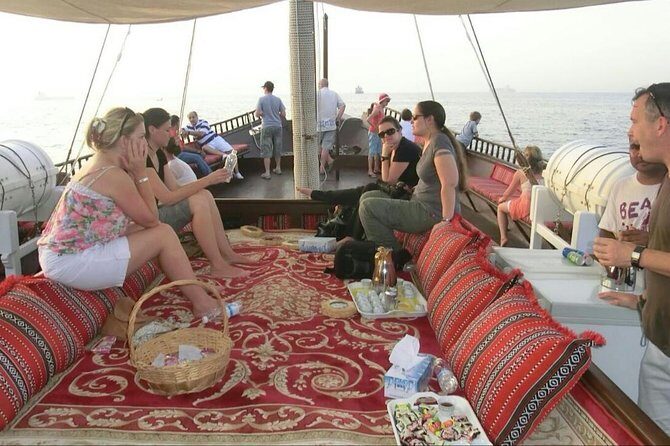
Then you visit the Arabian Dhow Factory, where you can see traditional wooden dhows being built. This is a hands-on kind of stop, even if you don’t speak the same language. You’ll likely get why these boats matter: the skill is visible, and the workshop context makes it more real than a photo in a book.
Next is a quick stop connected to wildlife on a farm: Omani Ghazal Farm in Al Kamel (Asilel Farm). It’s short (about 30 minutes), but it adds variety—especially if you want the trip to go beyond “just scenery.”
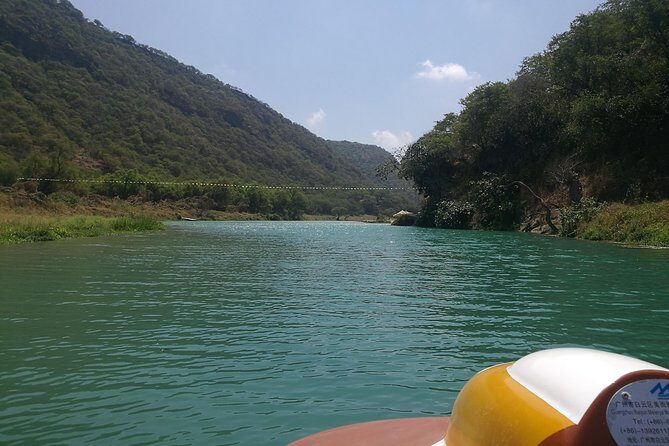
From Sur you head to Wadi Bani Khalid, one of Oman’s bigger and most scenic wadis. Here the vibe is more relax-and-swim than hike-and-disappear. You’ll have time (about 3 hours) to sunbathe, relax, and picnic with the canyon scenery around you, with swimming as an option.
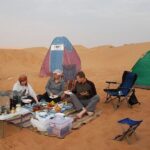
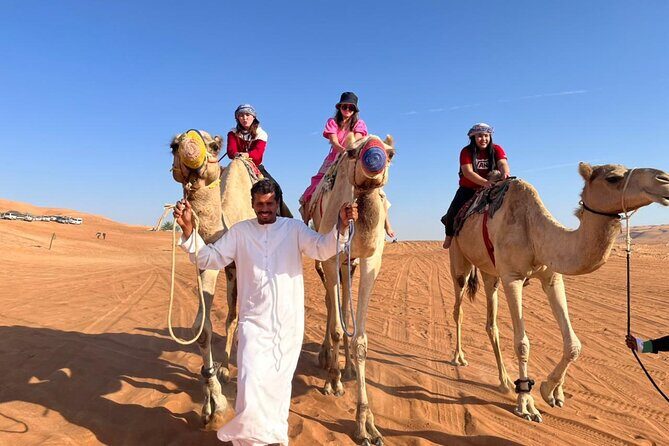
Late afternoon sends you into the dunes: Wahiba Sands. This is where you trade comfort for sand adventure in the best way. At the camp you can relax or take part in an adventurous 4×4 drive in the dunes, then you watch sunset from a big sand dune. Dinner is included, and there’s campfire time afterward.
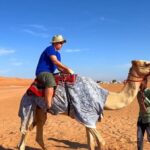
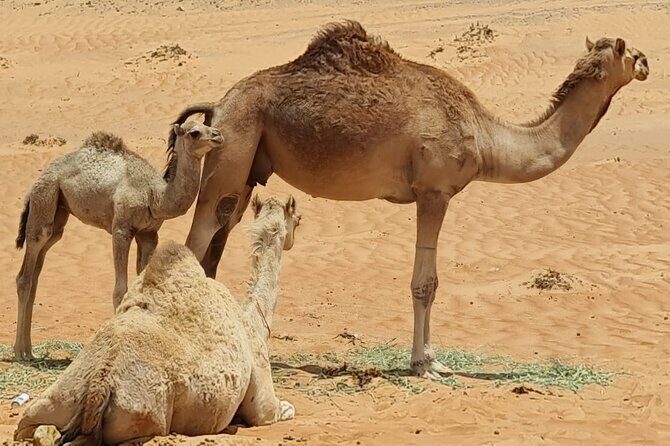
Two optional add-ons are common: camel rides cost extra (3 OMR per person, paid directly). If you’re curious, it’s a classic choice. If you’re more about the landscape, stick with sand, sunset, and the night sky.
Heat tip: early evenings can still feel warm in spring. Bring a layer for after sunset, when temperatures can drop.
Day 4: Jebel Akhdar’s green mountain views, Birkat Al Mouz ruins, and the UNESCO aflaj system
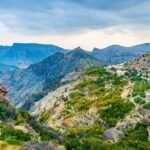
Day 4 is a mountain day, and it feels different fast. You start at Jebel Akhdar, also called the Green Mountain. The key detail is altitude and plateau: it rises to about 2,980 meters and includes the Saiq Plateau at around 2,000 meters above sea level. Even a short stop here can make the air feel cleaner and the views more open.
Then you drive toward Birkat Al Mouz, a village built into a mountain face. You get a stop for ruins and old village views, including a bit of time to take photos and look at how people shaped life around the terrain.
Lunch is not included, but after lunch you continue around the area and visit the Aflaj Irrigation Systems of Oman. This UNESCO World Heritage site shows water management added to the list in 2006. The value of this stop isn’t just that it’s UNESCO. It’s that you can connect the idea of water, farming, and community to what you’ve been seeing in the wadis all week.
It also helps you understand a theme Oman keeps repeating: water is power, and the country plans around it.

Day 5: Nizwa fort and souq silver, Al Hamra old houses, and Jebel Shams canyon power
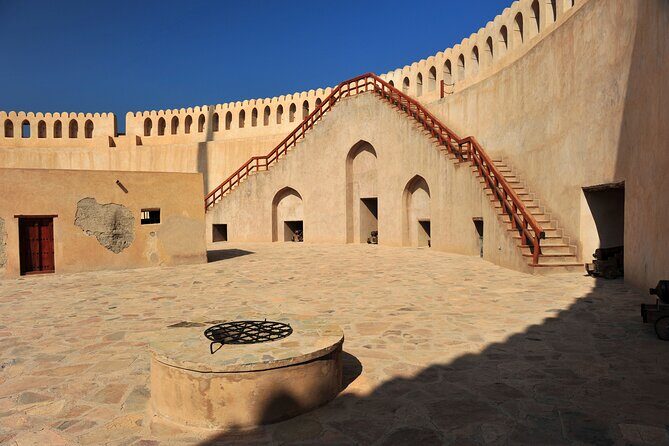
You begin Day 5 with Nizwa Fort, the former capital’s main landmark. The fort is included and acts like a museum, with viewpoints over Nizwa and the surrounding mountains. This is the day when the trip stops feeling purely scenic and starts feeling like you’re reading Oman with your eyes.
Next is Nizwa Souq, a classic place for browsing and buying. You can look for Omani silver craft and other handmade items. The souq layout matters too: parts are dedicated to fruit and vegetables, meat, and fish, organized behind a crenellated city wall overlooking the wadi. It’s a smart, functional design that makes the market feel like a real local machine, not only a tourist stage.
Then you head to Al Hamra Old Village and the Misfah Al Abryeen area for old preserved houses. You’re looking at the kind of architecture that evolved for mountain life, and the stop gives you a different Oman texture than beach or dune days.
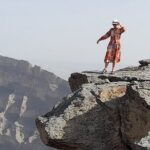
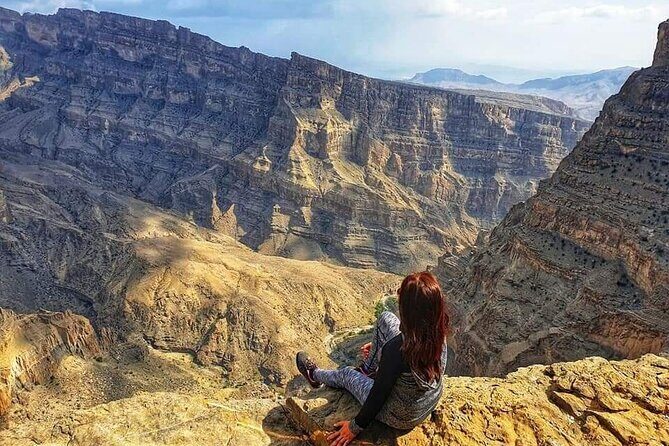
Finally comes Jebel Shams, often described as the Grand Canyon of Oman. The height figure provided is about 3,009 meters. The time block is around 4 hours, and the point is viewpoints and the scale of the canyon wall.
When the day ends, you return back to Muscat. This is a full loop route, and it closes the circle nicely: coastal Muscat to wadis and dunes to mountains and back.
Price and what makes this feel like value, not just a sightseeing bundle
At $1,591 per person for about 5 days and 4 nights, you’re paying for a private, door-to-door structure with the heavy logistics handled.
Here’s what you’re effectively getting for your money:
- An English-speaking Omani tour guide
- Private air-conditioned transportation in a 4WD vehicle
- Pickup and drop-off anywhere in the Muscat area
- Accommodation (room types vary by group size)
- Entrance fees applicable to the program
- Water during the tour
- Breakfasts (4) and dinners (3), plus included dinner support during the desert camp period
Then come the parts you should plan around: lunch is not included, and personal expenses aren’t included. Also, a couple of optional activities cost extra on the spot, like turtle watching and camel rides.
Is it expensive compared to budget travel? Yes. But private Oman driving plus guided wadi hikes plus multiple entrances plus paid meals adds up fast if you try to DIY it. For many people, the best value is that you don’t spend your energy coordinating the gaps.
What to pack and how to handle the walking (so the trip stays fun)
You’ll want to prepare for wet spots and uneven ground.
For Wadi Shab and Wadi Bani Khalid:
- Wear footwear that can handle getting wet and gripping uneven canyon paths
- Pack swimwear if you plan to swim
- Bring a light quick-dry layer for later, especially after long canyon time
For desert:
- Bring a layer for evening at the camp
- Sunscreen and a hat matter, since you’ll be out during daylight transitions
- Expect sand in everything. That’s normal. Plan for it
For city days:
- Comfortable shoes for souq walking
- Modest clothing helps for mosque visits, even when stops aren’t long
And if you’re traveling with kids or multi-generational groups, pick your pace. This is private, so a good guide can adjust breaks and timing as long as you’re clear about what feels comfortable.
Who this tour suits best, and who should consider a different pace
This tour is a strong fit if you want:
- A private structure with less decision fatigue
- Nature moments with real activity, especially wadis
- A balanced sequence: Muscat culture, desert night, mountain canyon views
- Included breakfasts and dinners, so you’re not hunting food every day
It may not be ideal if you prefer:
- Only light sightseeing with no swimming
- Very slow days with minimal hiking
Because the trip includes an active canyon hike and swim options, you should judge your comfort level honestly. The route also works well when you want safe, guided driving through long distances rather than switching between multiple rental plans.
Should you book this private 5-day Oman tour?
If you want Oman in one clean loop—city landmarks, canyon swims, desert camp night, and mountain canyon views—this tour makes a lot of sense. I especially like that you get the practical stuff covered: guide, private vehicle, entrance fees, water, and major meals.
Book it if Wadi Shab and the desert camp sound like your kind of travel. Also book it if you’re trying to visit Oman without building a complex self-drive plan.
Skip or adjust it if you’re not comfortable with canyon walking or getting into the water. In that case, you might still love Oman, but you’ll probably want a version with less hike and fewer swim-heavy segments.
FAQ
How long is the tour?
The tour runs for about 5 days (4 nights).
Is this tour private?
Yes. It’s a private experience, and only your group participates.
Where does the tour start and end?
It starts in Muscat and ends back at the meeting point in the Muscat area.
What meals are included?
Breakfast is included for 4 mornings, and dinner is included for 3 evenings. Lunch is not included.
What accommodation is included?
Accommodation is included with different room options depending on the group size (single room for 1 person, double or twin for 2, and other configurations for larger groups).
Are entrance fees included?
Yes, all entrance fees applicable are included in the package.
Are there any optional activities that cost extra?
Yes. Turtle watching is optional at the Turtle Beach Resort area (12 OMR per person), and camel rides in the desert cost extra (3 OMR per person, paid directly).
Is there swimming and hiking?
Yes. Wadi Shab includes about a 35-minute hike and pool-to-pool swimming, with a cave crevice swim option. Wadi Bani Khalid also has swimming and relaxation time.
What if weather is poor or I need to cancel?
The experience requires good weather. If it’s canceled due to poor weather, you’ll be offered a different date or a full refund. You can cancel up to 3 days in advance for a full refund; canceling later than that isn’t refunded.