REVIEW · MUSCAT
4-Days Private Jamila Sightseeing Tour
Book on Viator →Operated by Sunshine Tours Oman · Bookable on Viator
Wadi Shab turns a road trip into swim time. This 4-day private circuit around Muscat strings together wadis, forts, desert dunes, and turtle watching, with the comfort of pickup and drop-off and a guide doing the navigation.
I especially like the mix of active stops and easy breaks, like the hike up in Wadi Shab that ends at clear pools and a cave-like swim. I also like that three nights of accommodation and key entry fees are built in, so you spend less time figuring out logistics. The only real drawback is the schedule is full and physical in spots, and lunch isn’t included, so you’ll want snacks and swim-ready clothes.
In This Review
- Key things I’d bet on before you book
- A private 4WD Muscat-area circuit: what the $1,400 price buys
- Day 1: Bimmah Sinkhole quick shots, then Wadi Shab’s pool-to-pool swim
- Day 1: Ras al Jinz turtle watching and how to think about it
- Day 2: Sur shipyards, a ghazal farm stop, and Wadi Bani Khalid’s emerald pools
- Wahiba Sands desert camp: sunset, dinner, sunrise, and optional dune driving
- Day 3: Zukait Tombs, Jebel Akhdar, Aflaj irrigation, and Birkat Al Mouz
- Day 4: Nizwa Fort, Nizwa Souq, Al Hamra ruins, Misfat al Abriyyin, and Jebel Shams
- How to match this tour to your travel style (and pack for it)
- Should you book this 4-day Jamila sightseeing tour?
- FAQ
- What time does the tour start?
- Is pickup and drop-off included?
- How many nights of accommodation are included?
- Are meals included?
- What entrance fees are included?
- Is this a private tour?
Key things I’d bet on before you book
- Private 4WD routing across Muscat-area highlights, with hotel/port/airport pickup in the Muscat area
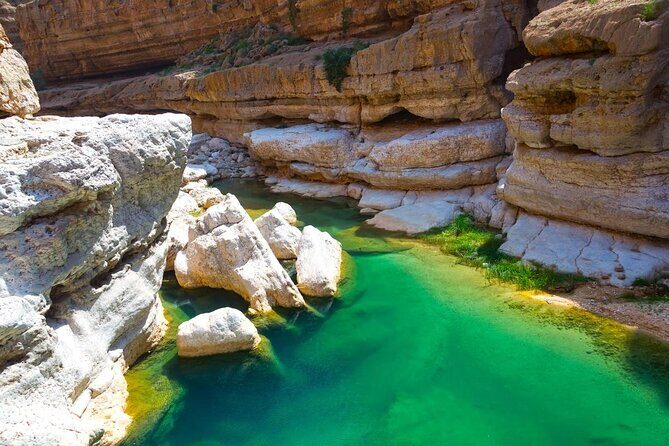
- Wadi Shab boat and entry included, plus a practical hike to multiple swimming pools
- Wahiba Sands camp time with dinner, campfire, sunset, and a sunrise start
- Turtle watching entry included at Ras al Jinz / Ras al Hadd area
- Three nights of accommodation included, which makes the long drives feel less painful
- Guides named Ahmed, Said, Hamood, and Mohammed have been praised for being friendly and keeping the ride entertaining
A private 4WD Muscat-area circuit: what the $1,400 price buys
At $1,400 per person, this is not a budget day trip. But it’s priced like a serious, private “see a lot without suffering” package. You get a 4WD vehicle, an English-speaking Omani tour guide, bottled water, and pickup and drop-off from the hotel/port/airport (within the Muscat area).
What makes the cost easier to swallow is the amount bundled in:
- 3 nights’ included accommodation
- Breakfast on 3 mornings and dinner on 3 nights
- Multiple attraction entry fees included (including Nizwa Fort and turtle watching)
- A private format, so you’re not waiting around for other groups
If you’re the type who hates wasting vacation time on ticket lines, rental logistics, and figuring out which road turns into which canyon, this format fits well. If you’re traveling at a slow, lazy pace and want long stretches of nothing, the packed days may feel like a lot.
You can also read our reviews of more private tours in Muscat


Day 1: Bimmah Sinkhole quick shots, then Wadi Shab’s pool-to-pool swim
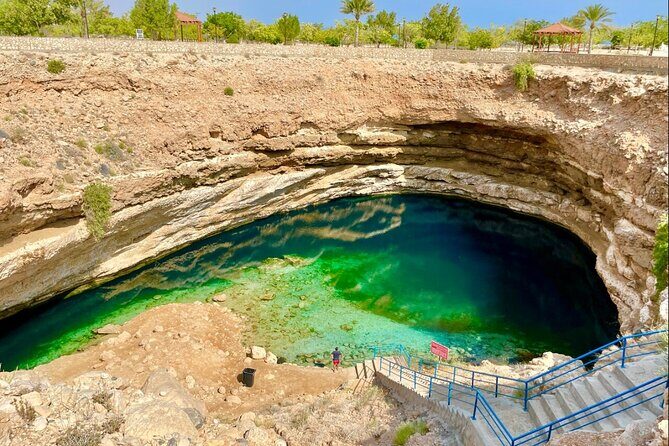
Day 1 is built around one main payoff: the dramatic wadis. You start with a quick pass at Bimmah Sinkhole for photos while you’re on your way out. It’s not a long stop, but it gives you that immediate Oman “wow” feeling—rock, water, and geology doing the talking.
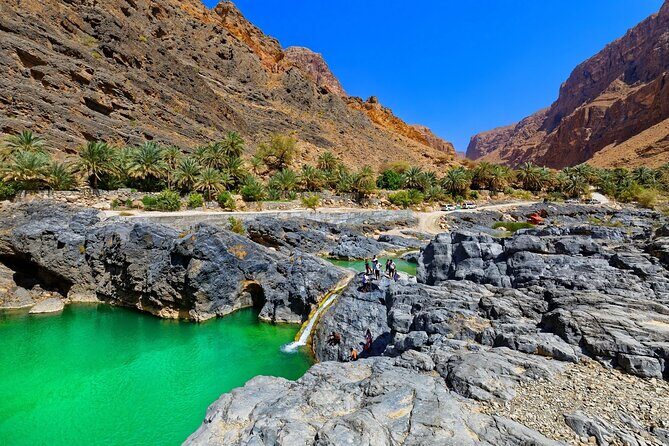
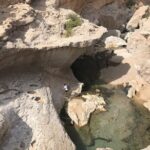
Then comes Wadi Shab, the star of the first act. This stop is more active than a typical sightseeing stop. You’ll do a hike of about 35 minutes up through the canyon to reach swimming pools. The area is lined with palm trees and fed by water coming down from the mountains, which is why the pools are so clear.
Once you reach the first pools, you get the kind of itinerary that’s actually worth waking up early for: you can swim from pool to pool, then push on to the final area where rocks open up into a crevice with filtered sunlight. The water is described as turquoise in the cave-like section, with a small waterfall trickling down from the wadi beyond.
A few practical considerations:
- Wear shoes you can get wet (and that won’t make you regret it on the hike).
- Bring a towel and a dry bag if you have one.
- Expect time to stretch a bit because swimming stops are the point, not an add-on.
You also get Wadi Tiwi as a photo stop, named after the coastal village of Tiwi. It’s shorter—about 45 minutes—and it tends to feel greener than some wadis, which breaks up the scenery nicely.
Day 1: Ras al Jinz turtle watching and how to think about it

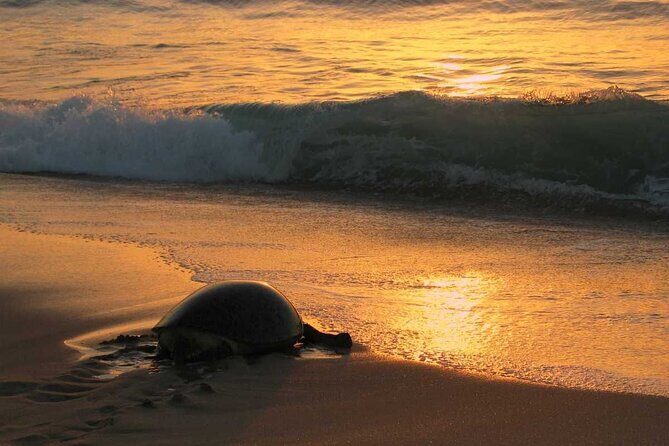
After the wadis, your day shifts toward wildlife. Ras al Jinz Turtle Reserve is included for about 2 hours, and this is where the tour’s nature side shows up.
The key detail here is purpose: the beaches near Ras al Hadd and Ras al Jinz are known as a breeding ground for green sea turtles. The tour includes turtle watching entry, which matters because you’re not trying to piece it all together yourself.
What to keep in mind:
- Wildlife viewing is weather-dependent, and the tour runs with a “good weather” requirement.
- Timing can affect what you see, so arriving with patience helps.
- If you’re sensitive to waiting in the dark or standing still for long stretches, plan accordingly.
It’s a nice way to balance the active canyon day. One day you’re hiking and swimming; the next you’re slowing down and watching nature work on its own schedule.
Day 2: Sur shipyards, a ghazal farm stop, and Wadi Bani Khalid’s emerald pools
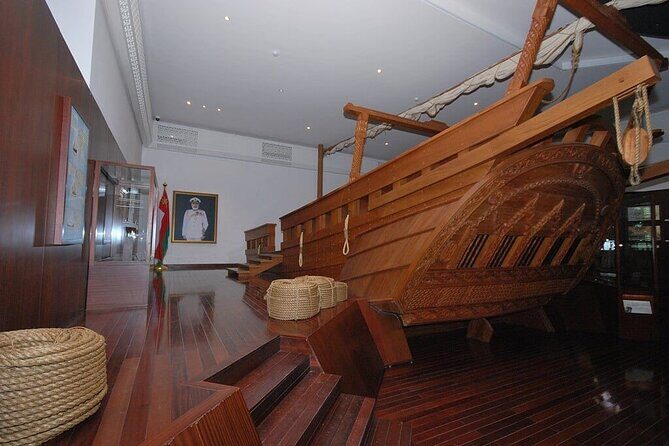
Day 2 keeps moving east. You head to Sur, a port city on Oman’s eastern tip. It’s tied to the maritime past through shipyards that still produce traditional wooden vessels.
In Sur, you stop at the Dhow Factory where you can see traditional wooden dhows being built. This is one of those stops that works even if you’re not a ship enthusiast, because it’s hands-on craft and you can watch the process rather than just look at a model.
Next comes a lighter, more unusual stop: Al Kamil Wal Wafi, tied to seeing an Omani Ghazal Farm in Al Kamel. You’ll get about 30 minutes here, and it’s a break from nonstop scenery.
Then you hit Wadi Bani Khalid, one of the biggest and most famous wadis in the country. This stop is about 2 hours and includes time to swim or relax in canyons and large emerald pools. Even if you’ve already swum on Day 1, this is a good pairing because it changes the vibe from Wadi Shab’s canyon swim to a more open pool experience.
Wahiba Sands desert camp: sunset, dinner, sunrise, and optional dune driving
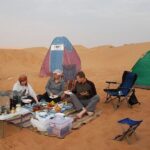
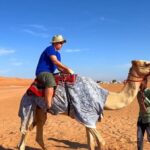
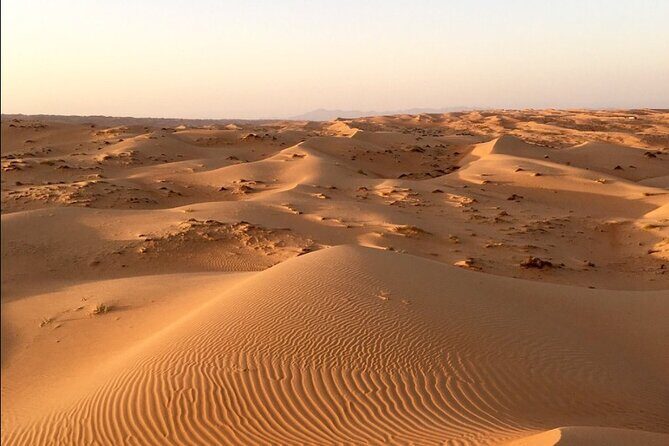
After wadis, you transition into the desert. You’ll continue to your Wahiba Sands desert camp, where you can relax, or join an adventurous 4×4 drive in the sand dunes. The day is set up for classic desert timing: you get time to settle in, then watch the sunset from a big dune, followed by dinner at the camp and a campfire moment.
The camp portion is one of the best “value for money” parts of the trip because it includes more than a transfer. You’re not just being dropped at a viewpoint—you’re staying in the desert world and getting the food and evening atmosphere handled.
Then Day 3 gets an early start with sunrise from the dunes before breakfast. It’s a short stop—about 30 minutes—but sunrise in the desert is one of those few experiences you can’t fake with photos afterward. It’s also a good reminder that the tour is built around time-sensitive nature moments.
If you’re planning to do the optional dune driving, dress for heat and sand. If you’re not doing it, still bring something for your legs and head—desert wind can be sneaky.


Day 3: Zukait Tombs, Jebel Akhdar, Aflaj irrigation, and Birkat Al Mouz
Day 3 is the “history and high views” day. First you’ll stop at Zukait Tombs in Izki. This site is described as a UNESCO-recognized fossilized bronze age landscape, almost like a time capsule. The standout feature is the beehive tombs, set into a landscape that has been recognized as a World Heritage Site since 1988. The stop is about 1 hour—enough time to understand what you’re looking at without turning the day into a lecture.
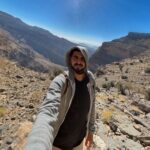
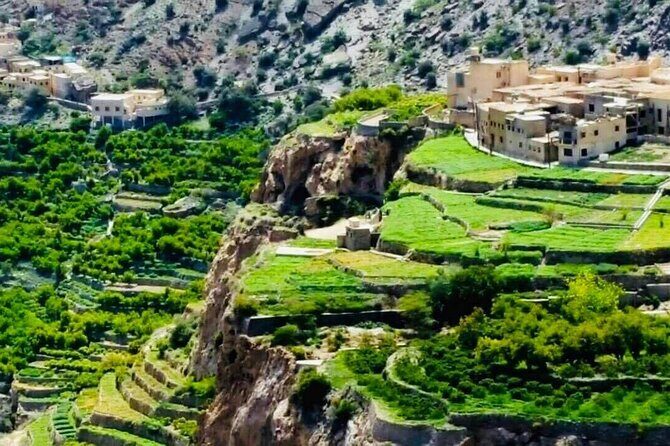
Next, you head to Jebel Akhdar, also called the Green Mountain. It’s part of the Al Hajar Mountains range, and the tour notes a height of about 2,980 meters and the Saiq Plateau around 2,000 meters. The drive up usually changes the air feel even before you reach viewpoints, and you’ll have about 2 hours here.
Then you visit Birkat Al Mouz Ruins, a village area associated with banana plantations. The tour calls out the name meaning banana pool, and you’ll have about 30 minutes to see the ruins area.
After that, there’s a quick stop at Aflaj Irrigation Systems of Oman, one of the five irrigation systems in Oman listed by UNESCO as World Heritage. It’s only about 30 minutes, but it’s a meaningful pause because it shows how Oman’s water management shaped life in these dry regions.
You end Day 3 with a stop area around Nizwa, setting you up for the big fort and souq moments on Day 4.
Day 4: Nizwa Fort, Nizwa Souq, Al Hamra ruins, Misfat al Abriyyin, and Jebel Shams
Day 4 is where Nizwa becomes real: the fort, the market, and then the older villages and high mountains beyond.
Start with Nizwa Fort (entry included). The fort is a large castle in Nizwa built in the 17th century, and the tour emphasizes it as a strong example of old Omani architecture. You’ll have about 45 minutes—enough time to appreciate the structure and feel like you’re looking at a living past, not just walls.
Then you head to the Nizwa Souq for about 1 hour. This is a classic market stop, and the tour notes the souq includes blocks for fruit and vegetables, meat, and fish. It’s also the place to browse for handmade items, including Omani silver craft.
After Nizwa, you move toward the “ruins and villages” side:
- Al Hamra, described as a thriving town that’s built around an abandoned village. The town is about 400 years old, and the ruins are estimated 700–1000 years old. You’ll have about 45 minutes.
- Misfat al Abriyyin, a mountainous village at around 1,000 meters on the foothills near Al Hamra. The tour notes the name is tied to the Al Abri tribe. Expect about 45 minutes here.
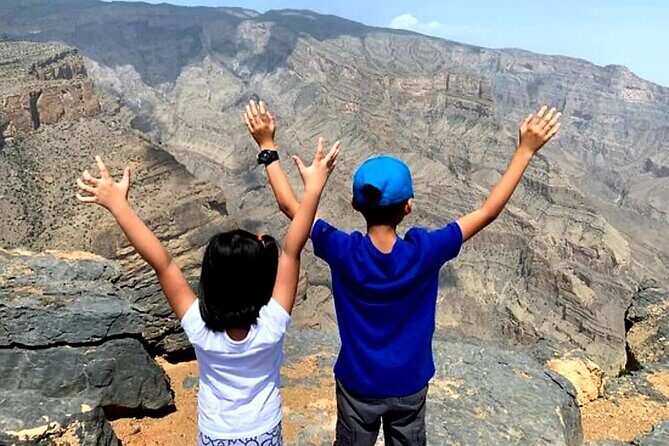
Then finish at Jebel Shams. The tour calls it the highest peak in the Hajar range and notes it’s known as the first place to receive sunrise in Oman due to its high elevation. You’ll have about 1 hour.
This day feels like a sequence of Oman’s layers: fortifications, trade, abandoned settlements, living villages, then mountain power.
How to match this tour to your travel style (and pack for it)
This tour suits you if you want:
- A private guide and 4WD to cut down on stress
- Time in wadis with real swimming opportunities
- Desert experience with both sunset and sunrise
- A blend of craft, architecture, and natural sights
You might think twice if you:
- Hate early starts (sunrise on Day 3 is part of the plan)
- Don’t want any hiking (Wadi Shab involves a climb)
- Prefer lunch breaks that are fully flexible (lunch isn’t included)
Bring:
- Swimsuit plus a quick-dry top
- Water shoes or sandals meant for rock and water
- Sunscreen and a hat (especially for desert and canyon edges)
- A dry bag or zip pouch for phones and keys
- A light layer for cooler mountain or early morning air, if you run cold
One more practical note: guides can make or break a packed itinerary. Past feedback references guides such as Ahmed, Said, Hamood, and Mohammed for friendliness and keeping the ride fun, which matters when you’re spending hours in the vehicle between stops.
Should you book this 4-day Jamila sightseeing tour?
Book it if you want an Oman “greatest hits” loop that doesn’t feel like checklist travel. The value sits in the bundled 3 nights’ accommodation, the included entries (including turtle watching and Nizwa Fort), and the fact that the itinerary is built around experiences that actually take time—like Wadi Shab swimming and Wahiba Sands at sunset and sunrise.
Skip it if you’re traveling for slow mornings, flexible afternoons, and full control over meals. This is a plan with momentum. It’s also a plan that rewards you for being ready to get wet, walk a bit, and enjoy the day even when the schedule moves fast.
If you can handle that, this tour offers a strong mix of nature, culture, and desert time that’s hard to stitch together on your own without a lot of effort.
FAQ
What time does the tour start?
The tour starts at 8:30 am.
Is pickup and drop-off included?
Yes. Pickup and drop-off are included for hotels, the port, or the airport within the Muscat area.
How many nights of accommodation are included?
The tour includes three nights of accommodation.
Are meals included?
Breakfast is included for 3 mornings, and dinner is included for 3 nights. Lunch is not included.
What entrance fees are included?
Entry fees included cover things such as turtle watching at Ras al Jinz, Dhow Factory, the Wadi Shab boat, and Nizwa Fort.
Is this a private tour?
Yes. It’s a private tour/activity, and only your group participates. Service animals are allowed.