REVIEW · DHOFAR
Historical Salalah City Tour with Culture, Food & Shopping
Book on GetYourGuide →Operated by Beautiful Salalah Tours · Bookable on GetYourGuide
One van, three scents, and a mosque pause. This short Salalah tour stitches together the Sultan Qaboos Mosque with the Haffa Souq atmosphere, plus a real taste of Oman through halwa and local shopping. I like how it keeps things practical in just 4 hours, and I like that the stops feel purposeful, not random. One consideration: the timing is tight, so if you want a slow, linger-at-everything day, this may feel a bit rushed.
What makes it work is the guide. Names that come up often include Mohamed Ali, Salim, and Majid, and the common thread is clear, patient explanations about religion, daily life, and what you’re seeing as you go. You also get comfortable pickup and drop-off from selected hotels, plus bottled water, which matters when you’re moving through heat and crowds.
Bring the right clothes. You’ll want long sleeves, long pants, and a headscarf if you have one, because sleeveless shirts and shorts aren’t allowed. During Ramadan, the mosque visit may be limited to photo stops, so plan your expectations around that.
In This Review
- Key things I’d plan around
- Sultan Qaboos Mosque: a 30-minute lesson in Dhofar’s spiritual heart
- Haffa Souq (Souq Al hisn): frankincense, bakhur, and the art of shopping smart
- The tropical fruit farm walk: a different side of Salalah
- Omani halwa tasting: a sweet stop you can actually take home
- Salalah Grand Mall: 1 hour to shop, exchange money, and breathe
- Price and logistics: what $42 buys you in real terms
- What this tour is best for (and who should skip it)
- Should you book this Salalah city tour?
- FAQ
- What does the tour cost and how long is it?
- What are the main stops on the tour?
- What’s included in the price?
- Is there a dress code?
- How does the mosque visit work during Ramadan?
- What language will the guide speak?
- Is it wheelchair accessible, and where do pickups happen?
Key things I’d plan around
- Sultan Qaboos Mosque as the calm start: 30 minutes for architecture and a peaceful photo stop when needed
- Haffa Souq / Souq Al hisn shopping with context: frankincense, bakhur, perfumes, textiles, and souvenirs
- A tropical fruit farm walk: coconut palms, banana trees, papayas, and other Dhofar plants
- Omani halwa tasting: saffron, honey, and dates, with the dessert functioning as an easy edible souvenir
- Salalah Grand Mall timing: 1 hour of air-conditioned free time for shopping or a coffee break
- Small group plus hotel pickup: you’re not stuck in a giant crowd for the whole loop
Sultan Qaboos Mosque: a 30-minute lesson in Dhofar’s spiritual heart
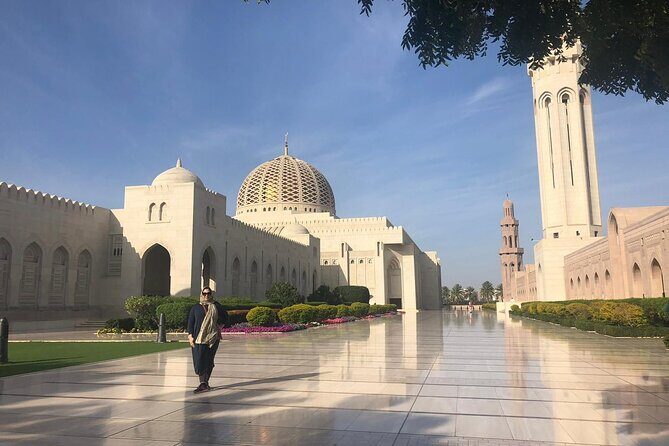
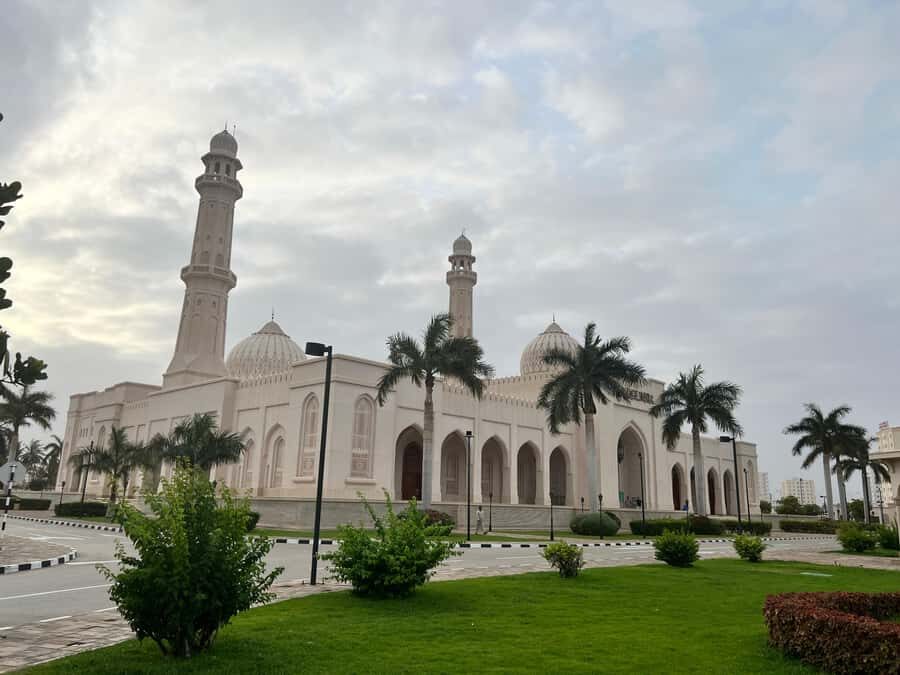
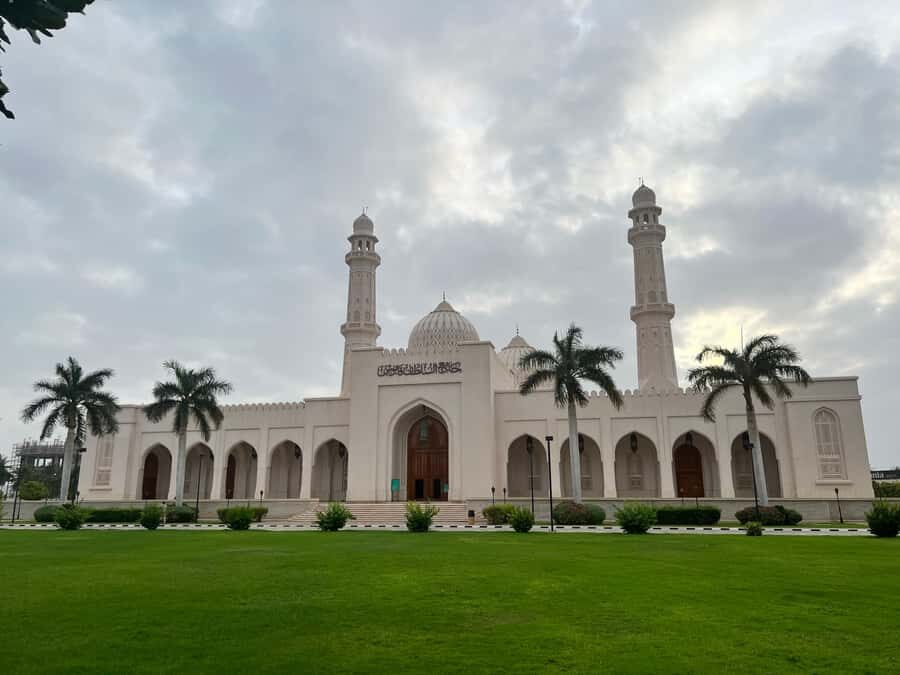
The day starts with the Sultan Qaboos Mosque, the biggest mosque in the Dhofar region. Even with only a short visit, it’s the kind of stop that gives you instant context for how Oman feels: calm, orderly, and built for worship first. You’ll have about 30 minutes here, with time for photos and looking closely at the architecture and interiors.
The mosque layout also helps you understand local etiquette fast. You’ll want to dress respectfully right from the start, because the rule isn’t just for formality. Long sleeves and long pants are best, and having a headscarf makes everything easier if you’re asked to cover your head.
One practical heads-up: during Ramadan, the mosque visit may be limited to photo stops. If your trip lands in Ramadan, treat the mosque as a visual stop rather than a full visit, and you’ll feel less rushed.
Haffa Souq (Souq Al hisn): frankincense, bakhur, and the art of shopping smart
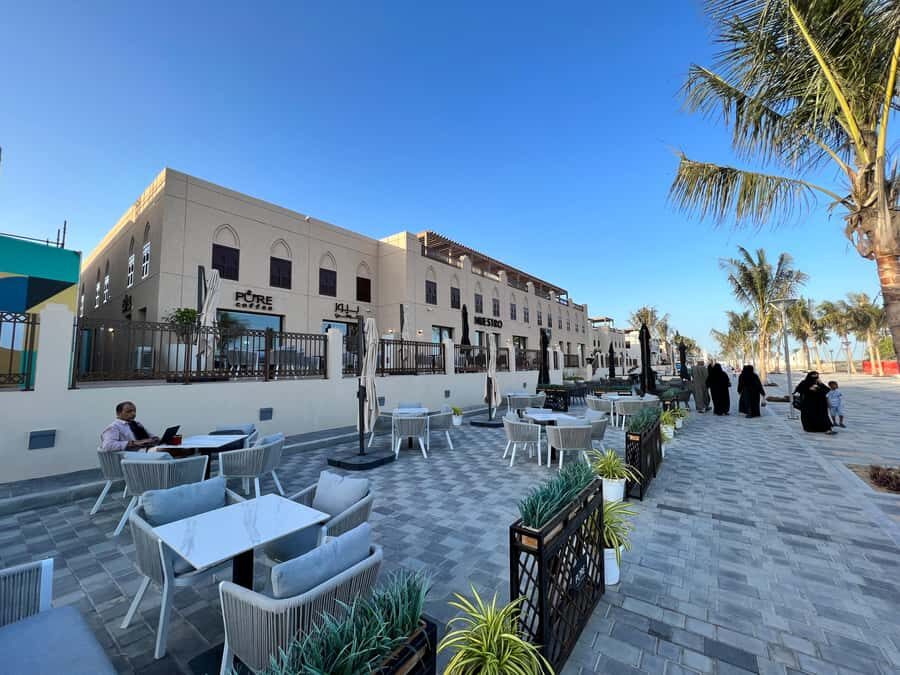
Next you head to the traditional market area near Haffa Beach and the Sultan’s Palace. In different descriptions you’ll see it called Haffa Souq or Souq Al hisn, but the experience is the same idea: walk through a real market instead of a staged craft bazaar.
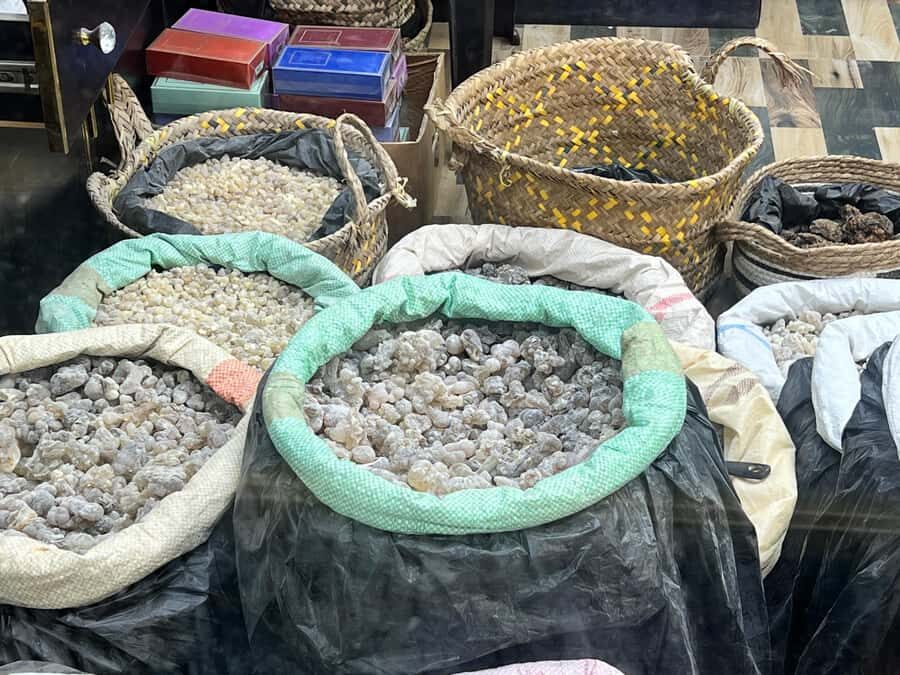
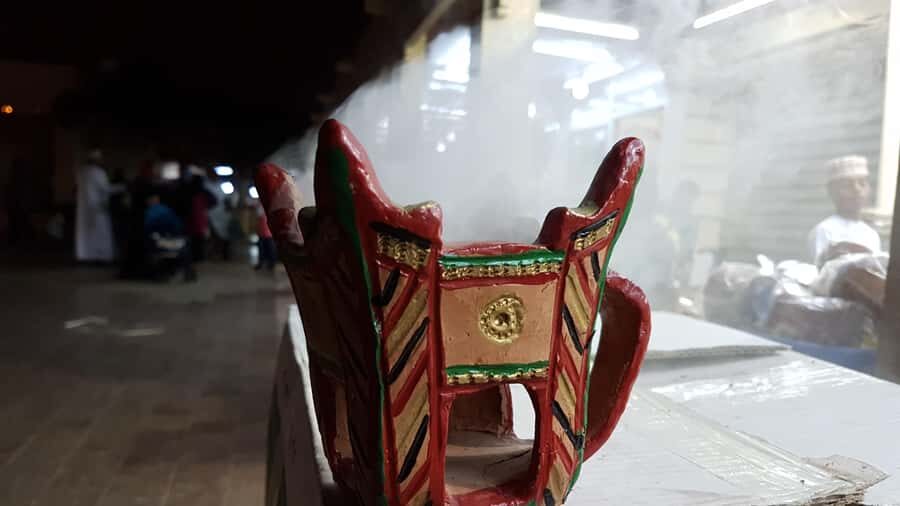
This is where you’ll smell Oman. Stalls often feature frankincense (including the resin you’ll find yourself learning to identify), bakhur, and Omani perfumes. You’ll also see handmade textiles and plenty of local souvenirs. The big value here isn’t just buying. It’s walking with a guide who can point out what’s typical, what’s worth asking about, and what to expect before you commit your money.
Shopping can be fun here, but it’s also easy to get overwhelmed. My suggestion: pick your top two categories before you enter. For most people that’s frankincense/bakhoor and one textile or small souvenir. Then set a loose budget in your head. With 30 minutes in the market, you’ll get more satisfaction and fewer regrets.
If you’re sensitive to strong scents, you’ll still be okay, but expect frankincense and bakhur to be part of the environment. Take your time at each stall, and step back when you want a break from the smell.
The tropical fruit farm walk: a different side of Salalah
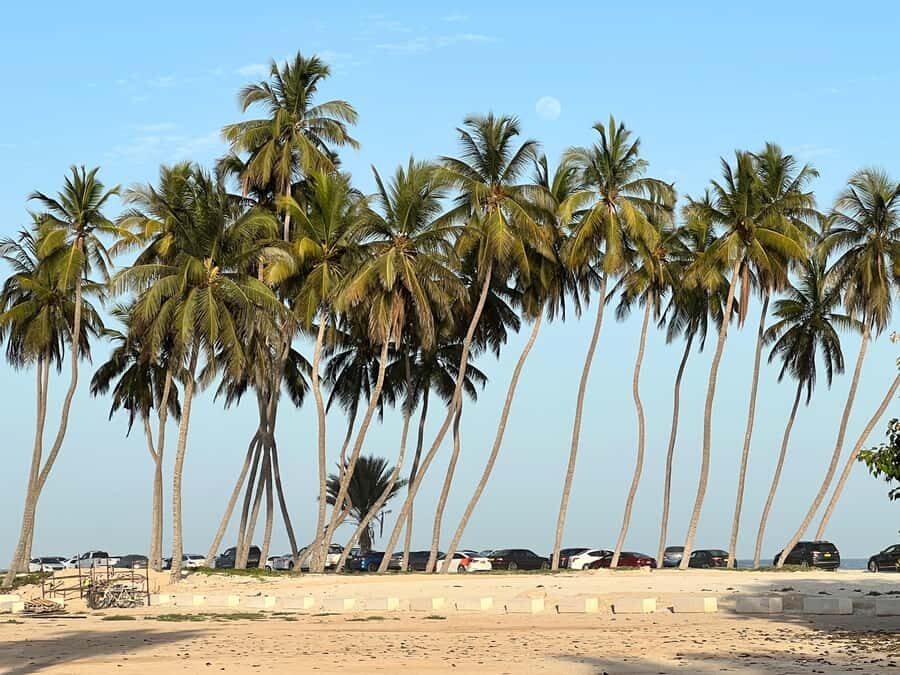
After the souq, the tour shifts from shopping noise to something slower and greener. You’ll walk through a tropical coconut and banana plantation, plus other fruit plants such as papayas. It’s an easy change of pace that makes Salalah feel distinct in the Arabian Peninsula.
This stop is short, but it’s memorable because it’s sensory. You’re not just seeing “nature” in a vague way. You’re walking among coconut palms and banana trees, and you get a clearer picture of why this region has a reputation for lush, tropical growth. Dhofar’s climate differences show up in how the landscape behaves, and a farm walk is one of the quickest ways to grasp that.
Practical note: keep your shoes comfortable. You’ll be walking outdoors, and you’ll want traction and comfort more than style. Also, because you’re coming from a market and then going into open air, you’ll likely appreciate bottled water and any shade breaks your guide may manage for your group.
Omani halwa tasting: a sweet stop you can actually take home
Now for the edible part of the tour: a traditional Omani halwa shop. You’ll taste this famous dessert, made with saffron, honey, and dates. That combination is the reason halwa works so well as a souvenir. It’s compact, it’s easy to share, and it’s not something you have to guess at later when you get back to your room.
The guide’s role matters here, too. You’ll learn what makes halwa different from other sweets, and you’ll get a better sense of what to look for if you decide to buy more. Even if you only taste and don’t purchase, the experience gives you a quick cultural snapshot that’s harder to get from a photo.
One simple tip: if you’re picky about very sweet desserts, pace yourself. Halwa tends to be rich, and you’re tasting it as part of an already full schedule.
Salalah Grand Mall: 1 hour to shop, exchange money, and breathe
The tour ends at Salalah Grand Mall, with about 1 hour of free time. This is intentionally the practical part of the day: a modern, air-conditioned space where you can shop without worrying about weather or timing.
You can use the time for currency exchange, pick up souvenirs in a more controlled environment, grab coffee, or just relax. For many people, it’s also where the day’s impulse buys become more thoughtful buys. After you’ve seen frankincense and textiles in the souq, you can compare prices and decide what you truly want to bring home.
My advice: treat this hour as flexible. If you’re tired from walking, do coffee and browse only. If you’re still energized, focus on one area: either a few souvenir stops or a bigger shopping sweep. With only one hour, trying to do everything usually turns into stress.
Price and logistics: what $42 buys you in real terms
At $42 per person for 4 hours, you’re paying for three things: transportation, a guide, and structure. What I like is that the tour isn’t just a “drop you off and hope” situation. You get van or bus transport, bottled water, and pickup and drop-off from selected hotels.
The guide experience is also part of the value. You’ll meet an experienced guide, and the language coverage is broad: English, Arabic, Polish, German, Italian, French, Hindi, Urdu, Ukrainian, and Russian. Some descriptions also emphasize an English/Arabic speaking guide, and in practice you’ll want to pick a guide who can explain what you’re seeing clearly in the language you’re most comfortable with.
Small group availability can matter here. In a short tour, fewer people usually means less waiting at each stop and a smoother flow through busy areas like markets.
One more thing to remember: breakfast and lunch aren’t included. The schedule is designed to fit food in via a halwa tasting, not a full meal. If you’re the type who needs a real lunch to keep going, either plan to eat before the tour or arrange an additional meal after.
What this tour is best for (and who should skip it)
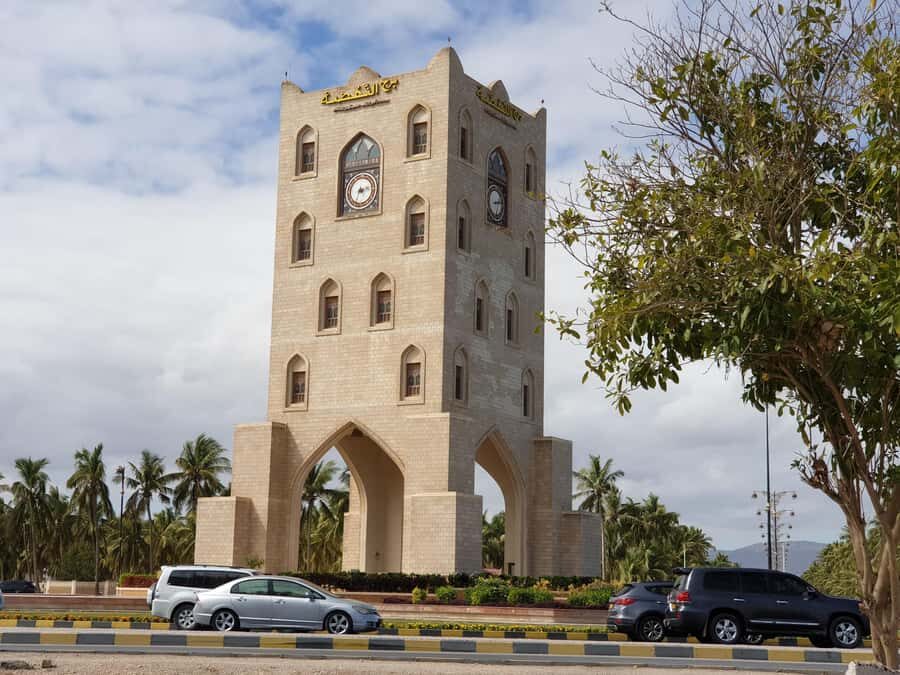
This is a good fit if you want a tight, efficient overview of Salalah without spending your whole day driving or planning. It’s also a solid choice if you like a mix of places: a major mosque, a traditional market, a fruit farm walk, and a sweet stop, followed by modern mall free time.
You might want to choose a different option if you’re the type who needs long time at each attraction. The tour is built on short stops—30 minutes here, a walk there, 1 hour in the mall. If your travel style is slow and detailed, you’ll probably crave more time in just one or two places rather than squeezing everything in.
It’s also worth noting the dress requirement. If you arrive with only shorts or sleeveless tops, you might feel rushed finding something to cover up. Packing long sleeves and long pants makes the experience smoother.
Should you book this Salalah city tour?
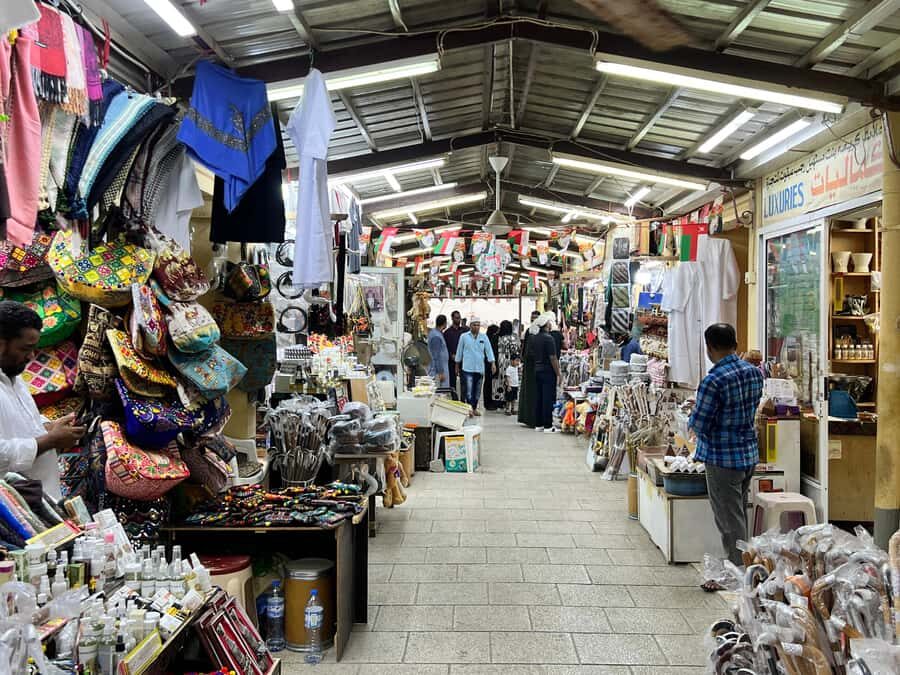
I’d book it if you want a reliable way to see key Salalah highlights in half a day, especially if this is your first visit. The mix of Sultan Qaboos Mosque, traditional souq shopping, and an actual tropical fruit farm walk gives you variety that stays grounded in local life. Add halwa tasting and a clean, air-conditioned end stop at Salalah Grand Mall, and you have an easy day that doesn’t eat your evening.
I’d think twice if you’re chasing deep, long visits. This one is about getting oriented and moving efficiently. If that sounds like you, it’s good value for $42 because you’re getting transport, a guide, and a ready-made route rather than piecing it together yourself.
If you book, go prepared with respectful clothing and comfortable shoes. Then use the mall hour to reset—coffee, exchange, and a final look at souvenirs—so you finish the tour feeling satisfied, not scrambled.
FAQ
What does the tour cost and how long is it?
The tour costs $42 per person and runs for about 4 hours.
What are the main stops on the tour?
You’ll visit the Sultan Qaboos Mosque (photo stop and/or visit), a traditional market area (Haffa Souq/Souq Al hisn), a tropical fruit farm walk, an Omani halwa sweet shop, and then have free time at Salalah Grand Mall.
What’s included in the price?
It includes bottled water, hotel pickup and drop-off from selected locations, and transport by van or bus. It also includes an experienced guide.
Is there a dress code?
Yes. You should bring a long-sleeved shirt, long pants, and a headscarf. Sleeveless shirts and shorts are not allowed.
How does the mosque visit work during Ramadan?
During Ramadan, the mosque visit may be limited to photo stops.
What language will the guide speak?
The tour offers live guides in many languages, including English and Arabic, as well as Polish, German, Italian, French, Hindi, Urdu, Ukrainian, and Russian.
Is it wheelchair accessible, and where do pickups happen?
Wheelchair accessibility is available. Pickup and drop-off are listed for selected hotel locations, including Taqah and Salalah.